woodturning video shows how to preserve grain in bowl blanks
This bowl-turning video is really about judgment: when hickory, spalting, and rough wood are worth saving, and when drying will steal the grain.
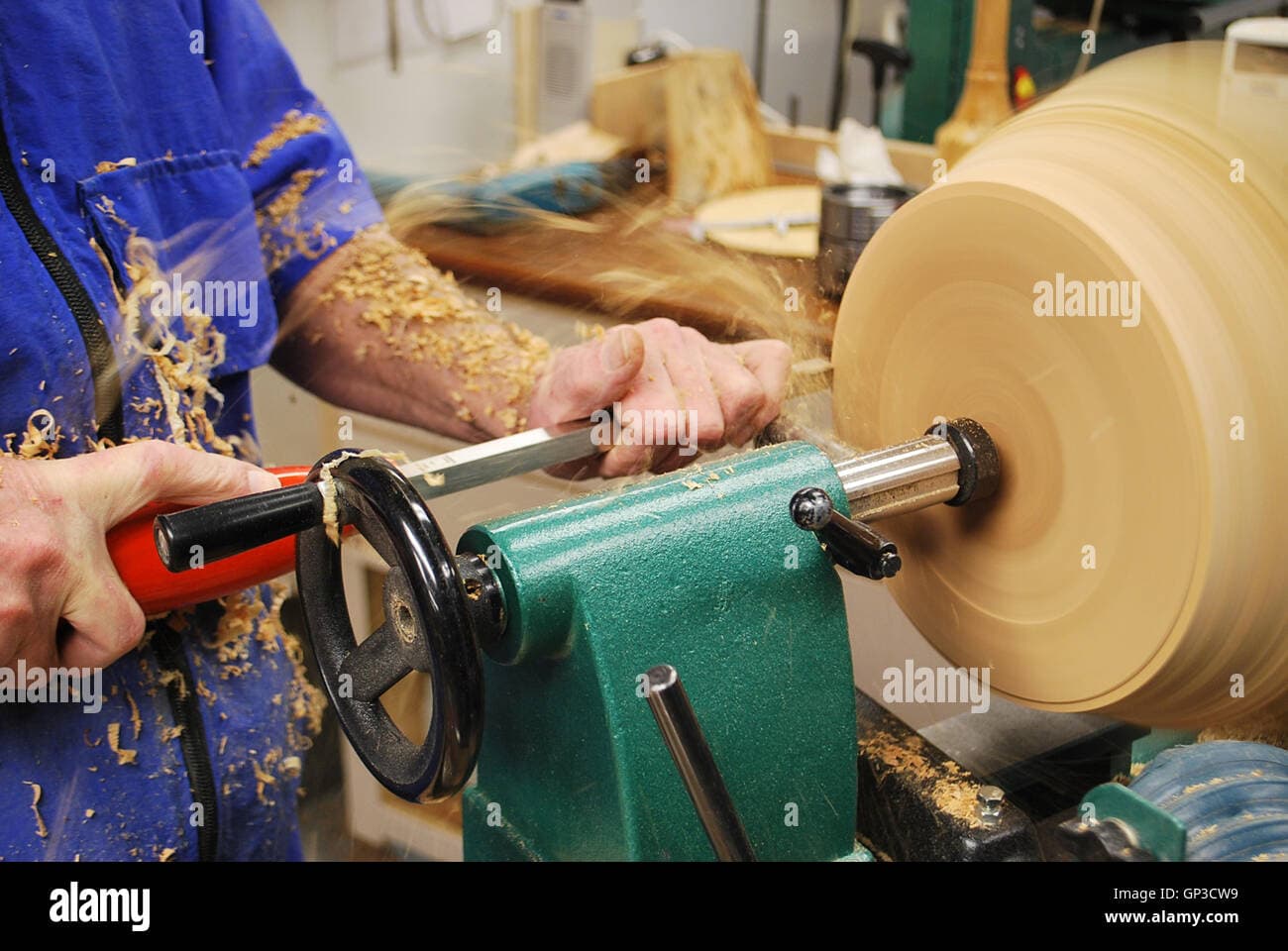
The hard part is not turning the bowl
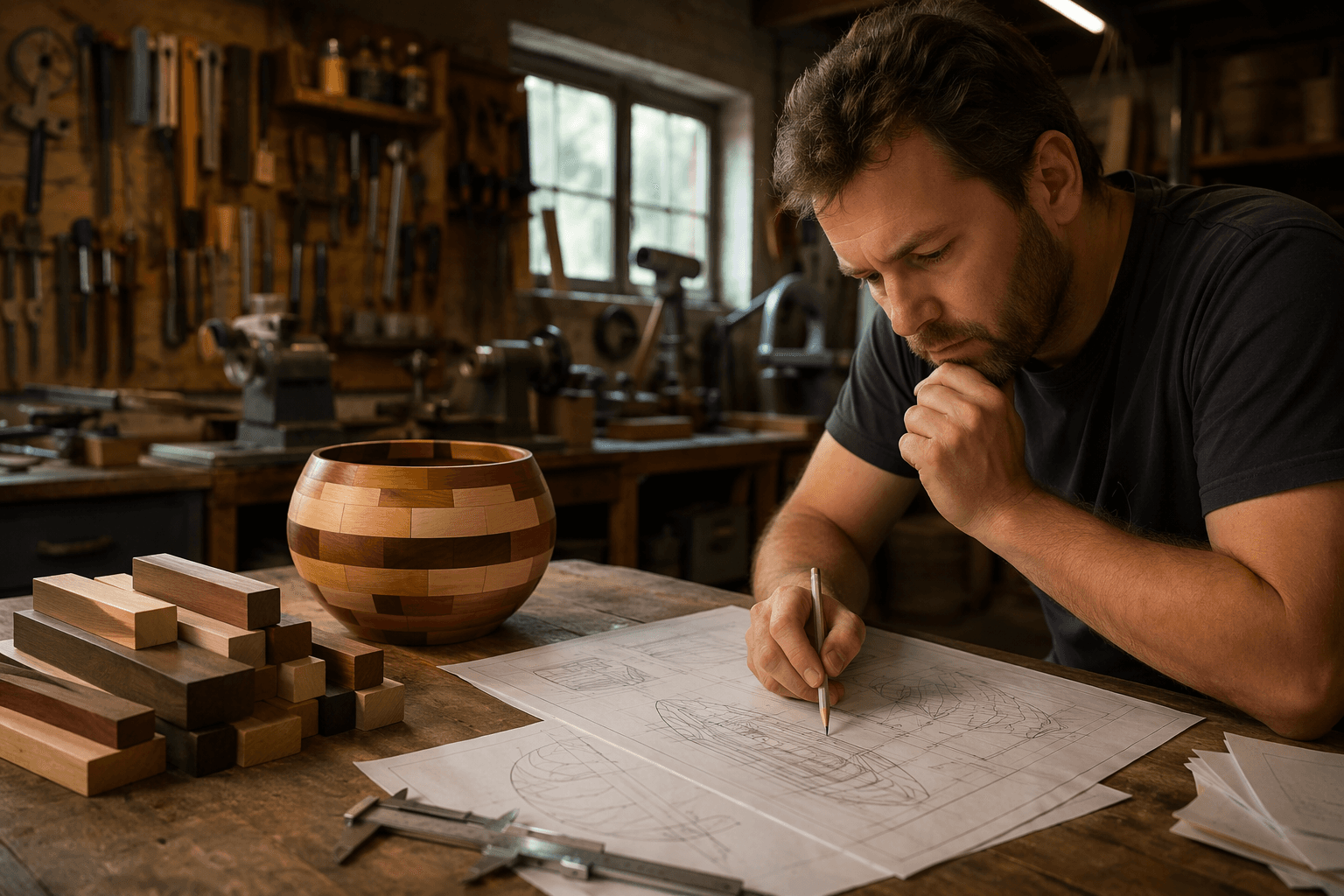
The hard part is keeping the grain color and pattern alive long enough to make it to the finished bowl. That is the real promise inside the Turn A Wood Bowl video, *Years In the Making*, posted May 10, 2026: it treats bowl turning as a preservation problem, not just a shaping exercise. The description makes that clear by saying that if you want to keep beautiful grain color and patterns in a woodturned bowl, you need to understand several factors, and the snippet pushes the point further with a hickory sample and the question of whether semi-rotten wood is worth turning.
That is exactly the kind of decision bowl turners wrestle with at the lathe. A blank can look ordinary in the log and spectacular once the figure is exposed, but the same blank can also split, discolor, or collapse if the wood is handled poorly. The appeal of a title like *Years In the Making* is that it reminds you that the finish cut is only the last chapter in a much longer story.
Why grain direction matters before the first cut
One of the first variables you control is how the bowl is oriented in the wood. The American Association of Woodturners notes that most bowls are turned crossgrain or side-grain, and that orientation changes both how the cut behaves and how the grain reads in the finished piece. In plain shop terms, you are not just choosing a shape, you are choosing how the fibers will meet the tool and how the eye will travel around the rim and across the wall.
The practical rule is simple: cut so the fibers you are cutting are supported by wood under or behind them. That matters because grain that is properly supported tears less and presents a cleaner visual surface. If the blank already has interesting figure, such as spalting or a dramatic color transition, weak cuts can blur the very pattern you were trying to save.
Drying can make or break the figure
The other big variable is moisture, and this is where a lot of promising bowls go sideways. AAW materials note that wood dries unevenly, and that uneven loss creates stress that is eventually relieved by cracks or checks. That is not just a storage issue. It becomes a surface-quality issue, because checking can run right through the section you wanted to showcase.
AAW guidance on green bowls points to the standard response: rough-turn the bowl, let it dry, then remount it for finish turning. That approach gives the wood a chance to move before the final dimensions are locked in. It also means you are not betting everything on a single pass at the lathe. For bowls, patience is not a soft skill. It is a workflow.
Green wood is not the enemy, but it is not free either
AAW content also makes the useful distinction that green wood can be turned into hollow vessels or bowls, but drying and stability are major considerations. That is the tradeoff every bowl turner knows by feel. Green stock can be cooperative at the tool, and it can reveal figure that looks dead flat when the wood is dry, but it also carries the risk of distortion and failure if you rush it.
That is why the phrase “years in the making” rings true in bowl work. Some of the best grain color and pattern are only visible because the wood has been sitting, changing, and aging for a long time before it ever reaches the lathe. The challenge is making sure that time creates beauty instead of damage.
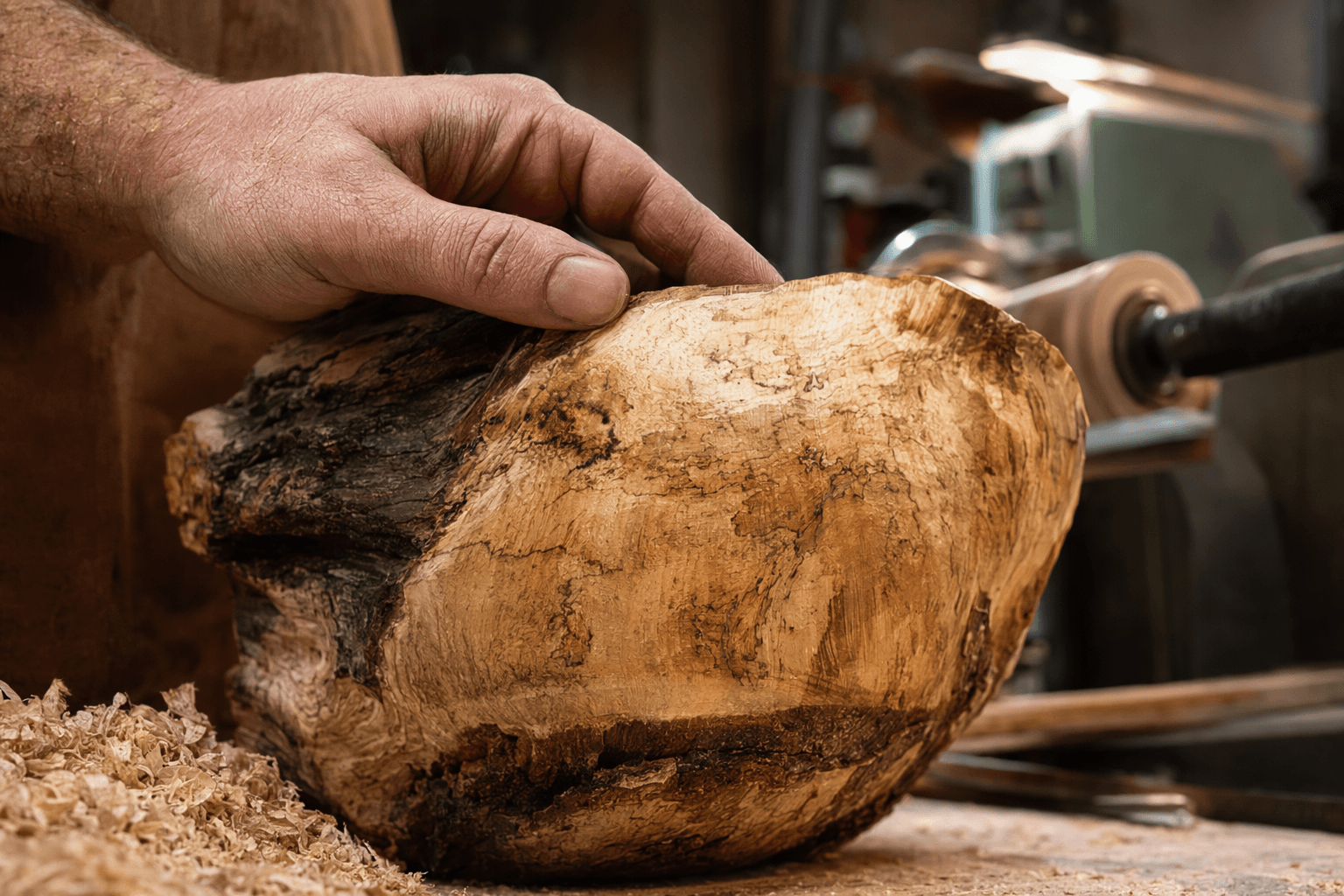
When semi-rotten wood is a feature, not a warning sign
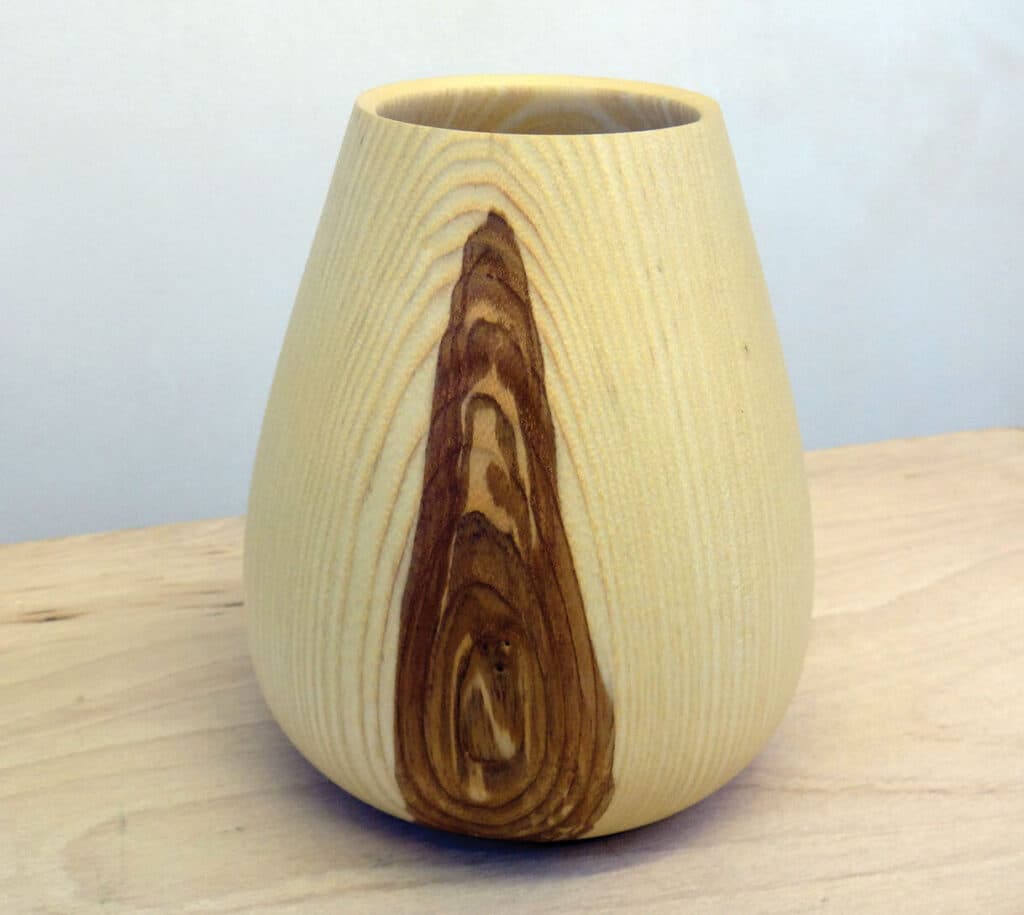
The video’s question about semi-rotten wood is the kind of question bowl turners ask when the wood is borderline but promising. Decay can erase structure, but it can also create character, especially if it brings out spalted lines, dark contrast, or unusual color breaks. That is why the hickory sample matters. Hickory is one of those woods that can swing from plain to striking depending on where the blank came from and how far the process has gone.
A forum post from the American Association of Woodturners gets to the point in blunt shop language: spalted hickory can have “amazing color,” while the rest of the tree may be just “whitish bland hickory colored.” That is a perfect reminder that the same species can deliver wildly different results. If you are chasing figure, you are not just choosing hickory, you are choosing the right section of the tree, the right amount of change, and the right moment to turn it.
What to watch for in the blank
When a blank carries this much potential, the decision is less about whether it looks perfect and more about whether it still has enough structure to survive the work. In practice, that means looking at whether the color is worth preserving, whether the pattern is concentrated enough to survive shaping, and whether the wood is stable enough to dry without turning into a cracked souvenir.
A good way to think about it is this:
- If the figure is subtle but the wood is sound, careful grain orientation and drying may be enough to bring it out.
- If the figure is strong but the blank is unstable, rough-turning and slow drying become the price of admission.
- If the wood is too far gone, the color may be interesting but the bowl may never hold together.
That is where the judgment comes in. The video’s semi-rotten hickory angle suggests a project built around that judgment, not a generic demo blank. That makes it useful to anyone who has ever stood at the lathe and wondered whether a rough piece was a treasure or a problem waiting to split.
The real lesson for bowl turners
The best takeaway from this kind of project is that preserving grain is not one trick. It is a chain of decisions. You pick the right wood, respect grain direction, control drying, rough-turn when needed, and only then commit to the final form. Miss one of those steps and the color or figure you were chasing can disappear before the finish even goes on.
That is why the opening problem matters so much. The hard part is not cutting a bowl. It is keeping the grain alive from the raw hickory blank to the last pass of the gouge, so the finished surface still shows the pattern that made the wood worth turning in the first place.
This article was produced by Prism’s automated news system from verified source data, official records, and press releases, then run through automated quality and moderation checks before publishing. The system is built and supervised by the people who set the standards it runs under. Read our full AI policy.
Did this article answer your question?