Alameda Yoga Hub Offers Yin Class for Calm, Restoration, and Resilience
A 75-minute yin class at Svastha trades sweat for stillness, with breathwork up front and long-held floor poses built for recovery.
What the Thursday class actually looks like
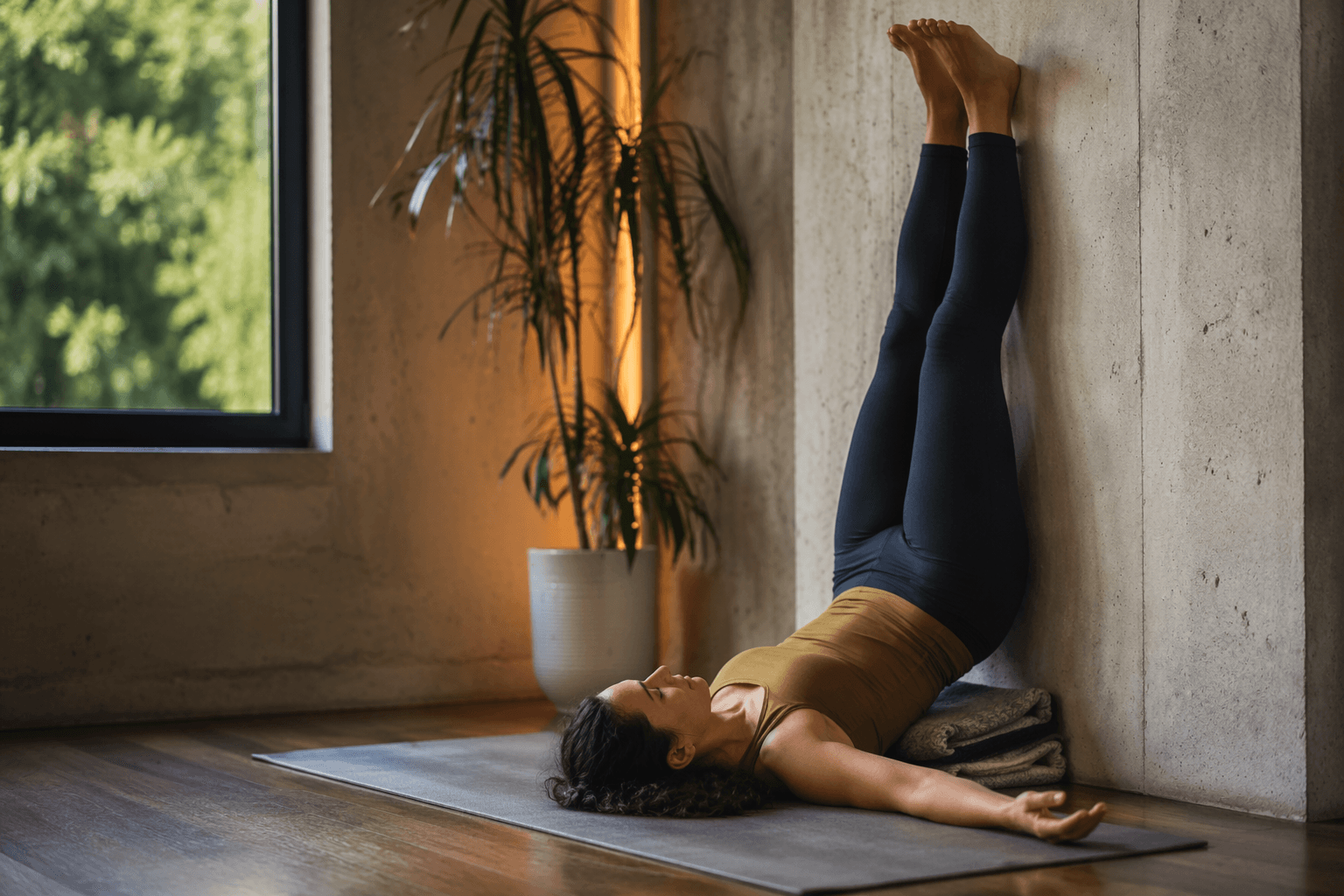
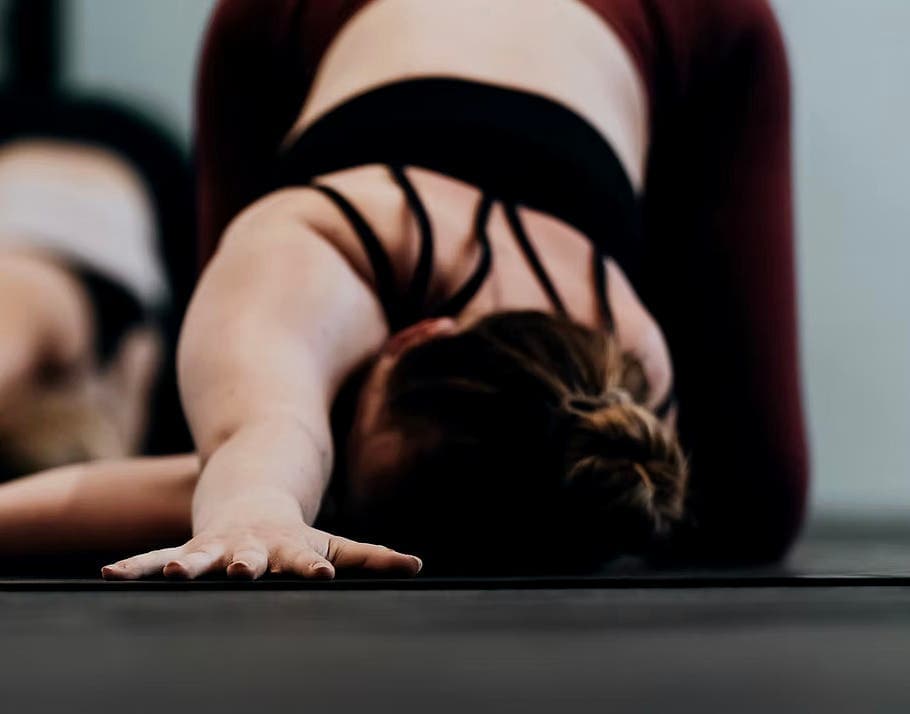
At Svastha Yoga, Wellness and Community Hub in Alameda, the pitch is not power flow, heat, or a workout you have to recover from. The draw is Breathe and Restore with Yin Yoga, a 75-minute Thursday evening class with a $25 drop-in that is listed as appropriate for all levels. The sequence is simple but deliberate: breathwork at the start to ground the nervous system, then long-held passive stretches that work into connective tissue, joints, and bones.
That matters because yin is not just a slower flavor of vinyasa. It asks you to stay, soften, and notice what happens when the body is not being pushed from shape to shape. The class is framed as restorative and meditative, with the stated goal of reducing tension, calming the mind, and building a steadier sense of peace and resilience.
Why yin feels different from a standard flow
A lot of yoga classes in the wild are built around movement density. You warm up, move through standing sequences, link breath to motion, and keep the pace up enough to leave sweaty. Yin flips that logic. The emphasis is on long-held, passive poses, usually close to the floor, with breathwork and stillness doing as much work as the shapes themselves.
That shift is exactly why overstressed people keep finding their way to classes like this. Instead of asking the body to generate more effort, the practice asks it to downshift. The first minutes of breathwork are there for a reason: they help settle the nervous system before the body settles into the holds. If you spend your week braced at a desk, in traffic, or bouncing from one screen to the next, that slower gear can feel less like fitness and more like a reset.
Why Alameda readers should care about this particular studio
Svastha Yoga Hub is not a generic rent-a-room operation. It describes itself as “the newest addition to Alameda’s exciting West End” and places yoga alongside Pilates, meditation, personal training, massage therapy, sauna blanket sessions, and community events under one roof. The address is 647 Pacific Ave., Alameda, CA 94501, which makes the class easy to picture in real local terms rather than as some abstract wellness offering.
That community-hub model is part of the appeal. This is not just a one-off class on a schedule board; it is the kind of recurring, place-based programming that gives people a reason to keep coming back. The studio’s framing around accessibility, stillness, and recovery makes sense in a neighborhood context where a lot of people are looking for something they can fit into an ordinary Thursday night without having to gear up for an athletic test.
The founder’s vision gives the studio more weight than a single class
The space has also been part of Alameda’s wellness conversation for a while now. Alameda Post reported that Svastha was in soft opening in September 2024 and planned a grand opening on September 14, 2024. The article identified owner and founder Tatiana Stollman, who said she wanted the place to be more than a yoga studio and envisioned it as a gathering spot for friends and a broader wellness community.
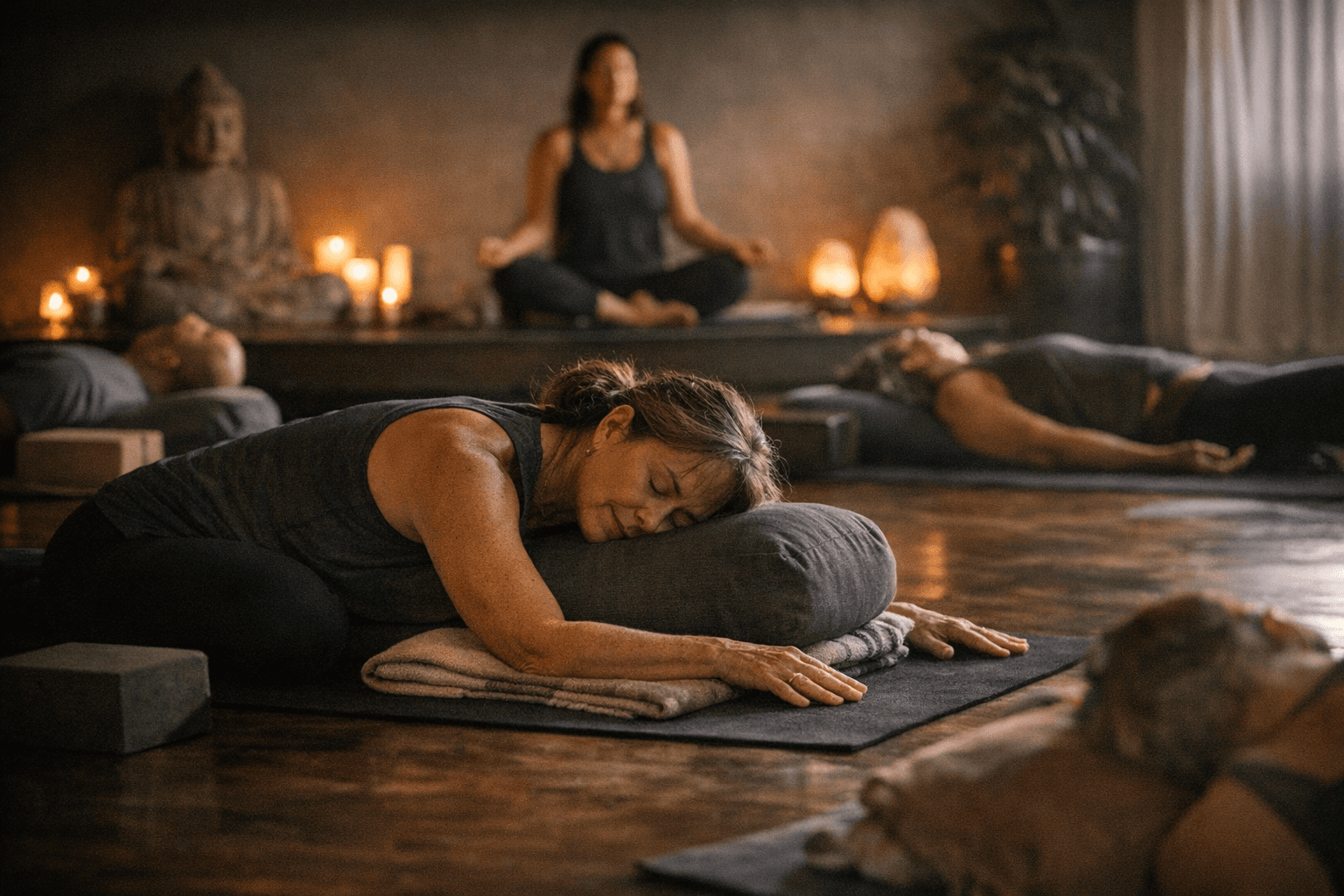
That context helps explain why a yin class belongs here. A true community hub needs more than high-energy sessions and boutique branding. It needs offerings that people can use when they are tired, tight, anxious, or simply done for the day. Yin and restorative work fill that gap better than almost anything else on a studio schedule, especially when the studio is trying to serve both regular practitioners and newcomers who want an approachable entry point.
The health case for slower practice is strong
The class description lines up neatly with what the National Center for Complementary and Integrative Health says yoga usually includes in the United States: physical postures, breathing techniques, and meditation. NCCIH also says research suggests yoga may help relieve stress and support mental and emotional health, sleep, and balance. It may also help with some pain conditions, including neck pain, tension-type headaches, knee osteoarthritis, and possibly low-back pain.
That is a useful lens for this kind of class. Yin is not sold as a cure, and it should not be mistaken for one, but the structure of the practice fits the use cases many people actually bring to the mat: tight shoulders, a taxed mind, poor sleep, and the feeling that your body has spent too many hours in one shape. The combination of breathwork, passive stretching, and floor-based stillness is built for that kind of complaint.
The bigger trend backs it up. CDC data show that 16.9 percent of U.S. adults age 18 and older practiced yoga in the past 12 months in 2022, and NCCIH says adult yoga use rose from 5.0 percent in 2002 to 15.8 percent in 2022. A 2024 NIH analysis also found that complementary health approaches rose significantly from 2002 to 2022, especially for pain management. That helps explain why a 75-minute restorative class can find a real audience: more people are using yoga not just for conditioning, but for regulation and relief.
Who this class suits best
The short answer is that this class suits people who need to come down, not ramp up. If you want a practice that gives your body time to open gradually and your mind time to unclench, the Thursday evening format is built for you. The all-levels label matters here, because a yin class does not rely on athleticism, choreography, or a polished studio vocabulary to make sense.
It is especially practical if you are carrying stress in a way that shows up physically. Long workdays, travel, parenting, screen fatigue, and training overload all tend to leave the body noisy in the same places: hips, spine, shoulders, jaw. A class that begins with breathing and stays with long holds offers something many people are missing, a real chance to let the nervous system settle before the body asks for more.
In a city that now has a dedicated hub for yoga, Pilates, meditation, bodywork, and recovery tools, this yin class stands out because it is honest about what it offers. It does not promise a burn. It promises stillness, recovery, and a more usable kind of resilience, which is often exactly what a tired week needs.
This article was produced by Prism’s automated news system from verified source data, official records, and press releases, then run through automated quality and moderation checks before publishing. The system is built and supervised by the people who set the standards it runs under. Read our full AI policy.
Did this article answer your question?