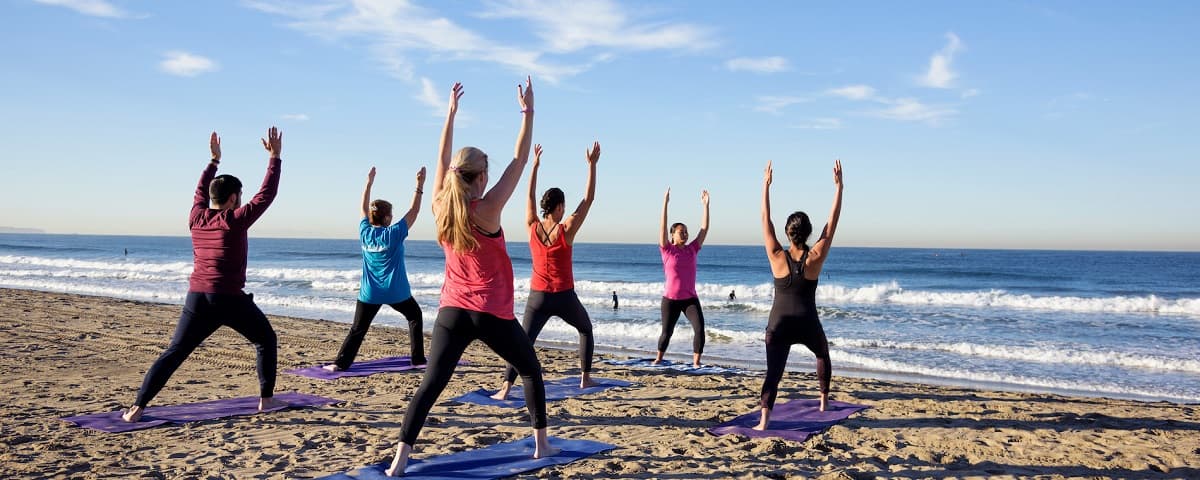
Bali yoga backlash grows as critics slam aesthetic tourism and neglect
A viral post called out Bali’s yoga crowd for chasing matcha and retreats while the island grapples with trash, housing pressure and disrespect. The backlash now reaches the rules tourists must follow.
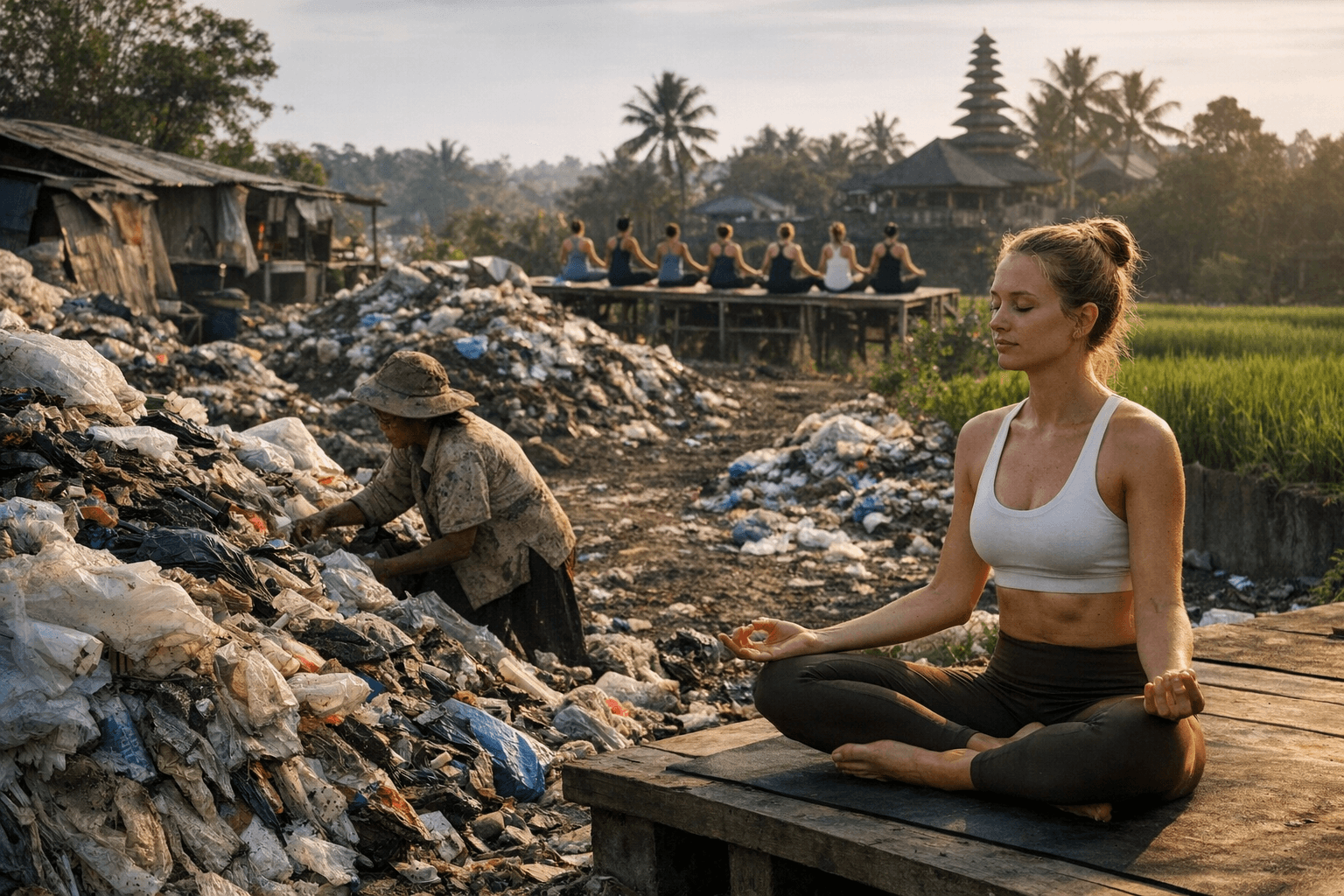
A viral post accusing Western yoga visitors in Bali of chasing matcha, retreats and polished Instagram moments while ignoring trash, strays and local strain has pushed the island’s wellness image into a sharper, less flattering light. The debate is no longer just about online outrage. It is about what yoga travel costs on the ground.
Bali remains Indonesia’s main tourism gateway, with 6.3 million foreign tourist arrivals in 2024. In December alone, official statistics recorded 551,100 foreign tourist visits, and Australians made up the largest source market that month with a 24.78 percent share. That scale has helped fuel the retreat economy in places like Ubud and around Ngurah Rai Airport, where yoga, cafes and short-stay rentals have become part of the island’s global brand.
The same boom has collided with a waste crisis that locals have been warning about for years. Official and reporting estimates say 52 percent of Bali’s garbage is mismanaged, and reports put the number of illegal open dump sites at about 1,000. Those dumps pollute waters and roadsides, turning garbage into more than an eyesore. It has become a direct threat to the tourism economy that wellness travelers rely on.
The government has responded with tighter rules. On March 24, 2025, Bali governor I Wayan Koster issued Circular Letter Number 7 of 2025, setting new guidelines for foreign tourists. The rules call for respect at sacred sites, modest dress, polite conduct, payment of the Rp 150,000, or about US$9, tourism levy, use of licensed guides and accommodations, and compliance with traffic and currency rules. For an island trying to balance global demand with local order, those rules are now part of the basic checklist for ethical travel.
The current backlash also echoes an earlier flashpoint. In January 2021, American expat Kristen Gray was deported after viral tweets about Bali sparked anger over foreigner privilege and the way outsiders describe the island as a personal sanctuary. That episode and the latest post point to the same tension: Bali’s wellness branding can flatter visitors while leaving residents to absorb the costs.
For yoga travelers, the message is getting harder to ignore. If the island is marketed as paradise, then trash, housing pressure, labor strain and cultural respect cannot be treated as background scenery. Ethical yoga tourism in Bali now starts with the unglamorous details the feed leaves out.
This article was produced by Prism’s automated news system from verified source data, official records, and press releases, then run through automated quality and moderation checks before publishing. The system is built and supervised by the people who set the standards it runs under. Read our full AI policy.
Did this article answer your question?