Boston’s yoga voucher program for LGBTQ migrants sparks wasteful spending backlash
Michelle Wu’s city-backed wellness plan promised up to $500 for yoga and salon services, but Boston later said the grant was for mental health, not vouchers.
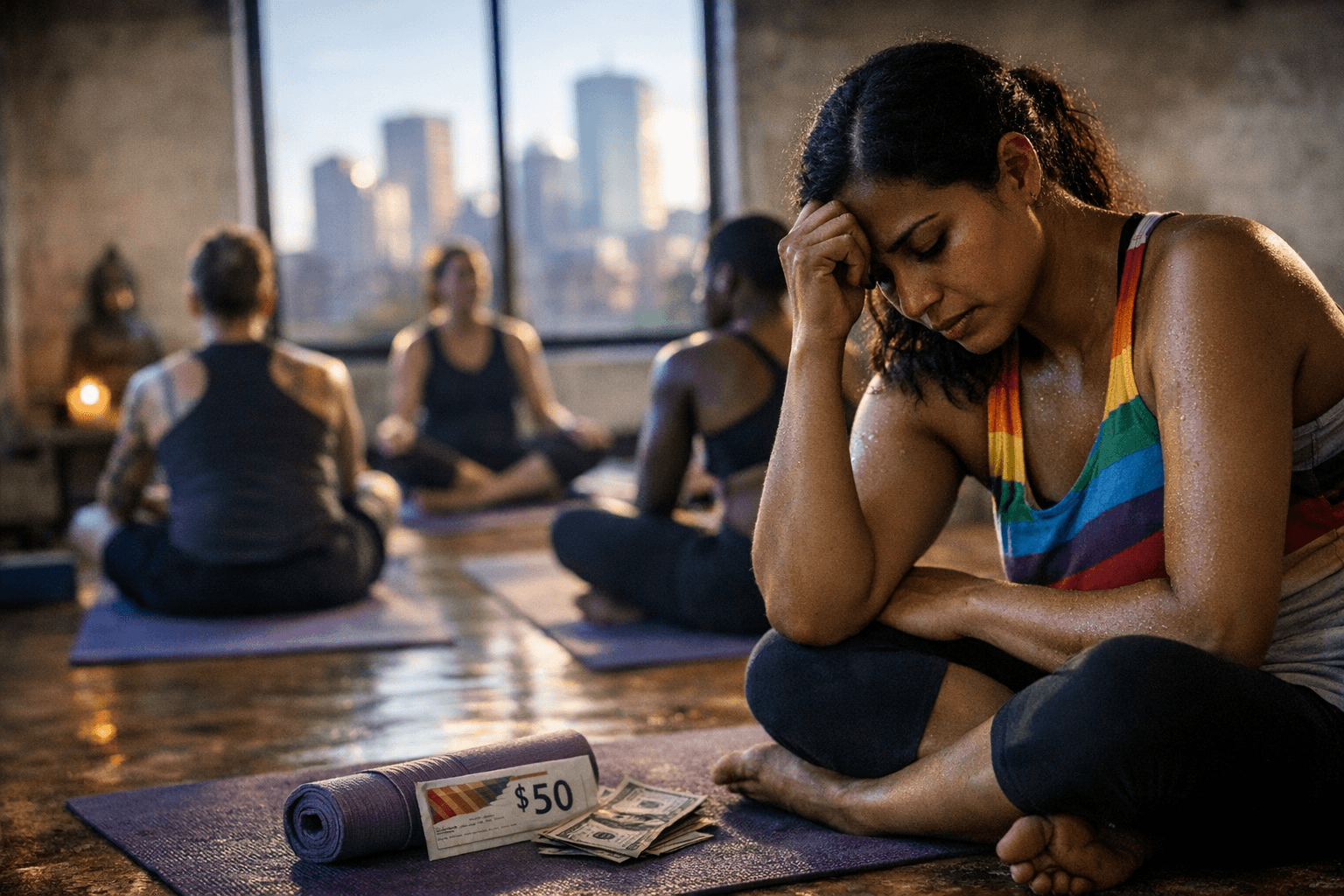
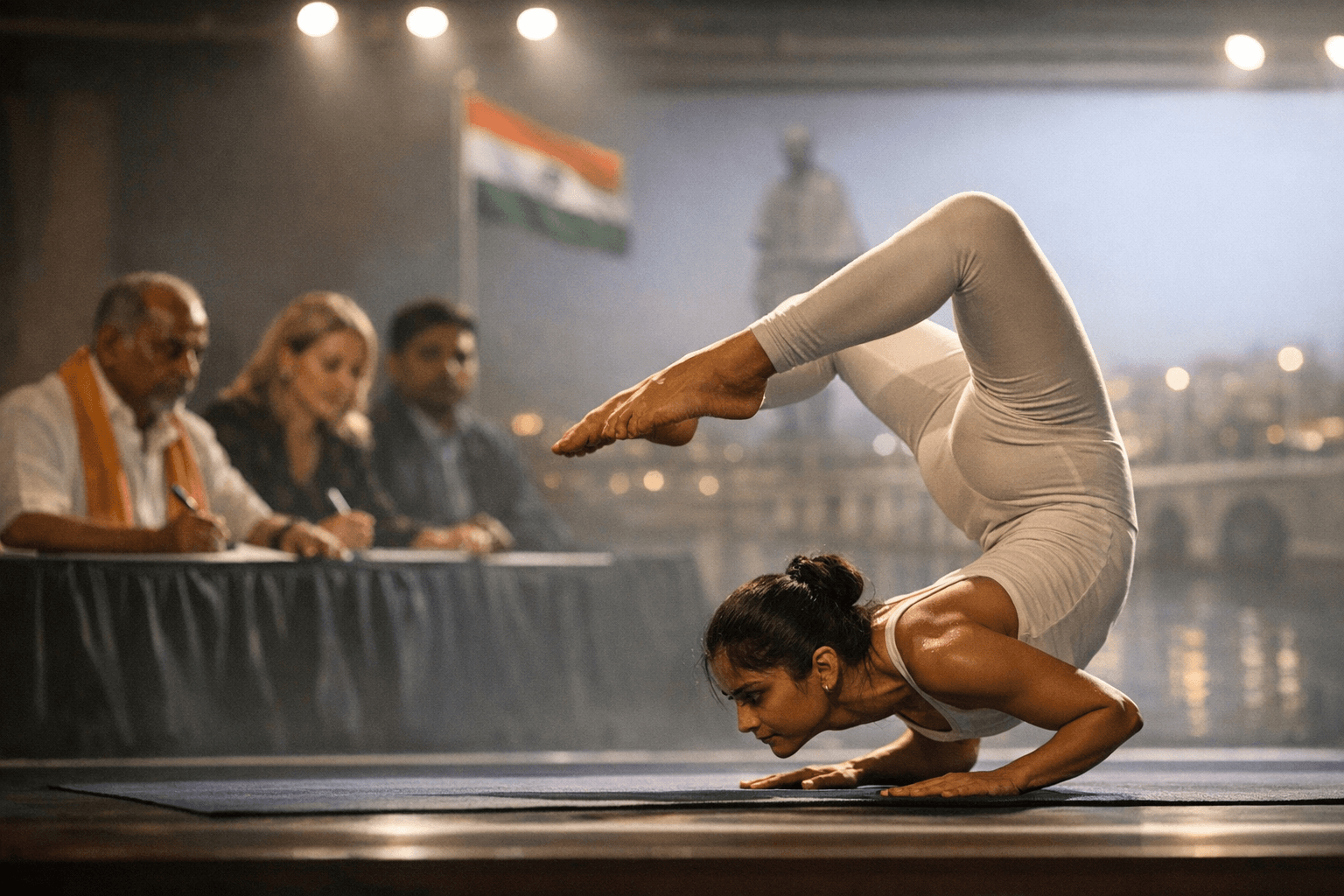
Mayor Michelle Wu’s administration found itself in a familiar Boston budget fight with an unfamiliar flashpoint: whether taxpayer-backed immigrant aid should pay for yoga, massage, and salon services for LGBTQ migrants while the city faced a $48.4 million deficit. The program, marketed by OUTnewcomers as “Belonging Matters,” offered wellness allowances of $250 to $500 and drew immediate backlash over what critics called wasteful spending.
OUTnewcomers described the uses broadly, including yoga, meditation, creative healing, peer support, gym memberships, acupuncture, massages, and hair styling. The nonprofit said priority went to low-income, trans, and isolated LGBTQ+ migrants living in Boston, a population it said often lacked stable support networks and safe spaces. The group was founded in 2023 and said it was still being supported by private donations.
Boston officials later said the organization had received a $7,500 mini-grant from the city budget through the Mayor’s Office for Immigrant Advancement, but that the money was intended for mental health services, not for individual wellness vouchers. City officials said no funds had been distributed or directed for the voucher program. The city also said its broader FY26 immigrant-advancement grantmaking cycle totaled $1.25 million for legal access, community-led mental health and well-being programming, and neighborhood support initiatives.
The controversy landed at a bad time for City Hall. Boston was already projecting a $48.4 million deficit for fiscal year 2026, with officials pointing to snow removal, overtime, and health-care costs. Boston Public Schools was also dealing with a separate shortfall of roughly $53 million, raising the political temperature around any spending that looked optional or symbolic rather than essential.
Wu and the Mayor’s Office for Immigrant Advancement had also announced a separate public-private immigrant-services funding partnership worth more than $4.5 million, including more than $3.1 million from the Boston Foundation, the Barr Foundation, and United Way of Massachusetts Bay. Officials said the city had recently awarded more than $1.3 million through MOIA as part of its broader support for immigrant communities.
After the backlash spread nationally, OUTnewcomers paused the wellness initiative and later said it would return the $7,500 grant. Reporting also said the group’s founder received death threats and ICE-related threats amid the uproar. The political question now is not just whether the idea was trauma-informed support, but whether Boston had let a niche wellness program become a symbol of misaligned priorities at the exact moment residents were being asked to accept tighter budgets elsewhere.
Know something we missed? Have a correction or additional information?
Submit a Tip