Critics say yoga is not enough exercise, sparking public health debate
Manu Joseph’s July 19 critique put yoga’s exercise value back in play, even as WHO keeps calling it a tool to lift physical activity.
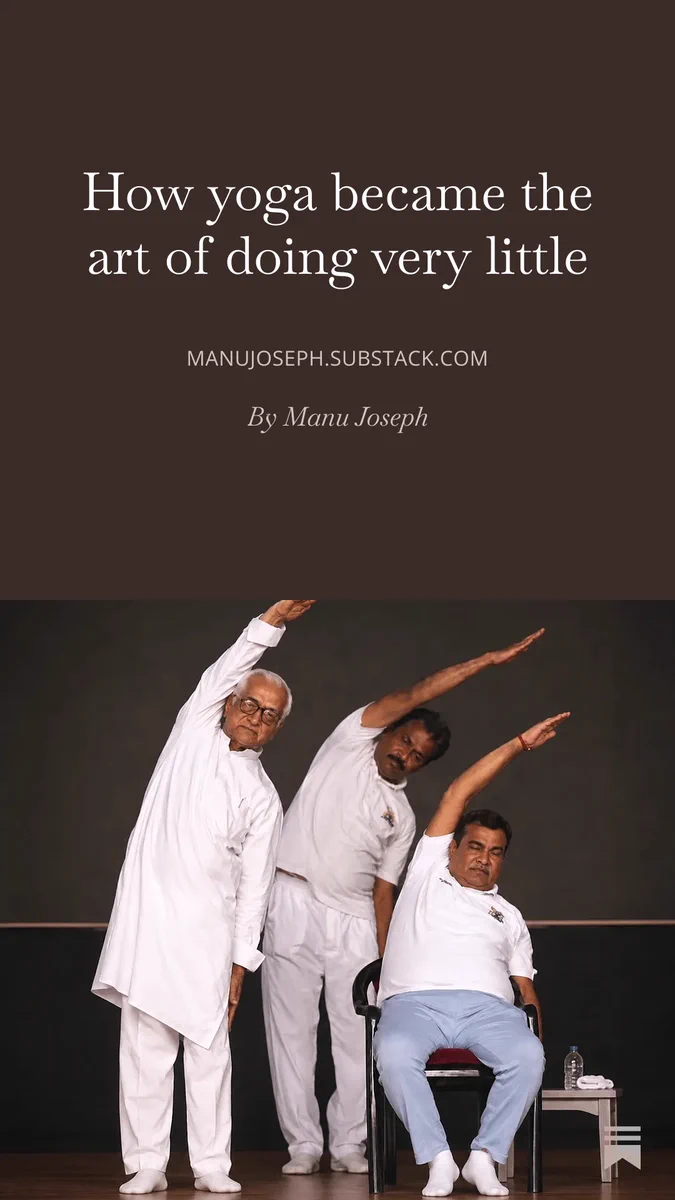
Manu Joseph’s July 19 critique of modern yoga as mostly mild breathing and stretching reopened a blunt question in the yoga world: does it count as real exercise, or mostly as a light supplement to it? His argument, that India sets the bar too low for yoga to stand in for training, landed alongside a public-health record that treats movement as a much bigger problem than a single mat session can solve.
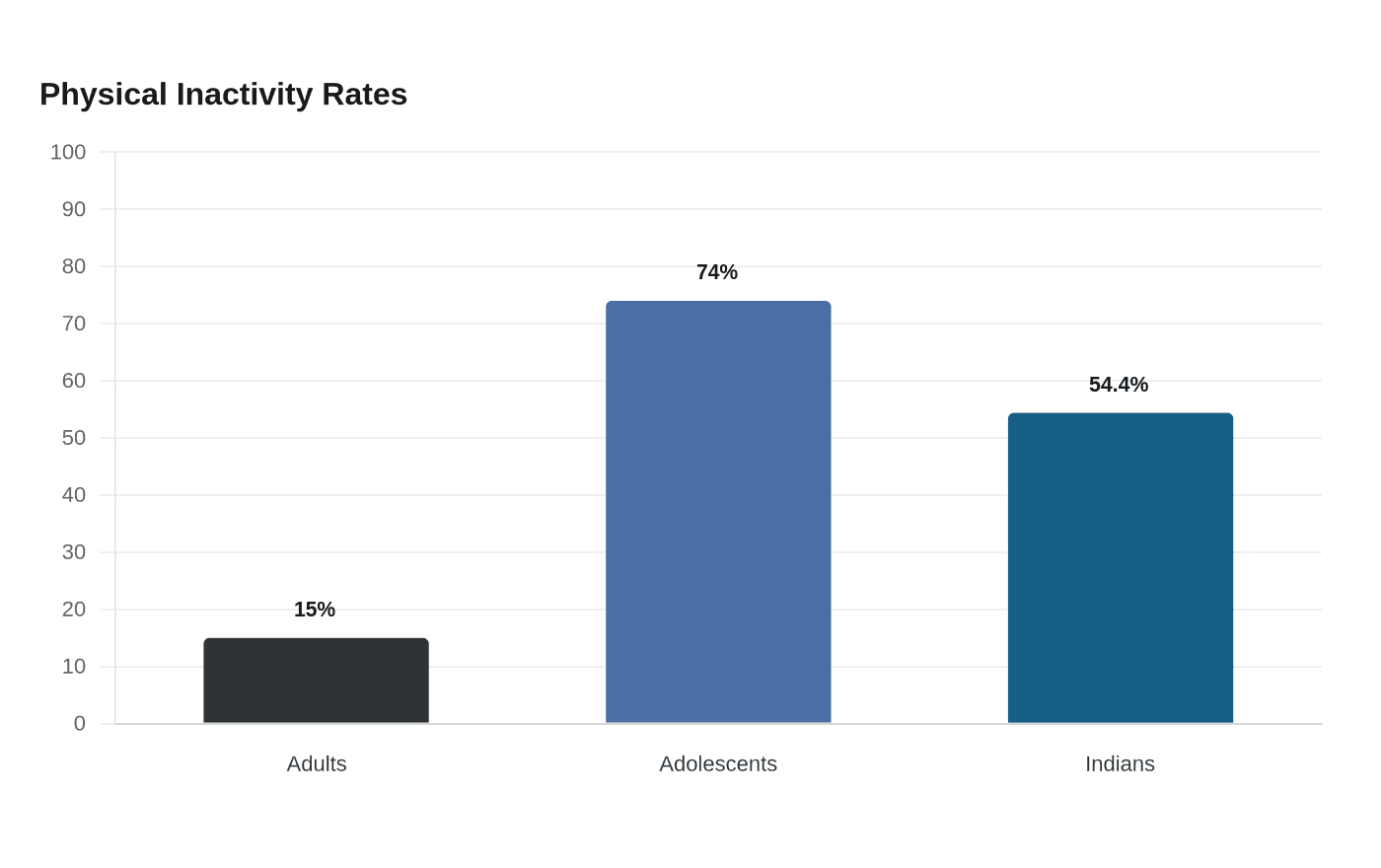
The World Health Organization has been clear about the stakes. In India’s physical-activity factsheet, the agency says regular physical activity helps prevent and treat heart disease, stroke, diabetes, hypertension, overweight and obesity, and can improve mental health, quality of life and well-being. A regional roadmap for South-East Asia puts the inactivity problem in sharper focus, saying adult physical inactivity is around 15% and can reach 74% among adolescents.
That gap matters because the yoga debate in India is not happening in a vacuum. A descriptive review on yoga and the country’s physical-activity guideline found that about 54.4% of Indians are physically inactive, while fewer than 10% engage in recreational activities. Another review on whether yoga can meet India’s physical-activity guidelines points to the national recommendation for healthy Asian Indians: 60 minutes of physical activity every day. Against that benchmark, a gentle yoga practice can help people move more, but it does not automatically satisfy the daily volume public-health planners are trying to push.
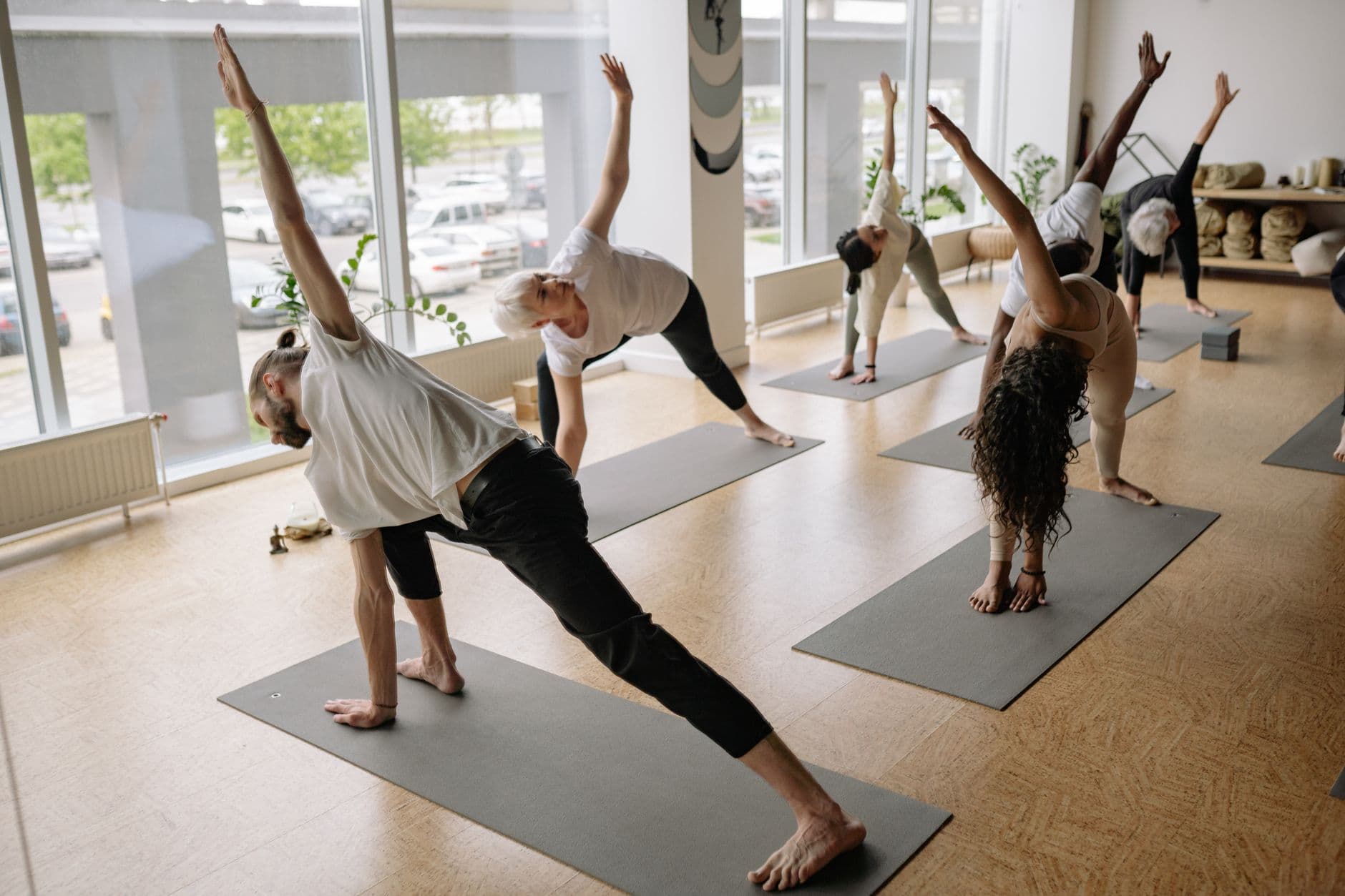
WHO has not pushed yoga out of that conversation. The agency says yoga is a valuable tool to increase physical activity and decrease noncommunicable disease, and it has a page titled Yoga for healthy ageing: global practice and clinical evidence. Its South-East Asia pages have also carried International Day of Yoga coverage for 2025 and 2026, which puts the practice squarely inside official health policy, not just studio culture.
That is why Joseph’s criticism drew attention on July 19. The sharpest version of the criticism is fair when yoga is sold as enough on its own: for many people, it is not a substitute for the cardio, strength work and daily activity that public-health guidance is built around. The harder truth is that yoga still has a place, just not the entire one some marketing copy gives it.
This article was produced by Prism’s automated news system from verified source data, official records, and press releases, then run through automated quality and moderation checks before publishing. The system is built and supervised by the people who set the standards it runs under. Read our full AI policy.
Did this article answer your question?