New review finds yoga may ease multiple PCOS symptoms
A new review says yoga may help PCOS across stress, cycles, and metabolic markers, but the evidence is still small and uneven.

What the review actually found
Yoga is looking less like a wellness cliché and more like a serious adjunct for PCOS. In a systematic review in *Frontiers in Reproductive Health*, researchers led by Rohit Gautam and colleagues treated polycystic ovary syndrome as the metabolic and reproductive disorder it is, not just a fertility issue, and asked a simple question: can structured yoga help across more than one symptom at a time?
They searched PubMed, Web of Science, and Scopus on January 17, 2025, screened 303 studies, and ended up with 9 randomized controlled trials. Four of those trials came from the same research group, so they were treated as a single study in the analysis. That matters, because it keeps the evidence base from looking bigger than it really is. It also explains why the review stayed cautious: the interventions, durations, and outcomes were too different for a meta-analysis.
What kind of yoga was studied
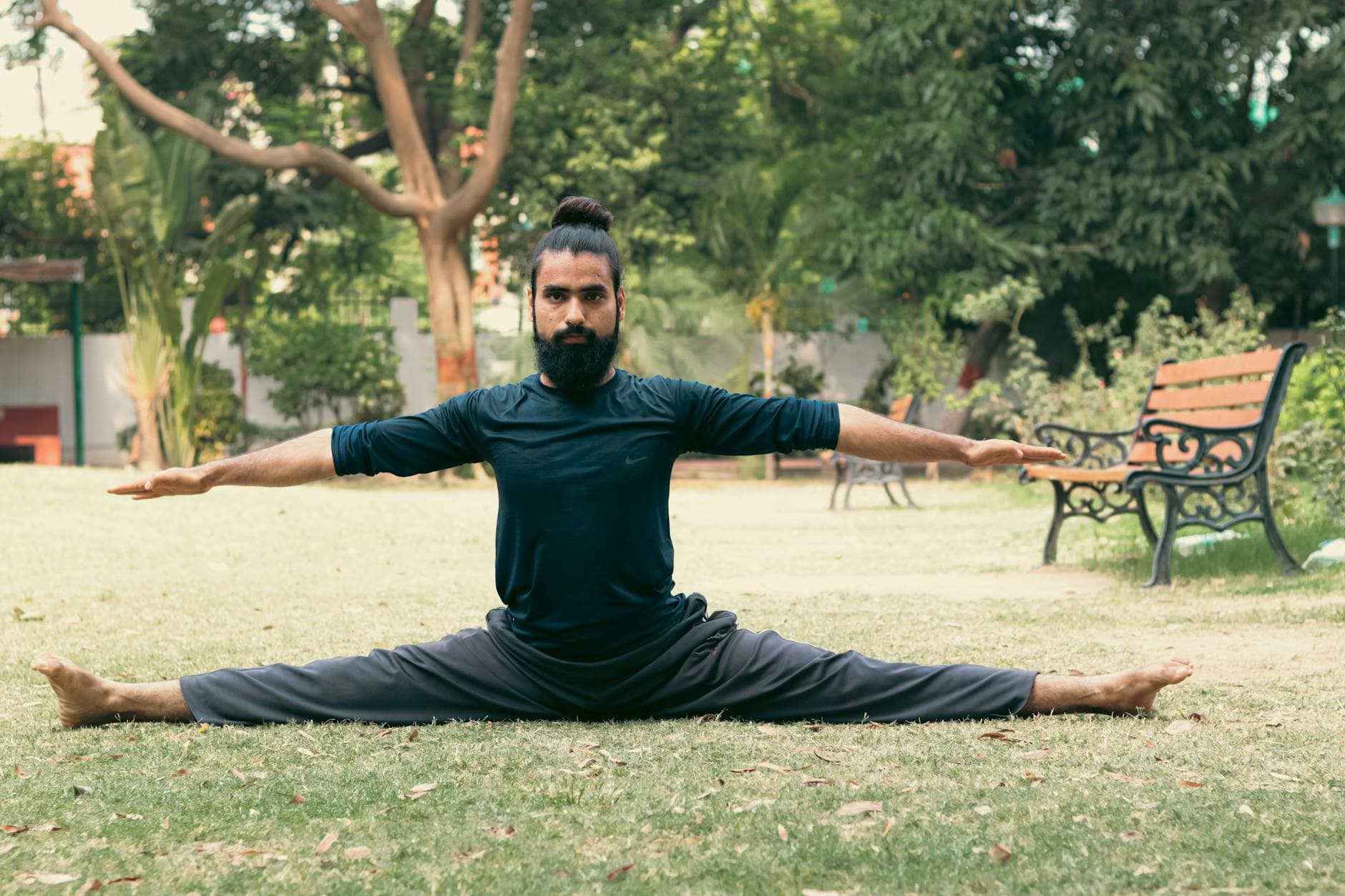
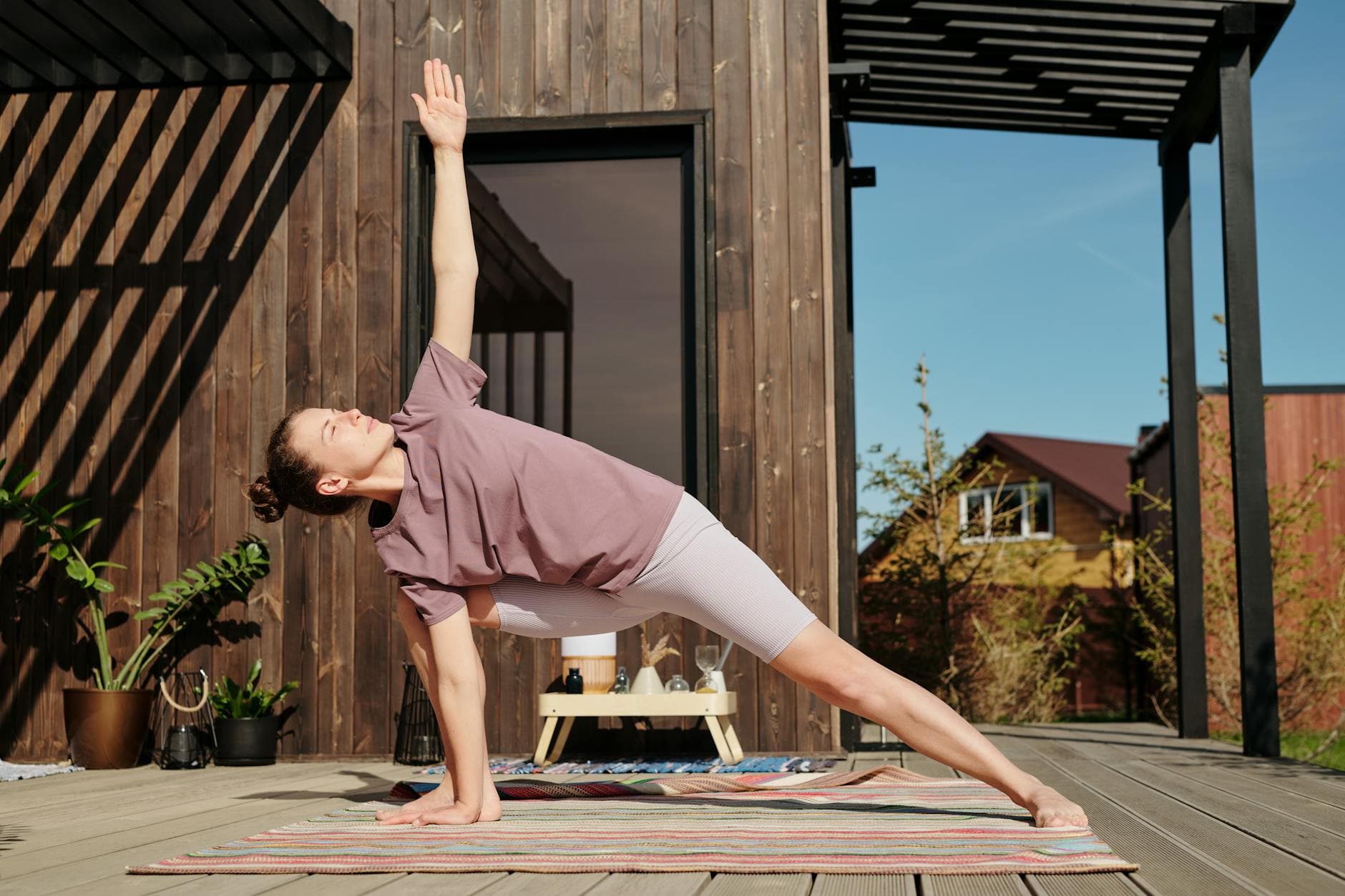
This was not a loose “do some stretching and breathe” situation. The review says the interventions included asanas and pranayama, plus meditation and mindfulness-based programs. The practical takeaway is that the research is pointing at structured, repeatable practice, not a one-off restorative class or a vague “yoga lifestyle” label.
The studies also varied enough in length and design that the reviewers could not collapse them into one clean pooled result. That is a useful warning for anyone trying to read too much into a single headline. If a yoga story does not tell you what style was used, how often people practiced, and how long the program ran, it is not telling you much at all. This review does at least tell you the signal came from actual interventions that were tracked against real outcomes.
Where the signal looked strongest
Across the included trials, yoga showed improvement in anthropometric, metabolic, endocrine, menstrual, and psychological outcomes. In plain language, that means the pattern was not limited to feeling calmer after class. The review and related reporting point to possible gains in stress, mood, body weight, blood sugar, cholesterol, androgen levels, AMH, and menstrual regularity.
That breadth is what makes the story worth paying attention to. PCOS does not show up as one isolated problem, and the review suggests yoga may touch several of the same systems at once. Meditation and mindfulness-based approaches appeared to lean more heavily toward stress, anxiety, depression, body image, and quality of life, while movement-based yoga practices such as asanas and pranayama were tied to the wider metabolic and hormonal picture.
Still, “may improve” is the right phrase here. The evidence is promising, but the studies were small, and the review does not prove that yoga alone caused every improvement it observed. For readers who want certainty, that is the hard truth.
Why this matters for PCOS care
PCOS is common, and the numbers are not trivial. The World Health Organization estimates it affects 10 to 13 percent of women of reproductive age, while the Endocrine Society puts the figure at 7 to 10 percent of women of childbearing age and calls it the most common cause of infertility in that group. Symptoms can include irregular periods, abnormal ovulation, infertility, excess facial or body hair, acne, and broader metabolic dysfunction.
That is exactly why yoga is getting traction in this conversation. Conventional care often leans on pharmacological symptom management, and those medications can come with adverse effects. A structured yoga practice is not a substitute for medical care, but it may be a useful complementary tool when the goal is to improve more than one thing at once. It is also a better fit for the way modern PCOS care is moving: less single-symptom treatment, more shared decision-making and long-term management.
The 2023 *International Evidence-based Guideline for the Assessment and Management of Polycystic Ovary Syndrome* reflects that broader approach. It includes 254 recommendations and practice points, built with multidisciplinary experts, women with PCOS, and consumer organizations. Yoga fits into that world as an add-on that may support lifestyle and metabolic care, not as a standalone cure.
What earlier reviews already hinted at
This is not the first time yoga has looked interesting in PCOS. A 2021 systematic review and meta-analysis found yoga therapy may significantly reduce menstrual irregularity, clinical hyperandrogenism, fasting blood glucose, fasting insulin, and HOMA-IR. But the authors also judged the evidence to be low strength, which is the part people tend to skip when they want a clean headline.
That earlier review included 11 experimental studies and 515 participants, though only 2 randomized controlled trials were eligible for meta-analysis. So the pattern has been there for a while: yoga keeps showing up with potentially helpful effects on cycles, hormones, and insulin-related markers, but the research quality has not yet caught up with the enthusiasm. The new Frontiers review strengthens the case that something real may be happening, while also reminding everyone that the evidence base is still compact and inconsistent.
Where the field is headed next
The live research thread matters here, too. ClinicalTrials.gov lists a completed randomized trial in Pakistan testing hatha yoga with and without Zumba in females with PCOS, updated January 23, 2026. That kind of study tells you where the conversation is going: not just whether yoga can reduce stress, but whether it can be built into more structured exercise plans for weight and symptom management.
For now, the most honest read is also the most useful one. If you have PCOS, yoga is worth viewing as a complementary practice that may help with cycles, metabolic markers, mood, and stress, especially when it is consistent and part of standard care. The review does not turn yoga into a cure, but it does make the case that a well-designed practice deserves a place beside medication, diet, and other established treatment choices.
Know something we missed? Have a correction or additional information?
Submit a Tip