Paris conference asks who gets to define authentic yoga in 2026
In Paris, scholars spent three days testing who gets to call a class “real yoga,” from the Hahapradīpikā to hot-yoga hybrids and 200-hour trainings.
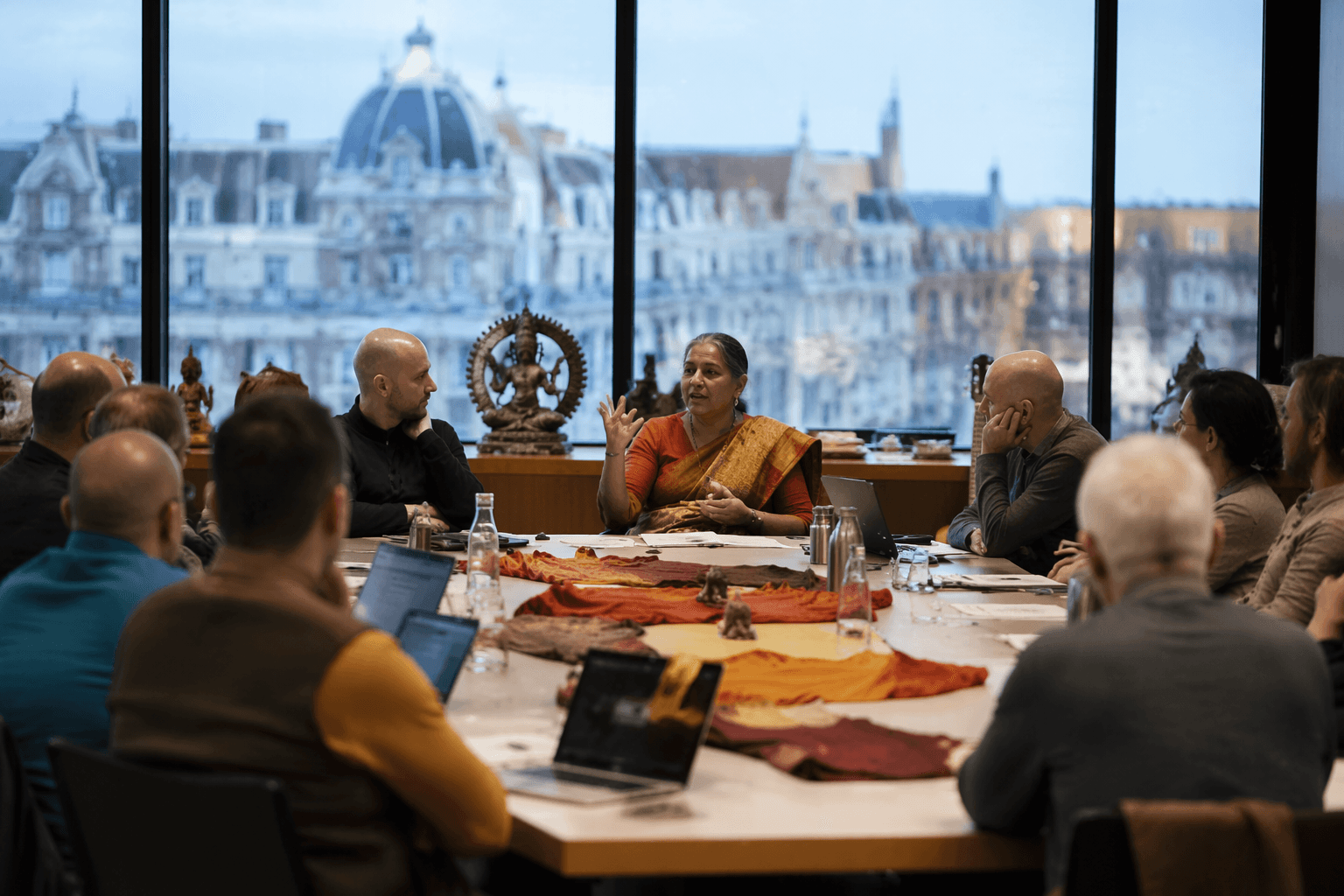
The fight over authentic yoga was not abstract in Paris. At the 4th International Yoga Darśana Yoga Sādhana conference, scholars spent May 27 to May 29 at EHESS’s Campus Condorcet in Aubervilliers arguing over a question that lands far beyond the seminar room: when a studio calls something yoga in 2026, what is it actually promising?
The conference opened Wednesday at 1:00 p.m. and closed Friday at 6:00 p.m. under the theme “Authenticity, Authority, Adaptation.” Suzanne Newcombe, Raphaël Voix, Ruth Westboy, Amandine Wattelier-Bricout and Theo Wildcroft handled the opening remarks, setting up a gathering that treated yoga not as a fixed inheritance but as a living, contested field. Dominic Goodall delivered the first plenary keynote on kualinī in seventh-century Śaivasiddhānta scriptures, a reminder that the conference began with textual depth before moving into the messier present.
That present was everywhere in the agenda. Sessions covered critical editions of the Hahapradīpikā, institutional abuse, bodies and care, localization of yoga in France, products and pedagogies, adverse yoga experiences, yoga in contemporary India and the history of twentieth-century yoga. The program also included a book launch for Mark Singleton’s Yoga Machine: Technology, Transhumanism and Transcendence, plus a performance session and a film and book launch on the Yoga of Koraaka. The range made the conference feel less like a narrow history meeting than a live audit of the ideas, brands and classroom habits that now shape what students meet in studios, retreats and online classes.
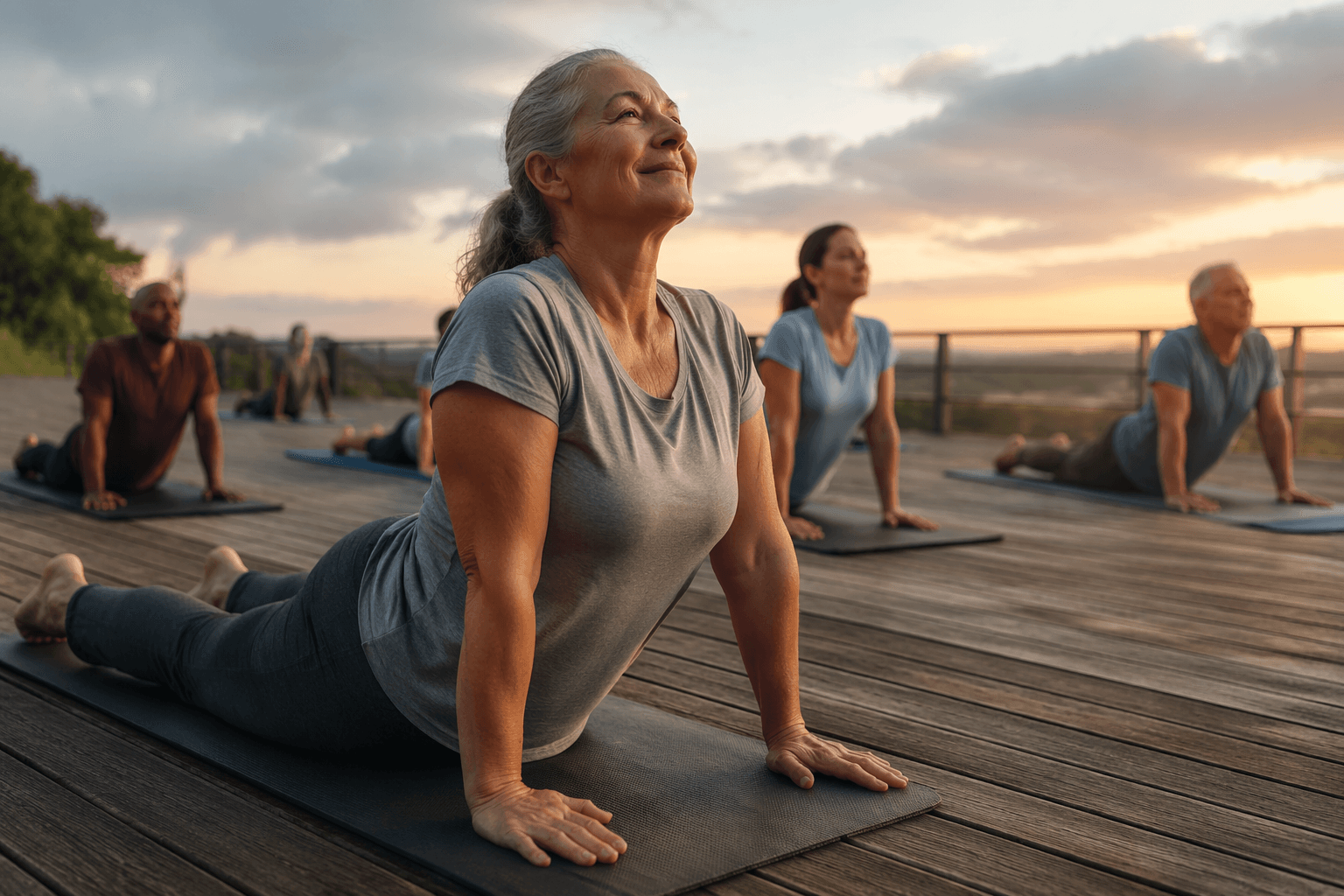
That is why the Paris debate matters to everyday practitioners. A philosophy-led class usually signals itself through textual references, lineage talk and an emphasis on ideas such as haha yoga or kualinī; a fitness-first class tends to foreground sweat, mobility and conditioning; the modern hybrid often blends anatomy, ethics and branded sequencing while still claiming ancient roots. Those distinctions now matter in a market where Yoga Alliance calls the 200-hour RYT program the foundational teacher credential, and where its 2022 Yoga in the World study drew data from 10 countries. In the United States, Yoga Alliance says there are 36.7 million yoga practitioners, up from 20.4 million in 2012, with $16 billion spent on classes, gear and accessories.
The YDYS series has been circling these questions for years, with earlier meetings in Kraków in 2016 and 2022 and in Hamburg in 2024, where organizers said roughly 100 scholars gathered. Paris pushed that conversation into sharper relief. If a class markets itself as authentic, the practical test now is simple: look for whether it leads with scripture, with fitness, or with a deliberate mix of the two, because that choice shapes everything from teacher training to the way a student leaves the mat.
This article was produced by Prism’s automated news system from verified source data, official records, and press releases, then run through automated quality and moderation checks before publishing. The system is built and supervised by the people who set the standards it runs under. Read our full AI policy.
Know something we missed? Have a correction or additional information?
Submit a Tip