Yoga eases stress for parents in neonatal intensive care units
A six-week online yoga program helped NICU parents bring stress down by the three-week mark, even when classes had to fit into 10-minute stretches at bedside.
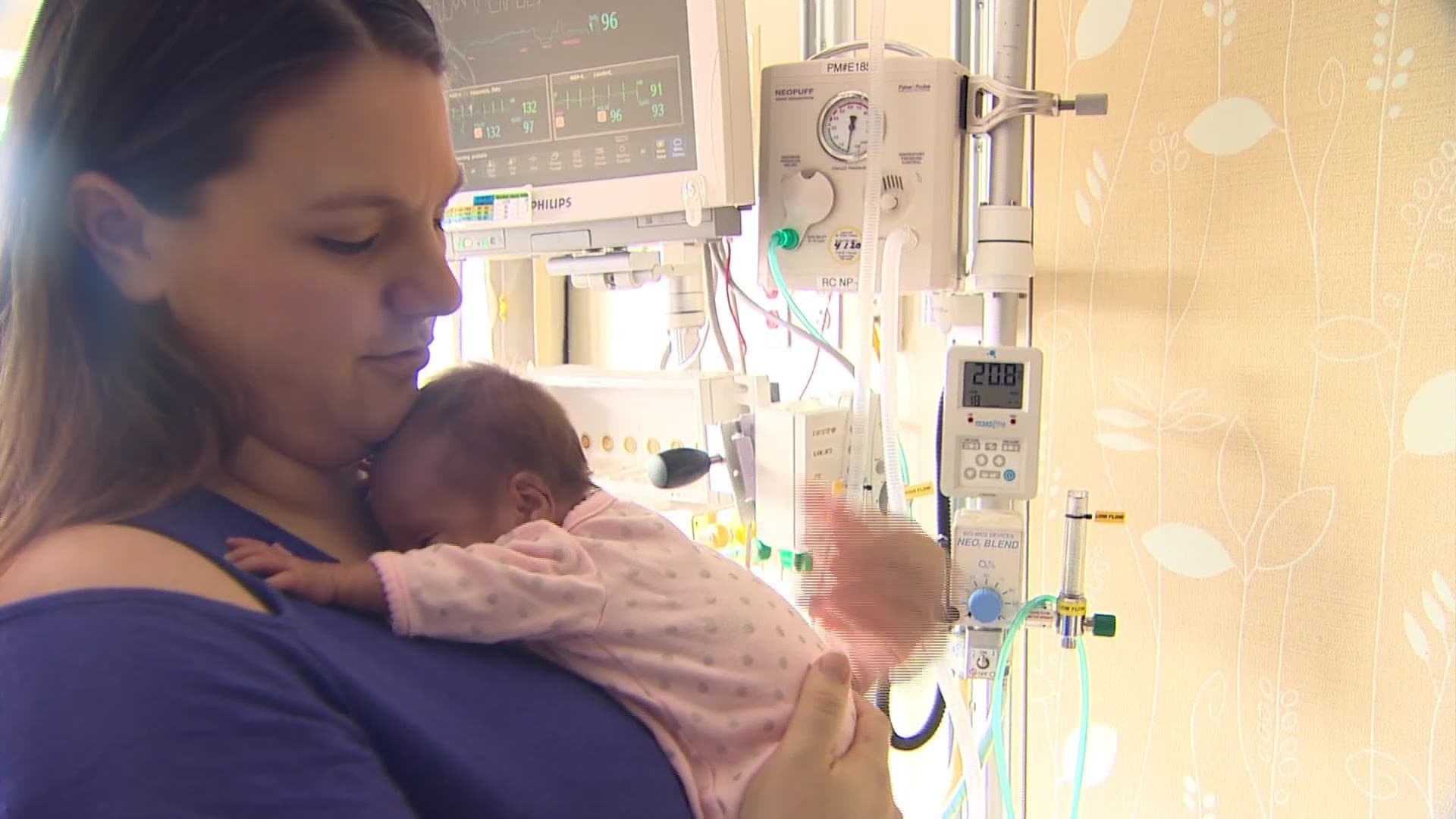
NICU parents do not need another wellness slogan. They need something they can actually do between alarms, rounds and the hard waiting that comes with a critically ill infant. A new pilot trial from Seattle suggested that short, self-directed yoga sessions may fit that reality, with stress scores improving by the three-week mark and staying lower through six weeks.
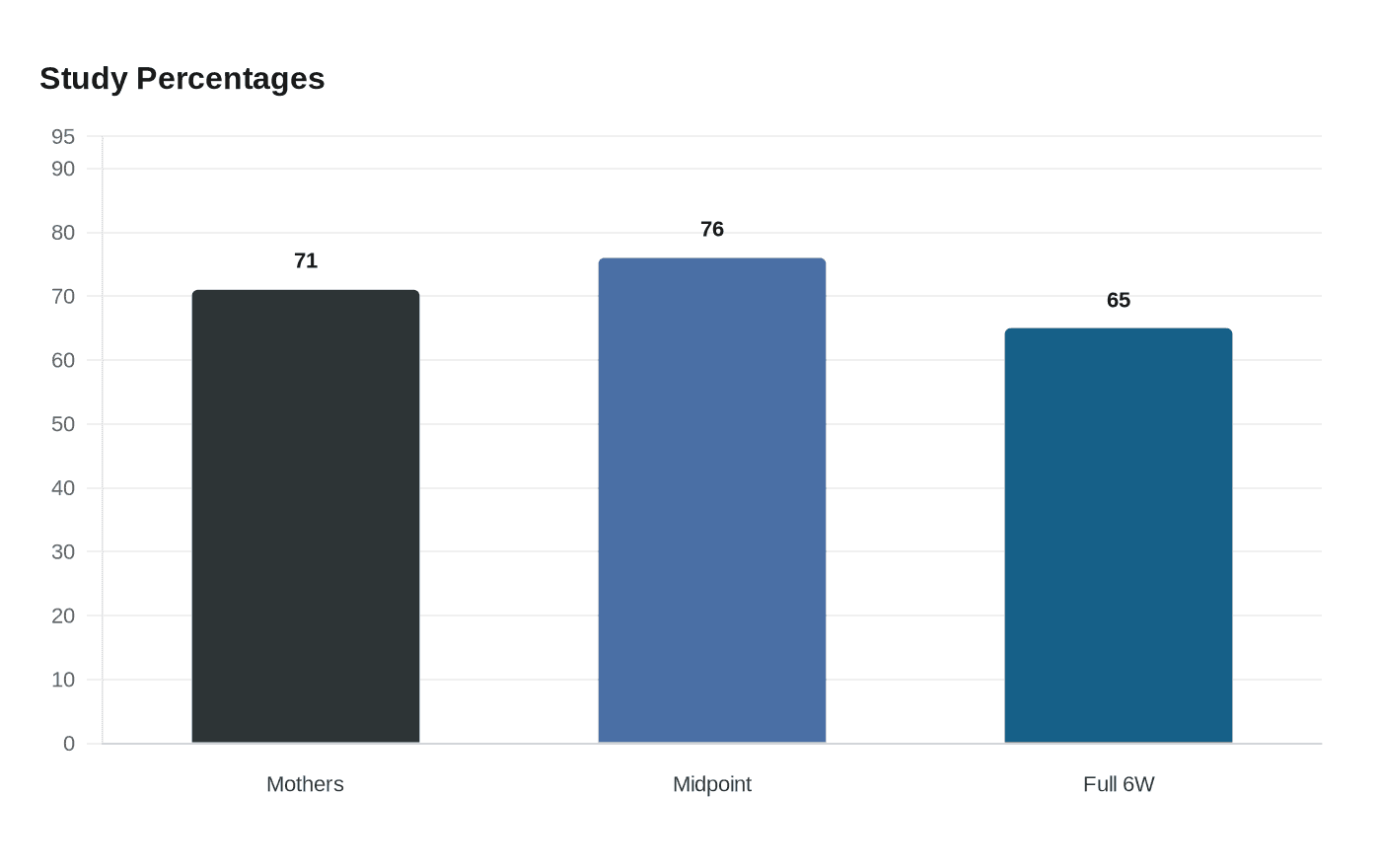
The study enrolled 51 parents whose infants had been hospitalized within 14 days at the University of Washington Medical Center NICU and Seattle Children’s Hospital NICU. Twenty-three parents were assigned to yoga and 28 to usual psychosocial care. Seventy-one percent of participants were mothers. The trial ran from October 2021 to October 2023 and was registered as NCT05322161, Yoga in the NICU for Parents, or YiN.
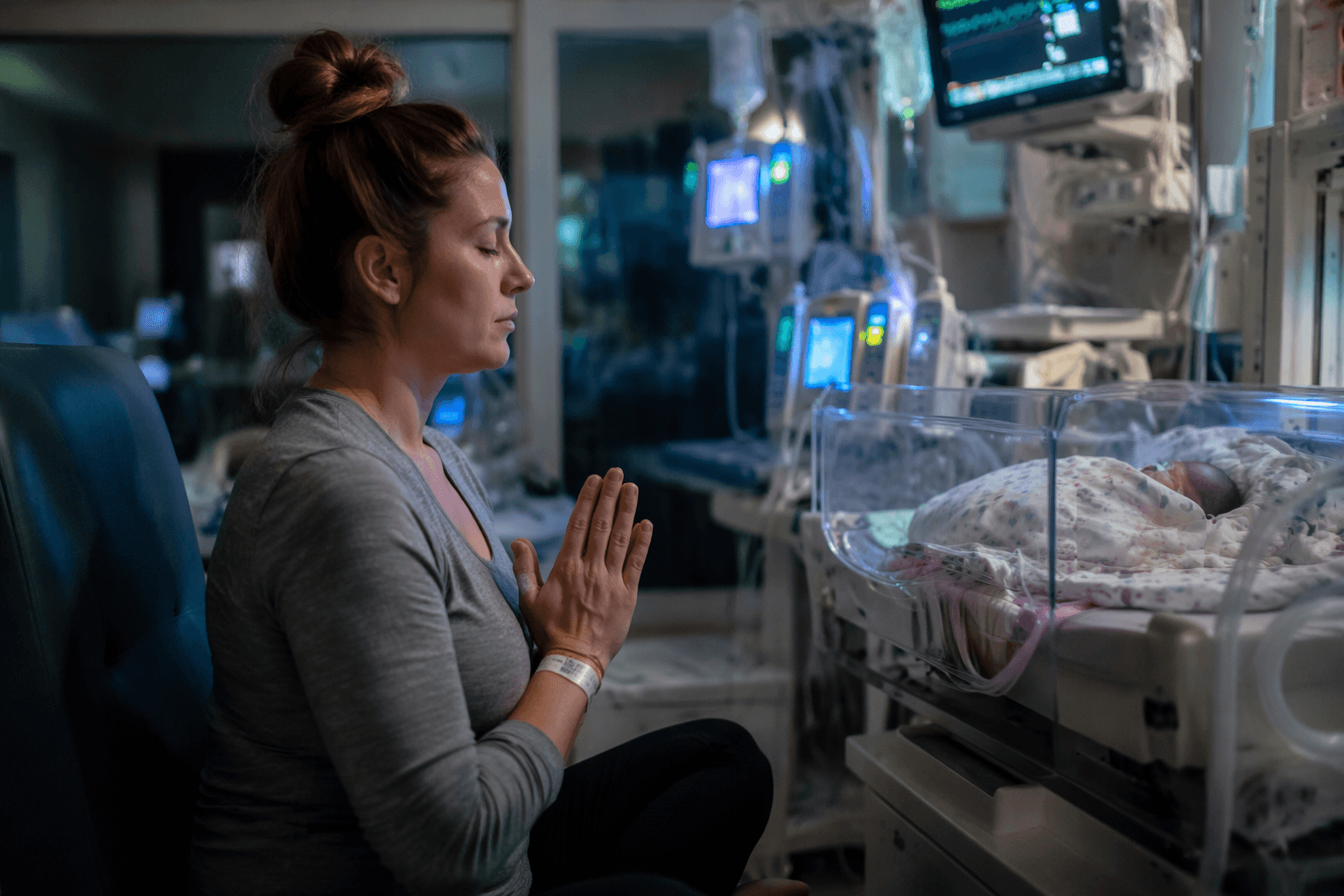
The intervention was intentionally spare. Parents used an online platform for a six-week program built around yogic breathing, seated meditation and gentle postures. The sessions were designed to work in 10- or 15-minute chunks, whether at the bedside, in a parents’ lounge or back at home. That mattered in a setting where fixed class times can be unrealistic and emotional bandwidth is already thin. By the midpoint of the study, 76 percent of the yoga group had completed the classes, and 65 percent finished the full six weeks.
Researchers measured primary outcomes with the Parental Stressor Scale: NICU and the Postpartum Bonding Questionnaire, offered in English and Spanish. Stress dropped significantly across all subscales of the PSS:NICU, the long-used tool first developed in the early 1990s to capture the strain of the NICU environment. On the bonding measure, neither the yoga group nor usual-care group approached thresholds suggesting a disorder in the parent-infant relationship.
That caution matters. The trial was a pilot, not a final answer, and the sample was small. But it still points to a practical model for hospitals looking for low-cost support that does not depend on a parent making it to a studio across town. Reviews have shown that NICU parents face elevated risks of anxiety, depression and post-traumatic stress, and those symptoms can shape bonding and the rest of the hospital experience.
UW Pediatrics listed the paper as a March 2026 neonatology publication and named Sarah Neches, Mihai Puia-Dumitrescu, Krystle Perez, Dennis Mayock and Sunny Juul among the authors. The next step is obvious: hospitals, instructors and family-support teams need to decide whether a short, online yoga option can be built into routine NICU care, with the flexibility to meet parents where they already are.
This article was produced by Prism’s automated news system from verified source data, official records, and press releases, then run through automated quality and moderation checks before publishing. The system is built and supervised by the people who set the standards it runs under. Read our full AI policy.
Know something we missed? Have a correction or additional information?
Submit a Tip