Redwood City puppy yoga draws beginners, attention and animal welfare concerns
Redwood City’s corgi puppy yoga is part class, part crowd-pleaser, and part stress test for where wellness ends and entertainment begins.
What the Redwood City class really sells
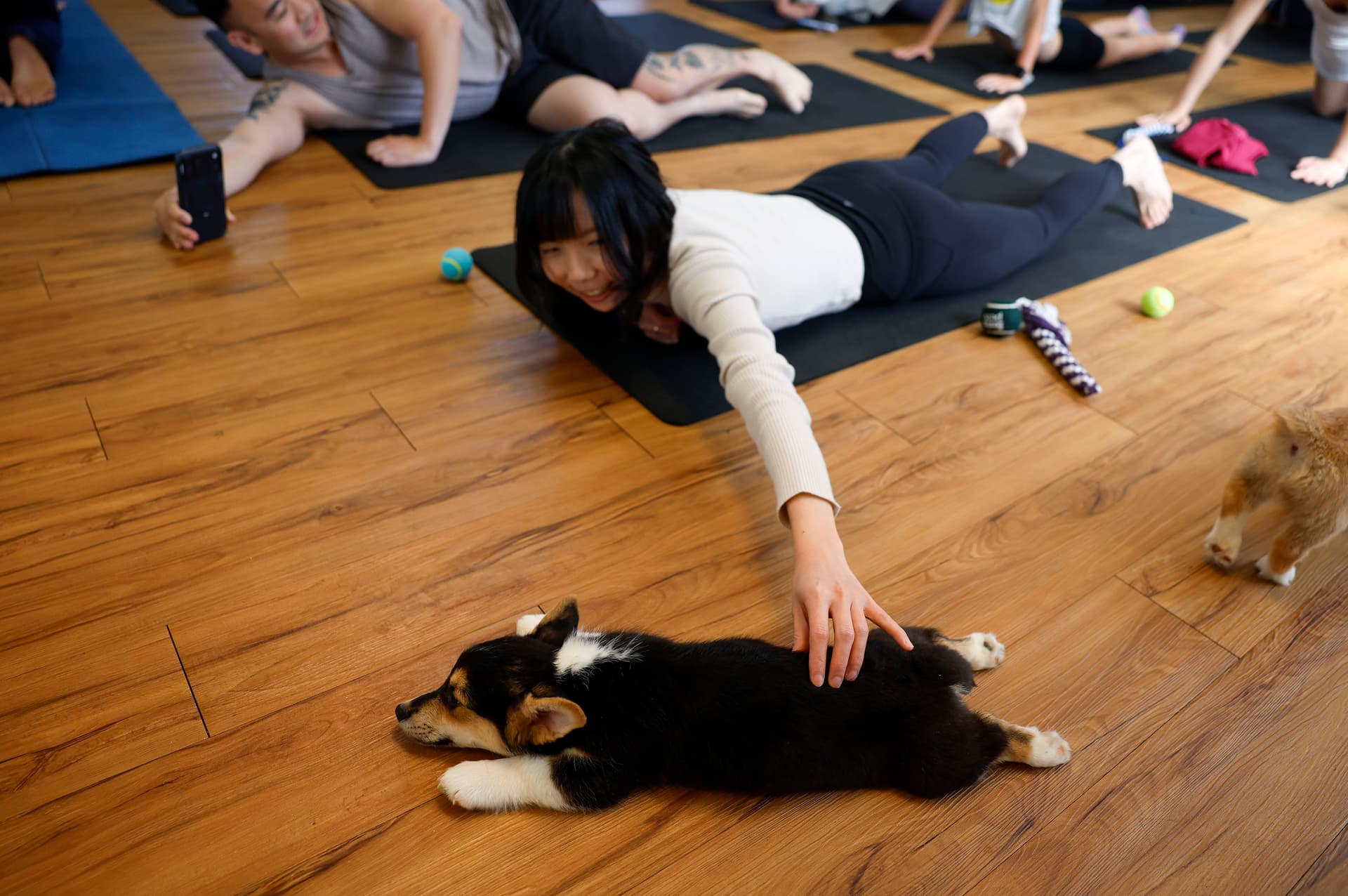
In a Redwood City strip mall, a room full of tiny corgi puppies turns yoga into something looser, louder, and harder to ignore. Instructor Angela Descalso leads the class through poses while the pups wander across mats, interrupt the flow, and leave the kind of comic mess you only get from very young dogs that are not housebroken.
That is the whole point, and also the tension. Puppy yoga works because it gives people a soft landing into a yoga space, especially beginners who might freeze up in a more serious studio. It also packages movement, breath, and stress relief inside a format that is easy to photograph, easy to share, and easy to sell as a social experience rather than a pure practice.
Why people keep showing up
The appeal is broader than the puppies themselves, even if the puppies are the hook. A class like this lowers the intimidation factor that keeps plenty of people away from traditional studios. If you are new, unsure of alignment, or just not ready for a room full of silent intensity, a puppy yoga session feels less like a test and more like permission to participate.
That is a big reason the format keeps booming. It fits neatly into the modern wellness lane while also borrowing from pet culture and social media culture. You get the familiar bones of a yoga class, then the extras that make people want to text a friend, take a photo, or book the next session before they even leave the strip mall.
How the Redwood City version is packaged
The commercial version of puppy yoga is no longer just a novelty pop-up. Puppy Paws Yoga, for example, sells Redwood City sessions as a 75-minute experience, with 45 minutes of gentle yoga followed by 30 minutes of puppy cuddle time. The listed ticket price is $59, which tells you a lot about the format: this is a curated recreational product, not an improvised gag.
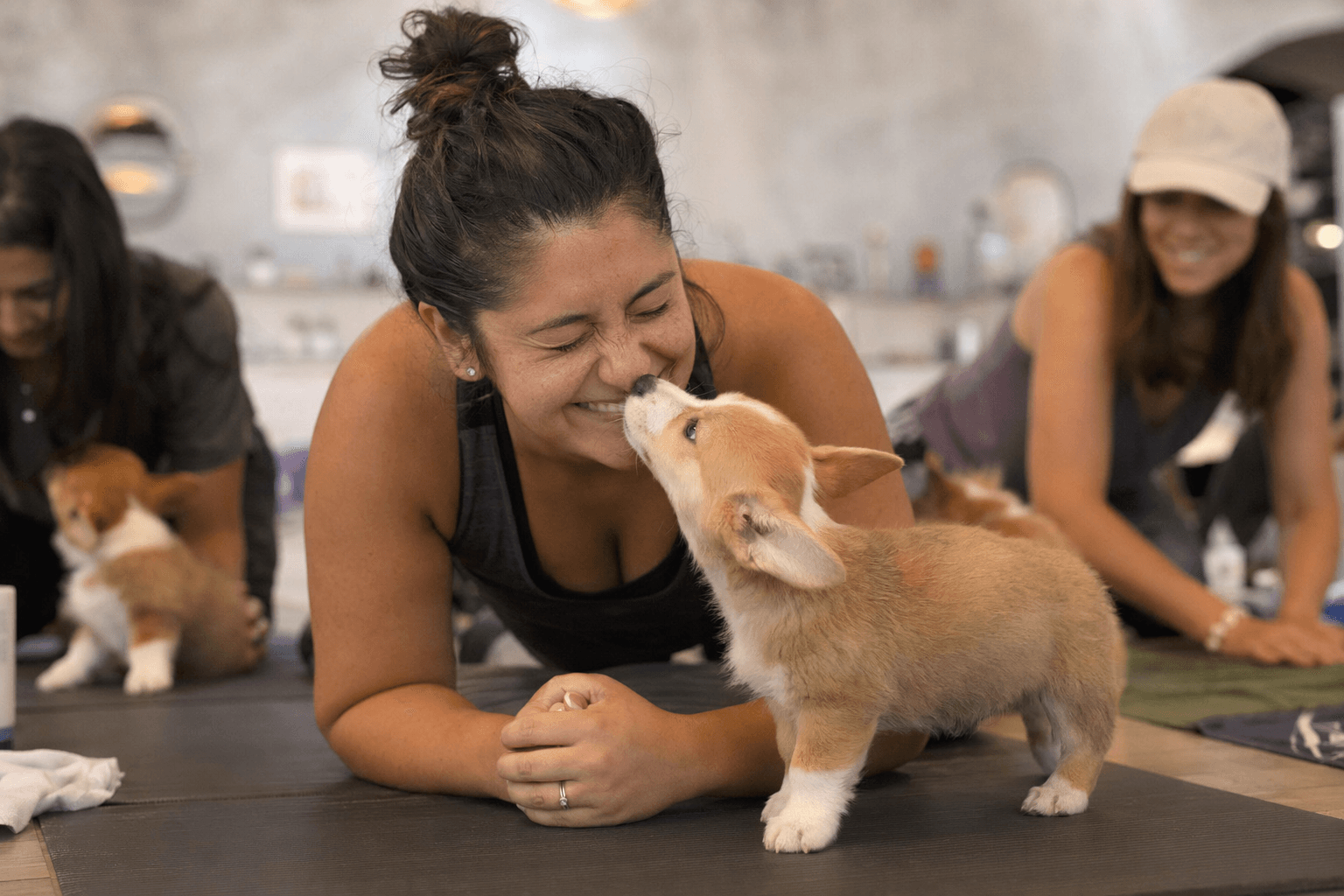
That split matters. When 45 minutes are devoted to gentle yoga and 30 minutes are reserved for cuddling, the class is openly admitting that the puppies are not a side note. They are part of the structure, part of the value proposition, and part of why people pay. In practice, the yoga becomes the container for the experience, while the dogs become the reason the class stands out.
Why the format keeps drawing scrutiny
Puppy yoga is not new. In some form, it has been around since at least 2002, and the criticism around it has been around almost as long. The basic concern is simple: the same things that make the class adorable, close contact, constant handling, and a nonstop stream of human attention, can also be stressful for young animals.
That is where the welfare questions get serious. RSPCA Australia says the claim that these classes socialize animals is generally widespread and inaccurate. The organization’s point is that young dogs need safe, controlled exposure, not a room full of strangers handling them on demand. That distinction is the whole argument in miniature: socialization is not the same thing as saturation.
The worst-case version of the trend
The most troubling reports go beyond theory. The Conversation reported allegations from a UK investigation that puppies as young as six weeks old were denied sleep and water in some puppy yoga sessions. It also described classes held in hot rooms for hours, with no opportunity for the puppies to opt out of interactions.
Those details matter because they show how quickly a feel-good format can drift into something much more extractive. If the class depends on puppies staying awake, staying available, and staying in the center of human attention, then the welfare issue is not peripheral. It is built into the business model.
Where yoga ends and entertainment begins
That is what makes the Redwood City class such a clean test case. On one side, you have yoga’s familiar promise: movement, breath, a little decompression, and a chance to walk out feeling less wound up than when you walked in. On the other side, you have a room designed around novelty, cute chaos, and shareable content.
The line between the two is not always sharp, but puppy yoga makes it visible. For some participants, the yoga may be the entry point and the puppies the reward. For others, the puppies are the whole draw, and the yoga is just the excuse that makes the event feel acceptable as wellness. Either way, the format keeps thriving because it meets people where they already are: curious, stressed, and willing to pay for an experience that feels lighter than a standard class.
How to approach a puppy yoga class with clear eyes
If you are considering one of these sessions, the practical move is to treat it as both a wellness class and a staged animal-interaction event. The yoga may be gentle, beginner-friendly, and useful, but the dogs are not a decorative add-on. They are the center of gravity.
A few things are worth keeping in mind:
- A class that advertises cuddles, like the 45-minute yoga plus 30-minute puppy time model, is selling interaction first and alignment second.
- A low-pressure vibe can be great for beginners, but it does not automatically make the setup good for the animals.
- The cutest classes can also be the ones most likely to push puppies into overstimulation if the format is not tightly managed.
The Redwood City corgi class captures why puppy yoga still travels so well: it is funny, accessible, and emotionally sticky. It also shows why the format keeps getting examined so closely. The more the room feels like a party, the more important it becomes to ask whether the puppies are being hosted, or merely used to keep the crowd smiling.
This article was produced by Prism’s automated news system from verified source data, official records, and press releases, then run through automated quality and moderation checks before publishing. The system is built and supervised by the people who set the standards it runs under. Read our full AI policy.
Did this article answer your question?