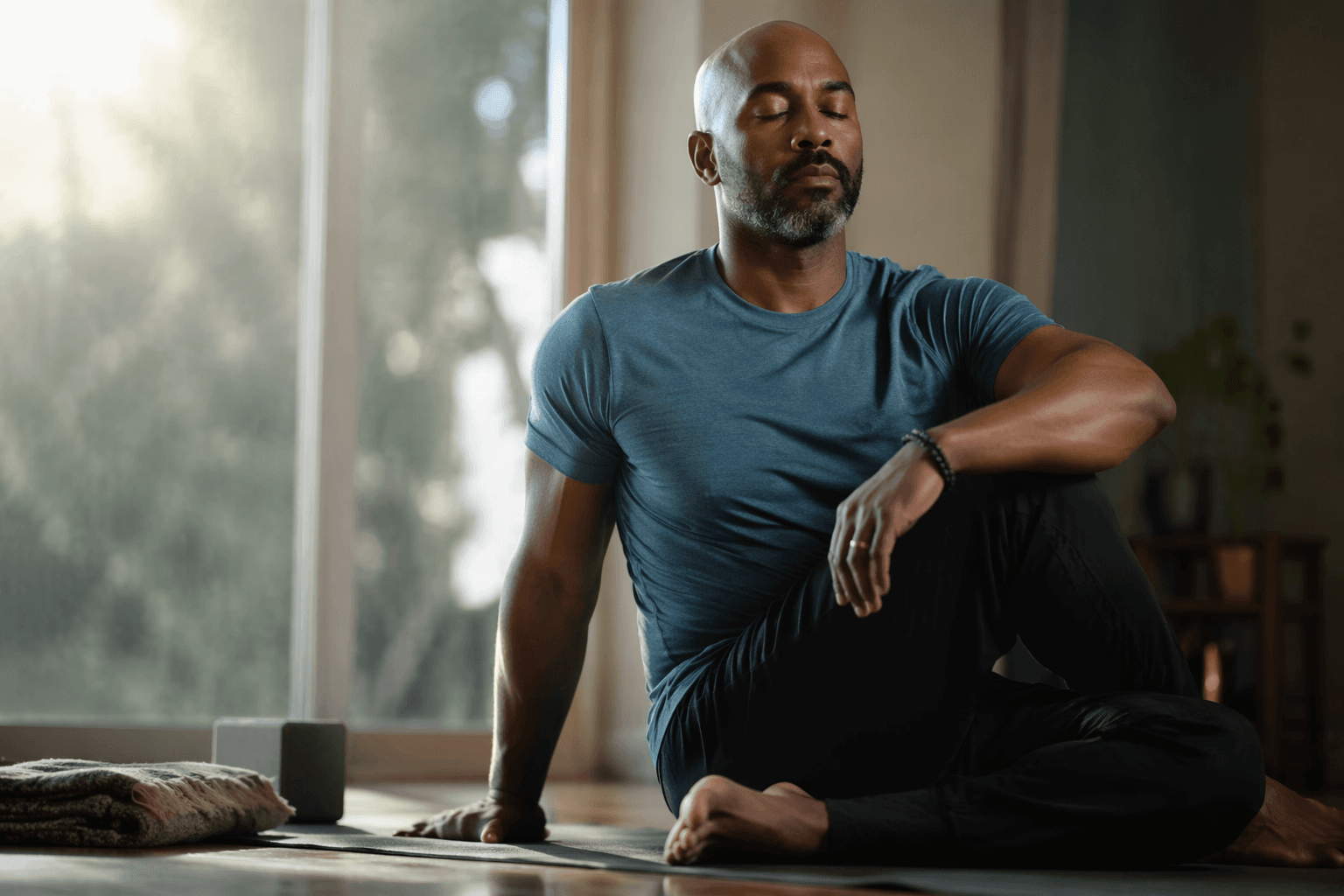
Study Suggests Early Morning Yoga Matches Nature Walks for Wellness
A quick morning flow can match a walk on effort and some wellbeing metrics, but the nature boost is still its own advantage. The science supports overlap, not a perfect swap.
What the viral claim really taps into
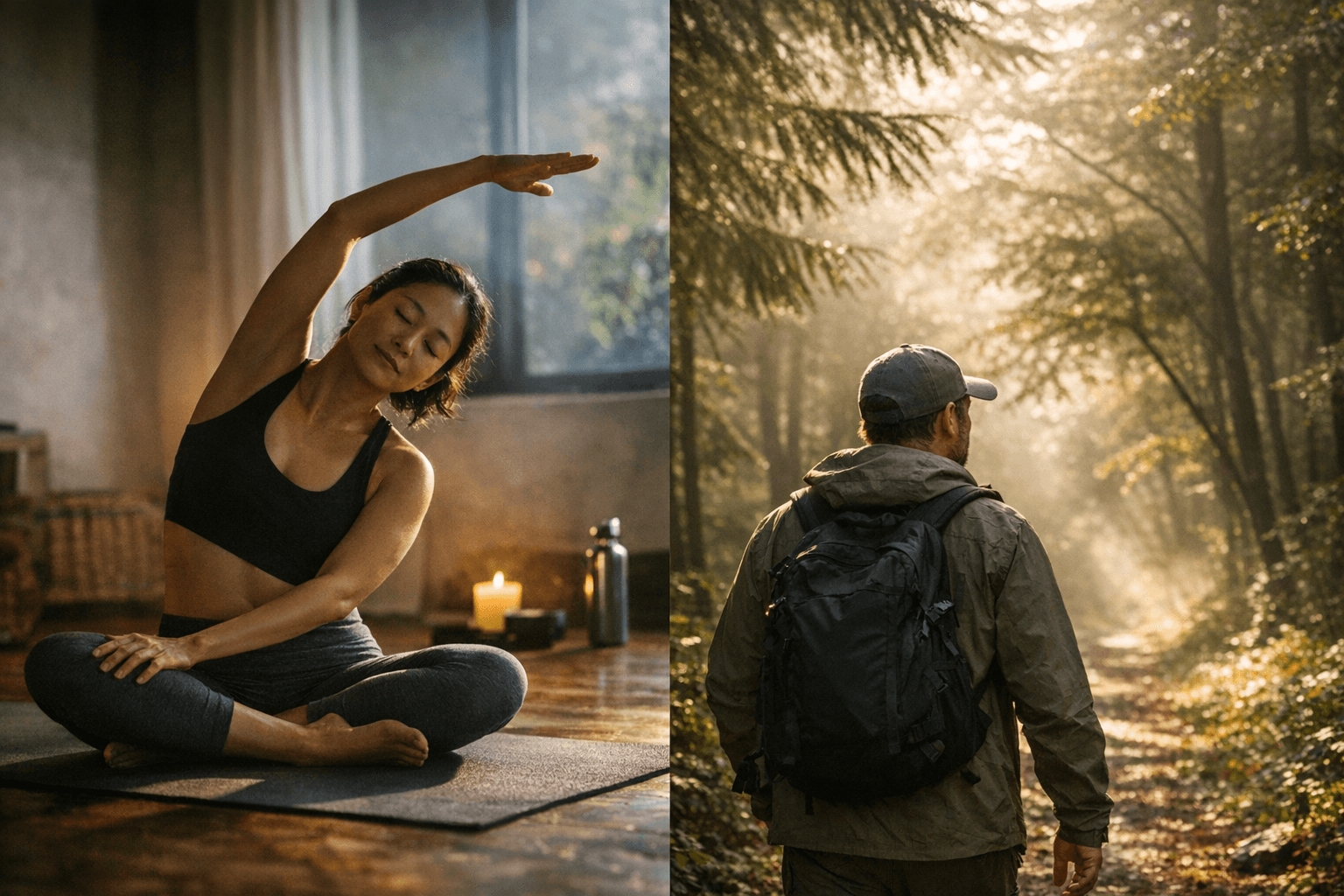
The viral pitch is simple: roll out a mat before work and you may get the same wellness payoff as a walk in the trees. That idea has raced around social feeds with more than 1,600 likes and 50-plus reposts because it speaks to the same thing most of us are chasing at 7 a.m., a useful habit that does not eat the whole morning.
What the evidence actually supports is a little narrower, and more interesting. The yoga studies are mostly about how tempo and style change metabolic and cardiorespiratory demand, while the nature-walk studies are about mood, anxiety, depression, and broader well-being outdoors. So the real question is not whether yoga and a nature walk are identical, but which outcomes overlap and which do not.
What yoga can legitimately match
Tempo matters more than the label on the mat
A 2019 study compared moderate-intensity walking with Surya Namaskar performed at different tempos in 10 inactive obese adults with limited prior yoga experience. The takeaway was not that yoga and walking are always the same, but that the pace of yoga changes the metabolic and cardiorespiratory demand. A slower sequence and a quicker one ask very different things of the body.
Another study compared energy expenditure during a 60-minute vinyasa session with two walking protocols in 38 adults. A 2018 study also measured oxygen consumption during Viniyoga and compared it with walking. Put those together and the pattern is hard to miss: yoga is not one fixed intensity, and once the flow speeds up, it can land much closer to walking than many people assume.
Where yoga overlaps with walking
This is where the comparison starts to make real-world sense. Both yoga and walking are low-barrier forms of physical activity, and a 2024 longitudinal randomized controlled trial found that office yoga and walking both improved workplace health and well-being outcomes. For people trying to decide what fits into a packed morning, that is a meaningful overlap.
Yoga also sits inside a much larger research picture than posture alone. A 2021 bibliometric analysis found that yoga research spans many health domains, with especially heavy attention to stress reduction, musculoskeletal pain, cardiovascular and endocrine outcomes, and cancer. That broad footprint explains why yoga keeps showing up in wellness conversations: the practice is being studied as movement, breathwork, and a stress-management tool all at once.
What walking in nature adds that indoor yoga does not
The outdoors is part of the intervention
The strongest nature-walk papers are not just about walking as exercise. A 2024 review defined nature-based interventions as activities in natural settings, such as exercising in greenspaces, that combine nature exposure with healthy behaviors. That nature exposure is the part an indoor yoga session cannot duplicate, even if the sequence is vigorous and well paced.
A 2022 systematic review and meta-analysis concluded that nature walks have been associated with improvements in depression and anxiety symptoms. A 2021 systematic review of physical activity in outdoor environments found benefits in well-being, mood, and physical performance across six eligible studies, though it also said the evidence base was still too small for definitive conclusions. So the outdoor setting appears to matter, but the science still stops short of making sweeping claims.
The overlap is real, but the endpoints are different
This is the subtle point that viral posts tend to flatten. Yoga and nature walking can both lift mood, support stress relief, and deliver a useful dose of physical activity, but they do it through different channels. Yoga research leans toward tempo, oxygen consumption, cardiorespiratory demand, and a long list of health domains; nature-walk research leans toward greenspace, anxiety, depression, and overall well-being.
That is why the claim that morning yoga is equivalent to a morning walk in nature should be treated carefully. The available studies generally compare yoga with walking, or outdoor physical activity with other contexts, rather than testing early morning yoga directly against a nature walk in the same trial.
If you only have 20 minutes before work
If the goal is a short, useful morning dose, the evidence supports a practical split. A brisk Surya Namaskar set or a well-paced vinyasa flow can deliver a meaningful physical challenge, especially when tempo is high enough to raise metabolic demand the way the 2019 and 2018 studies suggest. A walk in nature can be the better pick when your priority is mood, anxiety, or the mental reset that comes from being outside.
- Choose yoga when you want a self-contained practice you can do indoors, without weather, transit, or a route plan.
- Choose a nature walk when you want the added benefit of greenspace and the calmer emotional lift that has shown up in review-level research.
- Choose either when the real win is consistency, because the office trial suggests both can support health and well-being in a low-friction way.
The practical takeaway is refreshingly unglamorous. A 20-minute morning flow can absolutely be worthwhile, and so can a 20-minute walk outside, but they are not interchangeable in every respect. Yoga can match walking on some physiological and workplace outcomes, while nature walking still owns the outdoor exposure that gives the walk its distinct edge.
The bottom line
The viral post gets the spirit right and the science only partly right. Early morning yoga can be a smart, accessible alternative to a walk, especially if what you need is movement, structure, and a less intimidating start to the day. But if you want the specific benefits tied to nature exposure, the walk still has something yoga cannot duplicate. The best 20-minute choice is the one that matches your goal, and the evidence says the two options overlap without being the same.
This article was produced by Prism’s automated news system from verified source data, official records, and press releases, then run through automated quality and moderation checks before publishing. The system is built and supervised by the people who set the standards it runs under. Read our full AI policy.
Did this article answer your question?