UC San Diego study finds seven days of meditation changes brain, blood chemistry
A seven-day retreat with 20 healthy adults produced measurable changes in brain activity and blood chemistry, giving meditation a rare fast-turn neuroscience readout.
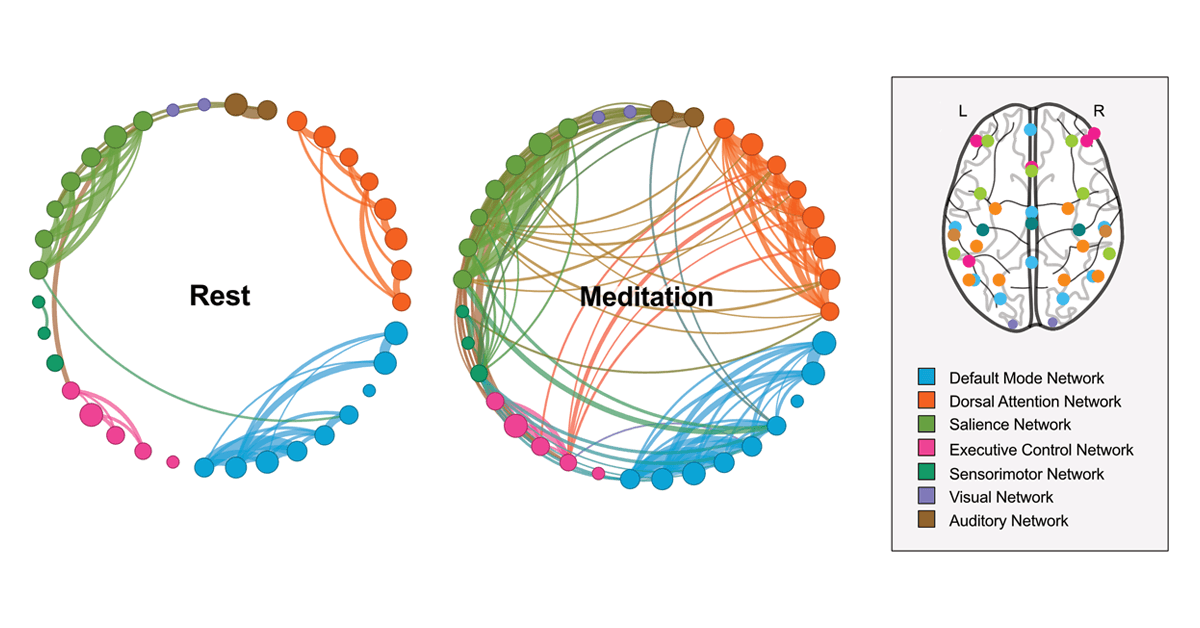
Seven days was enough to move the needle. In a UC San Diego study that tracked 20 healthy adults through a residential retreat, intensive meditation was linked to measurable changes in brain activity and blood chemistry after just one week, a timeline that is unusually short for research on contemplative practice.
The study, published in Communications Biology on April 6, followed participants through a seven-day residential retreat that packed in roughly 33 hours of guided meditation. The program was not just silent sitting. It also included neuroscience lectures and group healing activities, giving the retreat a built-in mind-body structure that looked very different from a casual drop-in class or a simple meditation app routine.
That detail matters. The strongest takeaway is not that one week of meditation cures anything, but that the researchers were able to detect biological shifts quickly enough to measure them in a controlled setting. For yoga and meditation communities, that is a meaningful point of credibility. It gives teachers, studios, and retreat leaders a concrete neuroscience angle for practices that are often talked about in more intuitive terms, like nervous-system regulation, clarity, and emotional reset.

The most eye-catching part of the findings was the blood work. The article says post-retreat blood plasma appeared to influence lab-grown neurons in a measurable way, suggesting that the changes were not limited to what participants felt subjectively on the cushion. That does not prove every broader wellness claim attached to meditation, breathwork, or retreat culture, but it does show that a short, intensive practice period can leave a biological footprint.
That is why the seven-day timeline is such a strong hook for the yoga world. A study of 20 healthy adults is not a mass-market verdict, and a residential retreat is not the same thing as a 20-minute daily practice at home. Still, UC San Diego’s name gives the work real weight, and the combination of brain activity data, blood chemistry, and lab neuron testing pushes the conversation beyond vague promise. For a crowded wellness market, that kind of evidence is exactly the sort of thing people remember.
Know something we missed? Have a correction or additional information?
Submit a Tip