Yoga Journal shares 30-minute nighttime flow to ease stress and sleep
Yoga Journal’s 30-minute nighttime flow swaps couch-scroll inertia for a purposeful reset, using familiar poses and longer holds to help the nervous system wind down.
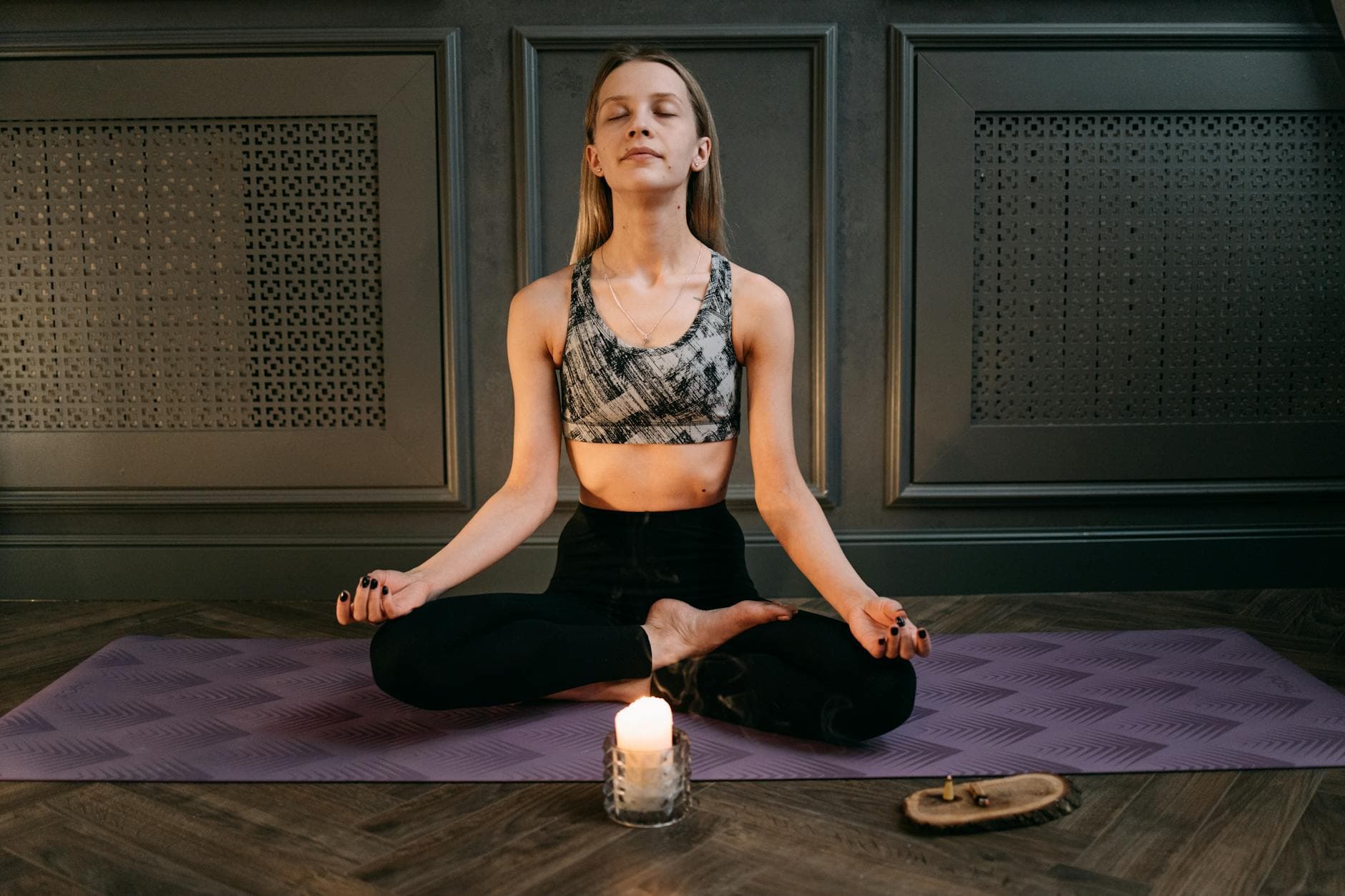
Yoga Journal’s 30-minute nighttime flow is built for the exact moment when the day is still clinging to your body, but your brain wants to collapse on the couch and scroll. Instead of treating bedtime yoga as a soft, sleepy add-on, this sequence makes a stronger case: a short, intentional practice can be a cleaner bridge from work mode to rest mode than passive screen time.
Why this flow feels different
The practice, titled *30-Minute Nighttime Yoga to Release Stress So You Can Relax*, is more active than many people expect from a bedtime sequence, but it never shifts into exertion for its own sake. The point is decompression, not a workout, and that distinction matters for anyone trying to turn a full or intense day into a real evening transition.
The pacing is what gives the sequence credibility. It begins with accessible, familiar shapes like Child’s Pose and Cat-Cow, then moves into Toe Squat and a knees-down Chaturanga variation. That progression keeps the body engaged enough to stay present, while still feeling grounded and manageable. By the end, the flow builds toward balancing postures before settling into longer-held stretches that are meant to help you let go of what you no longer need.
Who this practice serves best
This is not framed as a performance piece or an athletic challenge. It speaks directly to people whose evenings are defined by fatigue, stress, and the temptation to shut down rather than move. The sequence is especially useful if you want yoga to act as a nervous-system reset rather than a full class or a sweaty session.
That approach also makes the flow more approachable for people who may be turning to yoga for stress relief instead of flexibility goals, strength work, or flow-heavy conditioning. Yoga Journal’s language, including the note that no props are required and readers should come as they are, keeps the entry point simple. You do not need to assemble a perfect setup or bring a studio-level toolkit to benefit from it.
How the sequence is structured
The real value in this practice is in the order. Starting with Child’s Pose and Cat-Cow eases the body out of the rigid patterns that build up across a workday, especially if you have spent hours sitting, typing, commuting, or carrying tension in the shoulders and back. Those shapes are familiar for a reason: they create immediate accessibility and help set a calmer tempo.
Toe Squat and the knees-down Chaturanga variation add a little more purposeful movement without tipping the practice into intensity. That middle section matters because it prevents the sequence from feeling like a slow slide straight into stillness. Instead, it creates a measured release, where the body is invited to move with intention before it settles down.
The final shift into balancing postures and longer-held stretches gives the sequence its downshift. Rather than ending abruptly, it allows the practice to taper off, which fits the goal of easing stress and preparing for sleep. The result is a flow that feels designed around the actual emotional pattern of the evening: a day that still has momentum, followed by a need to land.
The larger editorial context
The practice is by Laia Bové, whom Yoga Journal describes as a yoga and meditation teacher, writer, and professional figure skater. Her teaching is rooted in accessibility, somatic awareness, and trauma-informed, nervous-system-focused approaches, which helps explain why this sequence reads less like a generic bedtime routine and more like a carefully staged transition.
Yoga Journal also brings a long institutional history to the piece. The publication says it has been sharing yoga instruction and related content since 1975, it was founded by the California Yoga Teachers Association, and Judith Hanson Lasater was one of its first editors. That background gives this nighttime flow a place in a much longer editorial tradition of translating yoga into forms readers can actually use.
The timing also fits a clear pattern in Yoga Journal’s recent coverage. The publication has already shared a 10-minute bedtime yoga practice in November 2025, a 15-minute bedtime flow in 2026, and a 14-pose sleep guide updated in March 2025. This 30-minute sequence extends that same editorial lane, packaging yoga around sleep, recovery, and end-of-day reset in a way that fits busy schedules.
What the evidence says about bedtime yoga
The wider research picture supports why this kind of practice keeps showing up. The National Center for Complementary and Integrative Health says yoga may help with stress management, mental and emotional health, sleep, and balance. It also notes that yoga and tai chi may improve sleep quality, though not necessarily insomnia itself.
That distinction is important. For chronic insomnia disorder in adults, the most strongly recommended treatment is cognitive behavioral therapy for insomnia, or CBT-I, according to the American Academy of Sleep Medicine. NCCIH also notes that relaxation therapy alone has only a small amount of low-quality evidence for helping chronic insomnia, which means a calming flow is best understood as support, not a substitute for proven treatment when insomnia is persistent.
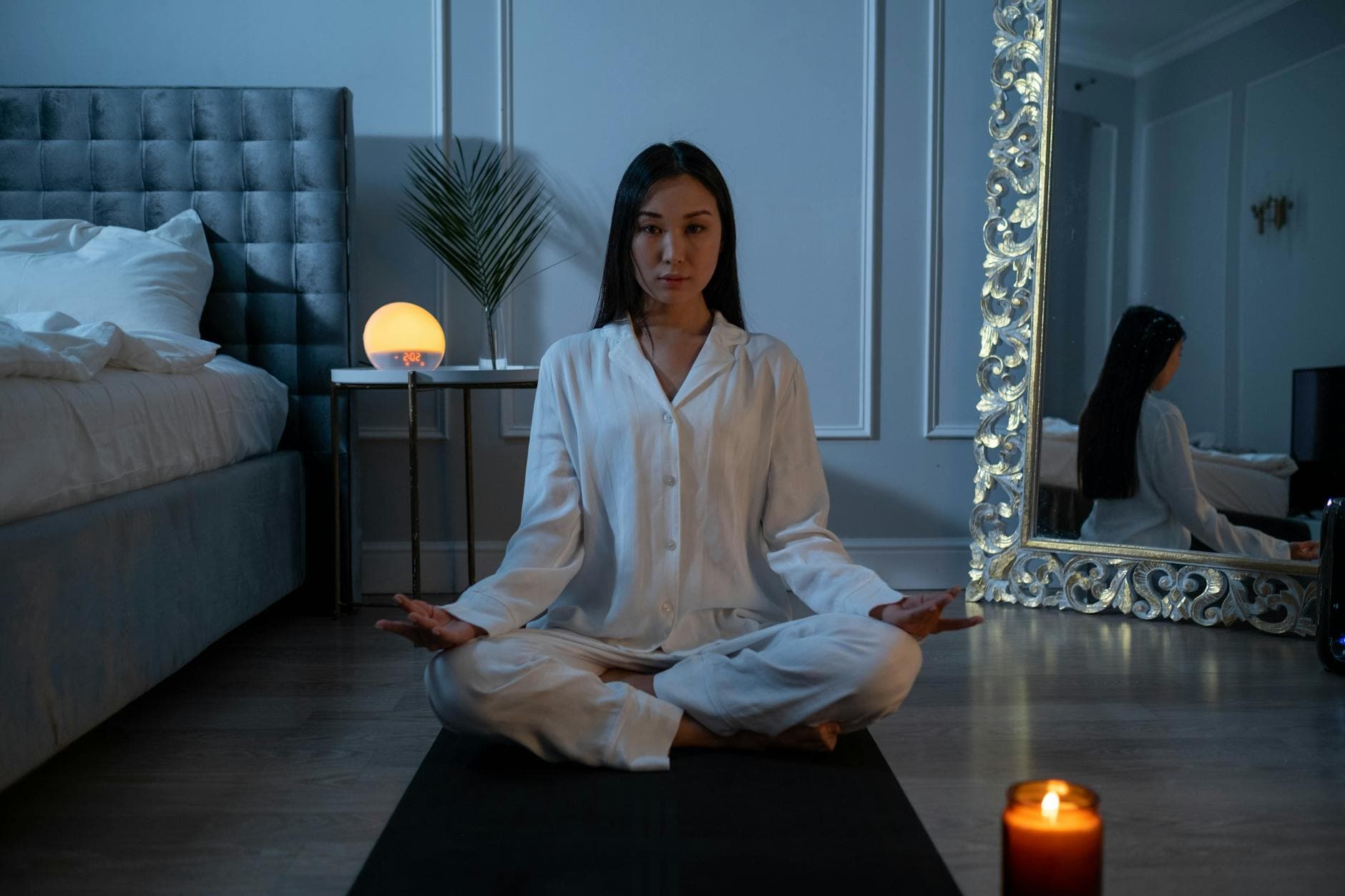
Sleep specialists also tend to favor gentler styles at night. Johns Hopkins Medicine says hot yoga and vinyasa can raise the heart rate, which makes them less ideal right before bed, while hatha, nidra, and yin are better pre-sleep choices. It also recommends dim lights, soothing music, and a padded surface or props for comfort, which reinforces the broader idea that nighttime yoga should lower stimulation rather than add to it.
The popularity of that approach is not hard to understand. Harvard Health reported that more than 55% of surveyed yoga practitioners said yoga helped them sleep better, and more than 85% said it helped reduce stress. Those numbers help explain why bedtime yoga remains such a durable corner of the wellness world: it offers a concrete way to break the loop between stress and screen time.
What makes this Yoga Journal flow stand out is not just that it is 30 minutes long. It is that the sequence gives the evening a shape, moving from familiar poses into a measured release so the body can leave the day behind instead of carrying it into bed.
Know something we missed? Have a correction or additional information?
Submit a Tip