Lockey Maisonneuve turns trauma into yoga teaching and service
Lockey Maisonneuve turns survival into a trauma-informed teaching practice, bringing recovery, service, and steadiness into prisons, schools, and rehab centers.
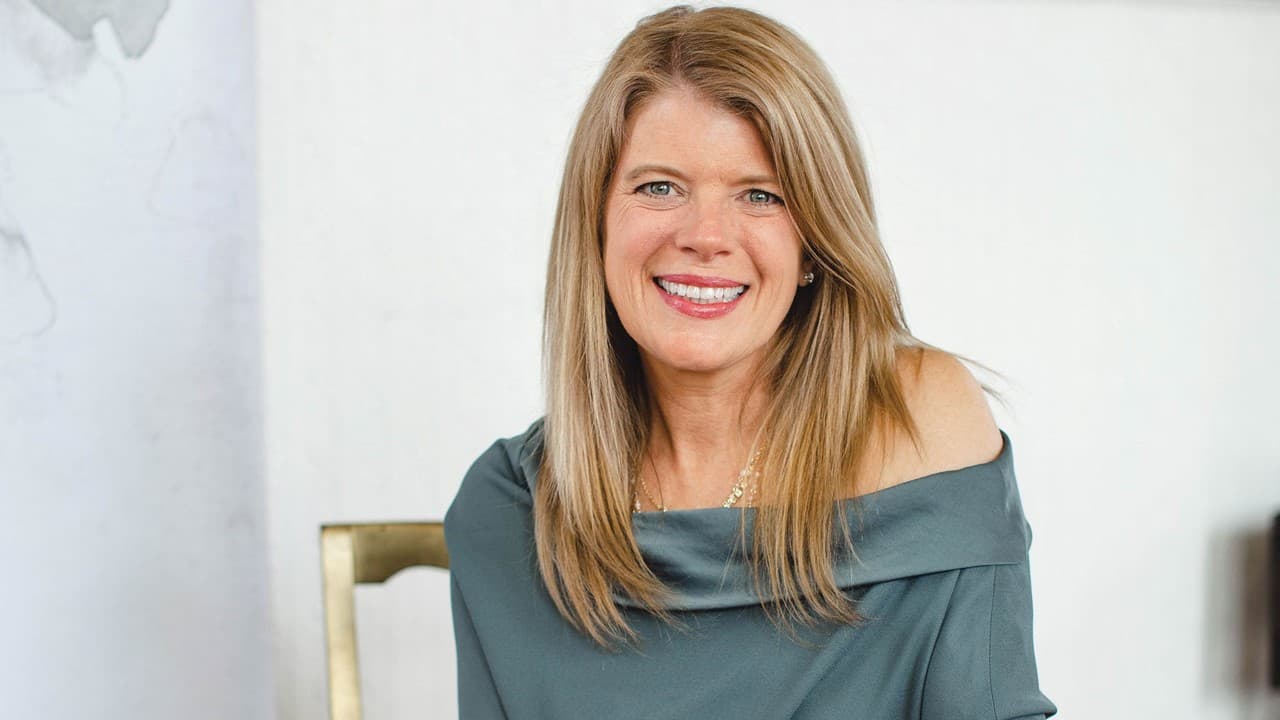
Lockey Maisonneuve’s most important teaching tool is not a complicated sequence or a polished studio vibe. It is the fact that she has lived through the kind of pain that changes how a room feels, and she now uses that lived experience to serve people in rehabilitation centers, schools, and prisons.
Her memoir, *A Girl Raised by Wolves*, was published on June 6, 2018 and runs 213 pages. Catalog descriptions frame it as a memoir about sex trafficking, cancer, murder, and more. That history is not treated as a finished chapter in her work. It is the engine behind the way she teaches, the populations she serves, and the tone she brings into the room.
From survival story to teaching philosophy
Maisonneuve is publicly described as an author, speaker, and certified yoga guide, and her teaching profile is unusually broad. She works with incarcerated men, people in drug and alcohol recovery, mental-health patients, and students in inner-city schools, which tells you immediately that this is not studio yoga built around polish or performance.
Other public bios say her work has helped thousands seeking emotional healing, resilience, and reconnection. That scale matters because it shows the story is bigger than one memoir. The through-line is service, and Maisonneuve has made that the center of both her professional identity and her personal healing.
At Montclair State University, she said, “Healing is not a one-and-done event,” and added that it takes commitment and time. That line captures the spine of her teaching. Recovery is repetitive, trust has to be earned, and no one arrives fully finished.
What trauma-informed yoga looks like in practice
The clearest change in Maisonneuve’s methodology is where she chooses to teach. Rehabilitation centers, schools, and prisons are not spaces built around peak poses or social-media friendly flows. They are places where yoga has to work for people who may be carrying addiction, confinement, mental-health strain, or old trauma in the body right now.
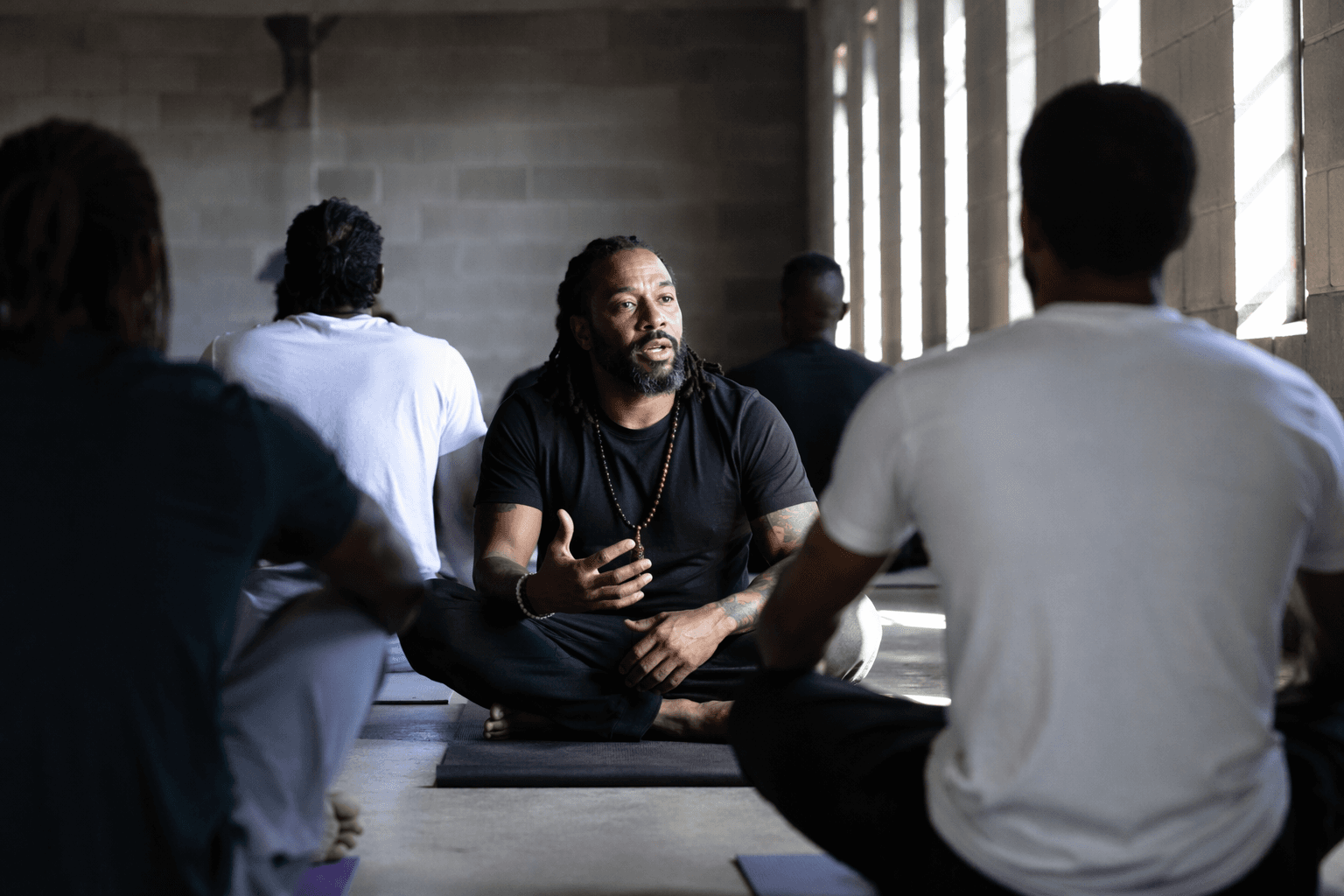
That is where her trauma history changes the room. Instead of making yoga feel like a private lifestyle upgrade, she frames it as a tool for rebuilding, and she describes service to the community as central to her own healing. The result is a practice that feels less like a performance and more like support, with the teacher positioned as a steady guide rather than the center of the story.
Her own language reinforces that tone. She says she is inspired by addiction-recovery patients and believes that choosing recovery each morning is an act of courage. She also leans on a mantra built around optimism and trust, which gives her work a clear emotional register: not denial, not hype, but steadiness.
For students, that changes the felt experience of the class. The practice becomes more human and less performance-driven, because the point is not to impress anyone with flexibility or intensity. The point is to help people stay connected to themselves long enough to take the next breath, and then the next one after that.
Why her work fits a larger correctional and recovery movement
Maisonneuve’s reach sits inside a much larger pattern. A 2021 program evaluation found trauma-informed yoga classes being delivered in corrections and reentry, substance-use treatment and recovery, and community and mental-health settings. That puts her work in line with an established service model rather than a one-off personal mission.
The need for that model is real. A 2025 systematic review on yoga in prisons reported high rates of trauma, psychological distress, and social marginalization among incarcerated people. That helps explain why yoga and mindfulness keep showing up in correctional and reentry programs: the body is often part of the problem, and it is also part of the path back.
Prison Yoga Project illustrates how wide that ecosystem has become, with trauma-informed yoga and embodied mindfulness offered in prisons, youth detention centers, county jails, and other correctional facilities across multiple countries and U.S. states. Honor Yoga Foundation also identifies Maisonneuve as its Director of Trauma Programs, which places her work inside a formal structure of trauma education rather than just personal advocacy.
What teachers can take from Maisonneuve’s model
The useful part of Maisonneuve’s example is not the drama of her backstory. It is the way she has translated experience into a method that can hold up in hard places.
- Teach for the setting, not for the mirror. Her work in prisons, schools, and rehabilitation centers shows that the most useful class is the one people can actually use where they are.
A few lessons stand out:
- Make recovery sound like a practice, not a finish line. Her own comments keep returning to the idea that healing takes time, commitment, and repeat effort.
- Let service shape the tone. When community support sits at the center of the work, the class stops being about the teacher’s performance and starts being about the student’s capacity to stay steady.
That is why Maisonneuve’s story lands beyond the memoir shelf. She turns survival into a teaching method that can be repeated in difficult places, and that is where trauma-informed yoga becomes more than a label. It becomes a way to make healing feel possible again, one room at a time.
Know something we missed? Have a correction or additional information?
Submit a Tip