Yoga may help manage PCOS, experts say amid PMOS renaming
Yoga is emerging as a practical add-on for PCOS, with studies linking it to better cycles, anxiety and metabolic markers as experts push for a PMOS rename.
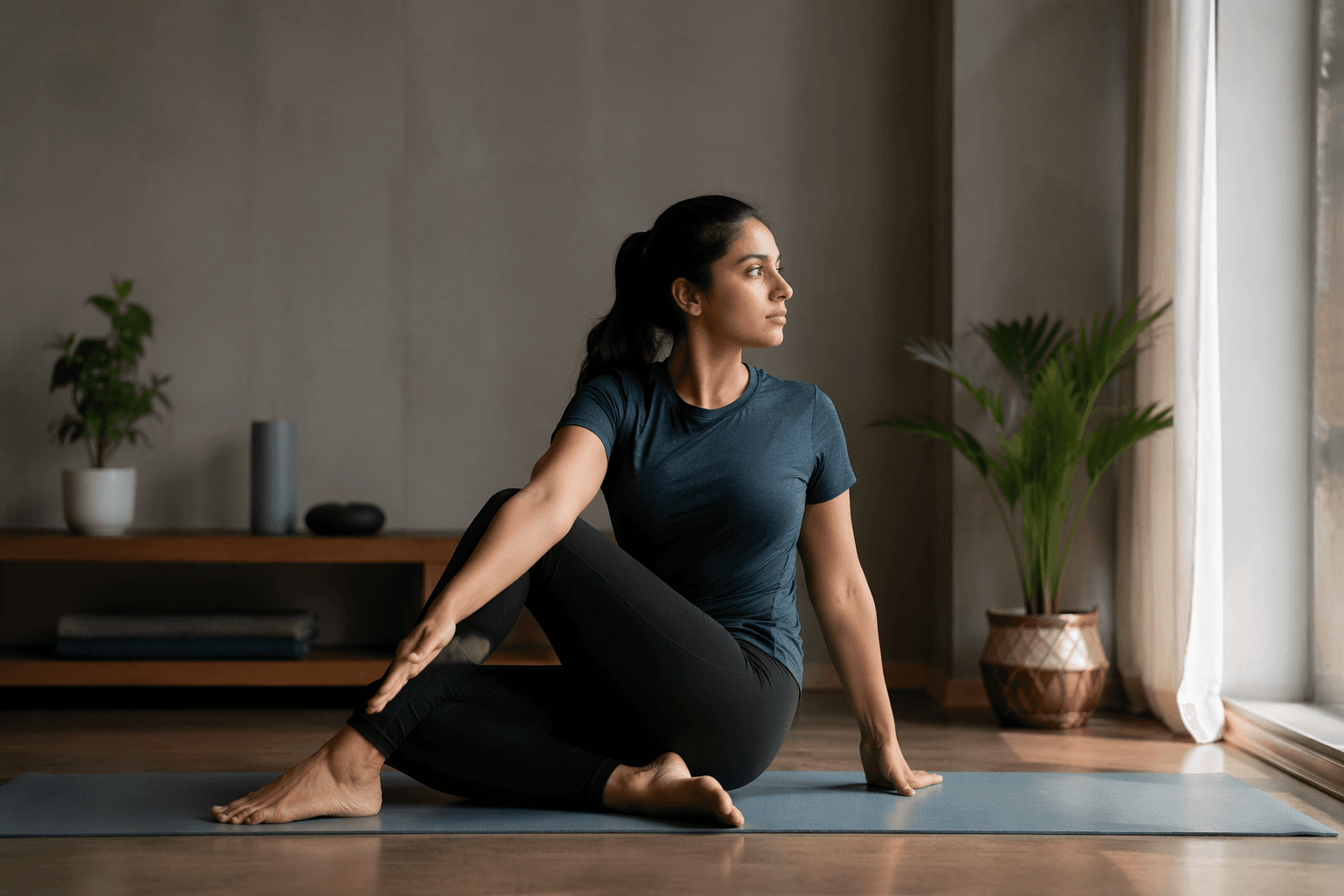
Yoga is getting a stronger case as a practical tool for people living with PCOS, especially now that experts are pushing for a name that reflects the condition’s metabolic side as well as its reproductive symptoms. Dr. Rima Dada of AIIMS New Delhi says regular practice can help with hormonal balance, menstrual regularity, stress, weight and reproductive health, but it still belongs alongside medical care, not in place of it.
The naming debate has teeth. Dada noted that the term PCOS was first introduced in 1935 by Irving Stein and Michael Leventhal. On May 12, 2026, a Lancet consensus renamed the condition polyendocrine metabolic ovarian syndrome, or PMOS, after a 14-year global effort involving 56 organisations and more than 22,000 stakeholders across six continents. That broader frame matters for yoga because it puts metabolic strain, endocrine disruption and stress regulation in the same conversation.
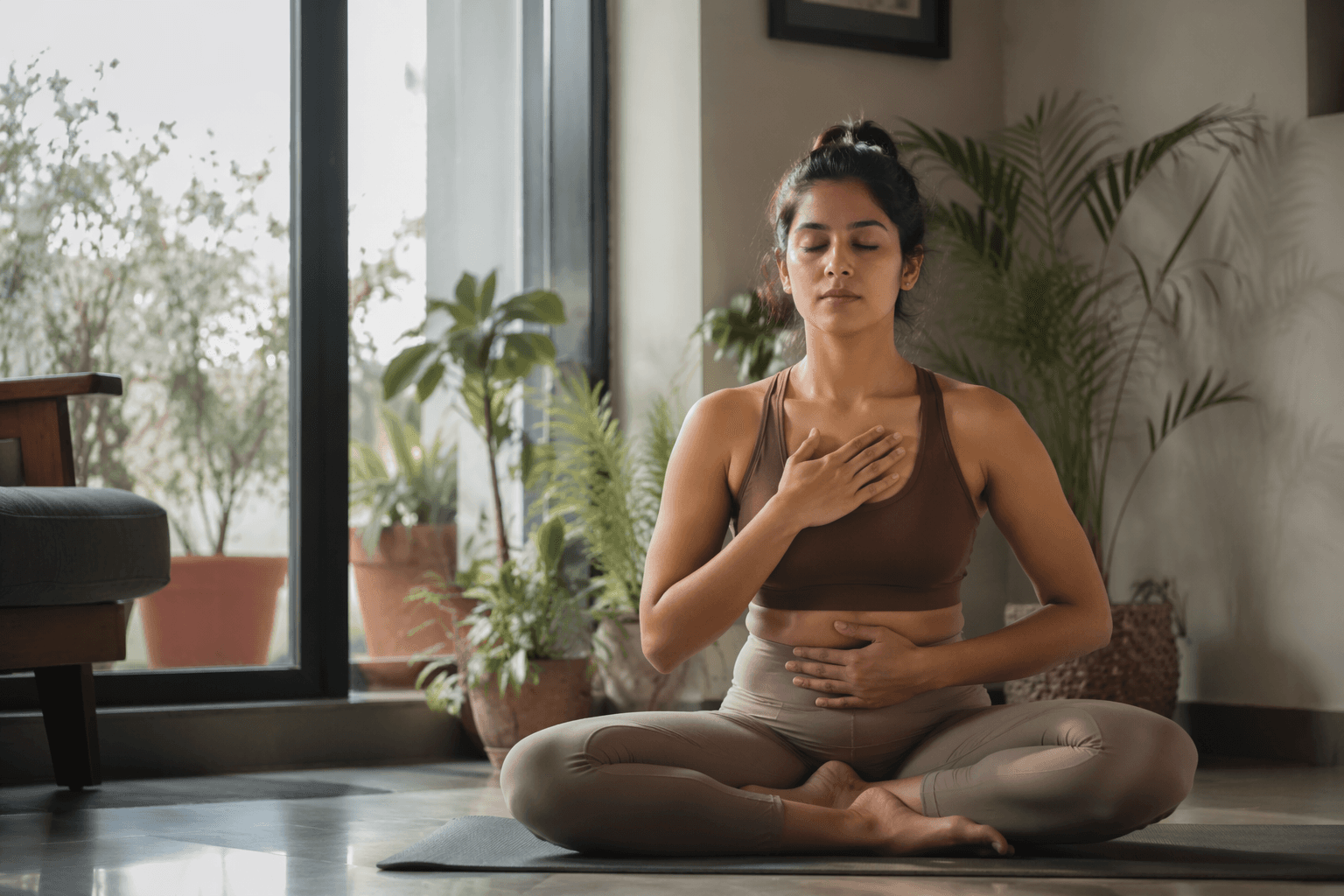
The evidence is promising, but it is not spotless. A 2021 systematic review and meta-analysis looked at 11 experimental studies with 515 participants and found yoga therapy may significantly reduce menstrual irregularity, clinical hyperandrogenism, fasting blood glucose, fasting insulin and insulin resistance. The catch is that only two randomized controlled trials were included in the meta-analysis, and the authors rated the strength of evidence as low. In other words, yoga looks useful, but it has not been proven as a stand-alone treatment.
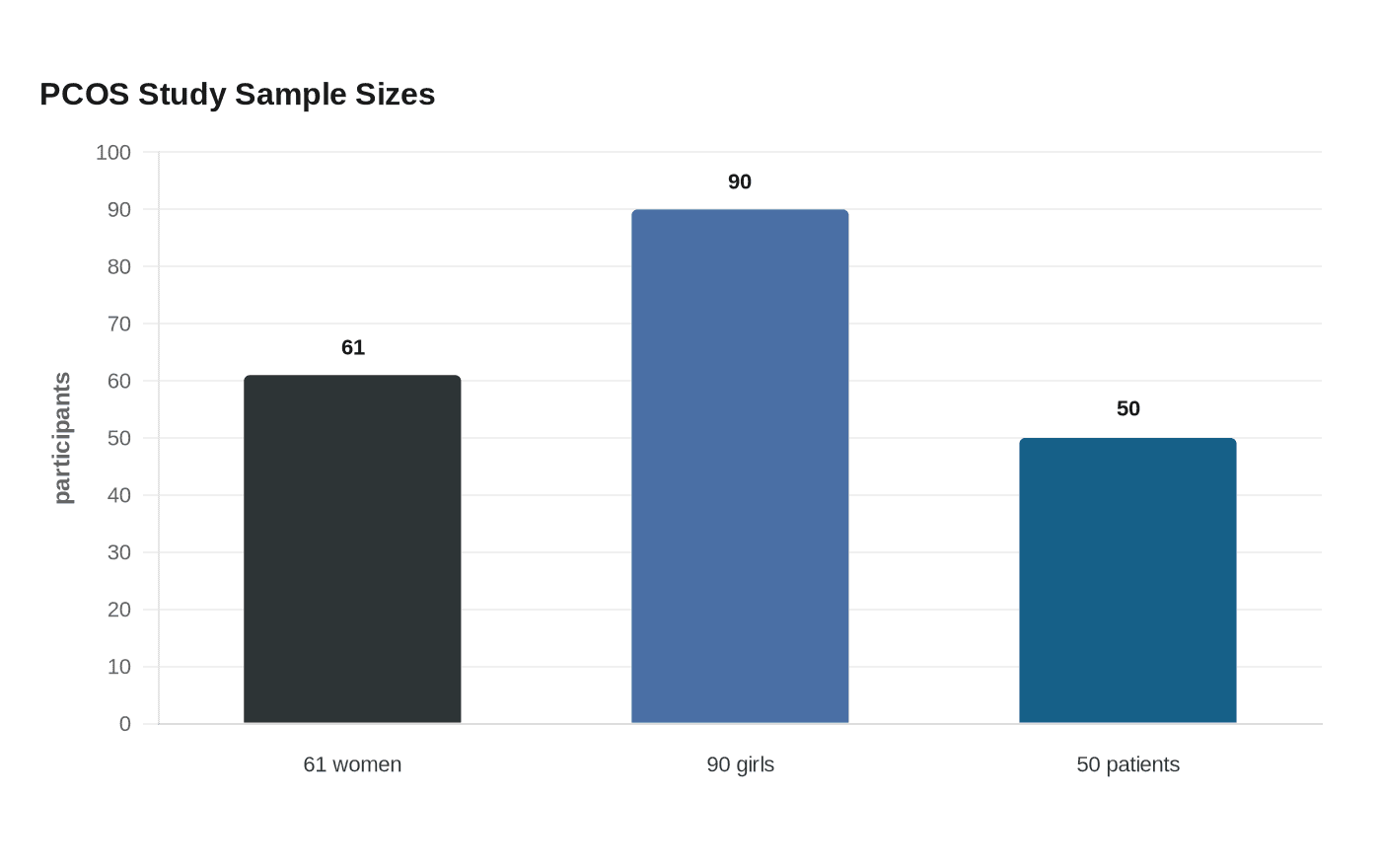
Still, some of the individual trials point in the same direction. In one randomized clinical trial involving 61 women with PCOS, six weeks of yoga led to significant reductions in hirsutism, abdominal circumference and hip circumference compared with routine care. Another randomized trial of 90 adolescent girls with PCOS found that a 12-week holistic yoga program worked better than physical exercise alone for reducing trait anxiety, which fits what many teachers see on the mat: calmer breath, steadier routine, less stress spillover.
Indian clinical research has also added to the picture. A 2018 study in Chennai followed 50 PCOS patients through 12 weeks of yoga and naturopathy and found significant improvement in ovarian morphology and anthropometric measures. Earlier work estimated PCOS prevalence at 9.13% among South Indian adolescent girls, a reminder that this is not a niche problem. AIIMS’s Centre for Integrative Medicine Research has reportedly produced more than two dozen studies showing positive outcomes from yoga and ayurveda across different health conditions, adding institutional weight to the idea that integrative care deserves a serious look.
For yogis, the takeaway is straightforward: yoga may be worth keeping in the toolkit if PCOS is part of your life, especially for stress, consistency and body composition. Bring the question back to your clinician, with the new PMOS framing in mind, and ask how yoga can fit into a plan that also addresses hormones, insulin resistance and cycle management.
This article was produced by Prism’s automated news system from verified source data, official records, and press releases, then run through automated quality and moderation checks before publishing. The system is built and supervised by the people who set the standards it runs under. Read our full AI policy.
Know something we missed? Have a correction or additional information?
Submit a Tip