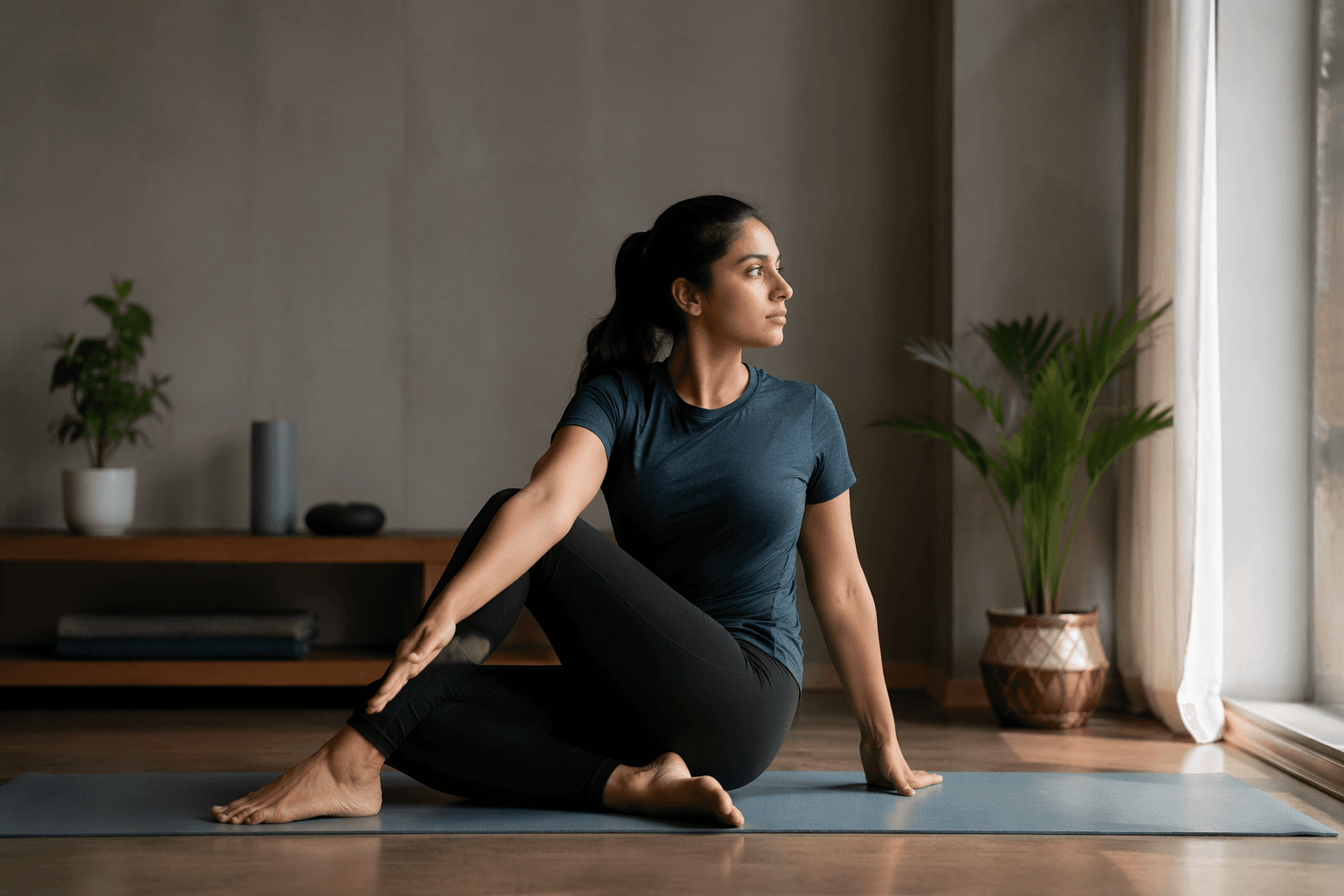
Yoga studies show benefits across mental, cardiovascular and physical health
The strongest yoga evidence is not about hype. It points to mental health, heart function, physical fitness and quality of life.

Yoga gets sold as everything from a stretch break to a total life fix, but the science that holds up best is more grounded. A WHO chief scientist has pointed to a systematic review showing positive effects on mental health, cardiovascular function, physical fitness and quality of life. That makes yoga look less like wellness branding and more like a practice that can touch several body systems at once.
What the science actually supports
The cleanest read on the evidence is that yoga is not doing just one job. The strongest claims cluster around mental health, cardiovascular function, physical fitness and overall quality of life, which is exactly the kind of broad signal you expect from a practice that blends movement, breath, balance and attention. That does not make yoga a miracle cure, but it does make it more than a casual stretch routine.
Ranjan Kumar, principal secretary of the UP AYUSH Department, has pushed back on the idea that yoga is merely exercise and stretching. That framing matters because the studies being cited are not just measuring whether people can touch their toes; they are looking at outcomes people actually live with, like stress, fitness and day-to-day function. When the evidence is strongest, it is strongest where the practice is most complete.
Why the body responds in more than one way
The most visible effects show up in the musculoskeletal system. Pose work asks for balance, stability, range of motion and muscular control, so the physical-fitness finding makes sense even before you get into the data. If you have spent time in a room where a long hold in warrior II or a slow transition into plank leaves the legs shaking, you already know this is not passive stretching.
The cardiovascular side is where yoga starts to look especially interesting. The WHO’s review points to positive effects on cardiovascular function, which is a more serious claim than saying a class feels calming. In practical terms, that means the practice is being discussed in relation to how the heart and circulation respond, not just how relaxed you feel when savasana ends.
Mental health is the other pillar that keeps coming up. Yoga has always had a spiritual and contemplative reputation, but the modern science is finally giving that reputation a measurable edge. The important point for readers is simple: if you only treat yoga as a mobility tool, you are missing one of the most evidence-backed reasons people keep coming back to the mat.
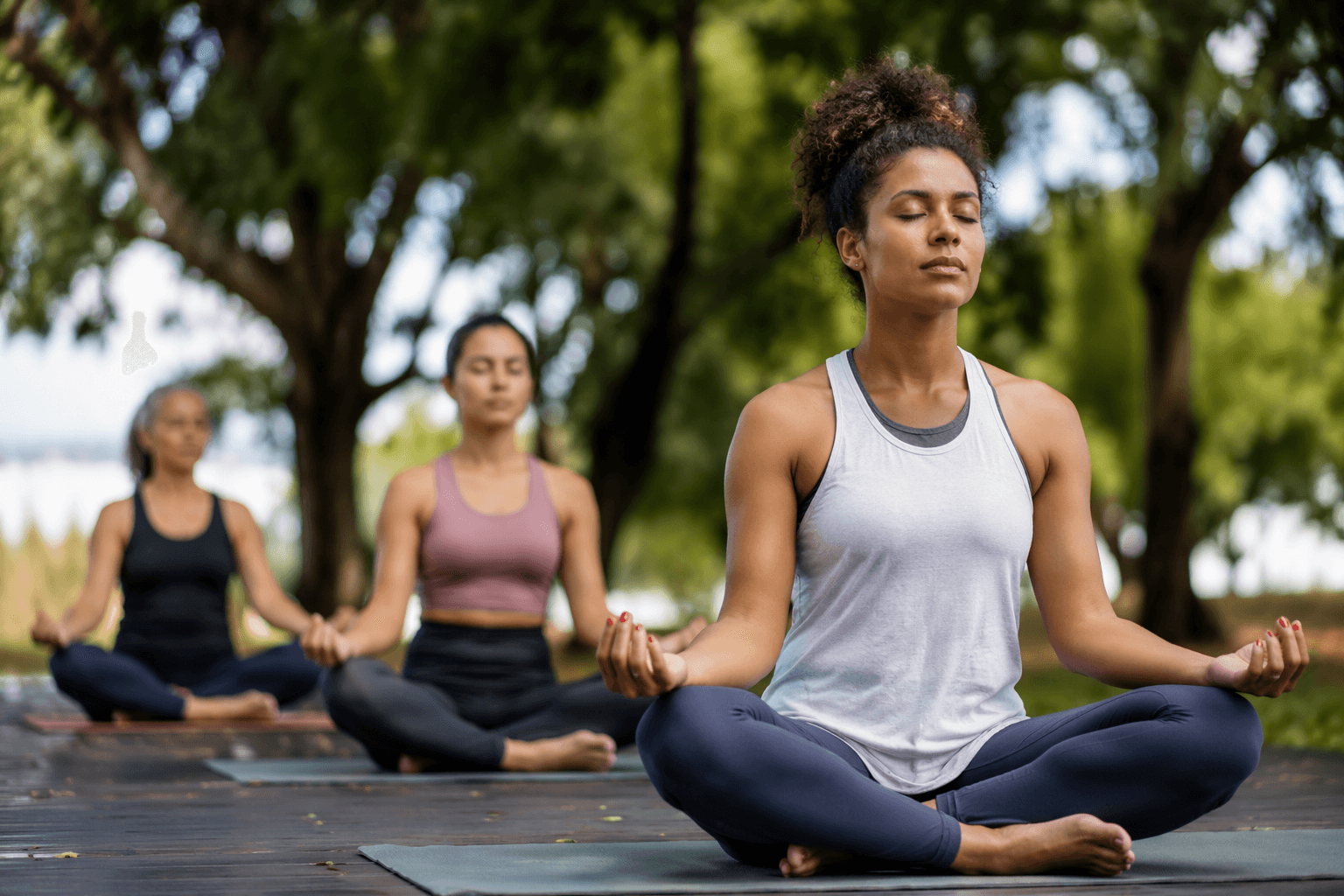
Why the United Nations made yoga a global day
The public-health framing did not appear by accident. On 11 December 2014, the United Nations proclaimed 21 June as the International Day of Yoga through resolution 69/131, and India’s draft resolution was endorsed by a record 175 member states. The first International Day of Yoga was celebrated on 21 June 2015, which gave the observance a fixed place on the global calendar.
That matters because the annual day is not just ceremonial. The United Nations says it is meant to raise awareness worldwide of yoga’s benefits, and that lines up neatly with the better science now being discussed by the World Health Organization. Once yoga is treated as a public-health topic, the conversation shifts from boutique studio culture to measurable outcomes.
The theme for the 11th International Yoga Day, “Yoga for One Earth, One Health,” shows how far the messaging has moved. Yoga is now being presented not only as personal practice, but as part of a wider conversation about health, prevention and the way individual habits connect to larger systems. That is a big step up from the old version of the pitch, which often stopped at “feel better after class.”
What the Uttar Pradesh rollout shows about scale
In Uttar Pradesh, the rollout is built for volume. Times of India reported plans for yoga demonstrations at 4,075 locations across the state as part of nationwide events at 100,000 locations, with 5,000 trained yoga instructors prepared to lead sessions. That is not niche wellness anymore. That is mass participation.
UP officials have also been intensifying awareness campaigns ahead of International Yoga Day to encourage healthier lifestyles. Yogi Adityanath and Dayashankar Mishra Dayalu have both been part of that broader public push, which makes yoga part of state-level health messaging rather than just a cultural ritual. The scale is notable because it shows how institutions are trying to turn a practice with scientific support into something ordinary people can actually access.
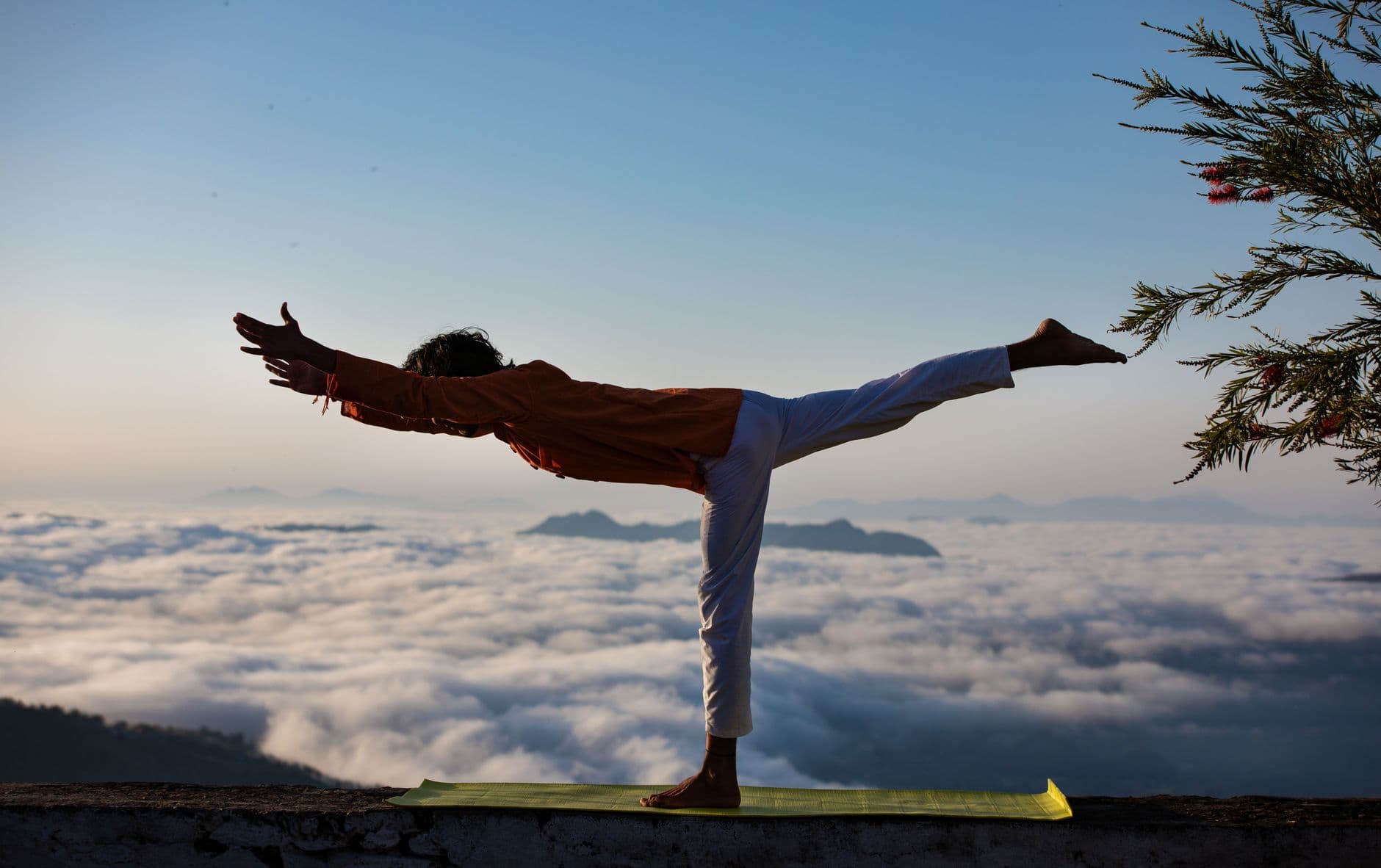
Still, scale is not the same thing as proof. A giant demonstration may help normalize the practice, but the reason it works as a public-health message is the evidence underneath it. The smartest way to read those mass events is as a bridge between research and routine, not as evidence all by themselves.
How to separate measurable benefit from wellness hype
If you want the science-led version of yoga, keep your eye on the outcomes that have the strongest support:
- mental health, especially when practice is regular rather than occasional
- cardiovascular function, which is the kind of claim that deserves more respect than generic “detox” talk
- physical fitness, including the everyday strength and control that show up outside the studio
- quality of life, the broad category that captures whether the practice actually improves how you move through the day
The hype usually shows up when yoga is sold as a cure for everything. The better evidence is more disciplined than that. It says yoga can support the systems that make people feel steadier, move better and live better, and that is already a strong case without the usual wellness exaggeration.
That is the useful way to read the research: not as miracle marketing, but as a practice with repeatable benefits where the data are strongest. The next time you step onto the mat, judge yoga the way the science does, by what it does for the mind, the heart, the body and the quality of the life you carry off the mat.
This article was produced by Prism’s automated news system from verified source data, official records, and press releases, then run through automated quality and moderation checks before publishing. The system is built and supervised by the people who set the standards it runs under. Read our full AI policy.
Know something we missed? Have a correction or additional information?
Submit a Tip