Yoga Shows Long-Term Benefits, Cost-Effective for Knee Osteoarthritis
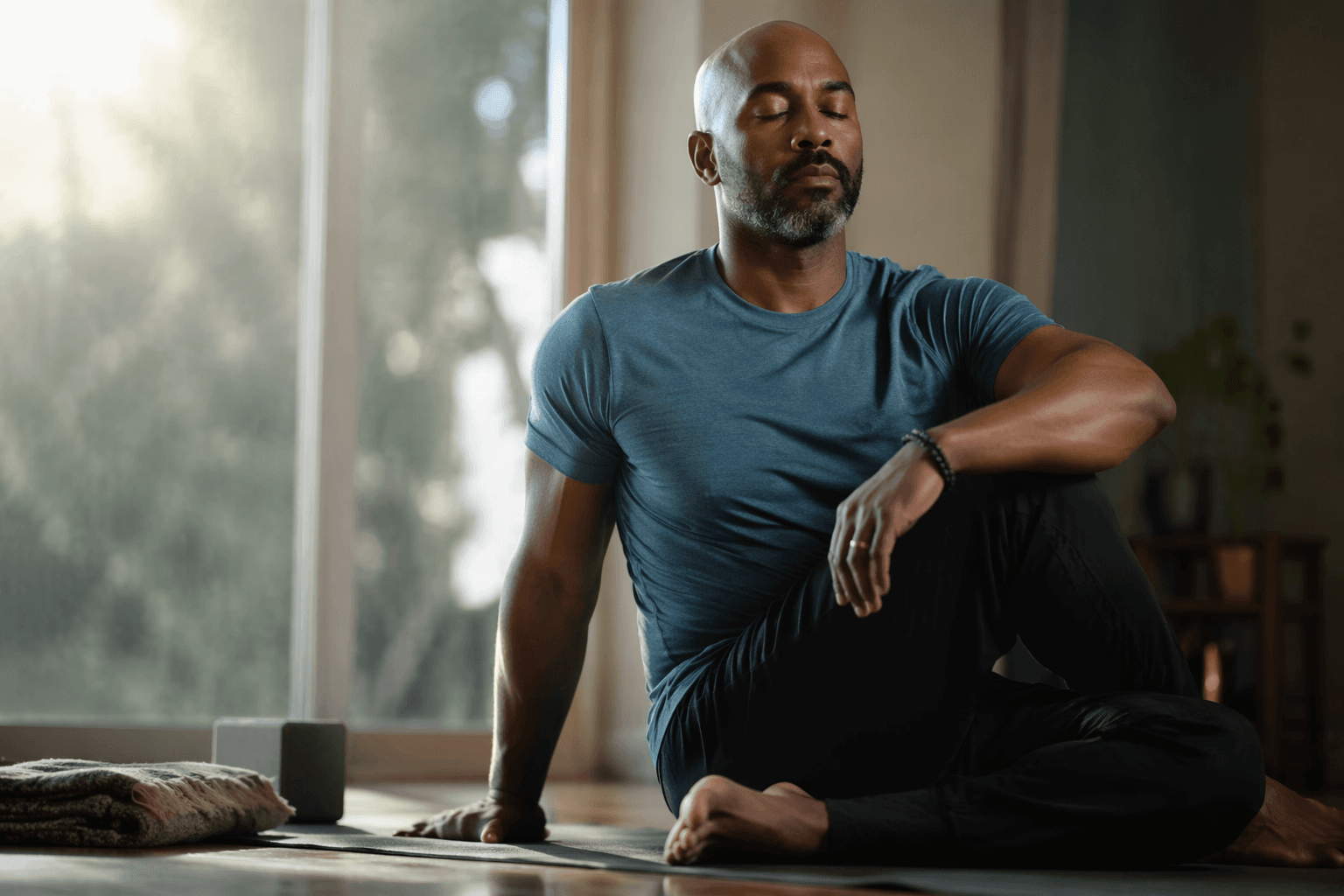
Yoga matched strengthening exercise for knee pain, then pulled ahead on function and quality of life by week 24 while tending to cost less.
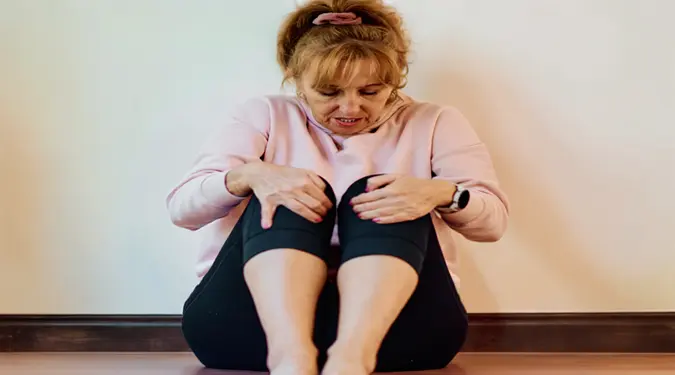
Yoga is starting to look like more than a feel-good add-on for knee osteoarthritis. In a 117-person trial led by Southern California University of Health Sciences Research Director Dr. Steffany Moonaz, adults 40 and older got the same basic promise many patients want from care: less pain, better movement, and a treatment they can actually keep doing.
The 12-week randomized trial, conducted in Southern Tasmania, Australia, compared a structured yoga program with a traditional strengthening exercise regimen. Participants were about 62.5 years old on average, 72.6% were female, and everyone had clinically diagnosed knee osteoarthritis with baseline pain of at least 40 on a 100-point scale. Both groups attended two supervised sessions and one home session per week for 12 weeks, then shifted to three home-based sessions weekly through week 24.
At 12 weeks, yoga did not beat strengthening exercise on knee pain. That matters, because the finding keeps the result grounded: yoga is not being sold as a miracle cure, and it did not instantly outclass a standard exercise plan. But by week 24, the yoga group showed slightly greater gains in physical function, symptom management, and overall quality of life, and 7 of 27 secondary outcomes favored yoga.
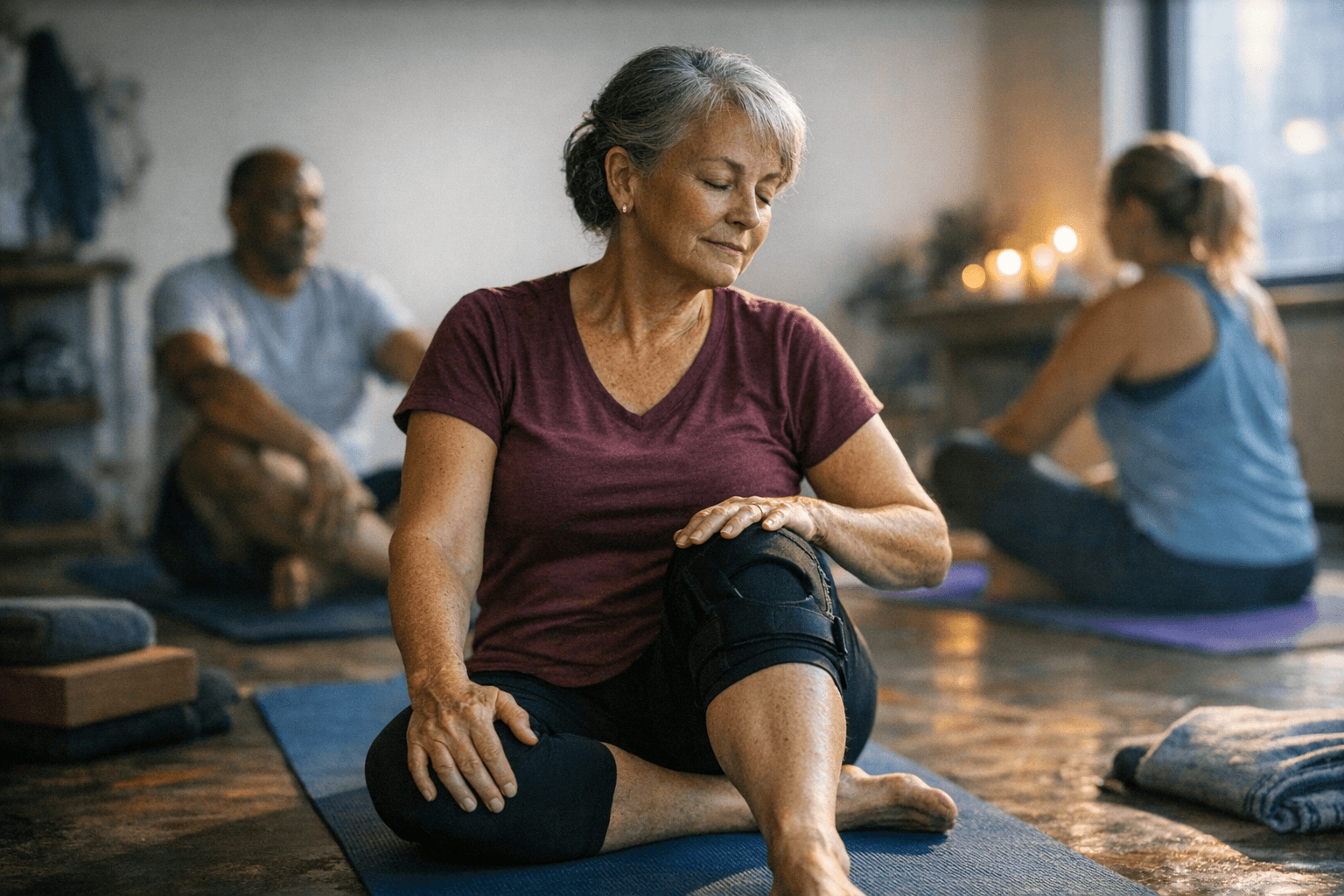
That long-game signal is where the practical value starts to show up. Knee osteoarthritis is not a niche complaint. The World Health Organization says about 528 million people worldwide were living with osteoarthritis in 2019, with the knee the most frequently affected joint, and 344 million people had moderate or severe disease that could benefit from rehabilitation. In the United States, the CDC says about 33 million adults have osteoarthritis, there is no cure, and physical activity plus self-management education can help reduce symptoms. The American College of Rheumatology and Arthritis Foundation strongly recommend exercise, but do not pick a single winning format.
That leaves room for yoga, especially for people who need a plan they can sustain. The 2026 cost-effectiveness analysis, published in Osteoarthritis and Cartilage, said the trial-based analysis was the first of its kind for yoga in knee osteoarthritis and found that yoga tended to deliver comparable or slightly better health outcomes while incurring lower costs from both healthcare and societal perspectives. In plain terms, that points to fewer downstream costs tied to appointments, productivity loss, and broader care use if the benefits hold.
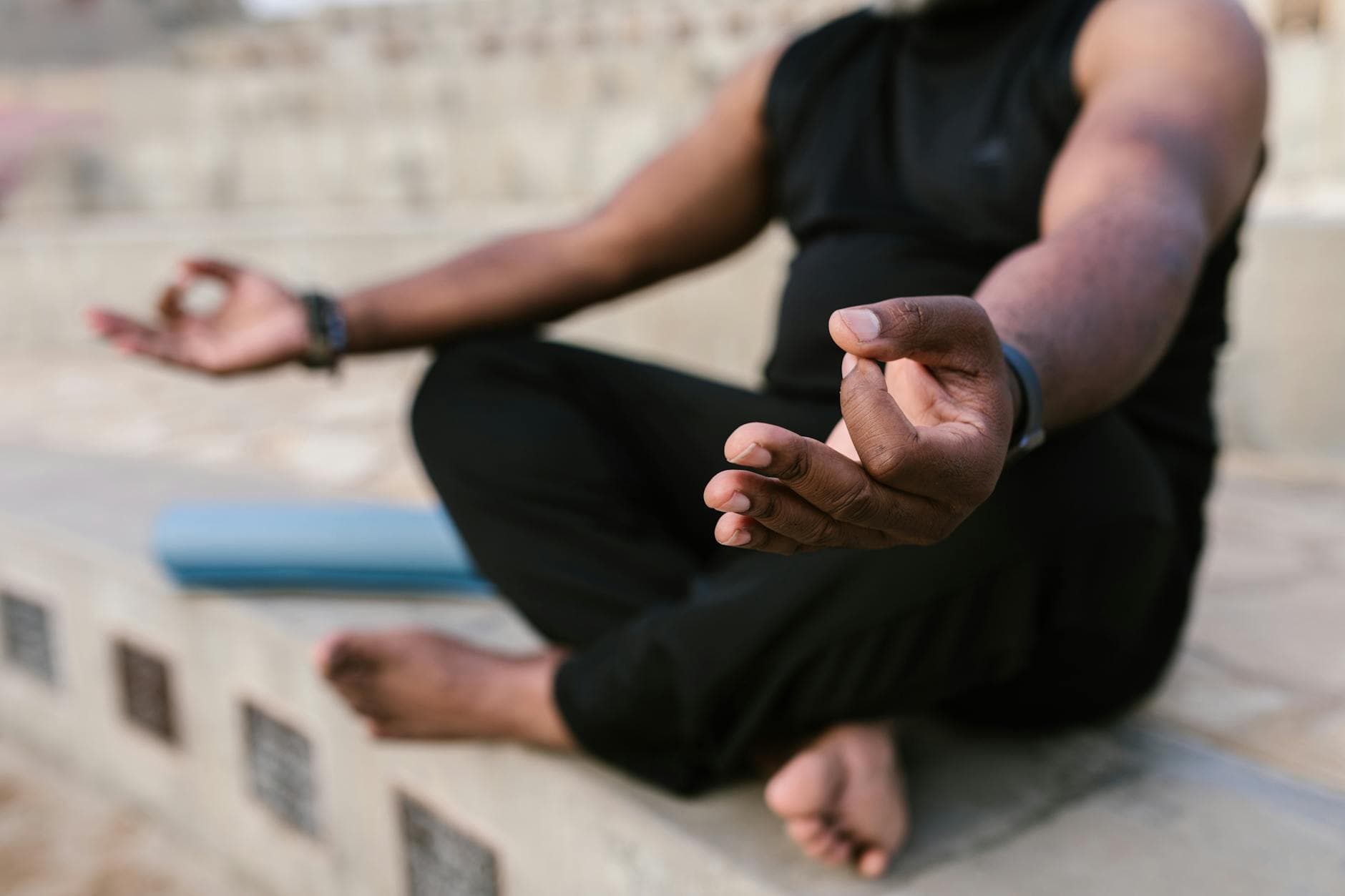
For patients, the best fit looks like a structured class rather than a free-for-all. This study tested supervised yoga first, then home practice, which makes the model especially relevant for adults with knee osteoarthritis who want a lower-cost option that can slot into a weekly routine and still keep paying off after the studio visit ends.
This article was produced by Prism’s automated news system from verified source data, official records, and press releases, then run through automated quality and moderation checks before publishing. The system is built and supervised by the people who set the standards it runs under. Read our full AI policy.
Did this article answer your question?