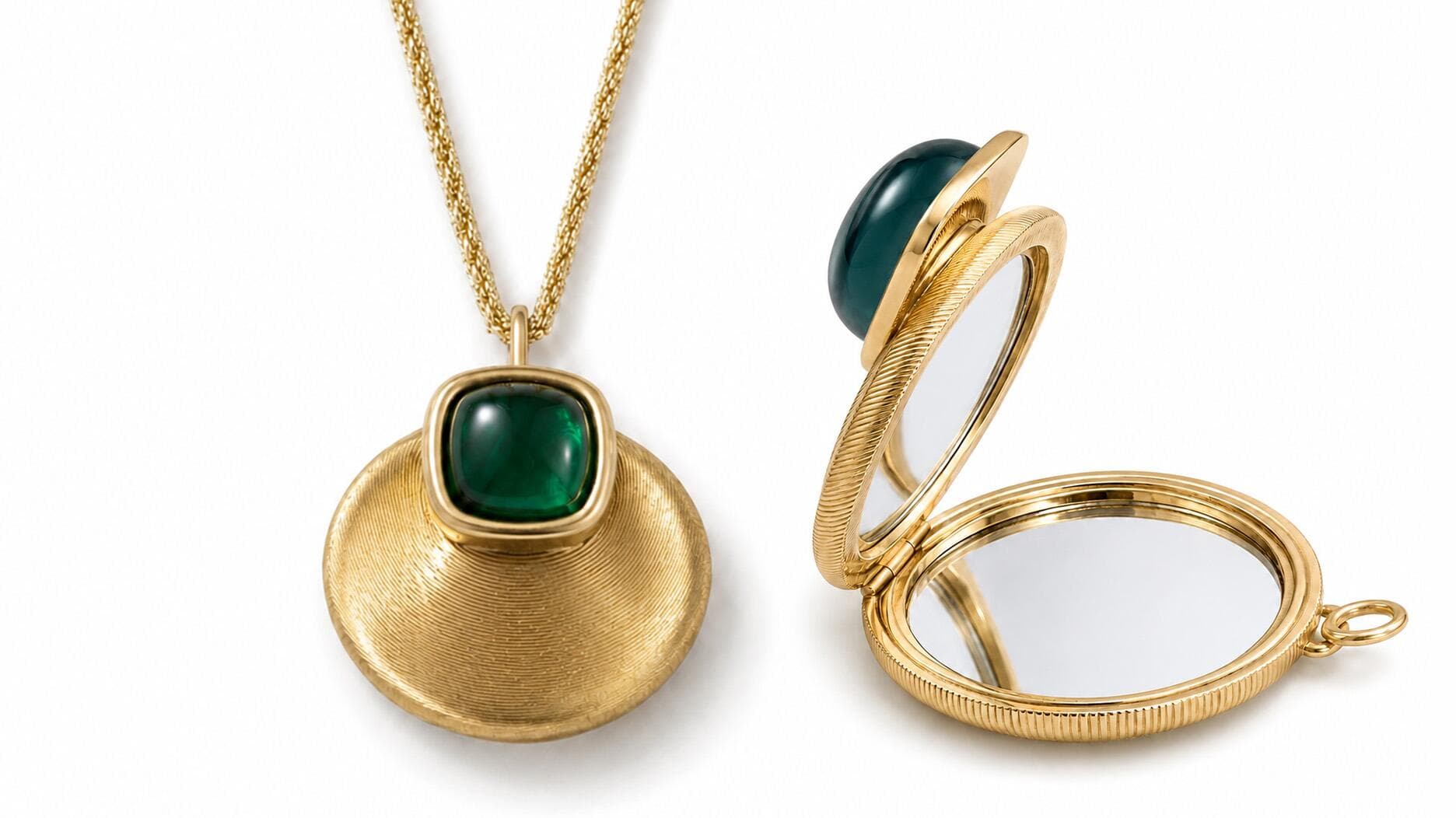
May Birthstone Emeralds Shine With History, Provenance, and Care Tips
Emerald is May’s birthstone, but its value lives in color, origin, and care. Cleopatra, Colombia, and fracture-filling make it as practical a purchase as it is romantic.
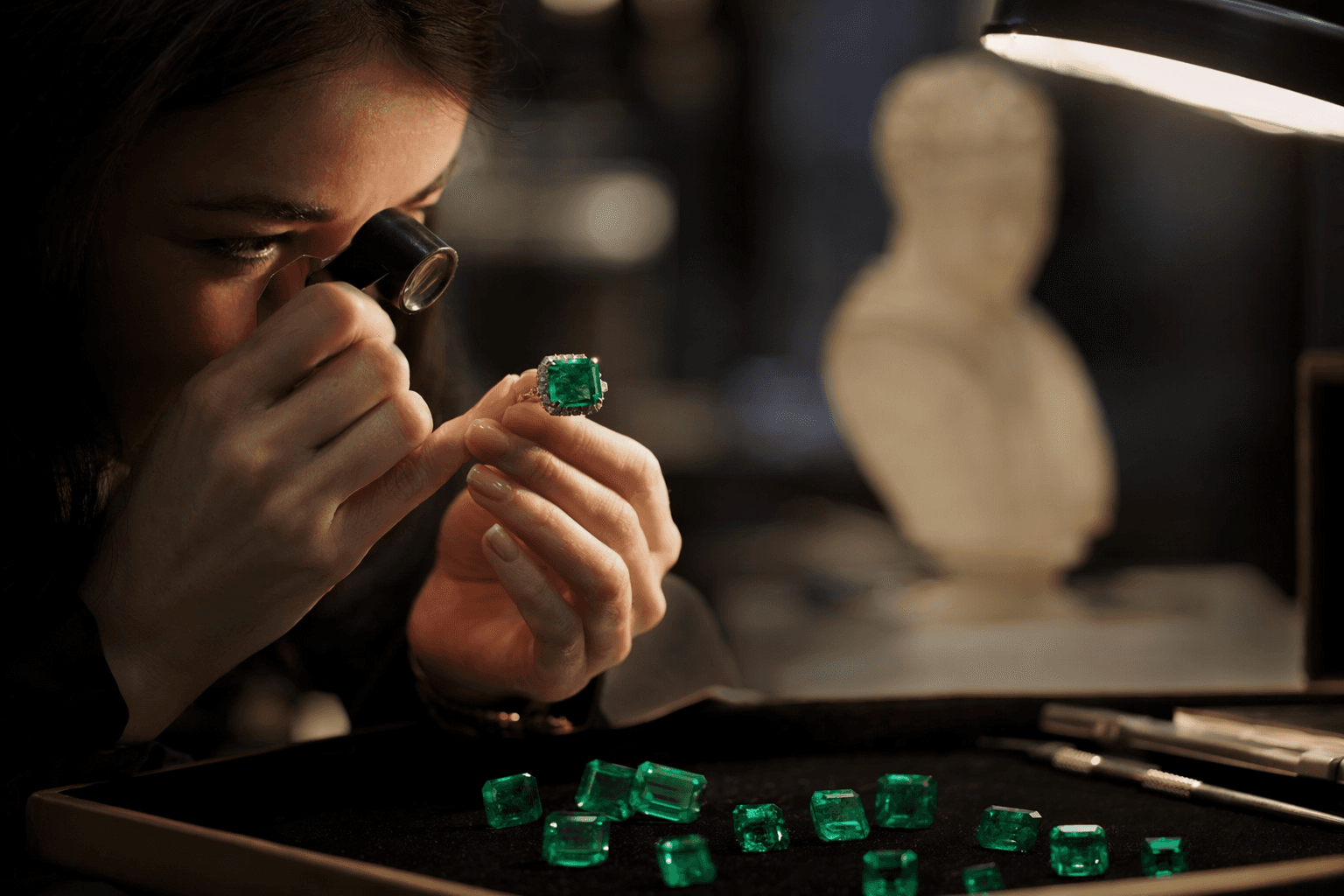
Why emerald still casts such a long shadow
May’s birthstone is not a gem you buy casually. Emerald has been beloved for millennia, a stone wrapped in rebirth, renewal, and a kind of prestige that reaches from ancient Egypt to modern jewelry cases. Cleopatra is perhaps its most famous admirer, and that association still gives emerald an outsized glamour, even before you get to its color.
It is also one of the most story-rich gems you can own, which matters because stories affect value. Ancient legends claimed emerald could reveal truth, protect against evil spells, and even cure ailments such as cholera and malaria. That kind of lore does not change the mineral itself, but it absolutely changes how the stone is perceived, gifted, and priced.
What makes one emerald more valuable than another
With emerald, beauty is inseparable from nuance. Color is the first thing you notice, but provenance and treatment often matter just as much. Colombia remains the benchmark source for many of the world’s finest emeralds, especially stones from Muzo, Chivor, and Coscuez in Boyacá, and that reputation can push Colombian gems into a higher price tier than comparable stones from less celebrated origins.
Chivor is a perfect example of why origin stories have real commercial weight. The mine area was worked in colonial times, then abandoned for about 200 years before being rediscovered near the turn of the 20th century. That kind of history adds more than romance. It adds a traceable identity that collectors, gift buyers, and bridal shoppers recognize immediately.
Natural inclusions are expected in emeralds, and that expectation shapes the market. Some estimates put fracture-filled emeralds at 90 percent or more of the market, which means clarity is rarely about perfection and more about how gracefully a stone presents itself. A vivid green emerald with strong color and a respectable origin can be worth far more than a larger stone that looks lifeless.
Why emerald’s story sells, and why it still matters to you
The reason emerald keeps returning to the center of May buying conversations is simple: it is both symbolic and usable. The Gemological Institute of America describes emerald as a stone that has been cherished for millennia and links it to rebirth and renewal, which makes it especially resonant for birthdays, milestones, and spring gifting. That symbolism gives the gem emotional range without making it feel sentimental.
There is also a direct consumer logic behind the lore. Cleopatra is not just a historical footnote, she is a shorthand for authority and excess, which is why emerald still reads as rich even in a restrained design. If you want a piece that feels luxurious without shouting, emerald offers exactly that balance, provided the stone itself is strong and the setting supports it.
How to buy an emerald you can actually live with
The best emerald purchase starts with an honest question: will this be worn often, or saved for occasions? Emerald is beautiful, but it is not a carefree stone, and the more you expect from it every day, the more carefully you should evaluate its treatment and mounting. A gem with excellent color and a secure, thoughtfully made setting will age far better than a flashier stone that looks fragile from the start.
Pay close attention to treatment disclosure. Emeralds are often oiled, and that treatment is part of the stone’s normal life in the trade rather than a red flag by itself. What matters is whether the amount of treatment is appropriate for the price, and whether you are comfortable maintaining it over time.
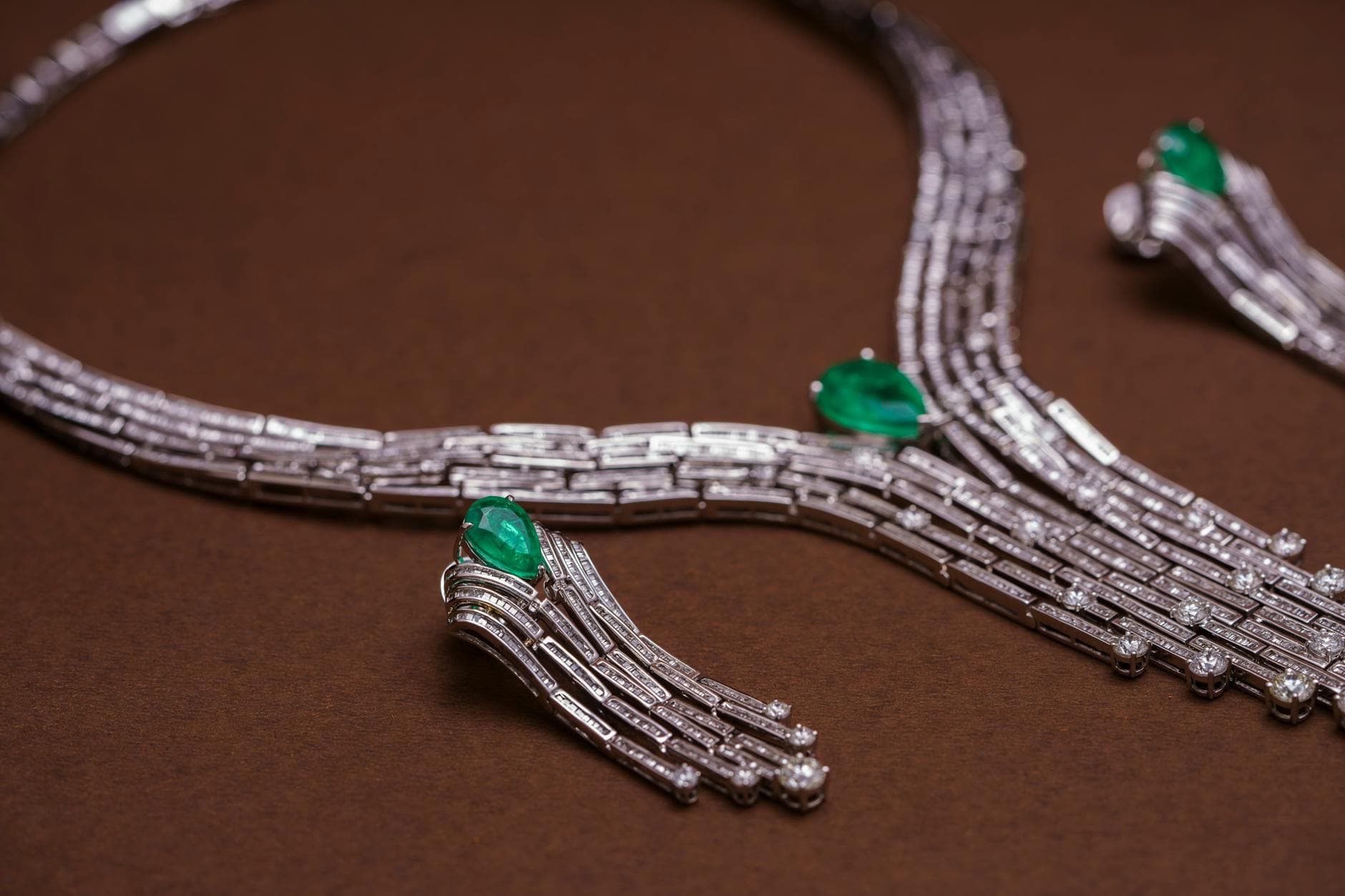
For a gift, the sweet spot is often a stone that looks saturated and elegant rather than oversized. A well-cut emerald with clean visual presence can feel far more expensive than a larger but sleepy gem, especially when it comes from a respected source like Colombia. The origin story should support the beauty, not compensate for its absence.
How to care for emerald without damaging it
Emerald care is where many buyers go wrong, because the stone’s beauty can be undermined by the wrong kind of cleaning. The safest at-home approach is simple:
- Use warm soapy water.
- Clean with a soft brush.
- Skip ultrasonic and steam cleaners.
GIA warns against ultrasonic and steam cleaning for emeralds because vibration can weaken fractured stones and heat can drive out oil or resin. That risk is especially important given how common fracture-filled emeralds are. If your stone has been treated, a re-oiling appointment every two or three years can help preserve its appearance and keep the gem looking full and lively.
That maintenance reality is not a flaw. It is part of emerald ownership, and it is why the stone rewards a buyer who values ritual as much as radiance. If you understand that emerald asks for care, you are less likely to damage it and more likely to enjoy it for what it is: a gem with a lot of life inside it, and a little vulnerability around the edges.
Why emerald works so well as a gift
Emerald has one of the strongest occasion profiles of any birthstone because it belongs to more than one celebratory calendar. It is traditionally linked to the 55th wedding anniversary, but it is also associated with the 20th and 35th anniversaries. That overlap makes it unusually flexible for May birthdays, milestone gifts, and bridal jewelry chosen for meaning rather than trend.
It also gives the giver room to be thoughtful. A May birthstone piece can feel personal without being overly literal, and emerald’s connection to rebirth and renewal makes it especially apt for spring. When the stone comes from a notable source such as Colombia, the gift gains another layer of story, one that can be felt immediately even by someone who has never studied gemology.
The best emerald gift is not the hardest one, the biggest one, or the most heavily marketed one. It is the one that understands the gem’s truth: emerald is gorgeous because it is vivid, historic, and slightly high-maintenance. That combination is exactly what makes it feel precious.
This article was produced by Prism’s automated news system from verified source data, official records, and press releases, then run through automated quality and moderation checks before publishing. The system is built and supervised by the people who set the standards it runs under. Read our full AI policy.
Did this article answer your question?