Designers adapt to record gold and platinum prices with smaller collections
Gold and platinum are forcing diamond designers to work leaner, trade weight for creativity and protect value with sharper stone-first stories.
Metal is now the margin story
At $5,340 an ounce, gold has turned every setting into a cost decision, and diamond jewelry is feeling the squeeze first. Platinum, once the quieter white-metal alternative, has climbed too, reaching about $1,960 an ounce and narrowing the room designers once had to build generously.
That pressure is changing more than pricing. It is changing the look of the work, the size of the collections, and the way brands explain value to shoppers who still want a piece to feel substantial even when the metal content is leaner.
Smaller collections, tighter assortments
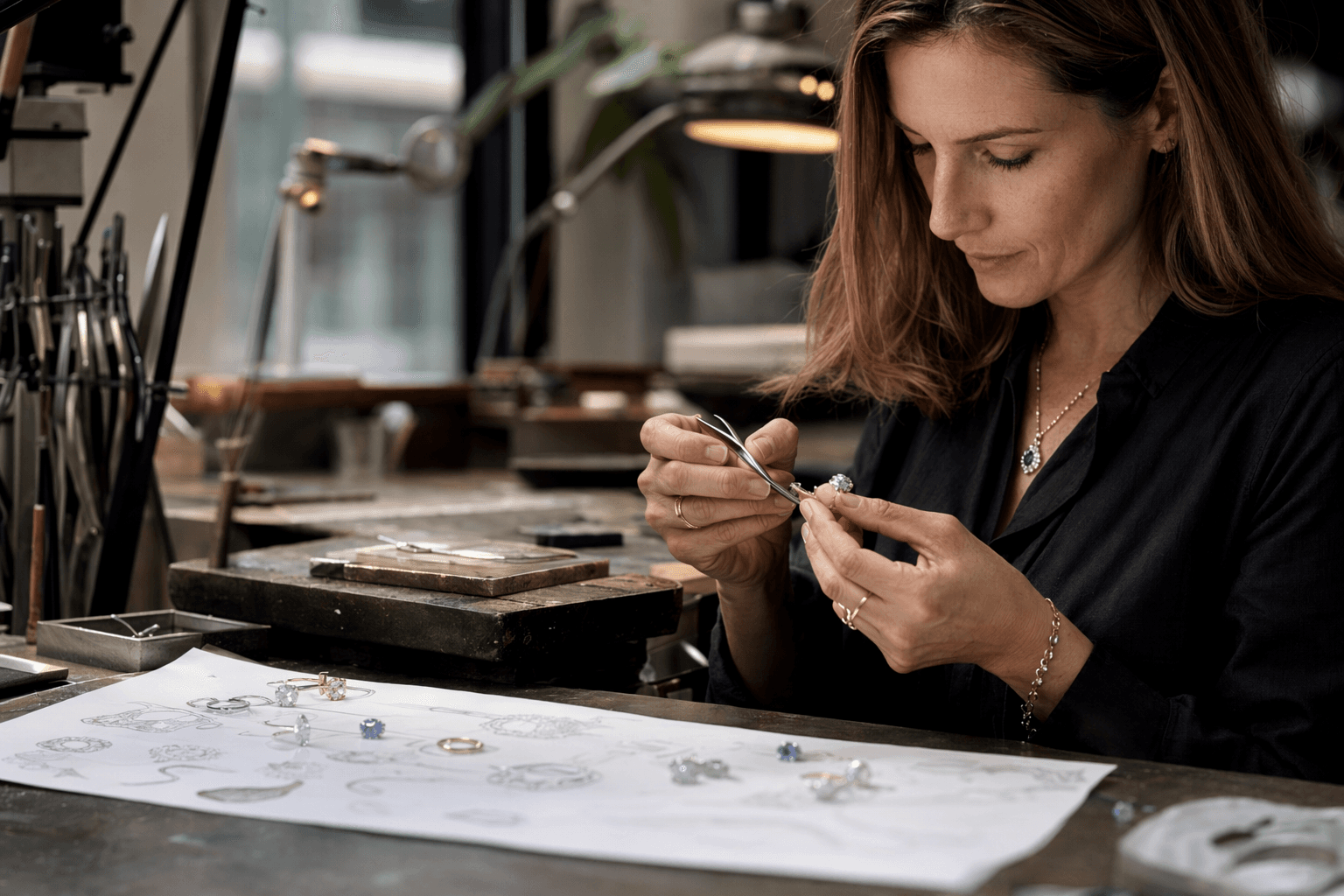
Designers are responding by making fewer, more deliberate pieces instead of sprawling seasonal ranges. That shift matters commercially because smaller collections reduce the amount of precious metal tied up in inventory, make replenishment easier to control, and give retailers a cleaner story on the sales floor.
The smartest collections are not simply lighter versions of old bestsellers. They are edited for balance, with more attention paid to silhouette, stone placement and the visual impression a piece makes from arm’s length. In practice, that means a ring can feel bold without relying on a heavy shank, and a pendant can read as luxurious because of proportion rather than sheer gram weight.
What innovation looks like in commercial terms
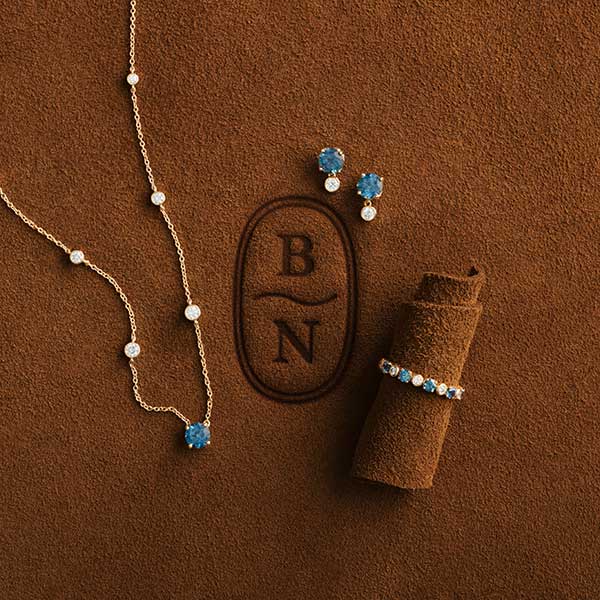
Innovation in this market is not a slogan. It is a way to protect sell-through when raw material costs keep rising. Designers are working with smaller center stones, slimmer frames, and construction that puts the visual emphasis on the diamond rather than the metal supporting it.
- A tighter, more cohesive collection looks curated rather than cost-cut.
- Less metal lowers exposure to price swings, which helps protect margins.
- Stronger silhouettes and cleaner proportions keep pieces from feeling underbuilt.
- Stone-forward designs let retailers sell the story of brilliance, size perception and craftsmanship, not just grams of gold.
That can preserve perceived value in a few ways:
The result is a different kind of richness. Consumers may not get as much metal, but they can still get presence if the setting is disciplined and the design language is clear.
Wood, leather and the return of contrast
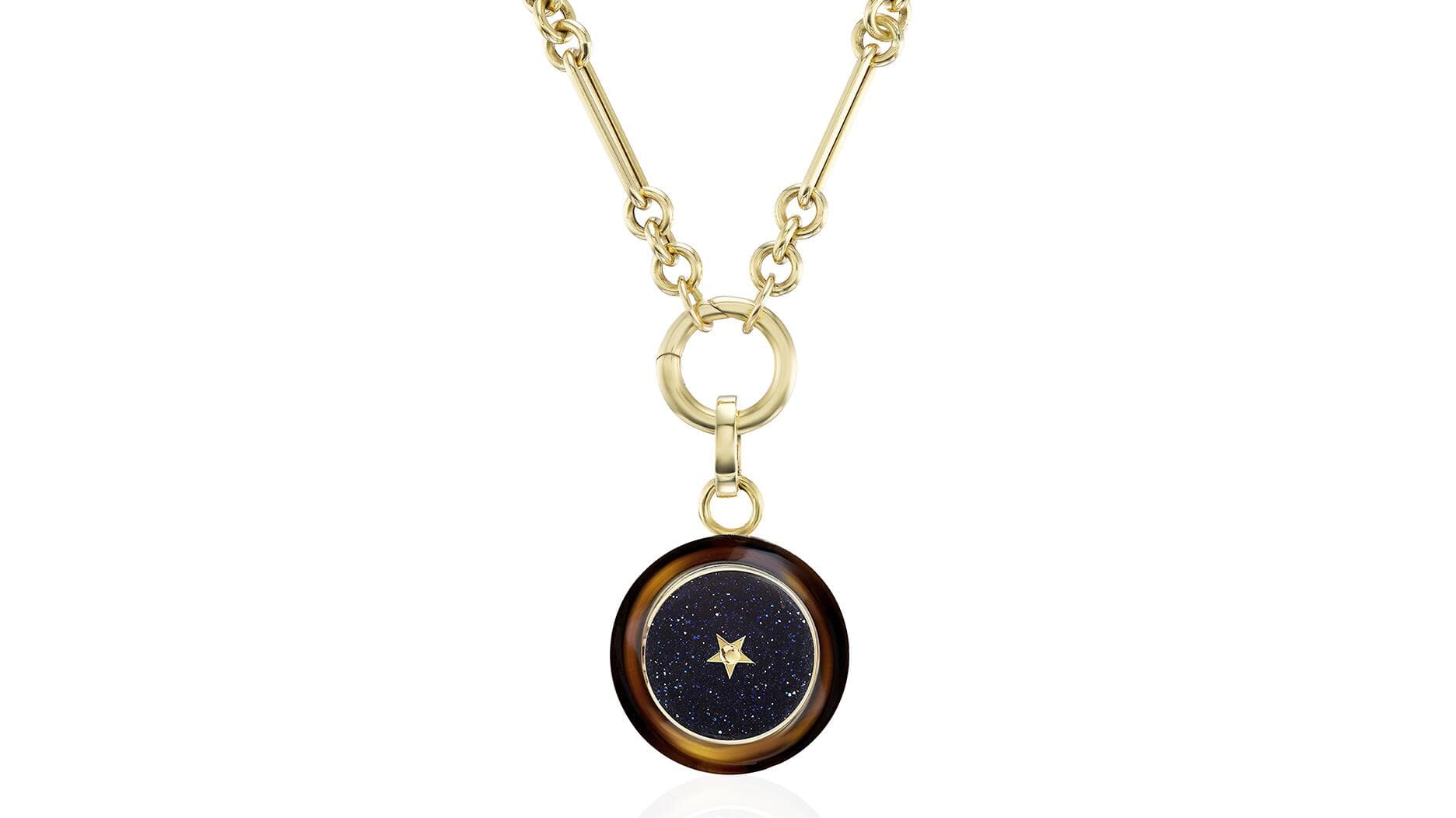
Some designers are moving beyond precious metal altogether and introducing materials like wood and leather. That does more than save cost. It adds tactile contrast, which can make a diamond look fresher and more contemporary while reducing dependence on gold or platinum as the only visual carrier of value.
Used well, mixed materials can also sharpen a brand’s identity. A diamond ring set against a wood detail or a leather cord reads as intentional, not stripped down, and that distinction matters when shoppers are asked to accept smaller proportions at higher price points. The danger, of course, is that mixed materials can look like a compromise if the workmanship is not precise, so the best pieces use them to heighten the diamond rather than distract from it.
Gold as a story, not just a cost
One of the more interesting shifts is that some designers are leaning into gold’s investment value instead of avoiding the subject. That is a commercial pivot as much as a creative one. If metal prices are high anyway, the strongest argument for a gold piece is not that it is cheaper, but that it carries intrinsic value alongside craftsmanship.
This kind of messaging works best when it is specific. Gold’s 2025 surge was dramatic enough to make the case on its own: the World Gold Council says the LBMA (PM) gold price set 53 new all-time highs that year, with an annual average of US$3,431 an ounce, up 44% year over year. It also says total gold demand, including OTC transactions, passed 5,000 tonnes for the first time. Those numbers give designers a credible backdrop for talking about gold as a material with enduring financial gravity, not just decorative warmth.

Platinum’s strange moment
Platinum’s story is more complicated. CME Group says global platinum jewelry demand rose 7% in 2025 to a seven-year high, helped by platinum’s discount to gold. That made it attractive for buyers and useful for jewelers looking for a white metal with prestige and a better relative price.
But the same source expects 2026 demand to contract 6%, with weaker demand from China and tariff-related headwinds in India. That matters because platinum often serves as a substitute when gold becomes too expensive, and that safety valve is less reliable when platinum itself is moving sharply higher. What once looked like a practical premium alternative is starting to behave like a pricey metal category of its own.
How jewelers are keeping the story intact
Retailers and designers are experimenting with several workarounds that protect both aesthetics and margin. Rapaport has reported on alternatives such as gold-plating silver, using more gemstones to reduce gold content, and leaning on lower-metal designs. Those tactics work only when the piece still feels complete, which is why the strongest examples usually shift value into the center stone, the proportion of the setting or the overall design rhythm.
Tariffs and trade uncertainty have added another layer of strain. Designer Jade Trau has pointed to the difficulty of separating gold prices from tariff pressure, and that combination matters because sourcing decisions now affect not just cost but timing, availability and what can be promised to retailers. In this climate, the best commercial answer is not to chase every trend, but to make fewer pieces that can hold their price, their shape and their story.
That is the real meaning of innovation in diamond jewelry right now. The winners are not simply cutting weight. They are building collections that feel intentional enough to command a premium, even as the metals beneath the diamonds refuse to stay still.
This article was produced by Prism’s automated news system from verified source data, official records, and press releases, then run through automated quality and moderation checks before publishing. The system is built and supervised by the people who set the standards it runs under. Read our full AI policy.
Did this article answer your question?