Online diamond sellers court shoppers with lab-grown and natural options
The sharpest online diamond deals now hinge on proof, not polish: lab-grown stones can be far cheaper, but grading, disclosure and return terms decide real value.
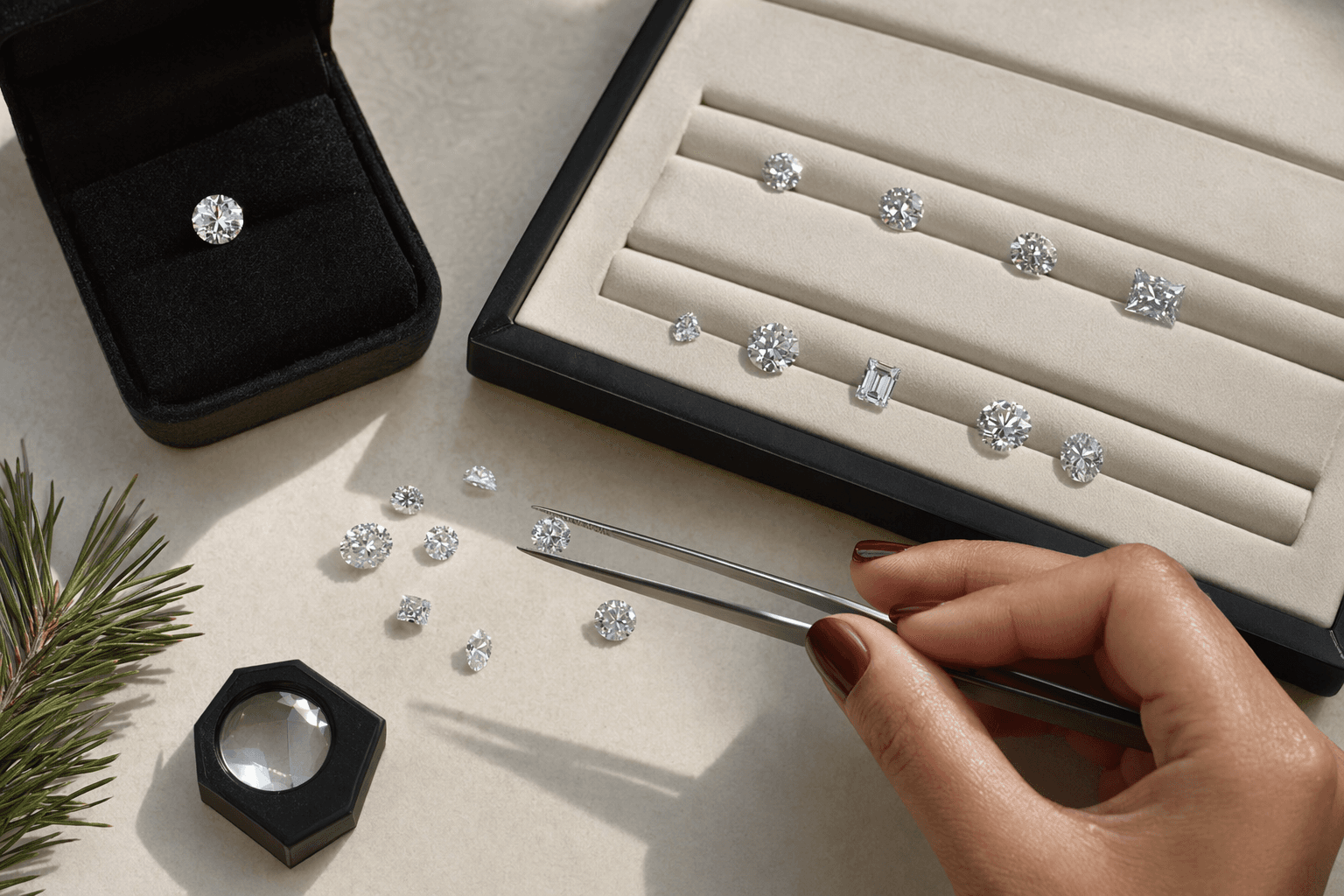
An unbranded 1-carat round lab-grown diamond averaged about $845 in early 2025, while a similar natural stone averaged about $3,895. That spread is why online diamond shopping is no longer just a hunt for sparkle, but a test of how much proof, provenance and flexibility a seller can put behind the price.
The market has changed, and the marketeer's language has changed with it
GIA says industry analysts projected that laboratory-grown stones would account for 20% of all diamonds on the market by 2025, and it now averages more CVD-grown submissions in a day than it once received in an entire year. That is not a niche shift. It explains why online sellers now have to carry both natural and lab-grown inventory with equal fluency, because buyers are comparing categories that once lived in separate aisles.
Consumer behavior has moved just as fast. The Knot's 2025 Real Weddings Study found that 52% of couples surveyed chose a lab-grown center stone for their engagement ring, and a 2026 report citing The Knot put that share at 61% of engagement ring purchases in 2025. Lab-grown is no longer a novelty in bridal shopping, and the online marketplace has adjusted accordingly.
Transparency is the first premium feature
The Federal Trade Commission is blunt about the basics: jewelry sellers must truthfully describe their products and disclose material information to consumers. For non-mined stones, terms such as "laboratory-grown" and "laboratory-created" are appropriate disclosure language, which means a seller cannot bury the origin of a stone behind vague romance copy.
That matters because the best online listings do more than show a pretty face-up image. GIA says laboratory-grown diamonds are laser-inscribed on the girdle with "Laboratory-Grown" and the GIA report number, while its natural diamond grading reports for loose stones can include a full 4Cs assessment and, for eligible natural diamonds, geographic origin. If a seller is serious about confidence, the stone, the report and the wording on the page should all agree.
How to compare online sellers without getting lost in the sparkle
A strong platform is less about a logo and more about the mechanics of trust. When you compare sellers for engagement rings, studs or custom builds, look first at grading consistency, because a loose stone with a credible report is much easier to evaluate than one described only with marketing adjectives. Then check imaging quality: high-resolution stills, video and magnified views matter when you cannot inspect prongs, facet pattern or inclusions in person.
The most useful comparison points are practical:
- Grading consistency: Prefer sellers that use the same reporting standard across most loose stones, especially for higher-value diamonds.
- Upgrade policies: A clear trade-in or upgrade path can reduce long-term risk if you expect to move up in size or quality later.
- Return windows: Longer, plainly written return periods are especially important for online engagement-ring purchases, where scale and sparkle can look different at home.
- Imaging quality: Look for multiple angles, honest lighting and close views of the girdle and faceting, not just a flattering hero shot.
- Custom-build support: If you want a solitaire, halo or matching studs, the seller should make setting options and lead times easy to understand before payment.
Those are not luxuries. They are the difference between buying a stone and buying certainty around the stone.
The price gap is real, but total value depends on the category you choose
McKinsey says the success of lab-grown diamonds has pushed natural-stone prices down and heightened consumer interest in traceability. That is the quiet tradeoff behind the online boom: lab-grown offers more size for the money, while natural stones can offer a different story of origin, scarcity and documentation. The stone you buy should reflect your priorities, not the seller's headlines.
De Beers said consumer demand for diamond jewelry in the United States was in line with expectations over the year-end holiday season, but rough-diamond trading stayed subdued in early 2025 because polished inventory remained heavy. Later, new U.S. tariffs on diamond imports from India added more pressure. For shoppers, that means the broader supply chain is still unsettled, and price, availability and dealer behavior can shift faster than the romance copy on a product page suggests.
What the best-buy decision really looks like
If the goal is maximum visual impact for the money, lab-grown has become the obvious entry point. If the goal is provenance, documentable grading and the option of geographic origin on eligible natural stones, a natural diamond still offers a different kind of confidence. The online seller worth trusting is the one that makes those differences legible before checkout, not after the box arrives.
In the current market, the most valuable diamond listing is the one that tells the truth about what the stone is, what the paperwork proves and what the total purchase actually buys.
This article was produced by Prism’s automated news system from verified source data, official records, and press releases, then run through automated quality and moderation checks before publishing. The system is built and supervised by the people who set the standards it runs under. Read our full AI policy.
Did this article answer your question?