Six consumer shifts shaping diamond jewelry demand in 2026
Gen Z, self-purchase and lab-grown price pressure are redrawing diamond demand, pushing retailers toward sharper storytelling, clearer value and more flexible assortments.
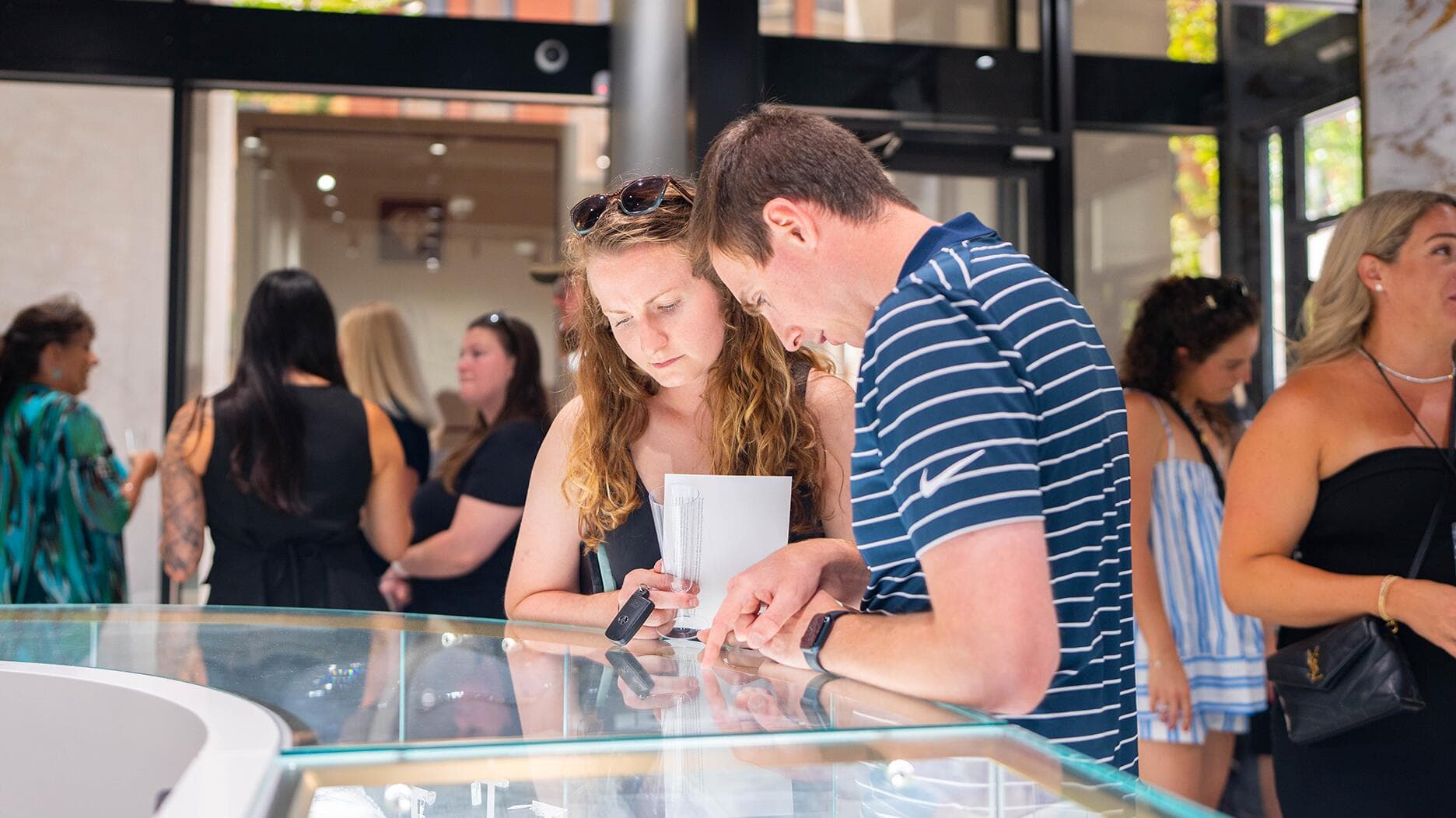
The modern diamond counter is being asked to do more with less certainty: sell rarity in a price-conscious market, court younger buyers who distrust old luxury signals, and defend natural diamonds just as lab-grown stones keep resetting expectations on size and cost. In that tension lies the retail playbook for 2026.
Gen Z is rewriting what luxury has to prove
Bain & Company says the luxury sector is facing its most far-reaching disruptions in at least 15 years, and Gen Z sits at the center of that shift. This generation is reassessing its relationship with luxury and, crucially for diamond retailers, is split between self-expression and conformity. That contradiction changes how diamonds should be merchandised: not as a single symbol of status, but as a choice that can signal identity, restraint, or rebellion depending on the setting and the story around it.
For the store floor, that means the language around diamonds has to become more specific. A round brilliant on a slim pavé band speaks differently from an old mine-cut reset in a cigar-band bezel, and younger buyers are paying attention to those distinctions. The winning sales conversation in 2026 is less about abstract prestige and more about how a stone, cut and mount reflect the wearer’s own codes.
Nostalgia is no longer sentimental, it is commercial
National Jeweler’s retail read on consumers points to nostalgia as a real buying trigger, especially among shoppers looking for something that feels inherited, even when it is newly purchased. That is not an accident of taste. In an uncertain economy, old references offer emotional ballast, and jewelry is uniquely suited to that because it already carries the visual grammar of memory: heirloom-style settings, yellow gold, softer profiles and cuts that feel discovered rather than engineered.
Retailers should treat nostalgia as a merchandising strategy, not a mood board. Art Deco geometry, signet silhouettes, old-world engraving and elongated antique-inspired stones can all help diamond jewelry feel personal rather than generic. The point is not to stage the past, but to give customers a way to buy permanence when the broader luxury market is under strain.
Lab-grown pricing pressure has made value legible
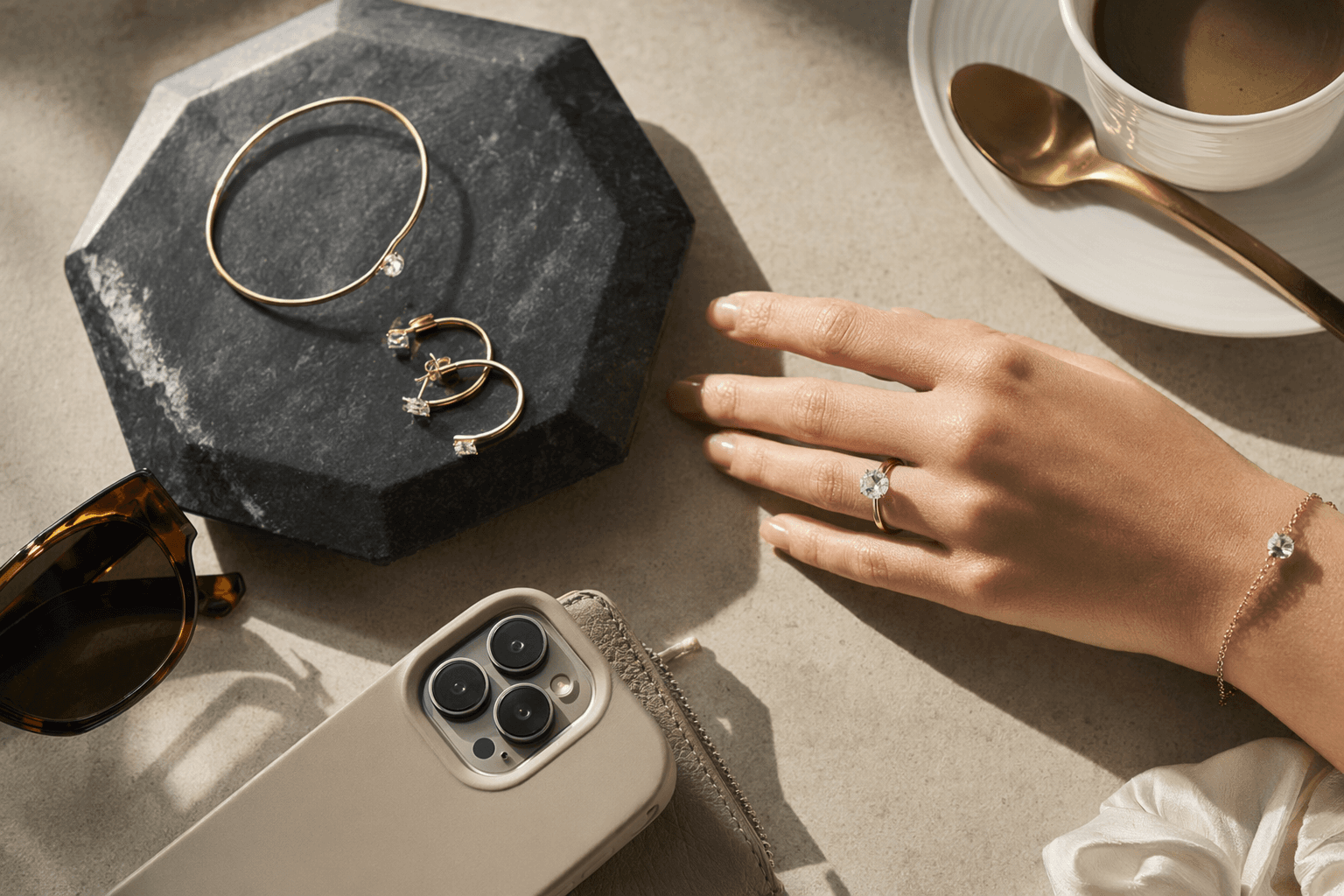
Lab-grown diamonds have forced the category to explain itself with far more precision. De Beers’ own moves make that plain: on May 8, 2025, it announced its intention to close Lightbox, the lab-grown jewelry brand launched in 2018 with transparent linear pricing of $800 per carat. A month later, on June 6, 2025, it introduced Ombré Desert Diamonds and ORIGIN, a pair of efforts meant to support natural diamond demand and differentiate De Beers-sourced polished stones.
That sequence matters to retailers because it signals where pressure is concentrated. Lab-grown is not only competing on sparkle; it is competing on price architecture, and natural diamonds now have to justify their premiums through provenance, rarity and branded identity. The smartest assortments in 2026 will separate “big look” merchandise from investment-value merchandise, making it easier for sales teams to articulate why one piece is meant for fashion impact and another for legacy.
Bridal still matters, but it no longer carries the whole market
The engagement ring remains the category’s emotional anchor, but it is not the whole story. The Natural Diamond Council says engagement rings accounted for 38% of total natural diamond jewelry sales in 2025, which means more than half of the category lives outside the bridal case. Natural Diamond Council data also shows that non-bridal made up 85% of pieces sold and 67% of sales value in 2024, a reminder that the most important business may already be happening away from proposals.
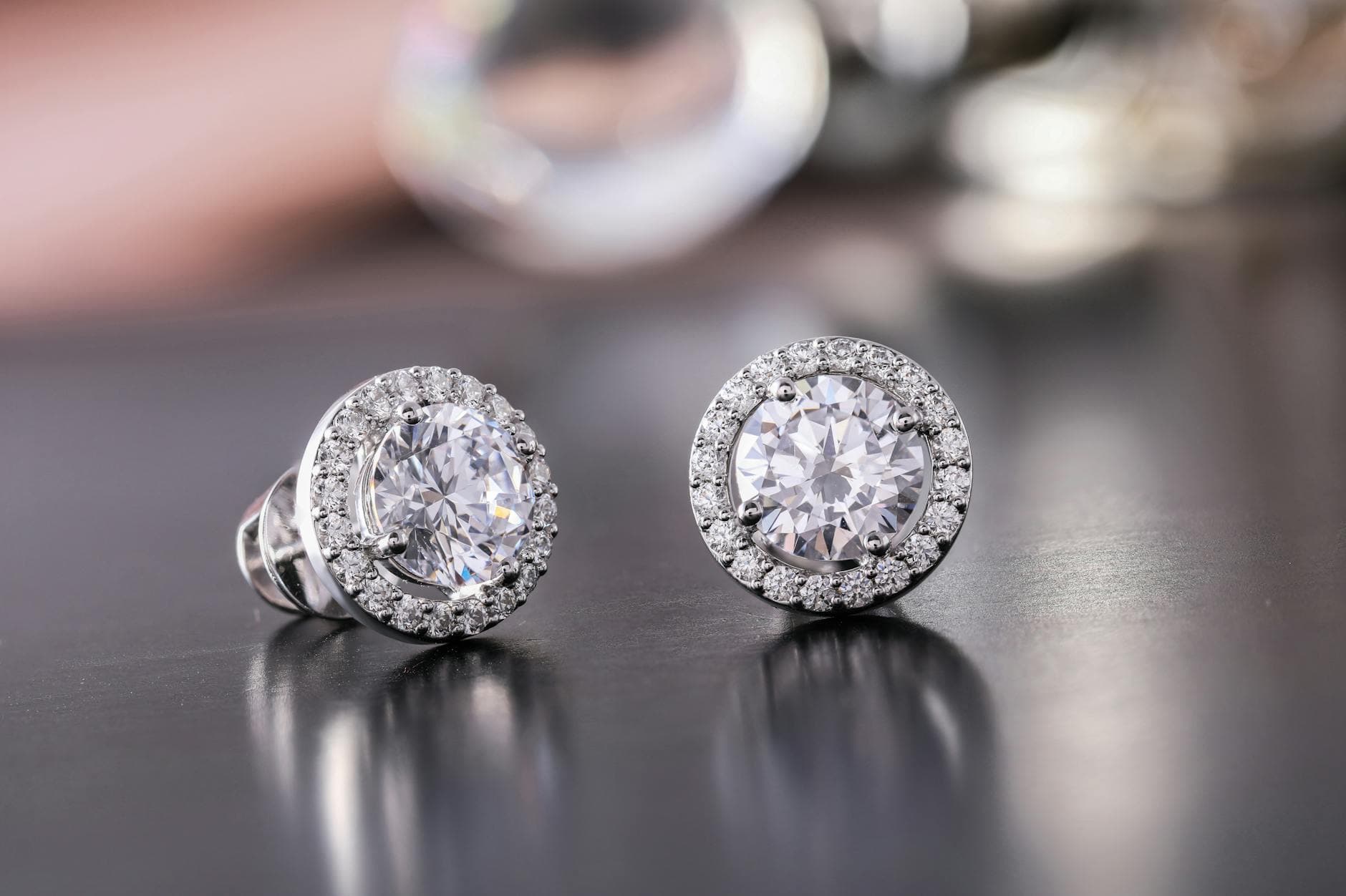
That should change how stores build inventories and campaigns. Bridal deserves authority, but not monopoly. A strong diamond business in 2026 will pair solitaire and halo engagement rings with tennis bracelets, earrings, pendants and right-hand rings that can be sold for anniversaries, promotions or personal milestones. The best retailers will stop treating bridal as the only emotionally serious purchase and start presenting non-bridal diamonds with equal narrative weight.
Self-purchase is becoming a central buying behavior
Ipsos research for De Beers found that more than 40% of women’s natural diamond jewelry sales by value were self-purchased, a figure that should reshape both merchandising and financing. Self-purchase favors pieces that feel immediate and wearable, not ceremonially gated. It also favors price points that can be reached without the social and financial choreography of engagement buying.
That is where flexibility matters. Retailers should make room for smaller natural diamonds with strong design integrity, offering everything from single-stone pendants to stackable rings and flexible earring systems. Financing should be framed as empowerment rather than indulgence, especially for customers buying a diamond to mark a promotion, a divorce, a birthday or no occasion at all. The emotional logic is still serious, but the purchase path is more personal and less prescribed.
Retail strategy has to reflect a global market under pressure
The macro picture is as important as the consumer one. De Beers says the United States remains the largest end-market for diamond jewelry, while India is the main cutting center for natural diamonds. It also said rough diamond trading conditions in 2025 were challenged by new U.S. tariffs on diamond imports from India, a reminder that pricing and supply-chain decisions can be shaped as much by policy as by taste.
Bain and Altagamma say global luxury spending is expected to remain broadly stable at about €1.44 trillion in 2025, but stability is not the same as ease. For diamond retailers, the implication is clear: assortment discipline, provenance storytelling and price clarity must all work together. The natural diamond case needs to feel more explicitly sourced, more carefully edited and more emotionally exacting, because the shopper now expects proof as much as beauty. In 2026, the winning diamond counter will not simply sell sparkle. It will sell a reason to believe.
This article was produced by Prism’s automated news system from verified source data, official records, and press releases, then run through automated quality and moderation checks before publishing. The system is built and supervised by the people who set the standards it runs under. Read our full AI policy.
Did this article answer your question?