Diamond discounts can mislead, experts say, value depends on quality
A deep discount can hide weak demand, not value. The smarter test is cut, certification and current market pricing, not the size of the markdown.
The discount is only the first question
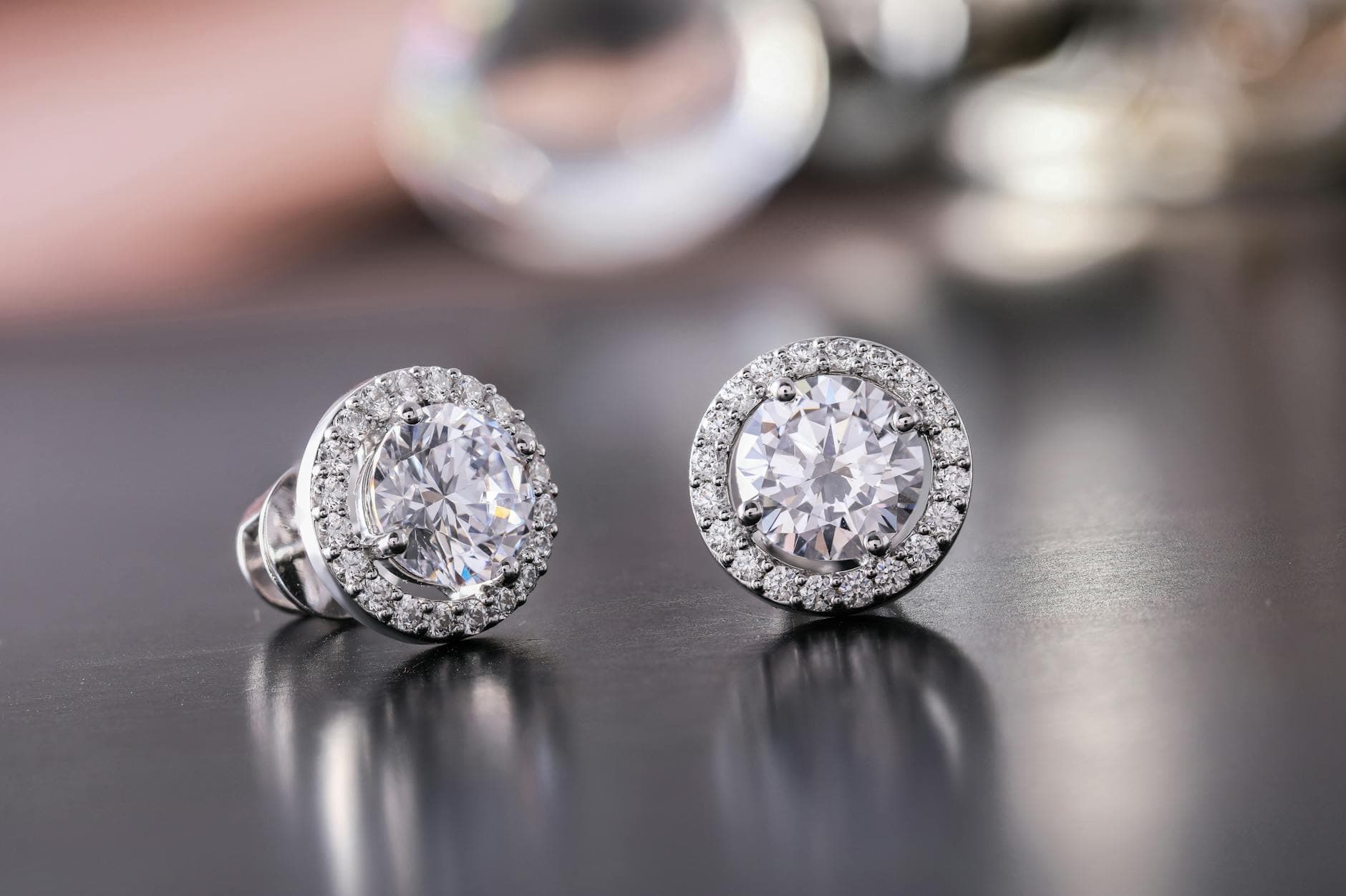
A steep markdown can feel like a coup, but in diamonds, the sticker shock is only the opening line. The real question is whether the price cut reflects a genuine shift in value, or simply a stone that was priced too aggressively to begin with. In a market where cut, color and clarity can move value materially, the bargain is never just the percentage off the tag.
That is especially true now, when the diamond trade is still sorting out demand patterns that look very different by size and category. A small commercial stone can carry a dramatic discount and still be poor value if the market is soft, while a larger or rarer diamond may hold its pricing far better. The discount matters only after you know what kind of diamond it is.
Why the 4Cs still decide what a diamond is worth
The Gemological Institute of America has spent decades making one point unmistakable: the 4Cs are the global standard for evaluating diamond quality. More important for shoppers, subtle variations in cut, color and clarity can create significant differences in a diamond’s value. That means two stones with the same carat weight can live in very different price worlds.
Cut is the most overlooked of the four, yet it is the quality that gives a diamond its life. GIA describes cut as the factor that fuels a diamond’s fire, sparkle and brilliance, and that is not marketing language so much as optical reality. A diamond with mediocre proportions can look flat even when the label sounds impressive, while a well-cut stone can appear brighter and more lively than a heavier one.
That is why GIA urges buyers to begin with accurate information and a grading report. A report does not just confirm what a diamond claims to be; it tells you what you are actually evaluating before a sale price persuades you to skip the details. Without that baseline, a discount is only a number.
What the market is telling buyers right now
The current pricing landscape does not reward casual assumptions. Rapaport said the diamond industry entered 2026 with the same cautious dynamics and concerns seen through much of 2025, and that caution showed up in the way prices split by size. In December 2025, polished prices above 1 carat held up, while diamonds under 1 carat fell sharply.
That divide matters because it shows how uneven demand really is. Rapaport’s January 2026 research report tracks average prices, discounts, inventory by country and search volume for 0.30-, 0.50-, 1- and 3-carat natural diamonds, a useful reminder that the market does not move as one clean line. The February 2026 report went further, saying the global industry was still trying to recover after three years of decline.
The shape of demand has also been selective. Rapaport reported that 2-carat-and-larger diamonds had been in demand for months, while goods around 1 carat and smaller were quiet. The reason, in part, was lab-grown replacement, which has taken a meaningful bite out of some of the commercial segments where consumers once expected the loudest bargains.
Why a big discount can mean very different things
A markdown on a 1-carat commercial stone does not carry the same meaning as a markdown on a well-cut, larger diamond with strong grading credentials. Rapaport’s 2025 annual report described the year as one of disruption, shaped by US tariffs, lab-grown influence and fragmentation in the polished market. In other words, the price you see may reflect supply chain pressure, category weakness or regional mismatch as much as it reflects the stone itself.

The gap between markets can be startling. Rapaport said 1-carat commercial goods were 18% more expensive in the United States than in India during the reported period. That kind of spread is a warning label for anyone treating a discount as a universal truth, because the same category can behave very differently depending on where the diamond is flowing, who is buying it and how much inventory is sitting unsold.
Even the strongest-looking reduction deserves comparison against the right peers. A 20% off tag is not impressive if similar stones in the same size, shape and quality range are trading lower elsewhere. The value question is not whether the discount sounds large, but whether the final price is aligned with the market segment that diamond actually occupies.
How to test whether the price is real
- Start with the grading report. If the diamond lacks one, the price should be viewed with extra caution.
Before believing a markdown, check the stone the way a dealer would:
- Compare cut first, not last. A superior cut can change how a stone looks and performs, and GIA makes clear that cut drives fire, sparkle and brilliance.
- Match size and segment. A 1-carat commercial stone is not priced like a 2-carat diamond, and it should not be judged against one.
- Look at color and clarity together. Small changes in either can shift value in ways a headline discount will not reveal.
- Compare against current market data, not the original asking price. Rapaport’s work on average prices, discounts and inventory is exactly the kind of context that exposes inflated anchors.
- Be careful with quiet categories. If diamonds under 1 carat are falling sharply while larger goods hold up, the discount may reflect weak demand rather than exceptional value.
This is where natural and lab-grown diamonds demand separate conversations. The pressure from lab-grown replacement has altered pricing behavior in some segments, especially around 1 carat and smaller, but larger natural diamonds are not following the same script. A serious buyer should ask not just what the discount is, but what market story produced it.
The bottom line
A diamond discount is not proof of value. It is a clue, and sometimes a misleading one. The smartest buyers read the stone first, the grading report second and the market third, because only then does the price tell the truth.
This article was produced by Prism’s automated news system from verified source data, official records, and press releases, then run through automated quality and moderation checks before publishing. The system is built and supervised by the people who set the standards it runs under. Read our full AI policy.
Did this article answer your question?