How to Style Diamond Necklaces for Every Occasion and Body Type
The chain length, neckline, and carat weight you pair together determine everything. A precise guide to wearing diamond necklaces that actually flatter.

Before you fasten a single clasp, consider this: the most common diamond necklace mistake has nothing to do with the stone. It's the chain length. Wear a 20-inch pendant with a crew-neck sweater and the diamond disappears into the fabric. Drop that same pendant on a plunging neckline and it reads exactly right. The geometry of necklace styling is specific and learnable, and once you understand it, every piece in your collection starts to work harder.
Start with the neckline, not the stone
The neckline you're dressing is the single most reliable guide to chain length. Crew necks and high-neck tops call for shorter chains, typically 14 to 16 inches, paired with delicate pendants that sit just above the collar. Anything longer disappears beneath the fabric or competes awkwardly with the neckline's edge. V-necks open up more range: a 16-to-18-inch chain with a solitaire drop echoes the angle of the neckline and draws the eye downward in a way that feels intentional rather than accidental. Low and open necklines, including strapless cuts and deep scoop necks, can carry longer ropes of 20 inches or more, where a pendant or diamond station chain has room to move and catch light without crowding the décolletage.
Strapless styles deserve particular attention: a choker or short princess-length chain, sitting at 14 to 16 inches, keeps the visual focus on the neck and shoulders rather than pulling the eye down toward the bust. For open button-downs, a choker paired with a mid-length chain at around 18 inches fills the collar space without looking overdressed.
Reading your frame
Body proportion changes everything about how a given length sits in practice. On a petite frame, a 16-to-18-inch chain maintains visual balance and avoids overwhelming a shorter torso. The same chain on a taller figure with a longer torso will sit higher than expected, often reading closer to a choker than intended, which means sizing up by two to four inches makes sense. For fuller figures, lengths in the 20-to-24-inch range help elongate the neckline rather than interrupt it; a chain that cuts horizontally across a wider chest tends to foreshorten the silhouette rather than flatter it. A longer, vertical drop does the opposite.
Long necks have a natural advantage with collar-style necklaces and chokers: a 14-inch collar that might look constricting on someone with a shorter neck sits elegantly on more length. If you fall into that category, it's one of the few places where a diamond collar or a continuous pavé band reads as chic rather than tight.
Everyday diamonds vs. statement moments
The carat weight and setting style of your diamond necklace should track the occasion with the same logic you'd apply to getting dressed. For daily wear, sub-0.5 carat solitaires and micro-pavé chains are the workhorses of the category. A solitaire pendant on a fine chain pairs as naturally with a crisp white shirt or a casual knit as it does with a cocktail dress; its simplicity doesn't compete with whatever else is happening in the outfit. Micro-pavé chains, where small diamonds are set flush along the entire length of the chain, add sparkle without weight and hold up better to the minor physical wear of an average day.
For formal occasions and events, the math changes. Larger center stones, multi-carat diamond collars, and tennis necklaces, which feature a continuous line of identically sized diamonds around the full circumference of the neck, are built for impact rather than versatility. They earn their moment under event lighting, alongside an evening gown or a structured blazer at a gala, but tend to read as overdressed against daytime or casual contexts. The distinction isn't about prestige; it's about scale doing the work it's designed to do.
The art of layering
Layering diamond necklaces well is a question of architecture. The foundation piece, a choker or a short chain sitting close to the neck, establishes the structure everything else builds on. From there, add graduated lengths: a 16-inch chain over the choker, then an 18-inch, then a 20-inch if the look calls for a third layer. Each step down in length should add enough visual distance from the piece above it to read as a distinct element rather than a tangled cluster.
Metal tone mixing works best when it's deliberate rather than incidental. Layering a yellow gold chain with a white gold diamond pendant can look purposeful and editorial; doing it because you grabbed the wrong necklace usually doesn't. Unless the overall aesthetic is openly eclectic, limiting the stack to one or two metal tones keeps the eye focused on the diamonds rather than the hardware.
A practical rule for layering: the anchor piece should be the most substantial, whether in diamond weight or chain gauge, and each subsequent layer should step down in visual weight. This prevents the bottom of the stack from looking heavier than the top and pulling the whole composition downward.
Texture as a tool
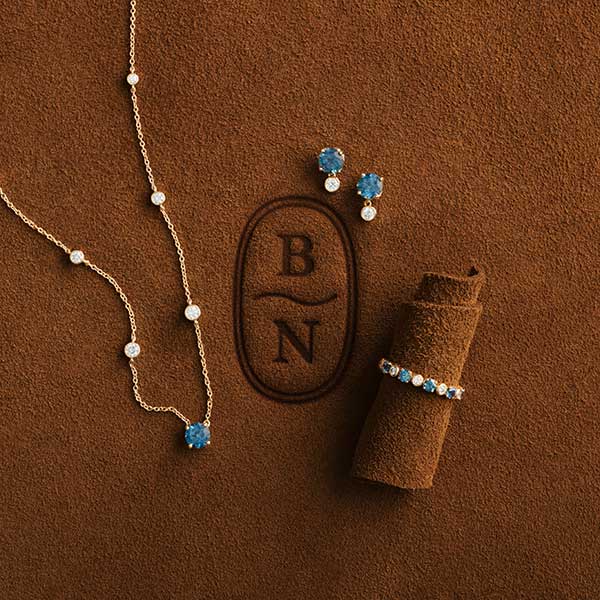
One of the most underused techniques in diamond necklace styling is the texture contrast. Pairing a diamond station chain, where single stones are spaced at regular intervals along a fine chain, with a plain curb chain creates a visual rhythm that makes each diamond read more distinctly than it would against an all-diamond or all-plain backdrop. The contrast in surface finish, one reflective and geometric, the other smooth and unadorned, gives each piece space to be seen without adding bulk to the stack. It's the same principle behind pairing a textured fabric with a smooth one: the difference amplifies both.
This approach works equally well at both ends of the budget spectrum. A sterling curb chain alongside a white gold diamond station necklace produces the same visual effect as a more expensive pairing; the contrast does the work, not the price.
Settings and clasps for an active life
If you wear diamond necklaces regularly rather than only for occasions, the mechanical details matter as much as the aesthetic ones. Bezel settings, where a rim of metal encircles the diamond, offer more protection for the stone during daily movement than prong settings, which hold the diamond higher and leave it more exposed. For an active lifestyle, a lobster claw clasp or a box clasp with a safety catch is meaningfully more secure than a spring ring clasp, which can work open under repeated stress. It's a detail most people don't check until a piece goes missing.
Length adjustability is also worth prioritizing if you wear necklaces across a range of necklines. Many fine jewelers now build extender chains into their designs, adding two to four inches of range without compromising the integrity of the original chain. For a piece you intend to wear every day across changing outfits, that flexibility is genuinely useful.
The right diamond necklace isn't the most expensive one or the most elaborate one. It's the one wearing the correct length for your neckline, the right scale for the occasion, and set in a way that holds up to the life you actually lead. Get those three variables right and the diamond takes care of the rest.
This article was produced by Prism’s automated news system from verified source data, official records, and press releases, then run through automated quality and moderation checks before publishing. The system is built and supervised by the people who set the standards it runs under. Read our full AI policy.
Did this article answer your question?