Zendaya Layers David Morris Diamond Necklaces at Paris Premiere of The Drama
Zendaya layered three David Morris diamond necklaces worth six figures at the Paris premiere of The Drama, anchored by a 22.5-carat Wildflower piece estimated at $210,000.
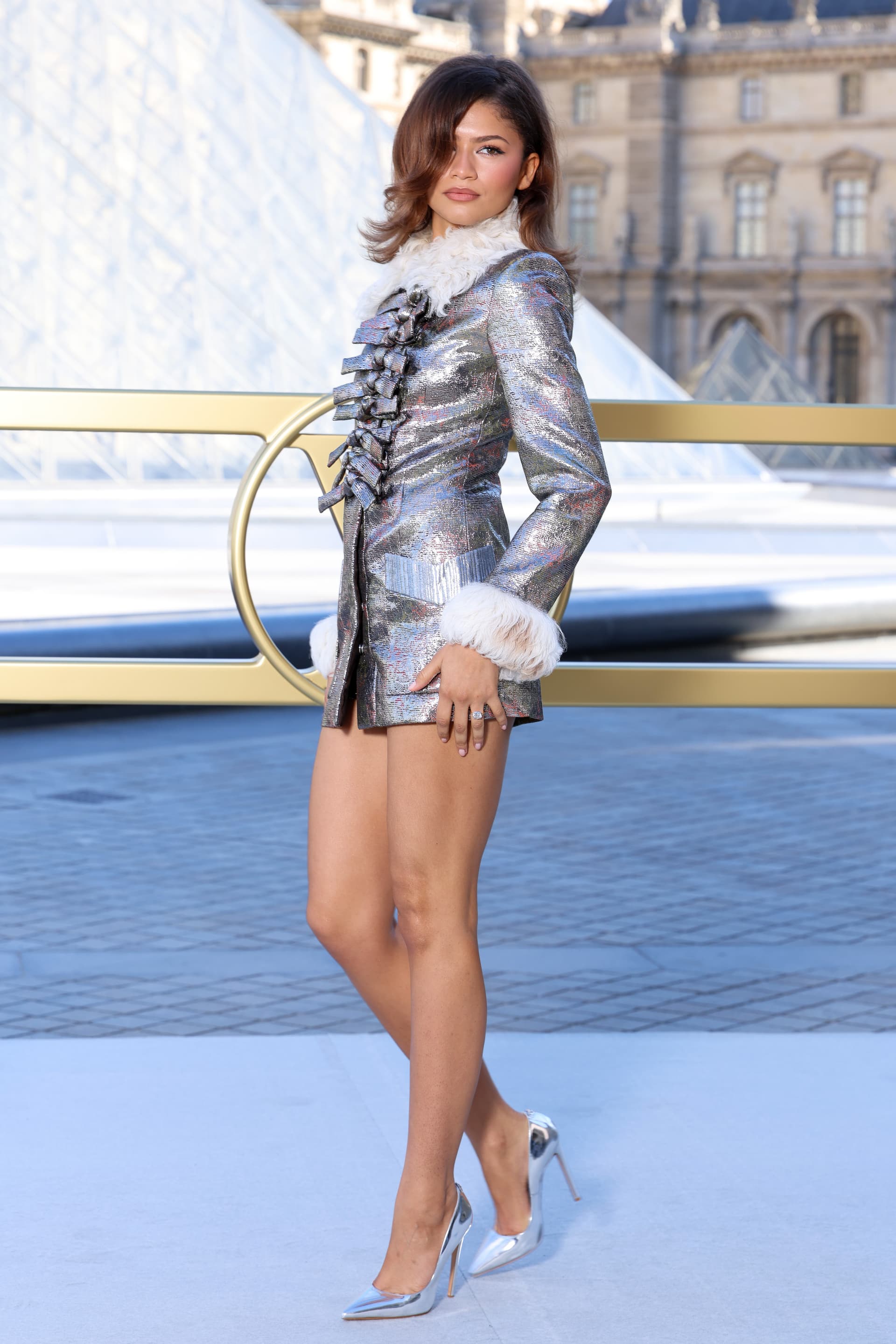
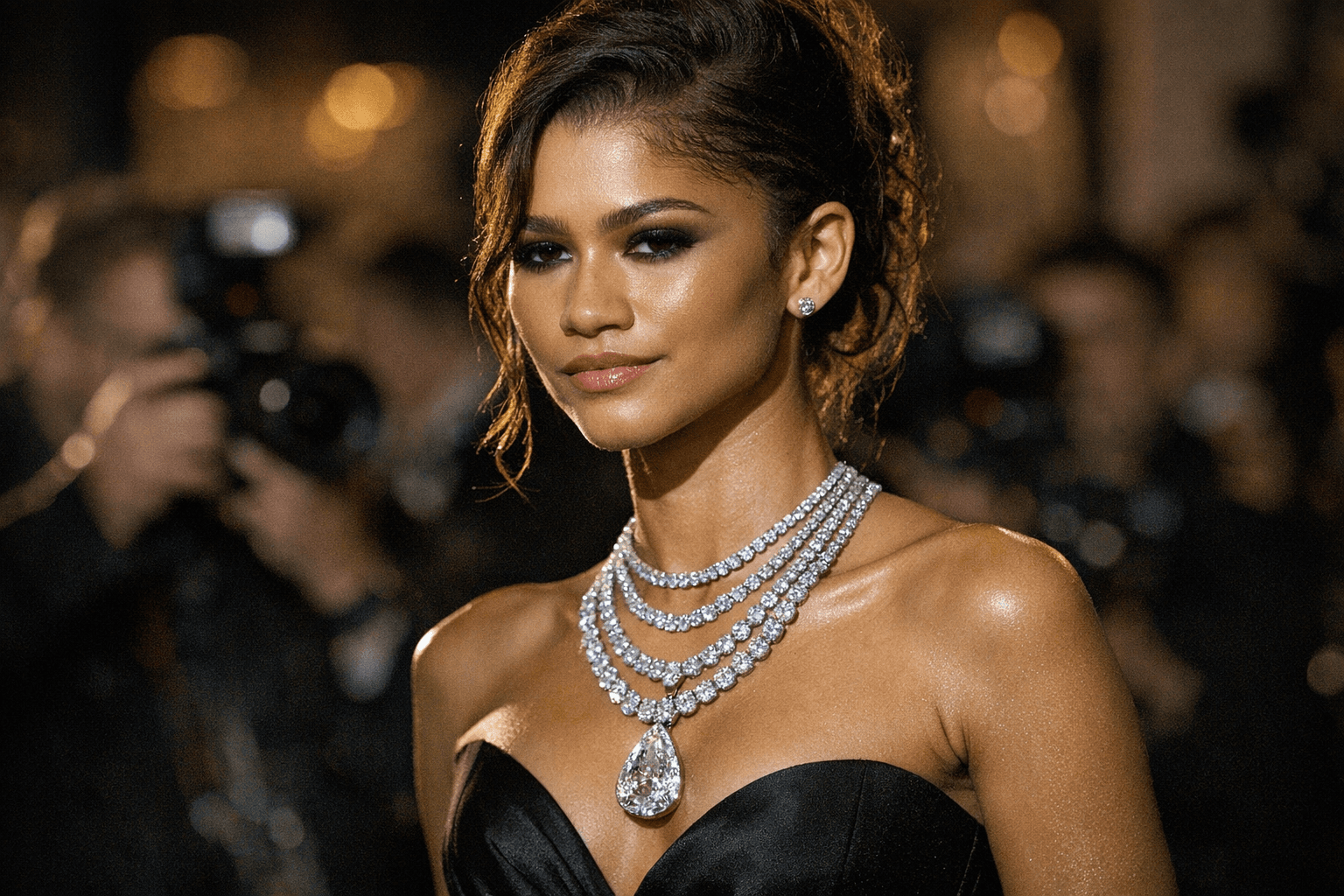
Before you spend a single dollar trying to replicate a red-carpet diamond moment, study what Law Roach built at the Paris premiere of The Drama on March 25. Zendaya arrived in a custom Louis Vuitton gown by Nicolas Ghesquière — bridal white, boat neckline at the front, and a dramatic square cut-out at the back anchored by an oversized black satin bow — and her neckline told its own story entirely. Roach layered three David Morris pieces simultaneously: the five-row Wildflower Necklace, the Rose Cut Graduation necklace, and the Rose Cut Cushion necklace, finishing with a pair of Frozen Kiss brilliant-cut stud earrings. The total effect was less accessory and more architectural. Six figures of white diamonds sitting flush against a white gown, and somehow it read restraint.
That number is not an abstraction. The centrepiece, David Morris's Le Jardin Wild Flower Necklace, carries a reported price tag of around $210,000 and features five cascading rows totalling 22.5 carats. That estimated price beats her engagement ring by about $90,000. The Rose Cut Graduation and Rose Cut Cushion necklaces flanked it at graduated lengths, functioning as the supporting architecture the Wildflower needs to read as a focal piece rather than an isolated statement.
This is the layering formula worth understanding: one piece dominates at the visual center, and the others step back in both length and stone weight. The Wildflower, set in 18-carat white gold, sits heaviest at the collarbone. Its five rows create a graduated collar that mimics the spread of a bridal necklace without the rigidity of a parure. The Rose Cut Cushion adds a shorter tier above, and the Graduation necklace drops slightly below, pulling the eye downward to elongate the neck. Three pieces, three distinct silhouettes, no competition for the same territory.
The reason this reads bridal without tipping into costume is almost entirely down to the cut. Rose-cut diamonds — the foundational stone in both the Graduation and Cushion necklaces — sit flat-bottomed with a domed crown of triangular facets. They scatter light gently rather than throwing it in flashes, which gives the overall look a softer luminosity closer to candlelight than disco. Against a white gown, brilliant-cut stones can feel aggressive. Rose cuts feel inherited. That distinction is doing significant work here.
On her hands, Zendaya wore David Morris's Three Row Rose Cut Diamond Ring on her left ring finger alongside a thin gold wedding band, the Morning Dew Double Flower Ring, and the Graduated Pear Shape Diamond Twist Ring. Her cushion-cut engagement ring was notably absent, a deliberate edit: mixing that stone with the suite of David Morris diamonds would have fractured the coherence Roach spent the entire press tour building. The thin gold band, alone, stayed because it disappears into the gesture without disrupting it.
The styling is an extension of what Roach calls "method dressing," a technique that pulls the aesthetic and emotional themes of a film directly into the press-tour wardrobe. For The Drama, every appearance built toward a bridal vocabulary: the gown, the all-white diamond palette, even the black bow at her back functioning as an architectural veil. The jewelry was not an afterthought bolted onto a fashion look — it was load-bearing narrative.
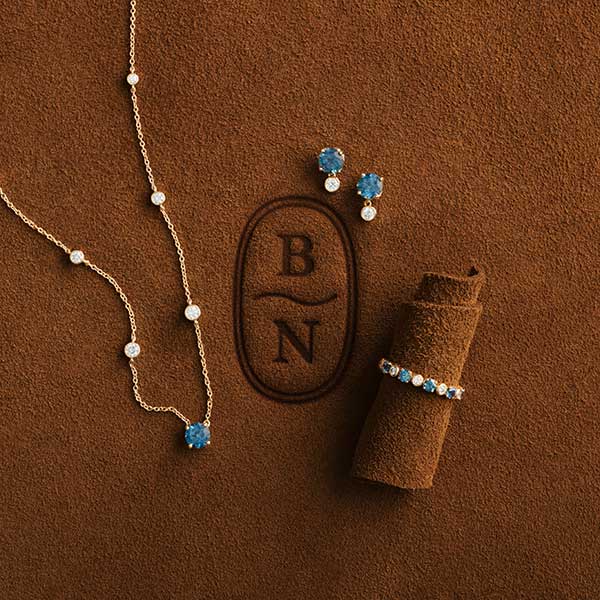
If you want to reconstruct this at any budget, the formula stays the same regardless of price point. At the high jewelry tier, David Morris's own Le Jardin collection offers the Rose Cut Cushion and Graduation necklaces in 18-carat white gold, both designed explicitly for layering — the brand's architecture assumes you will wear them together. For a comparable effect from another London or New York house, look for a five-row or three-row diamond necklace as your anchor, then source two single-strand diamond pieces at lengths that differ by at least two inches each. The fatal mistake at this tier is choosing three necklaces of similar weight; the Wildflower works because nothing else at the neckline competes with it.
At the fine jewelry tier, the rose-cut is still your most important variable. A single rose-cut diamond pendant on a delicate 16-inch chain makes a credible anchor for the look at a fraction of the cost. Layer it with a thin diamond-by-the-yard necklace at 14 inches for the shortest tier and a subtle graduated diamond station necklace at 18 inches below. The goal is to replicate the visual logic — collar, drop, sweep — not to match carat weight. At this tier, stick to 18-carat white gold or platinum; yellow gold will shift the temperature of the entire look and dissolve the bridal clarity.
At the budget-friendly and lab-grown tier, the rose-cut is more accessible than it was five years ago. Lab-grown diamond necklaces in rose-cut settings are now available from several fine jewelers at prices well under $1,500, and they carry the same soft light-scatter that makes the cut so useful here. The key at this tier is chain weight. Thin chains tangle. Use a necklace layering lasso or a three-strand clasp converter to keep all three pieces on separate tracks — otherwise the visual precision collapses the moment you move. One denser chain as the anchor piece also helps: it holds its position while the lighter chains settle around it.
The single rule that applies at every tier is this: choose a metal and commit. Roach frosted Zendaya's high neckline with six figures of white diamonds, and the coherence came precisely from that monochrome discipline. No yellow gold, no mixed metals, no colored stones. White diamonds on 18-carat white gold against a white gown — the only contrast was the gown's black bow and the geometry of the stones themselves. That discipline is what separates a layered necklace look from a tangled one. The Drama premiere will be studied as a masterclass in restraint disguised as excess.
This article was produced by Prism’s automated news system from verified source data, official records, and press releases, then run through automated quality and moderation checks before publishing. The system is built and supervised by the people who set the standards it runs under. Read our full AI policy.
Did this article answer your question?