Antique Cuts, Hidden Halos and Sculptural Bypass Rings Lead 2026 Trends
antique cuts, hidden halos and sculptural bypass forms are driving a shift toward personal, architectural engagement rings that blend heirloom detail with modern mechanics.
1. Antique cuts: Art‑deco precision and step‑cut clarity reclaim the center stage
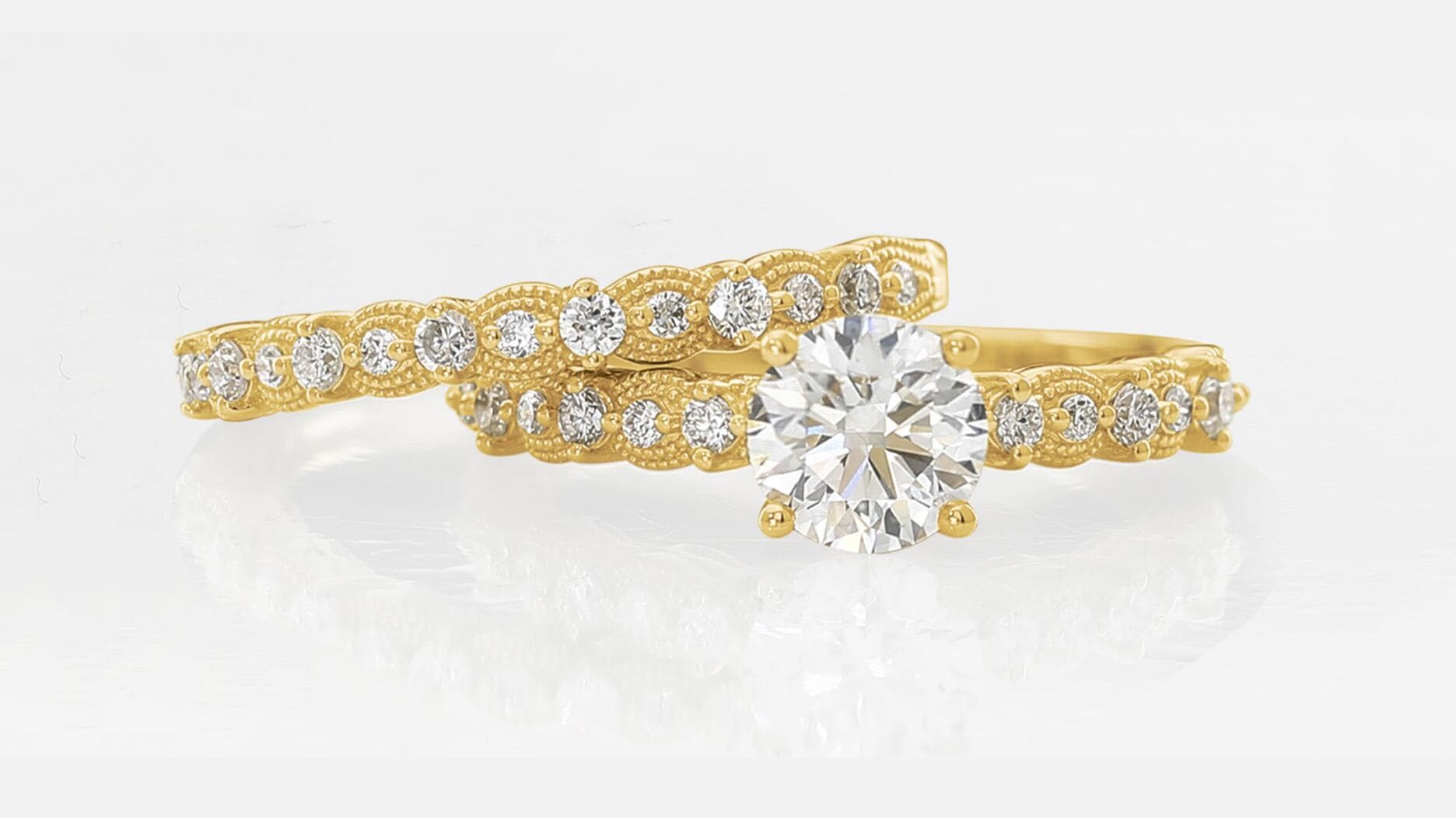
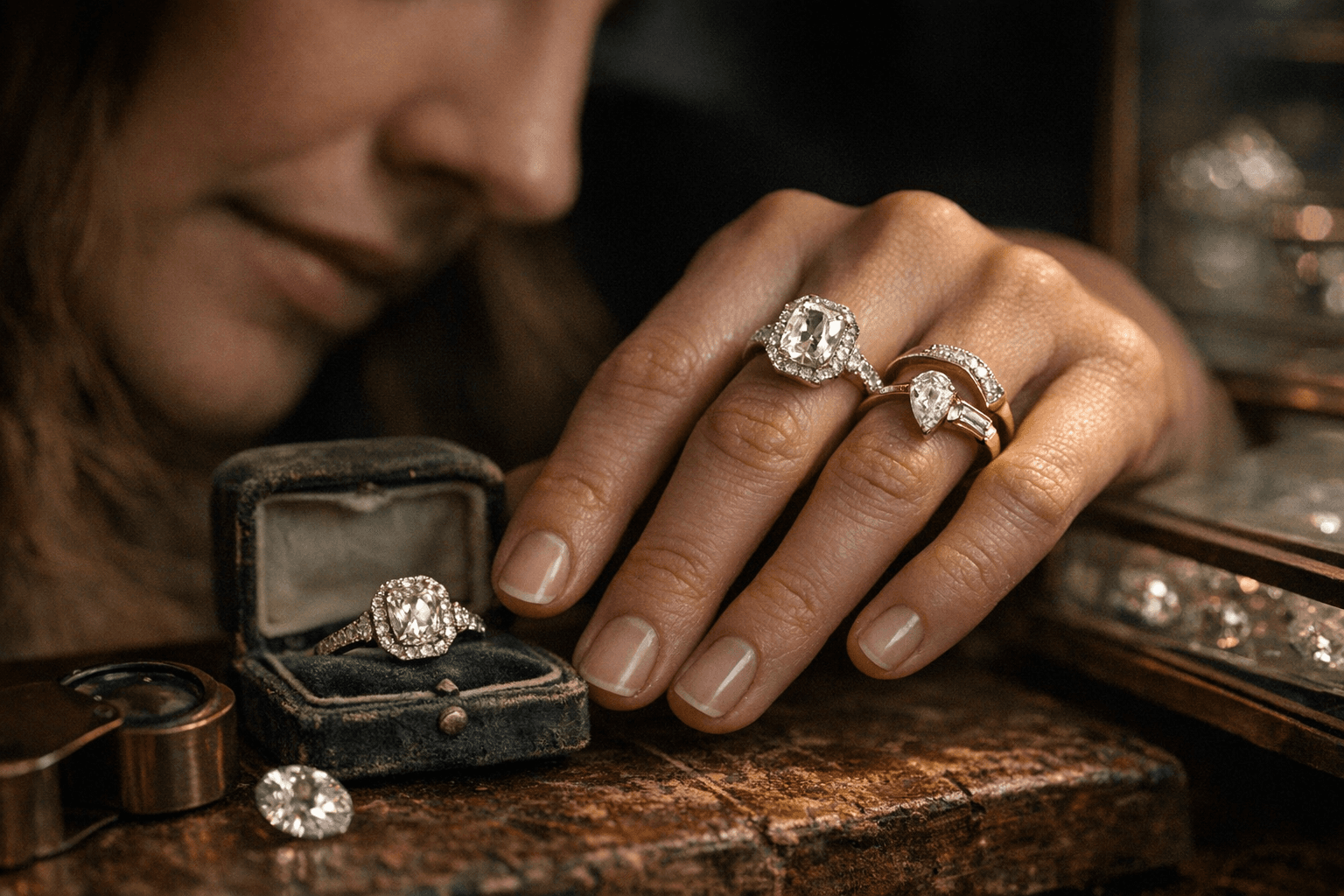
Antique‑cut center stones and Art‑Deco vocabulary are no longer niche flourishes but foundational choices for 2026 rings. Designers and retailers point to stepped geometry, Emerald and Asscher step cuts, for their “calm, transparent beauty,” a look VRAI calls out for its mirror‑like facets and emphasis on clarity; VRAI recommends either a modern solitaire or a multi‑stone composition such as a five‑stone ring to best show off these shapes. Brilliant Earth traces the influence back to Art Deco, noting “cleaner lines, more precise gemstone‑setting, and thoughtful proportions that honor the original style while feeling thoroughly modern,” a formulation attributed in their materials to Chen; expect milgrain edges, filigree galleries and geometric framing that read vintage at arm’s length but resolve with contemporary precision up close. Product examples live this hybrid: Brilliant Earth’s Edie Art Deco Diamond Ring, Hudson Engraved Ring in 18K yellow gold and the Celestia Milgrain (1/4 ct. tw.) demonstrate how antique silhouettes are being executed with tighter tolerances and simpler silhouettes, while Modern Luxury’s editorial specifically lists “antique‑cut center stones” among top looks, underscoring that third‑generation family houses, like Razny Jewelers, led by Graduate Gemologist Christine Razny‑Porter, are foregrounding heirloom cuts alongside modern collections. Practically, elongated and step cuts also change perceived size and profile: elongated cuts such as emerald and marquise often appear larger than a round of the same carat weight, making them a structural as well as aesthetic choice for those who want presence without excess spread.
2. Hidden halos and secret details: intimacy behind the brilliance
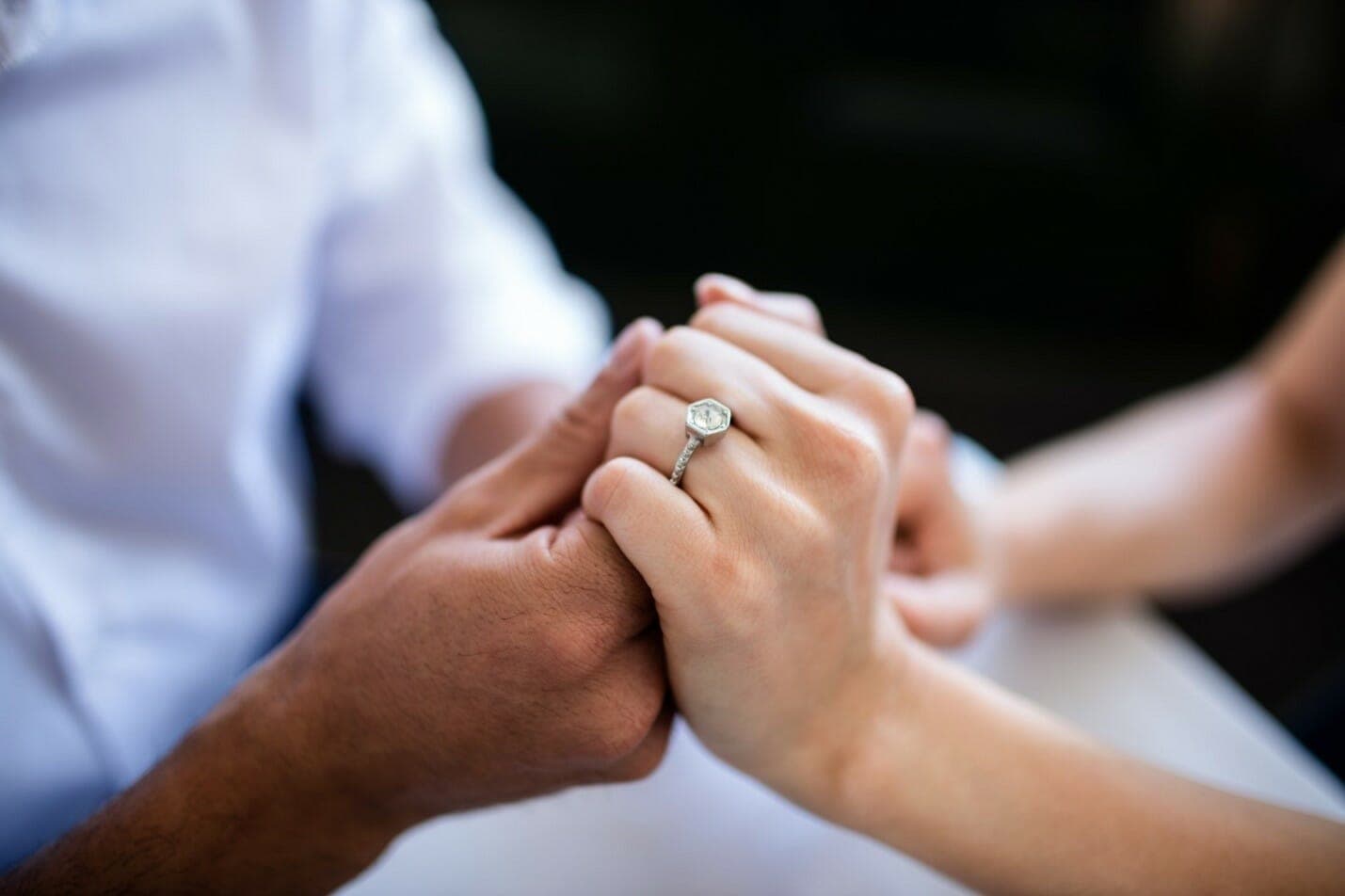
Hidden halos and other surprise mechanics have evolved from a boutique trick into a mainstream way to add story and sparkle without sacrificing a clean profile. VRAI captures the movement plainly: “Secret design elements, such as hidden halos, surprise accents, and personalized engravings, are defining 2026’s engagement ring trends,” and their buying guidance is specific, “choose a solitaire hidden halo or cathedral setting with pavé details for extra shimmer.” Modern Luxury’s trend language also flags “halo and hidden‑halo variations,” while VRAI’s East‑West guidance pairs the horizontal center stone with hidden halos or pavé bands as a tried‑and‑true way to heighten brilliance without changing the ring’s silhouette: “East‑West engagement rings are among the most sought‑after styles of 2026… choose an elongated diamond shape, like the Elongate Cushion, Emerald, Marquise, or more, for this style of setting to truly stand apart.” The Forever by Razny 18k yellow gold setting, specified for an emerald center with East‑West bezel‑set emerald‑cut side diamonds, is a concrete example of the hidden‑detail playbook: a turned‑side centre, protective bezel accents and the option to tuck a halo beneath the bezel or gallery so the extra sparkle is visible only in close inspection. Practically, hidden halos preserve the solitaire’s negative space from a distance while rewarding the wearer with micro‑pavé or personalized engraving that reads as intimacy rather than ornament.
3. Sculptural bypass and chunky settings: architectural silhouettes meet modern minimalism
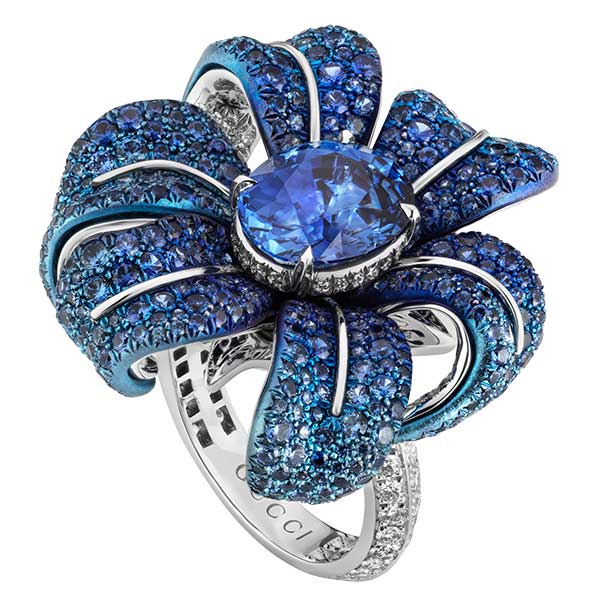
Sculptural and chunky rings, including bypass styles, are the counterpoint to restrained hidden details: large, architectural bands and unexpected metalwork assert a ring as jewelry first and symbol second. Rock My Wedding’s reporting captures the impulse: “Couples are gravitating toward larger carat diamonds that feel substantial, luxurious, and unforgettable, especially in timeless shapes like emerald, oval, marquise, and cushion cuts,” a preference that dovetails with the rise of sculptural bypass forms that wrap, overlap or twist around the center stone. Retail recommendations are pragmatic: for those seeking restraint, clean solitaires such as the Vera, Flora, or Eva settings are suggested; for maximal presence, cluster settings like Bella or Zara create a sculptural mass around a smaller center while maintaining overall balance. The bezel setting, “where metal fully encircles the stone”, is another structural technique that’s surging because it reads modern and offers protection; Chen’s observation that “these settings offer clean lines and architectural precision, with a visual effect that's decidedly modern” explains why bezel and bold shanks sit comfortably alongside more decorative vintage references. Three‑stone and multi‑stone configurations remain popular companions to sculptural aesthetics (VRAI lists Three‑Stone Settings as a core option), and retailers continue to marry these forms with color and material choices: Leah Blundell of Rock My Wedding notes that “colored diamonds, emeralds and gemstones speak to a desire for individuality and emotional storytelling,” and ValerieMadison explicitly tips that colored stones pair beautifully with yellow gold while white metals read cooler and more contemporary. Market context matters: Austenblake Us’s “2026 at a glance” snapshot puts solitaires at the top of sales lists but shows shifting appetites, trilogy and gemstone rings rising, lab‑grown diamonds “remaining popular,” yellow gold topping sales, men’s engagement ring sales up +205% and an average spend of £1,922, all figures that help explain why designers are offering both bold, sculptural statements and scaled‑back architectural pieces to meet diverse budgets and identities. Across the board, the 2026 moment favors jewelry that is both constructed and personal: heavy‑feeling bands, bypass curves and stacked profiles that can accommodate hidden halos, step cuts or colored gemstones create rings that read as modern heirlooms rather than single‑use signifiers.
Final point: the year’s defining shift is less about one silhouette topping charts and more about marrying precision craft, step cuts, milgrain, bezels, with playful personalization like hidden halos, colored stones and sculptural bypass mechanics, a combination that gives couples a ring that looks like it was always meant to be worn.
This article was produced by Prism’s automated news system from verified source data, official records, and press releases, then run through automated quality and moderation checks before publishing. The system is built and supervised by the people who set the standards it runs under. Read our full AI policy.
Did this article answer your question?