Blue Nile Explains Pros and Wearability of Six Popular Engagement Ring Settings
Blue Nile breaks down how six classic settings, solitaire, halo, three‑stone, bezel, tension and pavé, trade off daily wearability and aesthetic impact.
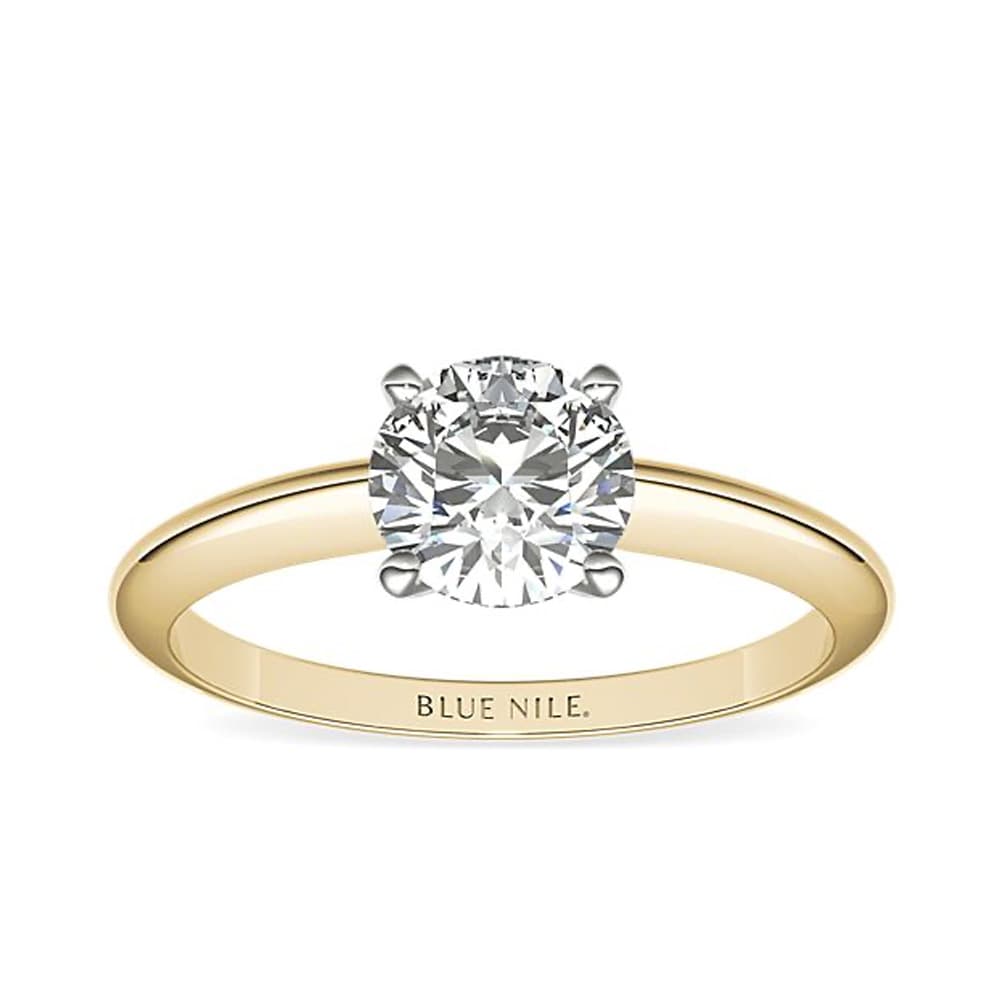
Blue Nile’s educational pages walk buyers through the practical and aesthetic pros/cons of common engagement‑ring settings: solitaire, halo, three‑stone, bezel, tension, and pavé. The guide explains how each setting affects daily wearability, and it places those choices alongside diamond fundamentals, so that technique, shape and the 4Cs work together in a finished ring. A craftsperson working on a custom engagement ring in the Blue Nile workshop will likely use the term setting when referring to the technique that’s used to set a diamond in place.
1. Solitaire
Blue Nile lists solitaire as one of the six core settings and frames it as a defining, pared‑back choice that emphasizes the centerstone. The guide treats solitaire not simply as style but as a setting technique whose visual impact is strongly shaped by the cut and shape of the diamond centerstone, a point Blue Nile highlights when noting that "a major factor defining the look of our most popular engagement ring styles is the shape of the diamond centerstone." Because Blue Nile pairs setting advice with the basics of the 4Cs, the page encourages buyers to consider how cut and carat will read in a solitary presentation while acknowledging that mastering those nuances "might even make you feel overwhelmed."
2. Halo
Blue Nile includes halo among the six popular settings and positions it as an aesthetic strategy that alters perception of the centerstone’s size and brilliance. In the educational material, halo is presented not as an isolated fashion decision but as one that interacts with the diamond’s shape and proportion, factors Blue Nile flags repeatedly as central to a ring’s final look. The guide situates halo setting guidance within practical wear considerations as well, explaining that each setting choice has both aesthetic and daily‑wear implications.
3. Three‑stone
Blue Nile names three‑stone as a classic configuration and treats it as a narrative device as much as a setting technique: three stones create compositional balance that depends on centerstone shape and scale. The educational pages make clear that choosing three stones involves more than matching gems, it requires attention to the 4Cs and to how the combined silhouettes sit on the finger, with Blue Nile acknowledging that those technical choices can be complex enough that "trying to master the nuances of these principles might even make you feel overwhelmed." Blue Nile’s guidance frames the three‑stone option within wearability considerations so buyers can weigh visual intent against everyday use.
4. Bezel
Bezel appears on Blue Nile’s list as one of the six principal settings and is discussed in the context of setting technique: the guide treats setting as the craftsperson’s language for how a diamond is secured. That workshop framing, "A craftsperson working on a custom engagement ring in the Blue Nile workshop will likely use the term setting when referring to the technique that’s used to set a diamond in place", is particularly relevant for bezel, where the technique defines both silhouette and how the centerstone’s shape presents. Blue Nile equally pairs this technical explanation with wearability notes, urging buyers to think about the centerstone’s shape and the 4Cs when deciding whether a bezel suits their intended look.

5. Tension
Blue Nile lists tension alongside the other five settings and treats it as a deliberate technical approach in which setting technique is integral to the ring’s visual drama. The educational pages emphasize the connection between how a stone is set and the ring’s finished aesthetic, again reminding readers that setting is a workshop term for a specific technique, and place tension setting advice within the broader conversation about the diamond’s shape and the 4Cs. Blue Nile’s materials make clear that tension, like the other settings, carries both practical and aesthetic trade‑offs that buyers should weigh when considering daily wearability.
6. Pavé
Pavé is presented by Blue Nile as one of the most popular ways to add surface detail and visual texture to an engagement ring, with the guide treating pavé as a stylistic category tied to the ring’s overall composition. The educational pages connect pavé decisions to centerstone shape, reiterating that "a major factor defining the look of our most popular engagement ring styles is the shape of the diamond centerstone", and to the foundational 4Cs so that embellishment and stone quality remain in balance. Blue Nile presents pavé within its dual framework of practicality and beauty, helping buyers consider how fine detailing will perform in everyday life.
Conclusion Blue Nile’s educational pages place setting choice at the intersection of craft and design: the term setting, as used in the Blue Nile workshop, refers to the technique that both secures and sculpts a diamond’s presence on the hand, and the six settings, solitaire, halo, three‑stone, bezel, tension and pavé, are each treated in that light. The guide pairs those setting discussions with a practical primer on the 4Cs, "cut, color, clarity and carat", and stresses that mastering these principles can feel overwhelming, while also noting that the centerstone’s shape is a major determinant of style. So if you’re interested in customizing a ring to create an heirloom‑like feeling or you just want a style that’s uniquely you, a fancy‑shaped diamond may be a great way to go; Blue Nile’s pages are structured to help translate those aesthetic intentions into concrete setting and wearability choices.
Know something we missed? Have a correction or additional information?
Submit a Tip

