Couples Are Shopping Engagement Rings Together, Rewriting Proposal Traditions
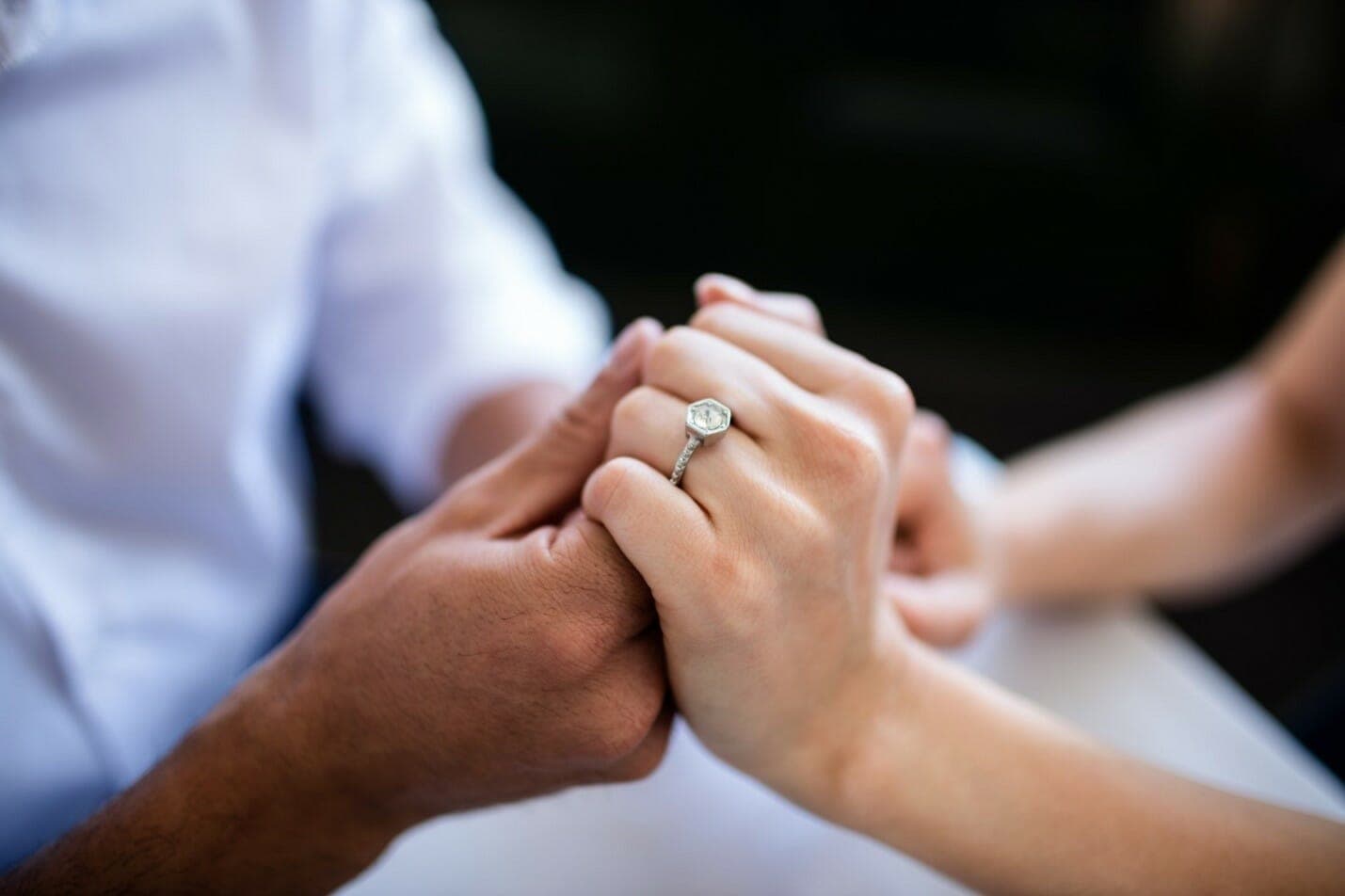
The proposal can still be a surprise, but the ring usually is not. New survey data shows couples are planning the purchase together, and that is changing timing, budgets, and who gets the final say.
The ring is becoming a shared decision
The most telling change in engagement culture is not that proposals have become less romantic. It is that more couples are treating the ring as a joint project long before anyone gets down on one knee. In The Knot’s 2024 Jewelry and Engagement Study, which surveyed more than 7,800 couples in the United States, 57% said they began discussing engagement and marriage more than a year before the proposal, 83% of proposers prepared ahead of time, and only 13% described the proposal as spontaneous. The old script, one person secretly shopping while the other waits in the dark, is giving way to something more deliberate and far more personal.
The surprise has not disappeared. It has simply moved. The Knot found that 83% of proposees still considered the proposal a surprise, even though more than half knew it was coming soon. That split explains a lot about the modern ring-buying process: couples want the emotional reveal, but they do not want to gamble on the symbol itself.
Private proposal, shared planning
Helzberg’s 2025 Engagement & Ring Shopping Survey captures the paradox neatly. Eighty-three percent of respondents said they prefer a private proposal, but 88% said they plan to share ring preferences before being engaged, and 59% wanted no involvement in the proposal itself. That is a precise line between ceremony and logistics. Many couples still want the moment to feel intimate and unposed, yet they want the ring to reflect a conversation, not a guess.
Brad Hampton, Helzberg’s CEO, described that balance as “intimacy without uncertainty.” It is a sharp phrase because it reflects what shoppers are actually asking for now. They want the proposal to feel heartfelt and personal, but they also want fewer wrong turns on shape, metal, setting, and budget. The ring is no longer an afterthought to the proposal. It is part of the relationship’s planning language.
Who is driving the final purchase
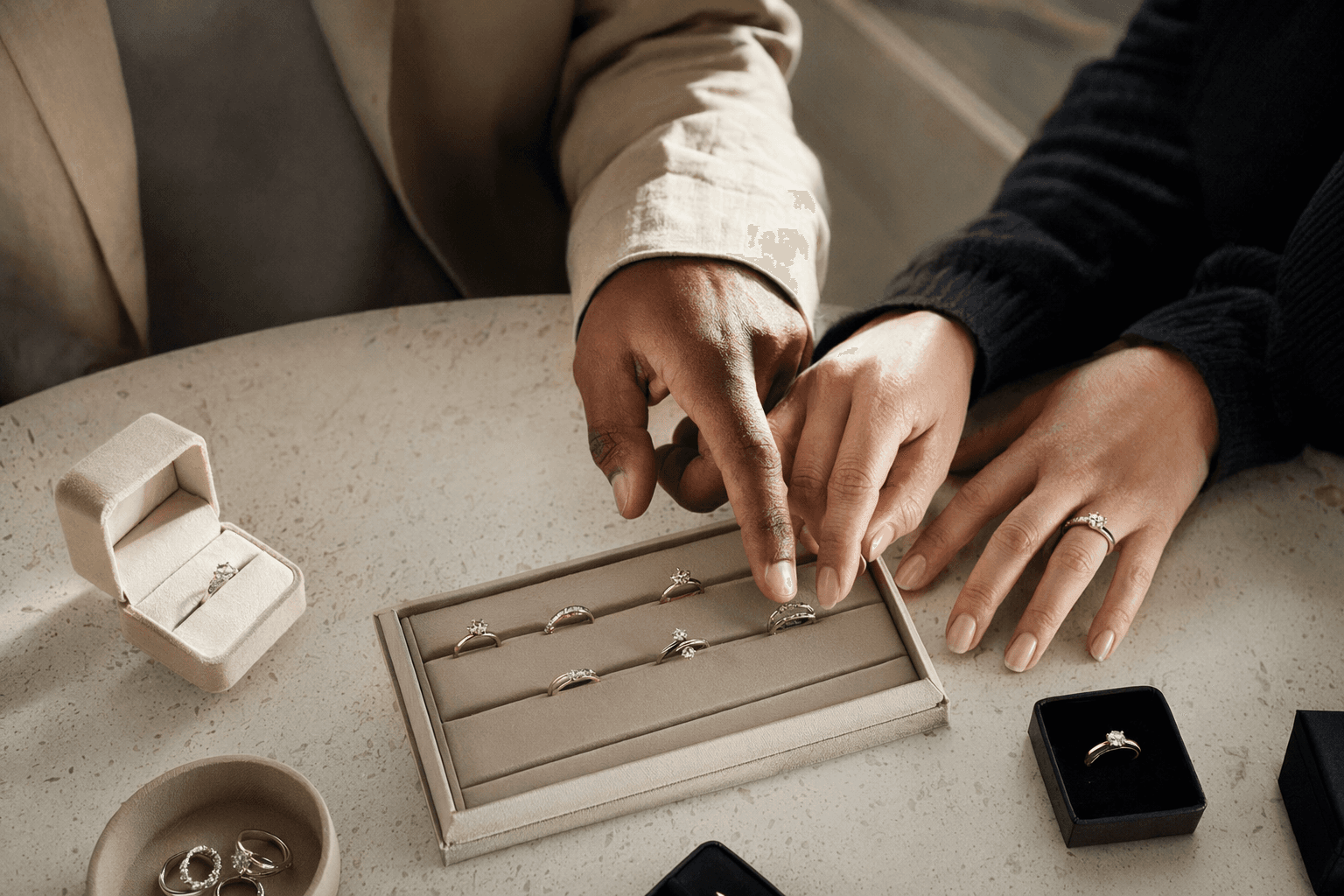
The Knot’s ring-shopping data shows just how collaborative that process has become. In a related article, the company said 77% of proposees had some involvement in selecting their engagement ring. Of those, 39% were somewhat involved by hinting or discussing what they wanted, 29% shopped with their partner, and 9% were present when the ring was purchased. That leaves very little room for the old image of a single, solo buyer making every choice in secret.
The timeline is more compressed than many shoppers assume. Proposers spent about four months or less selecting the ring and visited five stores on average before buying. That means ring shopping is often not a one-stop errand but a mini research project, with comparison shopping built in. For buyers, the practical lesson is clear: if the ring is part of the plan, start the conversation early enough to avoid paying for rushed decisions.
What this shift changes about budgeting
When couples shop together, the budget tends to become a negotiated number instead of an assumption. That matters because ring selection is rarely just about carat size or visual appeal. A shared process invites discussion about what feels right for daily wear, how much to spend up front, and whether the design should favor a larger center stone, a more detailed setting, or a cleaner, simpler look.
The speed of the purchase also changes the economics. Spending four months or less and visiting five stores on average suggests that couples are using the shopping phase to refine priorities rather than drifting into an impulse buy. That can help prevent overpaying for a ring that does not match the wearer’s taste, but it also means the budget has to be set with some discipline before the first showroom visit.
How design choices get sharper when both partners are involved
Collaboration tends to produce more specific design decisions. Instead of asking one partner to predict another’s taste, couples can compare preferences directly, which often leads to clearer choices about silhouette, scale, and overall look. The Knot’s newer 2025 engagement survey reinforces that shift, with 61% of couples saying they waited at least a year to discuss marriage and 68% saying ring shopping should begin at least three months before the proposal.
That longer runway matters because it gives room for thoughtful choices rather than default ones. It also reflects a broader move away from the idea that the proposer alone should drive the purchase. Social media research, in-store expertise, and personal style now shape the process together, which is why the best ring decisions increasingly happen through conversation rather than secrecy.
What couples are really buying now
What stands out in these surveys is not just a preference for collaboration, but a preference for clarity. Couples want the proposal to remain emotionally charged, but they want the ring to feel like it belongs to both of them from the start. The result is a quieter kind of surprise, one built on planning instead of guesswork.
That is the real rewrite of proposal tradition. The question is no longer whether the ring should be chosen alone or together. For most couples, the answer is both, with one person carrying the surprise and both people shaping the symbol that follows.
This article was produced by Prism’s automated news system from verified source data, official records, and press releases, then run through automated quality and moderation checks before publishing. The system is built and supervised by the people who set the standards it runs under. Read our full AI policy.
Did this article answer your question?