FTC Updates Jewelry Guides, Tightening Lab-Grown Diamond Disclosure Rules
The FTC updated its Jewelry Guides to require clear disclosure of whether diamonds are lab-grown or natural, and whether stones have been treated with heat, irradiation, or fracture filling.
The Federal Trade Commission updated its Jewelry Guides with sharpened requirements for how lab-grown diamonds must be distinguished from natural stones in marketing and labeling, placing the burden squarely on jewelers and retailers to communicate clearly and without ambiguity.
At the heart of the revisions is a straightforward principle: consumers should have a complete and accurate understanding of the products they are purchasing, including their origin and characteristics. That standard has practical consequences for how engagement rings are sold, described, and tagged across both retail floors and digital storefronts. A lab-grown diamond must be identified as such, not merely implied or disclosed in fine print.
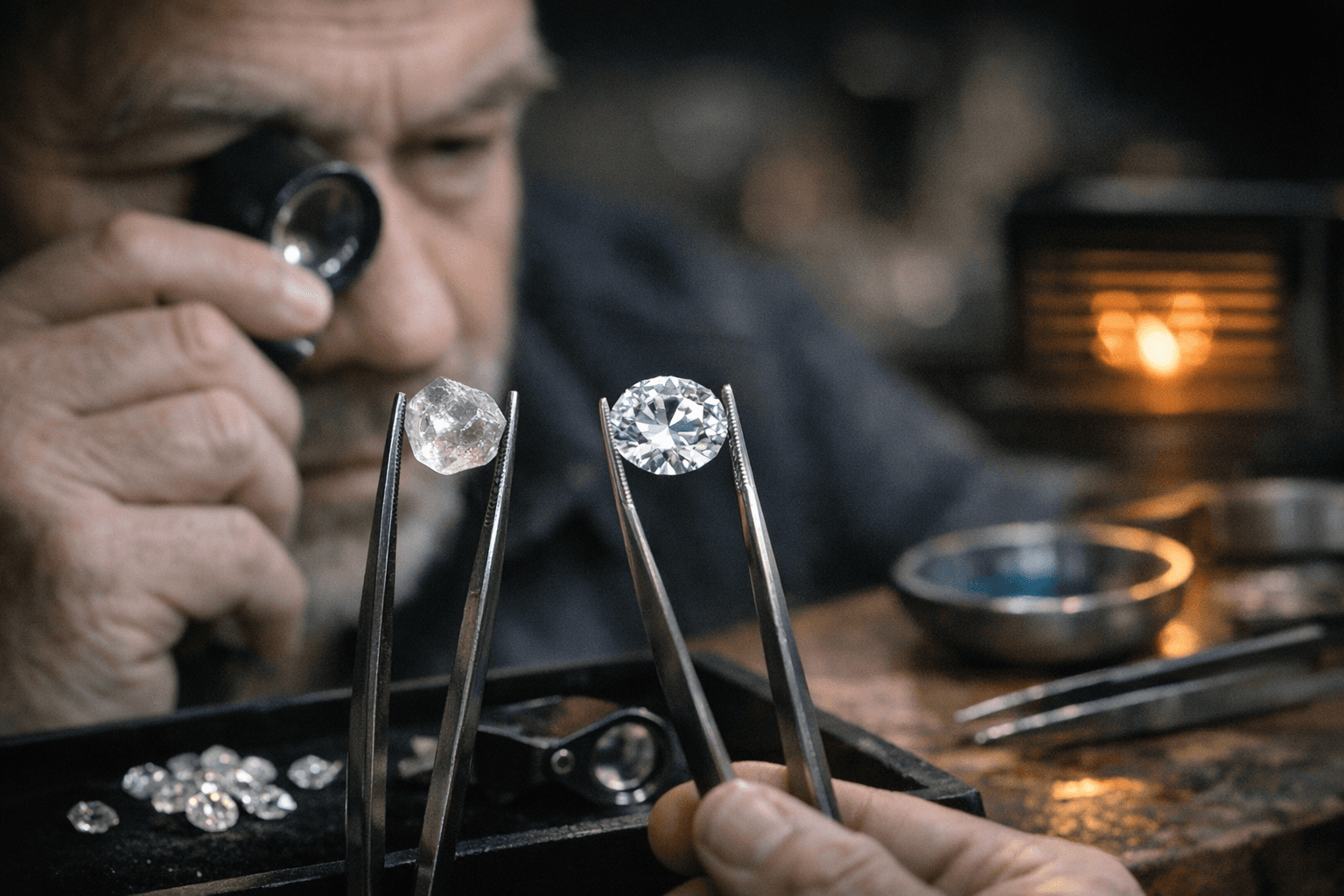
The updated Guides also extend disclosure requirements beyond origin. Treatments commonly applied to gemstones, specifically heat, irradiation, and fracture filling, must now be communicated clearly and conspicuously. Each of these processes can meaningfully alter a stone's appearance, durability, or value. A fracture-filled diamond, for instance, has had glass-like resin injected into surface-reaching cracks to improve apparent clarity; that is not a cosmetic footnote. It is information a buyer selecting a ring intended to last generations deserves upfront.
The revisions are designed to provide clearer directives to jewelers and retailers, ultimately safeguarding consumers and promoting fair competition in the diamond market. That framing matters in a sector where lab-grown diamonds have moved from niche curiosity to mainstream engagement ring option, and where the price differential between lab-grown and mined stones has widened considerably. When a laboratory-created round brilliant can retail for a fraction of its earth-extracted equivalent, the stakes of accurate disclosure are both economic and ethical.
The FTC's Jewelry Guides have long served as the industry's reference framework for advertising and selling jewelry, outlining best practices that carry regulatory weight even where they fall short of hard law. These updates signal that the Commission is watching how the lab-grown category is being communicated to consumers, and is prepared to raise expectations accordingly.
As the lab-grown diamond sector continues to evolve, further refinements to the guidelines are likely, particularly as new growing technologies, treatments, and marketing claims emerge. For retailers, the message is practical: review your labeling, audit your marketing copy, and ensure that the path from stone to sale is documented with the same precision you would apply to a grading report.
This article was produced by Prism’s automated news system from verified source data, official records, and press releases, then run through automated quality and moderation checks before publishing. The system is built and supervised by the people who set the standards it runs under. Read our full AI policy.
Did this article answer your question?