GIA explains engagement ring shapes as round and oval gain ground
Round still leads, but oval is close behind and marquise is getting new attention. GIA’s shape guide helps buyers match sparkle, finger length, and setting to what matters most.

Which shape serves your priorities?
The newest engagement-ring conversation is not really about one perfect diamond shape. It is about what you want the ring to do for you: throw the most light, flatter the hand, withstand daily wear, or stretch the budget a little farther. GIA’s shape guide turns that choice into something practical, noting that the right engagement-ring shape should fit taste, lifestyle, and budget rather than chase a single standard.
That framing matters because the market is not standing still. Round stones remain the category’s anchor, but oval has closed the gap, and marquise is drawing fresh interest from shoppers who want something more distinctive than the familiar solitaire silhouette.
Shape is not the same thing as cut
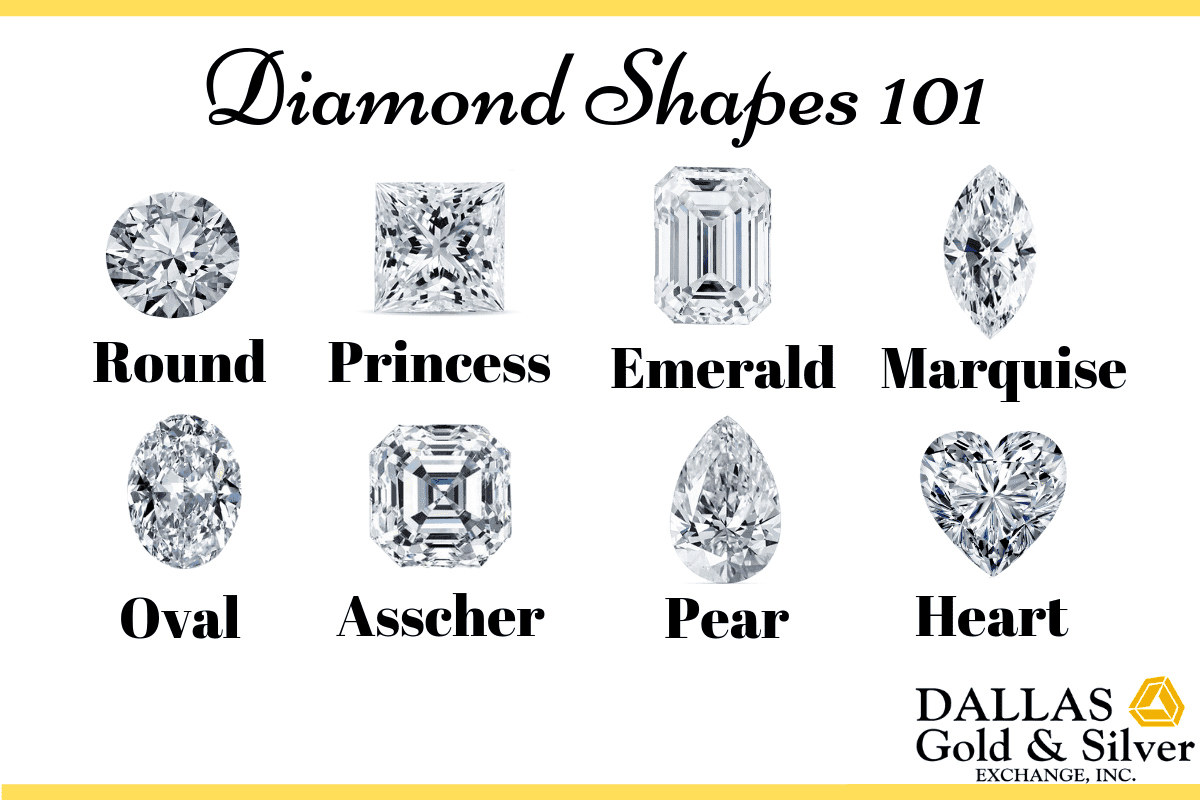
One of the most useful distinctions in GIA’s guide is between shape and cut style. Round brilliant diamonds are the only stones that receive standardized cut grades, because they are the only diamonds with standardized facets. Every other outline, whether oval, marquise, emerald, or another fancy shape, is treated differently.
That means a shopper comparing shapes is not just comparing outlines. The choice also changes how the stone handles light, how the setting frames it, and how the diamond reads in everyday wear. In a market where the center stone often carries the whole visual weight of the ring, that difference is more than technical.
Round and oval still define the center-stone conversation
Round remains the benchmark. GIA says about 75 percent of all diamonds sold are round-shaped, and The Knot’s 2024 Jewelry & Engagement Study found that 28 percent of engagement rings featured a round center stone. Oval is right behind at 25 percent, which is why the two shapes now feel almost neck and neck rather than one dominant and one secondary.
That close race tells you something important about taste right now. Round still carries the broadest appeal, but oval has moved from alternative to mainstream, especially for buyers who want an elongated look without leaving the classic engagement-ring vocabulary. A decade ago, round was far more dominant; now the shape conversation is more open, and that shift leaves room for more sculptural choices too.
If sparkle is your priority, start with the benchmark
For shoppers who care most about brilliance and the familiar flash of light, round brilliant remains the safest starting point. Its long history helps explain why it still feels like the default: GIA traces the modern round brilliant back to the 1700s, notes that Henry Morse of Boston first suggested the angles used in today’s version in the 1860s, and says Marcel Tolkowsky refined the design in 1919.
That lineage is not just romantic detail. It is a reminder that round has been tuned over generations to deliver a very specific visual effect. If your ideal ring is the one that looks alive from every angle, round is still the shape most deeply associated with that experience.
If you want a finger-flattering silhouette, marquise stands out
Marquise is the shape getting the most renewed attention because it does something that round cannot: it changes the entire line of the hand. GIA says the marquise can make a finger look longer and more slender, a quality that gives the shape its sculptural appeal. It also says the marquise can appear larger face-up than a round diamond of the same weight, which gives it a strong visual payoff.
The shape carries history too. GIA says the marquise was developed in France in the 1740s, and legend links its name to the Marquise de Pompadour. That old-world story helps explain why the outline still feels both dramatic and refined. For shoppers leaning toward something less expected than a round or oval center, marquise offers a clearly defined point of view without sacrificing scale.
If clarity matters most, emerald asks for discipline
Emerald cut diamonds reward a different kind of eye. GIA advises that color and clarity matter especially in emerald cuts because their long, large facets make inclusions easier to see. In practice, that means the shape is less forgiving than a brilliant-style cut when the rough stone or grading is imperfect.

The upside is elegance. Emerald cuts tend to read as architectural rather than fiery, so the buyer who chooses one is usually choosing a look that values line, transparency, and restraint over maximum sparkle. The tradeoff is straightforward: the cleaner the stone, the better the effect.
The setting can change the whole result
Shape does not work alone. GIA stresses that the setting can protect a diamond from loss or damage and can also change how large the stone appears. That is a crucial part of the decision, because many shoppers focus on the center stone first and only then discover how much the mounting affects the final ring.
This is where shape and setting have to work together. Round, oval, and marquise shapes can sit well in multi-stone designs, and GIA notes that these outlines work especially well side by side. If you want a ring that feels cohesive across the band rather than isolated at the center, that compatibility matters as much as carat weight.
- A bezel or protective mounting can help shield edges and corners.
- A slimmer setting can make a center stone appear larger.
- Multi-stone designs often look most balanced when neighboring shapes echo the center outline.
Choose the shape that matches the life you actually live
The most valuable part of GIA’s guide is that it asks for a real-world answer, not a fantasy one. A ring worn every day has different needs from a ring chosen mainly for visual drama. Round gives the most established benchmark, oval gives a softer elongated look, marquise gives strong finger-flattering shape and visible size, and emerald asks the buyer to be more exacting about clarity and color.
That is why the current market feels more personal than prescriptive. Buyers are no longer treating round as the only correct answer. They are weighing sparkle against silhouette, maintenance against presence, and value against the emotional pull of a shape that actually feels like theirs. In that sense, the rise of oval and marquise does not replace round so much as widen the field, making engagement rings less about one standard and more about the story a stone tells on the hand.
Know something we missed? Have a correction or additional information?
Submit a Tip

