How to Choose a Diamond Engagement Ring: GIA Explains the 4Cs
GIA's buying guide is a foundational resource that explains the 4Cs and steers buyers toward GIA‑certified diamonds and smart decisions with a trusted jeweler.

1. What the GIA buying guide is
The GIA buying guide is a foundational, evergreen resource for anyone purchasing a diamond engagement ring. It explains the 4Cs (cut, color, clarity, carat) in consumer-friendly language and positions GIA certification as a central reference for comparing diamonds.
2. Why the 4Cs matter
“This diamond guide explains how the 4 Cs of diamonds, cut, color, clarity, and carat, determine a diamond's quality grade,” and the GIA guide “explains the 4Cs (cut, color, clarity, carat) in consumer-friendly language.” Together these statements establish that understanding the 4Cs is the baseline for judging a diamond’s quality and for communicating about value with a jeweler or on a grading report.
3. Cut, color, clarity, carat, a concise buyer’s frame
GIA’s approach makes the 4Cs a practical framework rather than abstract jargon; the guide is meant to translate grading terminology into decisions you can use when shopping. While the materials provided do not reproduce grading scales or numeric grades, they make clear that these four attributes collectively determine a diamond’s quality grade and should be the focus of any comparison between stones.
4. Diamond shapes (an explicit fragment from the guide)
The GIA summary “describes how different diamond shapes interact with pe”, the fragment appears in the source material as provided. That phrase indicates the guide addresses how shape affects a diamond’s appearance and performance; when consulting the full GIA text or a jeweler, ask specifically how a given shape will interact with light, setting, and the hand.
5. Certification and where to look for it
“Discover the essential insights you need when shopping for an engagement ring with GIA-certified diamonds. Our comprehensive guide offers”, this fragment from a secondary retailer highlights the practical consequence of the GIA guide: prioritize GIA certification when you want an impartial description of what a diamond is. Use the GIA report shown with a stone as your objective baseline when comparing cut, color, clarity, and carat across sellers.
6. Multimedia primers you can watch
GIA has short, focused educational content intended for buyers, including the titled resource “… gia.edu/diamond How to Choose a Diamond: Four-Minute GIA Diamond Grading Guide by ... 10 Things to Know BEFORE YOU BUY an Engagement Ring.” These compact videos and primers are useful for a quick orientation before appointments, giving you the vocabulary to absorb details a jeweler shares and to evaluate certificates shown to you.

7. The jeweler’s role: the conversation beyond the certificate
“From the setting to the metal to the stone, the process of selecting an engagement ring involves an array of choices. An engagement ring should be a timeless, classic symbol of your love that will last forever, so the goal should be to find the stone that is the perfect match for your future fiancée. We look for stones that are different and interesting, and come back to discuss their options,” writes Vogue, a reminder that the technical side (the 4Cs and certification) sits alongside aesthetic, lifestyle, and narrative choices. “If you're working with a jeweler like Neal, soak up every little detail to share with your future fiancée after you give her the ring,” Vogue adds; that is practical counsel for buyers who will later describe provenance and intent.
- “Learn how to set a budget”, know your top and bottom lines before you begin.
- “Choose the perfect diamond shape”, have at least one or two shapes you prefer so comparisons are meaningful.
- “Select a metal”, the setting metal affects style, wear, and how color reads on a stone.
- “Find a trusted jeweler”, seek transparency on certificates and viewing conditions.
8. Practical checklist for your appointment
Begin your shopping armed with concrete priorities and questions. Valeriemadison condenses this into essential steps:
Also confirm the diamond’s GIA report and compare the 4Cs across candidate stones; Brilliantearth and GIA resources together frame those comparisons around quality grade.
9. Alternatives and personal narrative
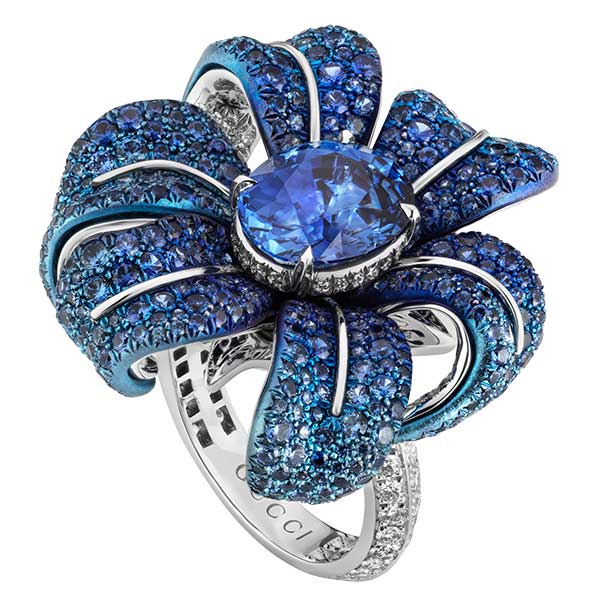
Vogue reminds readers that “Historically, colored gemstones were actually the original choice for engagement rings,” and it specifically notes sapphires, emeralds, and rubies as stones that “add character and a personal narrative.” Designer Anna Pierce voices what many buyers now seek: “I’ve heard this a lot, and it’s such a specific thing, but people come to me and they’re like, ‘I want a ring that feels like I found it, and it exists for me alone,’” says Anna Pierce, a New York-based jewelry designer and artist. These perspectives underscore that certification and the 4Cs coexist with the desire for individuality; a certified diamond need not mean a generic ring.
10. How to close the purchase and what to take away
Bring the GIA report, your budget, your chosen shapes and metals, and the checklist above to the appointment. Use the GIA materials and short videos as your primer, they help you translate a certificate into practical choices, and listen to your jeweler’s details, as Vogue recommends: “soak up every little detail.” When the technical and the personal align, you leave with a ring that stands up to scrutiny and carries a story worth wearing.
Conclusion The GIA buying guide functions as a practical atlas: it centers the 4Cs as the shared language for assessing quality while leaving room for shape, setting, and story. Use the guide, corroborate what you see with a GIA certificate, and let thoughtful jeweler conversations and personal taste decide which stone and setting best express the commitment you intend to make.
This article was produced by Prism’s automated news system from verified source data, official records, and press releases, then run through automated quality and moderation checks before publishing. The system is built and supervised by the people who set the standards it runs under. Read our full AI policy.
Did this article answer your question?