How to Protect Your Engagement Ring: Appraisals, Documentation, Insurance Choices
Loverly’s guide, published March 2, 2026, shows that a current appraisal, meticulous documentation, and the right insurance choice are the single best defenses for an engagement ring.
A solitaire catches light and memory at once; its sparkle is both sentimental and financial. Loverly’s practical guide, published March 2, 2026, treats protection with the same careful attention given to cutting and setting: it walks readers through appraisals, the documentation collectors keep, and the choice between a dedicated jewelry policy or a rider on homeowners or renters insurance. The takeaway is simple and surprisingly actionable: paperwork and the right policy matter as much as the 4 Cs.
Why protection is an emotional and financial decision
Loverly’s guide begins where most owners begin: with attachment. An engagement ring is part heirloom, part everyday object, and its loss or damage affects daily life as well as long-term value. The guide frames protection not as extra bureaucracy but as stewardship. Proof of ownership, the guide explains, turns a private loss into an insurable event, and it makes appraisal values deliverable when replacement or cash settlement is required.
Appraisals: what they are, who should do them, and when to update
The guide emphasizes appraisals as the foundation of coverage. An appraisal is not a certificate of authenticity; it is a professional valuation for insurance that describes the piece, lists metal and gemstone specifics, and assigns a replacement cost. Loverly recommends current, written appraisals from qualified professionals, and it notes that values change with metal and market movements. Make an appraisal part of the ring’s maintenance schedule: after purchase, after significant repairs or resizing, and whenever you upgrade the center stone. Hold on to the written appraisal as primary proof of value when you compare insurers or seek a dedicated policy.
Documentation that proves what you own
Loverly lists three categories of documentation that insurers and appraisers expect: receipts, lab reports, and photographs. Receipts show the purchase price, date, and vendor; lab reports from recognized gemological laboratories document the gemstone’s characteristics; high-resolution photos show the ring from multiple angles, including close-ups of the setting, any unique engraving, and serial numbers if present. The guide stresses that these items are complementary: a lab report supports the stone’s identity, an appraisal establishes replacement cost, and photos establish condition and distinguishing marks. Store digital copies in multiple secure locations and keep original receipts in a fireproof place.
Choosing between a dedicated jewelry policy and a rider
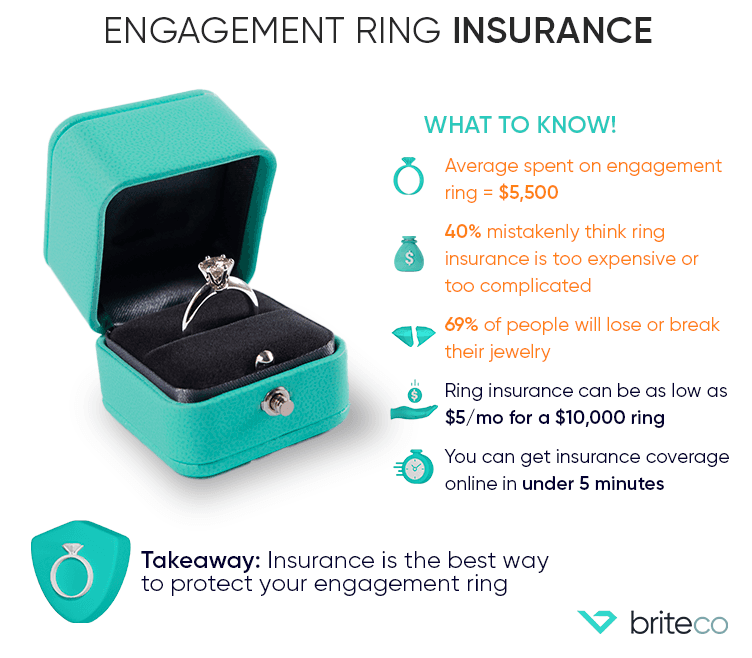
One of the clearest choices addressed in Loverly’s guide is whether to buy a dedicated jewelry policy or to add a rider to an existing homeowners or renters policy. The guide lays out the tradeoffs plainly: riders extend your home policy to cover a specific item, which can be convenient, while a dedicated policy focuses on jewelry with broader coverage options and often fewer exclusions for everyday wear. Loverly explains that the decision hinges on how often you wear the ring, the amount of coverage you need, and whether you want agreed-value terms. If you wear the ring daily and travel with it, a dedicated jewelry policy may provide more tailored protection; a rider can work well for pieces worn occasionally, as long as the policy’s list of covered perils and the replacement terms suit your needs.
How documentation and appraisal affect premiums and claims
Loverly’s guide connects documentation directly to cost and outcomes: insurers evaluate receipts, lab reports, and appraisals when underwriting and when settling claims. Pieces with up-to-date appraisals and laboratory reports may qualify for agreed-value settlement, which specifies a fixed payout instead of depreciated value. The guide notes that clear proofs reduce friction at claim time and can lower premiums because the insurer assesses less uncertainty. Photographic evidence of condition can prevent disputes about preexisting damage, and vendors’ repair records supply context when a claim involves restoration.
Loverly’s five concrete steps to protect a ring
The guide presents a practical pathway and lists five concrete steps to follow, beginning with gather proof and moving through choices about coverage. Loverly frames these steps as an owner’s checklist that converts emotion into defensible documentation and insurance decisions. The specific items called out in the guide include collecting receipts, obtaining lab reports and appraisals, making high-quality photographs, understanding policy options, and selecting coverage that matches how and where you wear the ring.
Practical tips for photographing and organizing records
Loverly gives granular advice about photographs and recordkeeping: take multiple high-resolution photos in natural light, include a macro shot of the pavilion and any inclusions in the stone, and capture the ring on the hand so scale is clear. Store files with descriptive filenames and dates. The guide recommends keeping both digital backups and a physical folder with originals, including the sales receipt, appraisal, and lab report. These small, tangible actions make the difference between a smooth claim and a frustrating dispute.
What to ask an insurer and a jeweler
Loverly encourages specific questions when you shop for protection. Ask insurers whether policies provide agreed-value settlement, whether they cover mysterious disappearance, worldwide theft, or damage during travel, and whether premiums require periodic reappraisals. Ask jewelers about the laboratory that issued a report, whether their appraisals are replacement-cost appraisals, and what documentation they can supply for repairs. These precise inquiries let you compare riders and dedicated policies on equal footing rather than relying on broad assurances.
When a claim happens: a practical sequence
Loverly’s guide outlines a clear sequence to follow when a claim is necessary, turning panic into process. First, gather the documentation you already assembled: receipts, appraisal, lab report, and photos. Second, report the loss to local authorities if theft is involved and secure a copy of the report. Third, contact your insurer promptly with your documentation. Fourth, follow up with repair or replacement estimates from qualified jewelers. Fifth, keep a written log of conversations and claim numbers. These steps reduce ambiguity and speed settlement; Loverly’s checklist is practical and replicable.
A final appraisal on maintenance and inheritance
Beyond insurance, the guide treats documentation as the beginning of an object’s life as an heirloom. Regular inspections and cleaning by a trusted jeweler preserve settings and prevent loss. Keep an updated appraisal and a folder of documents to pass along with the ring; future owners who inherit a ring with full paperwork face fewer surprises when they need to insure or appraise it. Loverly’s central argument is that paperwork is not an administrative burden but part of the ring’s continuing beauty and security.
Conclusion
Loverly’s guide published March 2, 2026 reframes protection as the quiet, practical act that preserves both sparkle and story. A current appraisal, lab-backed documentation, clear photographs, and a thoughtful choice between a rider or a dedicated policy do more than satisfy insurers: they preserve value and memory for the long term. Treat those documents as part of the setting, and you ensure that the ring continues to tell its story, intact, for the next hand that wears it.
This article was produced by Prism’s automated news system from verified source data, official records, and press releases, then run through automated quality and moderation checks before publishing. The system is built and supervised by the people who set the standards it runs under. Read our full AI policy.
Did this article answer your question?