Lab-Grown Diamonds Spark Debate: Do They Signal Less Love?
A Boston Globe advice column sparked debate after a reader's sister declared a lab-grown diamond engagement ring proof that her boyfriend values her less.
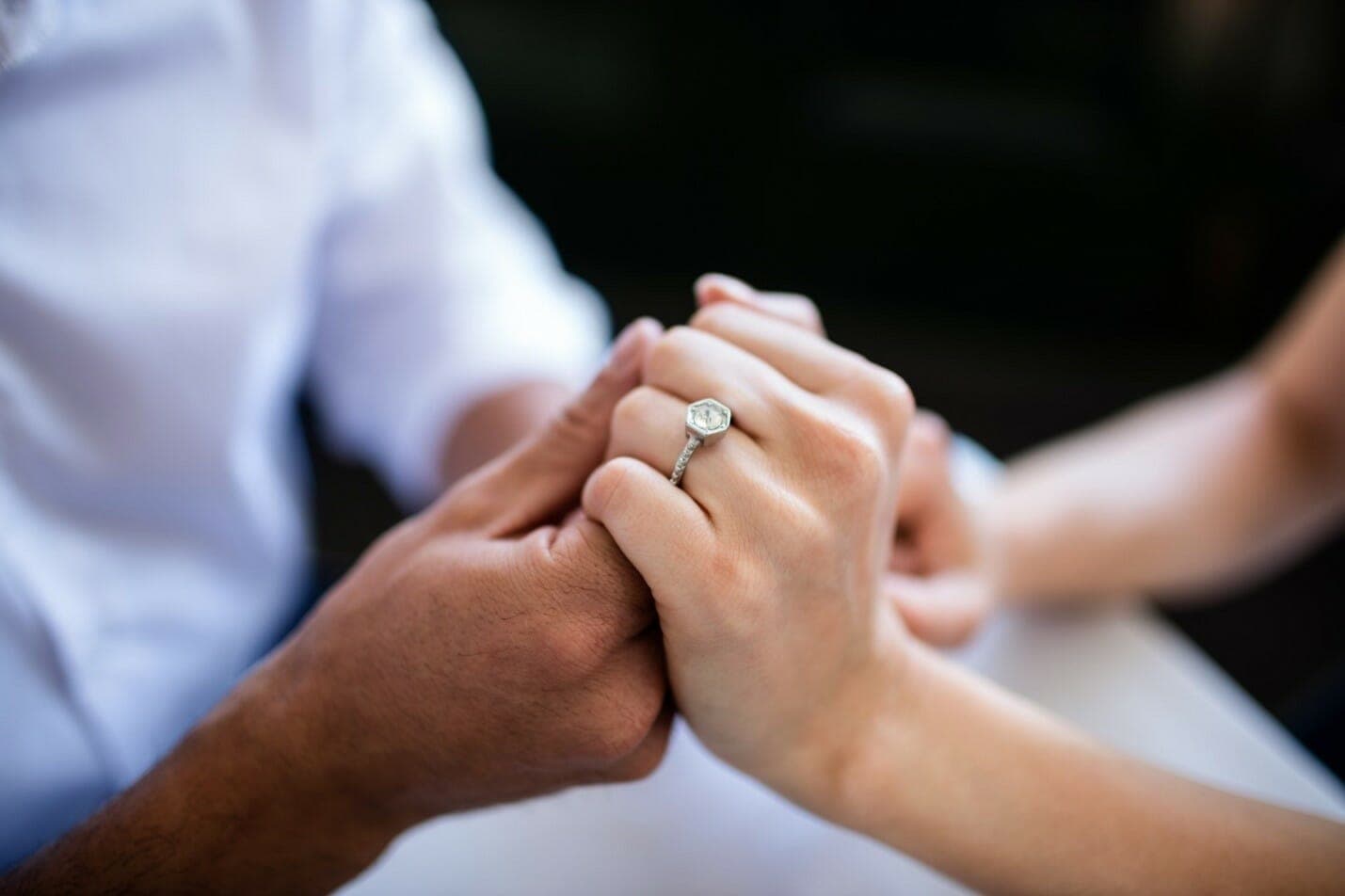
When a 28-year-old reader wrote to the Boston Globe's Love Letters column, her question cut straight to one of the more charged anxieties in modern engagement culture: "My sister thinks that my boyfriend doesn't value me after I told her we decided we would get a lab-grown engagement ring." The column, published March 6, 2026, didn't wade into gemological specifications or market price comparisons. It went somewhere more uncomfortable, asking what a ring actually proves, and who gets to decide.
The answer, as the columnist framed it, has almost nothing to do with the stone itself.
When the Ring Becomes a Referendum
The reader's situation is one many couples navigating nontraditional choices will recognize. She is 28, has been with her boyfriend for more than two years, and they have recently moved in together while beginning serious conversations about the timeline for engagement and marriage. By most measures, this is a relationship on solid, considered ground. Yet a single disclosure to her sister transformed that groundedness into doubt.
This is the particular cruelty of unsolicited opinion in intimate decisions: it doesn't need to be logical to land. The sister's reaction implies that the value of a relationship can be read from the origin of a gemstone, a position the columnist dismantled with brisk clarity: "There are a zillion people out there wearing massive diamonds whose spouses aren't that nice to them. Jewelry doesn't equal care, but I think you know that."
That observation deserves to sit a moment. The conflation of gemstone cost with emotional investment is, at its core, a marketing premise masquerading as a romantic truth. It's worth examining how that conflation took hold before deciding whether to let it govern your most personal choices.
The Advertising Origin of "Diamonds Are Forever"
The Love Letters columnist pointed readers toward J. Courtney Sullivan's novel "The Engagements" with a recommendation that felt almost urgent: "I devoured it." The novel, as the columnist described it, illuminates the origin of the "diamonds are forever" campaign, one of the most successful advertising slogans in history. The campaign, the columnist noted, "was created by an excellent advertising copy writer, a woman, who never married."
Sullivan's book uses fiction to trace how a marketing idea calcified into cultural expectation, how a slogan written to sell a product became the emotional benchmark by which relationships are judged. The columnist put it plainly: the ring "is part of a ritual and can be a beautiful symbol of commitment, but it's not the most important way to show love."
For anyone considering a lab-grown stone, this context is not a dismissal of tradition. It's an invitation to separate genuine meaning from manufactured obligation. Ritual can be honored without being held hostage to its commercial origins. The choice to wear a diamond, mined or grown in a laboratory, becomes more intentional when you understand the history of the expectation itself.
Setting Boundaries Without Apology
The practical heart of the Love Letters column is its advice on how to handle a family member who mistakes her preferences for your interests. The columnist offered language that is worth reading carefully, because it is neither aggressive nor apologetic. To the sister, the suggested response is direct: "I know you care about me very much. I know you want the best for me. But my ring choice reflects my values and wishes. Please respect my decisions and know that I've made them for myself."

What makes this effective is its structure. It acknowledges the relationship, names the care, and then firmly redirects. It does not argue the relative merits of lab-grown versus mined diamonds, because that argument is beside the point. The point is that the decision belongs to the couple, not to the sister.
For moments when a shorter reply is warranted, the columnist offered a line that works as a general policy with anyone who imposes their values on your choices: "Thank you for your thoughts on this. Now let me tell you what I want." This is the kind of sentence that, once you practice it, becomes easier to deploy in any number of contexts well beyond ring shopping.
Protecting the Relationship from the Drama
One of the more nuanced pieces of advice in the column concerns the boyfriend himself, and what he should and shouldn't be exposed to. The columnist was direct: "He doesn't need to hear about the ring drama. We get many letters from people who wish their spouses would shield them from in-law drama. Learn from them by handling your own family."
This is advice that applies far beyond engagement rings. The columnist identified a pattern drawn from the column's broader correspondence: partners who are consistently asked to navigate criticism from their significant other's family often carry that weight into the marriage itself. Handling your own family's discomfort is not just considerate; it is protective of the relationship you are building.
The columnist was also candid about the sister's role in creating the problem: "This is about you and your sister. She's not doing much to boost your confidence right now." That framing is useful. It names the dynamic without catastrophizing it, suggesting that this is a moment to establish how the reader expects to be treated, not a sign of an irreparable rift.
What a Ring Is, and What It Isn't
The deeper question the Love Letters column raises, and refuses to answer for the reader, is what she wants a ring to mean. Lab-grown diamonds are chemically and optically identical to mined diamonds. The difference lies in origin, in price, and, for some people, in the story they tell themselves about what the stone represents.
If the story you want to tell is one of shared values, of environmental consideration, of financial practicality that allows you to invest differently in your future together, a lab-grown diamond carries that narrative just as a mined stone carries its own. Neither is inherently more romantic. Neither is inherently more serious. What matters is whether the choice belongs to you, made freely, without being second-guessed into someone else's framework.
The columnist's final counsel is perhaps the most durable: a ring is a symbol, and symbols draw their meaning from the people who give them. No advertising campaign, no family opinion, and no stone's point of origin can determine what a ring means between two people who have decided to build a life together. The sister's doubt, however well-intentioned, is not evidence of anything except her own assumptions. And assumptions, unlike diamonds, are not forever.
This article was produced by Prism’s automated news system from verified source data, official records, and press releases, then run through automated quality and moderation checks before publishing. The system is built and supervised by the people who set the standards it runs under. Read our full AI policy.
Did this article answer your question?