MasterChef Judge Sofia Levin Engaged to Childhood Friend, Shares Ring Photo
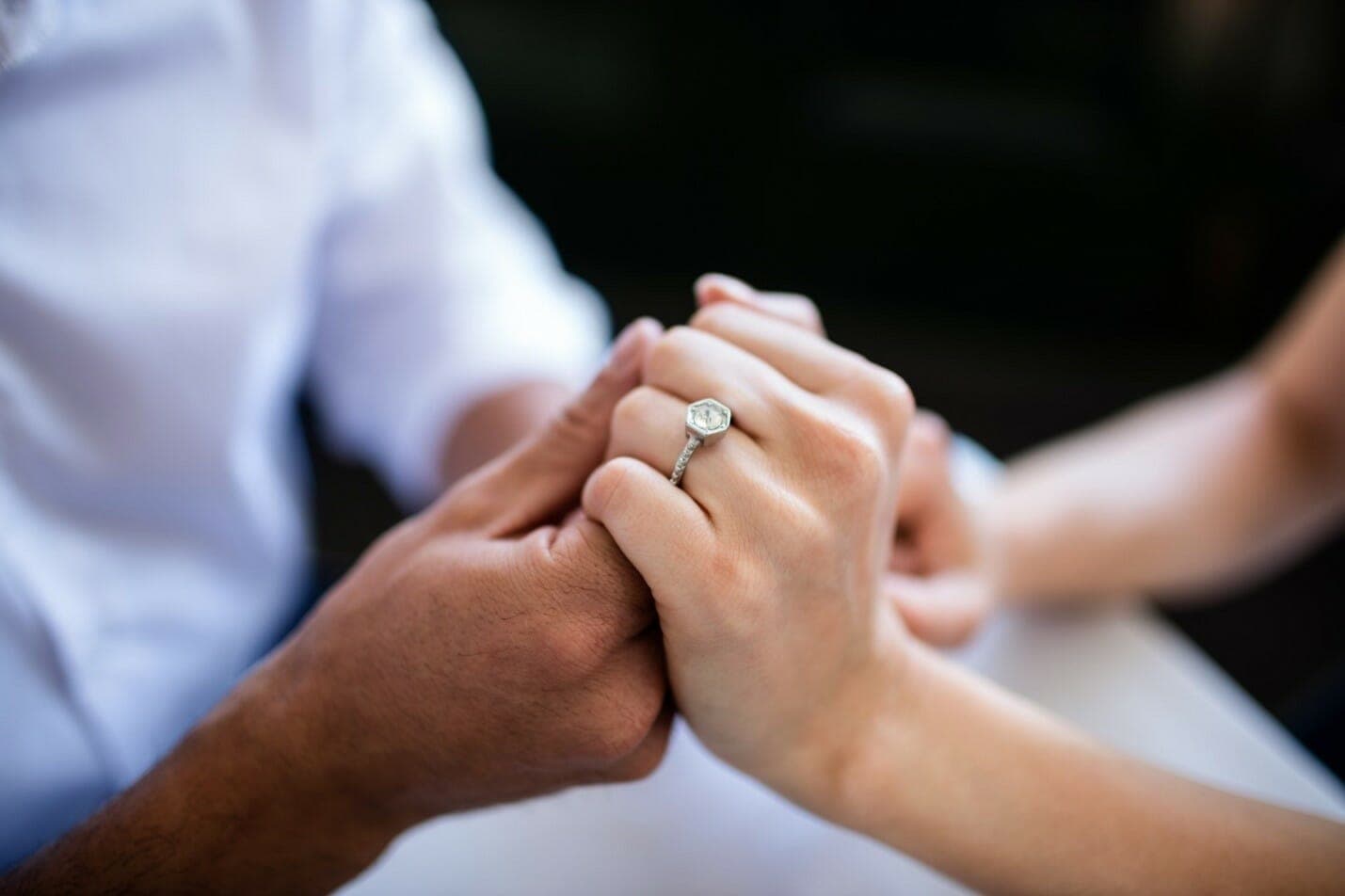
Sofia Levin's glittering ring appeared in her 2025 Instagram year-end post months before the MasterChef judge confirmed the childhood-friend love story behind it.
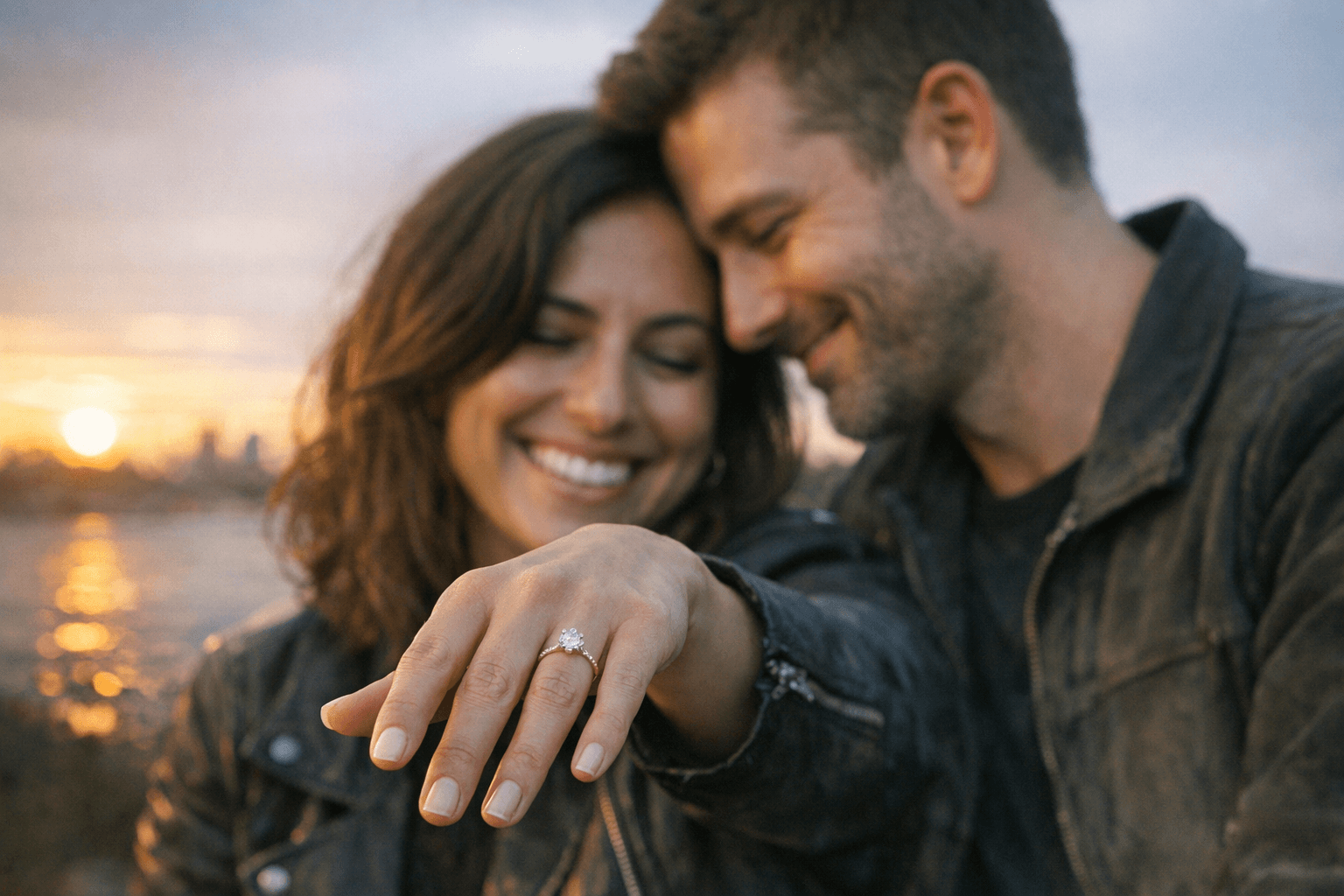
The ring came first. When Sofia Levin filed her 2025 Instagram year-in-review, the most telling detail was tucked quietly into the frame: a glittering ring on her left hand that she neither confirmed nor denied. By late March, confirmation arrived. The 36-year-old MasterChef Australia judge told TV Week she is engaged, and her fiancé is a former schoolmate she had not really seen for roughly 20 years before they reconnected just over a year ago.
"We hadn't really seen each other much for about 20 years," she said. "That was over a year ago now, which is wonderful. We're engaged, which is not a secret." She has chosen to keep his name private, describing him as "a beautiful person and an amazing support" who "just totally gets me." The couple recently navigated a full home renovation together, a domestic milestone that signals how settled the relationship already is. A ceremony, however, is at least a year away: her MasterChef filming schedule has seen to that. "I don't think it'll happen anytime in the next 12 months," she said.
Which brings the conversation to the ring. Levin has not detailed the stone, setting, or metal, but the social media glimpse showed something with genuine diamond brilliance: the kind of light output that carries across a phone screen without staging. For a woman whose professional eye is calibrated to understated excellence, a ring that photographs that way tends to share a few design principles: a high-quality faceted stone, an open setting that allows light to enter from multiple angles, and a profile low enough to survive a working day without fuss.
If you want that effect and are ready to visit a jeweler, three configurations are worth considering. A round brilliant solitaire in platinum on a knife-edge band is the most reliably photogenic format available. The round brilliant's 58 facets are engineered for maximum light return, and a slim band amplifies the center stone visually without adding carat weight. Ask for G-to-H color and VS2 clarity as a minimum; beyond that threshold, the improvement in visible brilliance is marginal and the cost jump is not. Expect to spend $3,500 to $7,500 Australian for 0.75 to 1.2 carats.
An oval-cut diamond in a thin double-claw white gold or platinum setting gives the same photogenic brightness with more finger coverage and, typically, a 10 to 20 percent cost advantage over a round of equal carat weight. Ask specifically about a hidden halo: a ring of small pavé stones set underneath the center stone, invisible from the side, adds dimension in photographs without reading as decorative from across a room.
For warmth rather than icy white, a cushion-cut diamond in a four-prong yellow gold solitaire achieves comparable brilliance at a softer color temperature. Lab-grown cushions have genuinely moved the price: a visually impressive 1.2 to 1.5-carat stone in this setting can come in well under $4,000.
The detail that connects all three options is setting height. A ring that photographs honestly in a casual year-end post, rather than in a staged press shot, has its stone sitting close to the band and secure. Ask for a low-profile setting from the start. It is the mark of a ring chosen to be worn, not displayed.
This article was produced by Prism’s automated news system from verified source data, official records, and press releases, then run through automated quality and moderation checks before publishing. The system is built and supervised by the people who set the standards it runs under. Read our full AI policy.
Did this article answer your question?