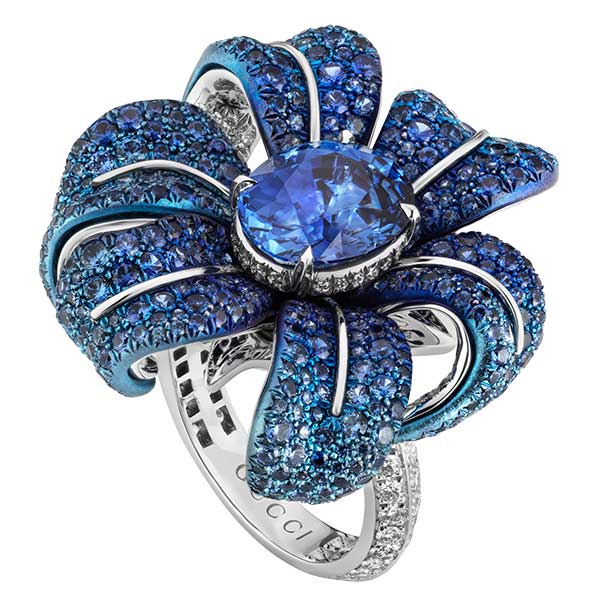
Smart rings from brands and startups compared for health and engagement-ring shoppers
Smart rings are no longer niche fitness tools; a Feb. 22, 2026 product roundup shows they now demand the same scrutiny as engagement rings for design, materials, and longevity.
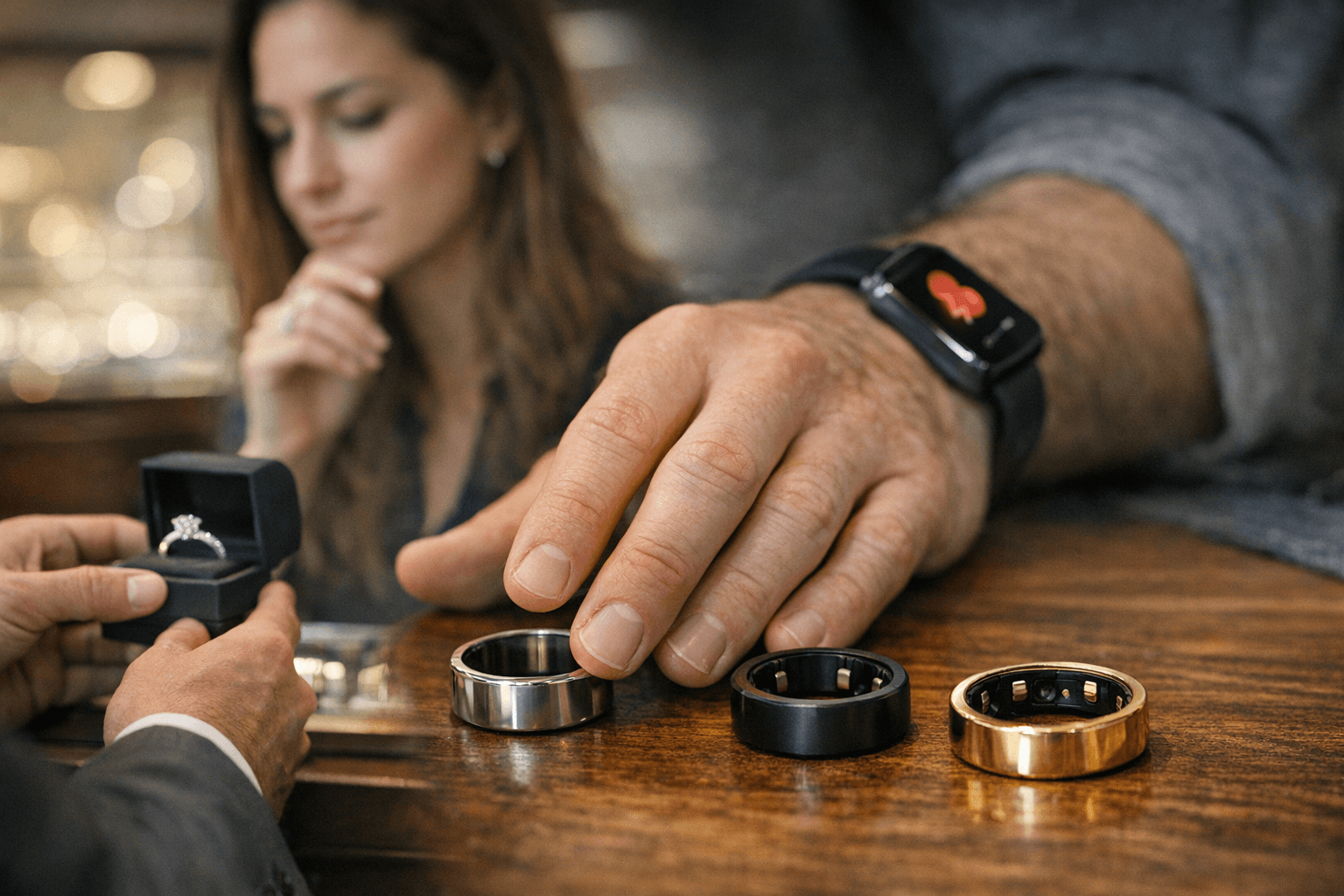
Smart rings have stepped into the engagement-ring conversation not as novelties but as objects that must reconcile elegance with electronics. A consumer-facing product roundup published on February 22, 2026 and released within the last 14 days compared options from major vendors and startups, and the findings matter to anyone choosing a ring that must be beautiful, durable, and intimate. Below I translate that comparison into the practical considerations engagement-ring shoppers should use when evaluating smart rings alongside traditional proposals.
1. Why engagement-ring shoppers should care
The roundup framed smart rings primarily as health and fitness devices but made clear they overlap with conventional rings in form and social meaning. Because a ring serves as both a daily wearable and a personal statement, the comparison highlights how sensor modules, charging ports, and firmware updates change expectations around repairability, longevity, and aesthetic permanence. If you plan to propose with, or now wear, technology in a ring, treat its technical specifications as you would the 4 Cs of a diamond.
2. Who was compared: major vendors versus startups
The review contrasted established wearables companies with boutique startups, noting differences in scale and craft brought by each. Major vendors often bring mature sensor stacks and broader software ecosystems, while startups typically pursue bespoke design, limited runs, and closer integration with traditional jewelry techniques. That split matters: mass-market firms may offer longer firmware support, whereas startups may offer superior finishing, custom sizing, and a more considered marriage of stone and sensor.
3. Design language and the jewelry conversation
Design is the battleground where health tech meets heritage. The roundup emphasized that smart rings now use classic silhouettes, bands, signet profiles, and tapered pavé, to feel familiar on the finger, but success depends on execution: proportion, bezel height, and how a sensor is hidden or celebrated. For engagement-ring shoppers, the lesson is simple: a ring can have biometrics and still read like jewelry, but only when the design choices respect scale, reflection, and the way light plays on metal and stone.
4. Settings and stone security: why bezel vs. prong still matters
Reviewers paid close attention to how traditional settings are modified to accommodate electronics. A bezel setting, which encloses a stone’s girdle in metal, tends to offer better protection for integrated sensors and makes waterproofing simpler; a prong setting showcases a stone more but can compromise ingress protection and create thin metalwork that complicates antenna placement. If you’re combining a diamond or sapphire with smart hardware, insist on construction details: where the sensor sits in relation to prongs, whether metal thickness meets jeweler’s standards, and how the setting will be serviced.
5. Materials and hallmarking: metals, coatings, and hypoallergenicity
The comparison noted that vendors use a range of metals, titanium, surgical steel, gold alloys, and surface treatments to marry durability with skin comfort. Titanium and ceramic offer scratch resistance and lightness favored by fitness-first rings, while traditional engagement-metal choices, 14k/18k gold, platinum, still appeal for their patina and reparability. For an engagement ring you intend to wear forever, prioritize traditional hallmarks and the option for future resizing and re-polishing; ask any maker how their alloy will age and whether tech components are replaceable.
6. Gemstones and compatibility with sensors
Smart rings with gemstones require special consideration: hard stones like diamonds and sapphires resist abrasion, while softer gems like opal risk damage during charging or impact. The roundup flagged how vibration from haptics and heat from charging can affect certain stones and adhesives, so confirm that any stone setting was engineered with both gemological and electronic tolerances in mind. Engagement-ring shoppers should opt for settings and stones the maker specifically certifies as compatible with their smart platform.
7. Fit, sizing, and the problem of swelling
Fit is more than comfort when sensors require skin contact for accurate readings. The review underlined that manufacturers and startups vary in their sizing philosophies: some build snug, contact-focused profiles; others err toward looser comfort. For engagement rings, which must be both wearable and functional, choose a fit that balances biometric contact with the long-term wearability of a fine ring, consider seasonal swelling, knuckle diameter, and whether the maker offers professional resizing that preserves electronics.
8. Battery life, charging cadence, and daily rituals
Battery specifications formed a central part of the comparison: established brands often promise multi-day tracking and inductive charging, while startups may favor cradle chargers or shorter cycles with faster top-ups. An engagement-style smart ring should accommodate everyday rituals, charging during dinner or a bath should be predictable and unobtrusive. Ask for real-world battery numbers, typical charging time, and how the ring behaves when power is low, because a dead ring changes both function and the aesthetic of a promise.
9. Durability: water resistance, shock tolerance, and warranty
Durability metrics differed across the review: some rings rated IP68-equivalent water protection and shock resilience suitable for daily wear, others required more cautious handling. For a ring that symbolizes commitment, warranty terms and service pathways are as important as an IP number; the roundup made clear startups may offer personalized repair options while larger firms provide broader service networks. When choosing, insist on written service policies, explicit water-resistance ratings, and clarity on what constitutes user damage versus manufacturer defect.
10. Data, privacy, and the intimacy of biometric information
Smart rings collect intimate health data, and the comparison emphasized the variances in data handling between vendors. Larger firms may have more transparent privacy policies and established security practices, while startups might retain more control over raw data or pair with niche health platforms. For engagement-ring shoppers, who entwine personal symbolism with personal data, decide whether you want biometrics linked to cloud accounts and what that means for privacy within a partnership.
11. Repairability, modularity, and heirloom potential
A striking distinction in the roundup concerned whether rings were designed to be repaired or merely replaced. Startups that collaborate with jewelers tend to create modular rings where batteries, sensors, and settings can be serviced independently; mass-market rings sometimes favor sealed units that sacrifice repairability for slimness. Engagement rings are often heirlooms, if you expect your ring to pass to the next generation, prioritize modular construction, parts availability, and the option to remove or bypass electronics later.
12. Price, value proposition, and making a choice
Finally, the roundup framed smart-ring pricing across a broad spectrum: health-first price points versus craft-driven premiums. For an engagement purchase, weigh the added value of daily health insights against the emotional and financial investment in metal and gemstone quality. If technology is a temporary priority, consider platforms that allow the electronic module to be removed and paired with new settings; if the tech is integral to your lifestyle, choose a manufacturer whose software and service roadmap matches the longevity you expect from an engagement ring.
Concluding note The consumer roundup of February 22, 2026 crystallizes a simple editorial truth: marrying technology to marriage jewelry is a design and ethical decision as much as it is a technical one. Treat smart rings with the same scrutiny you bring to diamonds and settings, ask about materials, service, data, and repairability, because a ring is not only what you wear today but what you expect to become tomorrow’s heirloom.
This article was produced by Prism’s automated news system from verified source data, official records, and press releases, then run through automated quality and moderation checks before publishing. The system is built and supervised by the people who set the standards it runs under. Read our full AI policy.
Did this article answer your question?