Survey Finds Rising Costs Are Reshaping the Meaning of Engagement Rings
Nearly two-thirds of Americans say engagement rings have become a financial burden, and 74% would rather start married life debt-free than wear one.
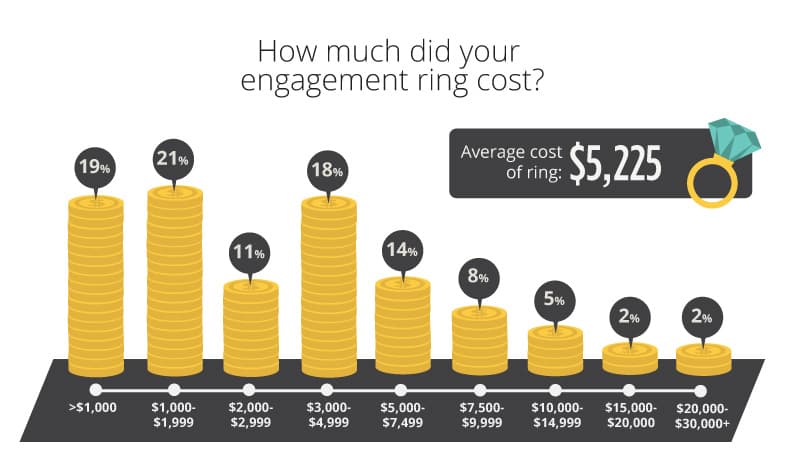
Two-thirds of Americans in committed relationships now view the engagement ring less as a symbol of love and more as a line item on a balance sheet. A survey of 2,000 U.S. adults in serious relationships, engaged or married found that 51% feel pressure from society as a whole and another 49% feel the same pressure from social media, while less than two in five feel pressured into a high spend from their family members (37%) or their partner (35%). Almost two-thirds of those polled (65%) agreed that engagement rings have evolved from a symbol of love to a financial burden.
The poll surveyed 2,000 Americans split evenly by generation, with 500 respondents each from Gen Z, millennials, Gen X, and baby boomers, all of whom are in a serious relationship, engaged, or married. It was commissioned by Chime and conducted online by Talker Research between Feb. 12 and Feb. 26, 2026.
The gap between what couples feel they should spend and what they actually want to spend cuts to the heart of the findings. "According to the results respondents would much rather start married life debt-free than have an expensive engagement ring (74% vs 15%), underscoring that Americans want to reshift the focus back to love rather than luxury," said Janelle Sallenave, Chime's Chief Spending Officer. Sallenave described "a real cultural tug of war play out around engagements," noting that three in five Americans (61%) say social media has reshaped expectations, turning proposals into events that need to be filmed, photographed, or deemed "social media worthy."

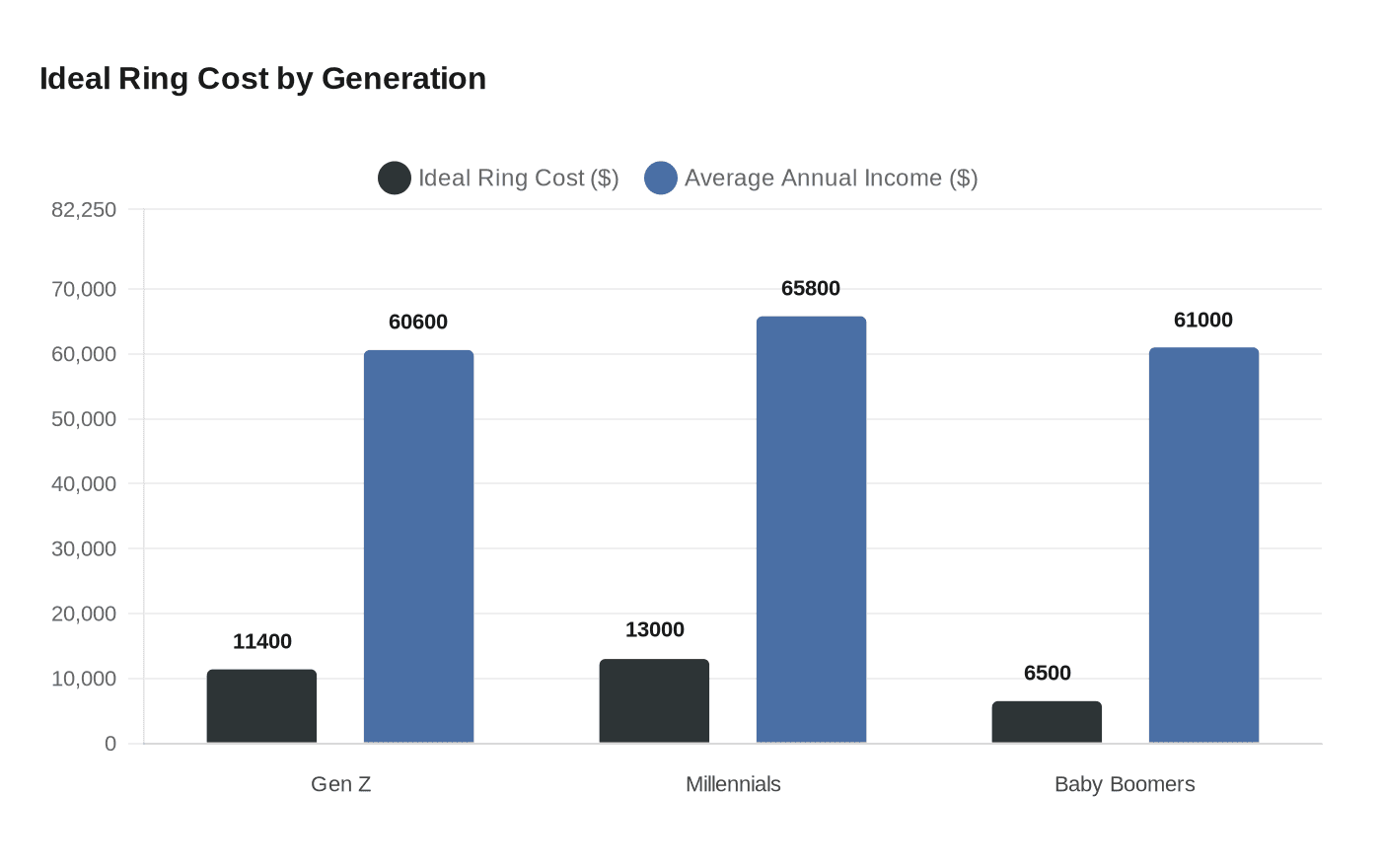
Conducted on behalf of Chime, the survey put the old "save three months of your salary" rule to the test. Results revealed an engagement ring should cost about $10,600 in 2026, and those polled bring in an average of just over $62,100 per year, which under the traditional formula would mean spending about $15,525, or 25% of annual income, on a ring. That rule may be a thing of the past: with today's average salary and the ideal ring cost, Americans polled are only spending about 17%, or just about two months' salary. Even so, 24% of married and engaged respondents said they or their partner actually spent three months' salary on the ring at the time it was purchased.
The generational divide in ring spending behavior is stark. Two in five married or engaged Gen Z respondents followed the three months' salary rule, along with 30% of millennials, 21% of Gen X, and just 10% of baby boomers. Paradoxically, millennials report the highest income at an average of about $65,800 and the highest ideal ring price tag, around $13,000, while Gen Z reports the lowest income at an average of about $60,600 yet are the second-highest spenders, believing a ring should cost close to $11,400. Baby boomers opt for the lowest cost, believing an engagement ring should cost an average of just under $6,500, though they still average a yearly income of just over $61,000.
That openness to spending less is mirrored in a broader generational willingness to rethink the ring entirely. Three in five Americans say social media has reshaped expectations, turning proposals into events that need to be filmed, photographed, or deemed social media worthy. When it comes to alternatives, younger generations are leading the shift: Gen Z would consider a stone other than a diamond (30%) or going on a trip together instead of a ring entirely (26%). Twenty-five percent of Gen Z and 21% of millennials said they would consider tattoo finger rings or even matching tattoos elsewhere as an alternative.
Sallenave noted that behind the scenes, priorities look very different from the spectacle: 44% say being "financially ready" to get engaged simply means having a steady income, and 40% say it starts with transparent money conversations. "The aspiration is shifting from a picture perfect moment to long term financial confidence," she said. "The real milestone is not the post, it is starting your marriage on solid ground."
The data collectively suggests that the diamond solitaire, once the uncontested shorthand for commitment, is now competing with something less photogenic but arguably more durable: a clean financial start.
This article was produced by Prism’s automated news system from verified source data, official records, and press releases, then run through automated quality and moderation checks before publishing. The system is built and supervised by the people who set the standards it runs under. Read our full AI policy.
Did this article answer your question?