Wimbledon inspires stackable jewelry styling as tennis bracelets surge
Wimbledon’s white-on-white dress code makes one bracelet do the work of a whole stack. Search demand is rising, and the look is moving from Centre Court into everyday wear.
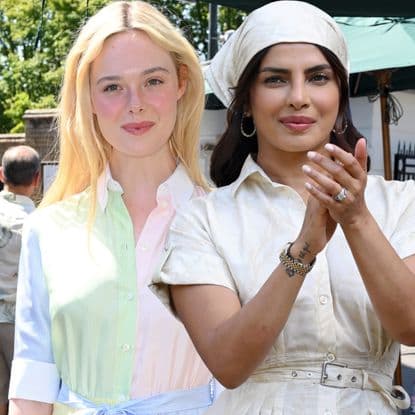
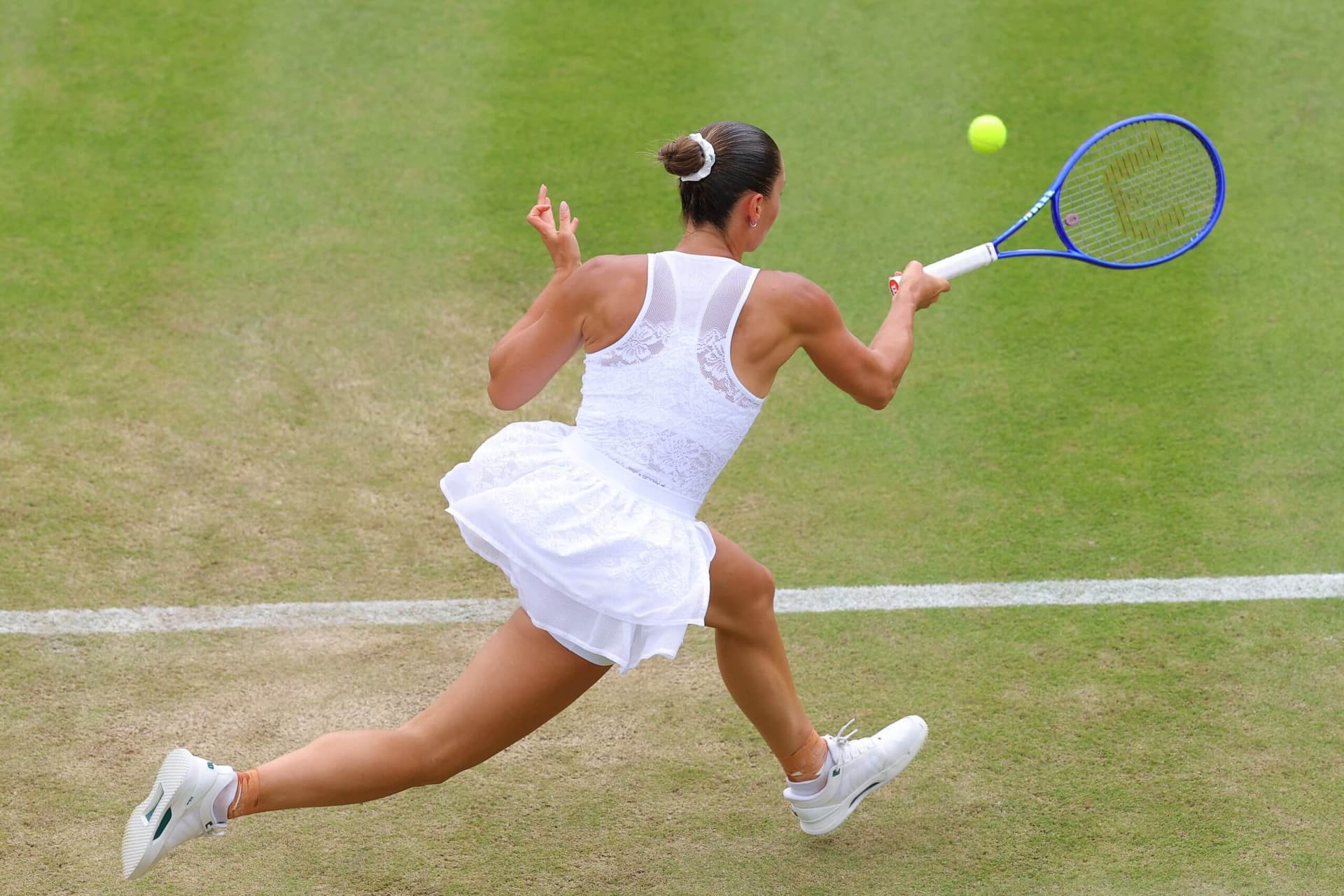
Wimbledon’s all-white dress code allows only very limited color and keeps wristbands and socks white except for a trim no wider than 1 cm. Add the Royal Box, which has hosted friends and guests since 1922, and the Championships become a practical lesson in how to make sparkle read polished rather than fussy.
Why Wimbledon makes jewelry feel so crisp
The cleanest stacks start with restraint. On Centre Court, where clothing is almost entirely white, a single bright line on the wrist carries more visual weight than it would against denim or black tailoring. The most convincing sporty-luxe jewelry looks create one clear focal point, then support it with quieter pieces that move easily from court-side fantasy into office hours, errands, and dinner.
The best everyday translation of the Wimbledon mood is simple: one anchor tennis piece, one complementary bracelet, and a few durable accents. The anchor should do the heavy lifting, whether that is a classic diamond line or a version set with colored stones. The rest should feel light, intentional, and easy to wear all day.
From diamond line bracelet to tennis bracelet
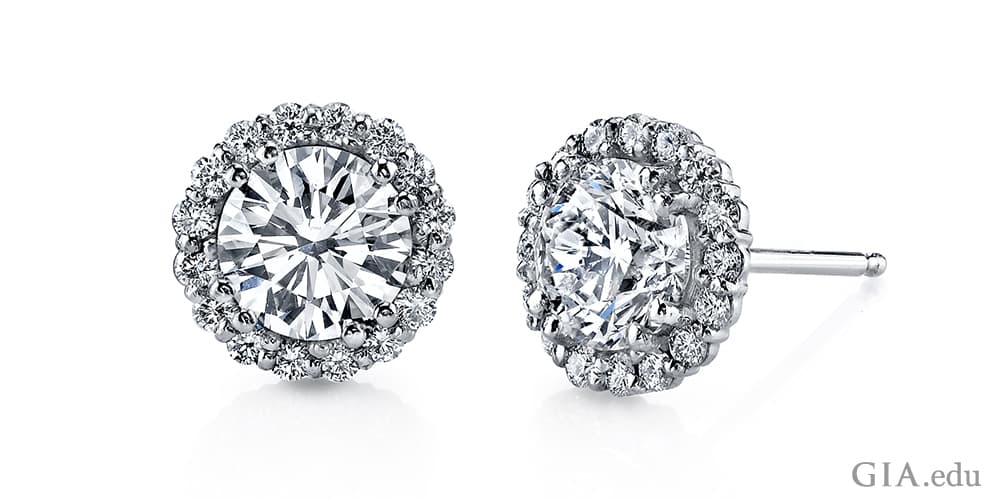
The tennis bracelet began life as a diamond line bracelet, a name that described its continuous, articulated row of stones more accurately than the sport-driven nickname that came later. The name change is most widely tied to Chris Evert at the 1987 U.S. Open, when her bracelet clasp failed during play and she asked for the match to stop while she searched for it. The moment gave the style a new identity, and it has stayed in the jewelry vocabulary ever since.
The design can also be made with sapphires, rubies, and emeralds, which opens the look up to color without losing its clean, linear profile. That versatility makes it useful in a stack, because it can sit next to a plain bangle, a slim chain bracelet, or a watch without looking overworked.

How to build the stack so it looks polished, not costume-like
Start with one bracelet that reads as the hero. A classic tennis bracelet gives you that immediately, especially when the stones are set close enough to the wrist to keep the line smooth and the silhouette refined. If you want the outfit to feel less formal, a colored-stone version can soften the shine without sacrificing the precision that makes the style so effective.
Then add one complementary bracelet that does not fight for attention. The cleanest formula is contrast: a tennis line with a slimmer metal bangle, or a jeweled bracelet with a narrow chain that adds texture rather than bulk. The stack should feel like a wardrobe system, not a display case, which means every extra piece should earn its place by adding movement, contrast, or a change in finish.
A few durable accents can finish the look without tipping it into excess:
- A slim bracelet that sits flush and does not snag on sleeves.
- A second metal tone, if the rest of your jewelry already lives there.
- One watch or plain cuff, if you want the wrist to feel anchored rather than crowded.
- Small earrings or a fine chain that echo the bracelet’s scale instead of competing with it.
At the office, the tennis bracelet supplies the polish that a blazer needs. On errands, it makes a T-shirt and jeans look finished. At dinner, it catches light without needing a full evening look to justify it.
Why searches are climbing again
The surge around Wimbledon is showing up in search behavior too. Ahead of Wimbledon 2026, Google Trends showed searches for “silver tennis bracelet” up 20 percent, “diamond tennis bracelet” up 10 percent, and “what is a tennis bracelet” up 100 percent that month. The numbers capture both people who already know the category and want a fresh, easier-to-wear version, and newcomers discovering the name for the first time.
The rise in “silver tennis bracelet” signals a move away from the idea that the look has to be bridal or ceremonial. Silver makes the style feel more accessible and more daytime-friendly, while diamond remains the classic reference point. Together, those searches show that the category is broadening, not narrowing, and that buyers are looking for pieces they can actually wear often.
The modern courtside update is not all diamonds
Aryna Sabalenka gave the trend a sharper, more contemporary edge at Wimbledon 2026 when she wore a custom emerald jewelry set by Material Good, including a necklace, earrings, and anklet with her white Nike kit. She said the look was inspired by the tournament’s timeless elegance and tradition, along with her personal style. The look extended the Wimbledon jewelry story beyond the wrist and showed how color can work even within the event’s stark white visual language.
This article was produced by Prism’s automated news system from verified source data, official records, and press releases, then run through automated quality and moderation checks before publishing. The system is built and supervised by the people who set the standards it runs under. Read our full AI policy.
Did this article answer your question?