What a 10k Gold Stamp Means, and How to Spot Fakes
A 10k stamp can signal gold content, but it can also mask plated or misrepresented pieces. Learn the marks, the red flags, and when to demand a jeweler’s test.
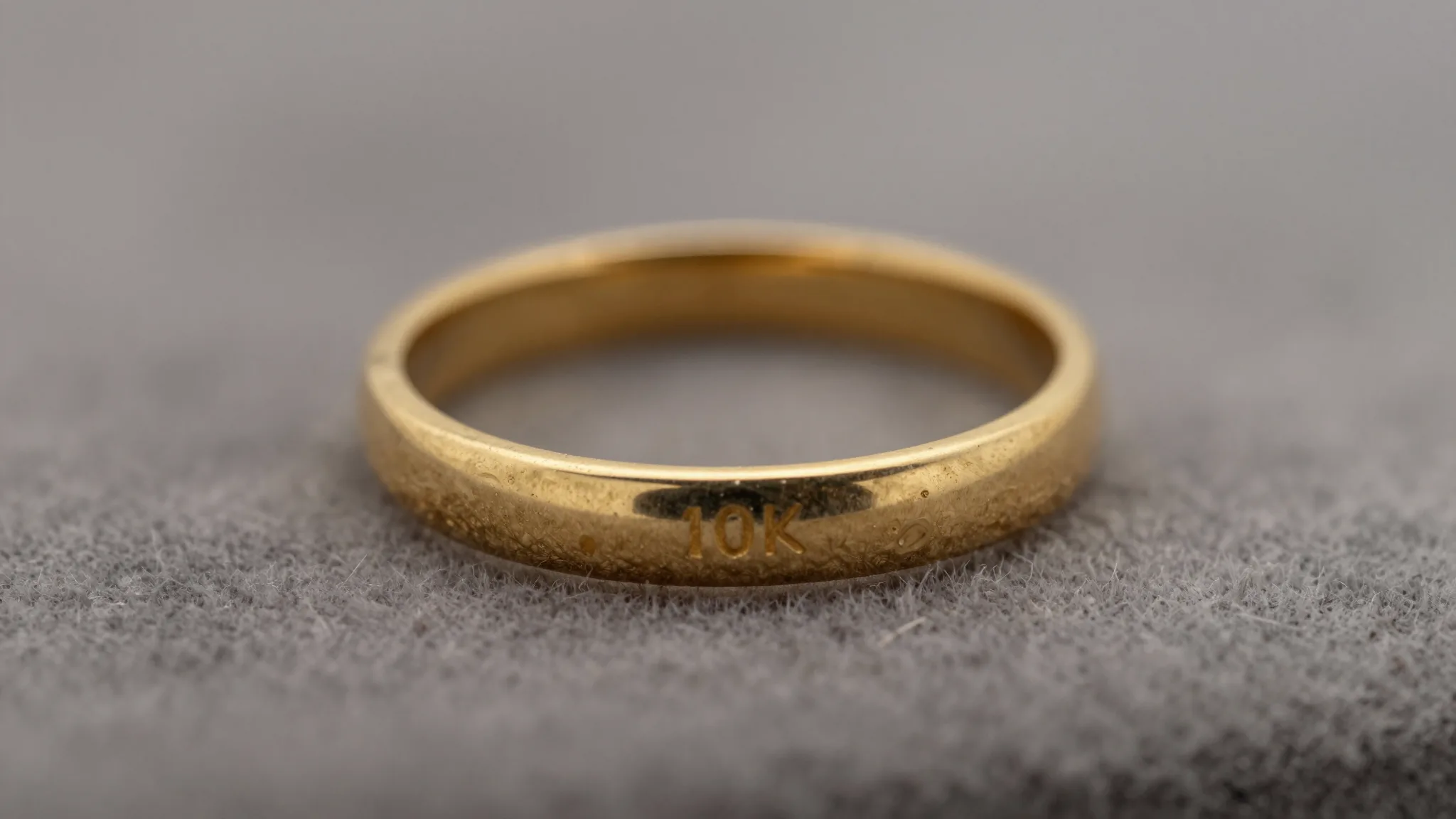
What a 10k stamp proves, and what it does not
A 10k stamp tells you the piece contains gold, but it does not tell you that the entire piece is solid gold, honestly described, or worth the asking price. In karat language, 10k means 10 parts gold and 14 parts other metal, which makes it less rich in gold content than 14k or 18k and therefore less expensive on material alone.
That is exactly why the stamp matters. The Federal Trade Commission says a karat mark tells consumers how much pure gold a jewelry piece contains, and its consumer guidance is meant to help buyers understand the words and symbols used to describe precious-metal jewelry. For anyone comparing a flea-market ring, an inherited bracelet, or a store-bought chain, the stamp is the first line of defense against overpaying for something that has been dressed up as more valuable than it is.
Read the marks around the stamp, not just the stamp itself
Gold has always been about more than color. The World Gold Council notes that hallmarks began as a way to show purity, then added the mark of the assaying office that certified that purity, and later the maker’s trademark. That history still matters because a single 10k mark, taken alone, is a thin clue; a full cluster of marks tells a richer story about origin, responsibility, and consistency.
When you inspect a piece, look for whether the karat mark sits alongside a maker’s mark or trademark. In some hallmarking systems outside the United States, there may also be assay-office and date marks, which make the object easier to trace. In the U.S., the FTC’s rules focus on avoiding deceptive claims, so a clean-looking stamp is never enough by itself to prove the piece is what the seller says it is.
Why 10k is especially easy to misunderstand
A 10k stamp can be honest and still be misunderstood. Because 10k gold contains more alloy than higher-karat gold, it is harder and often more durable for everyday wear, but it also contains less gold by weight, which means the price should reflect that lower gold content. If a seller prices a 10k ring like a richer 14k or 18k piece, the stamp has done nothing to protect you.

This is where consumer urgency comes in. Precious-metal jewelry can be expensive, and the FTC says understanding the markings helps shoppers judge whether a piece is worth the price. A wrong read on a 10k stamp can mean paying fine-jewelry money for a piece whose value is largely in design, labor, or plating rather than gold content.
Red flags that suggest misrepresentation
The most obvious warning sign is a seller who leans on the word “gold” while avoiding the actual karat mark. If the listing talks about gold tone, gold color, or “10k style” without clear documentation, that is a signal to slow down. A real 10k mark should be visible and legible, and the surrounding marks should make sense for the piece’s construction and quality.
Another red flag is a piece whose story does not match its wear. Gold plating can wear away over time depending on use and plating thickness, and the FTC specifically identifies gold flashed and gold washed as very thin electroplating. Vermeil is different again, because it is gold plating over sterling silver, which means a seller can describe something as gold-related without it being solid gold at all.
That distinction matters on marketplace listings and in inherited jewelry alike. A seller may use the right word and still leave out the crucial one. Solid, gold-filled, plated, gold flashed, gold washed, and vermeil all describe very different constructions, and the right one changes both price and expectations.
How to inspect a piece before you buy
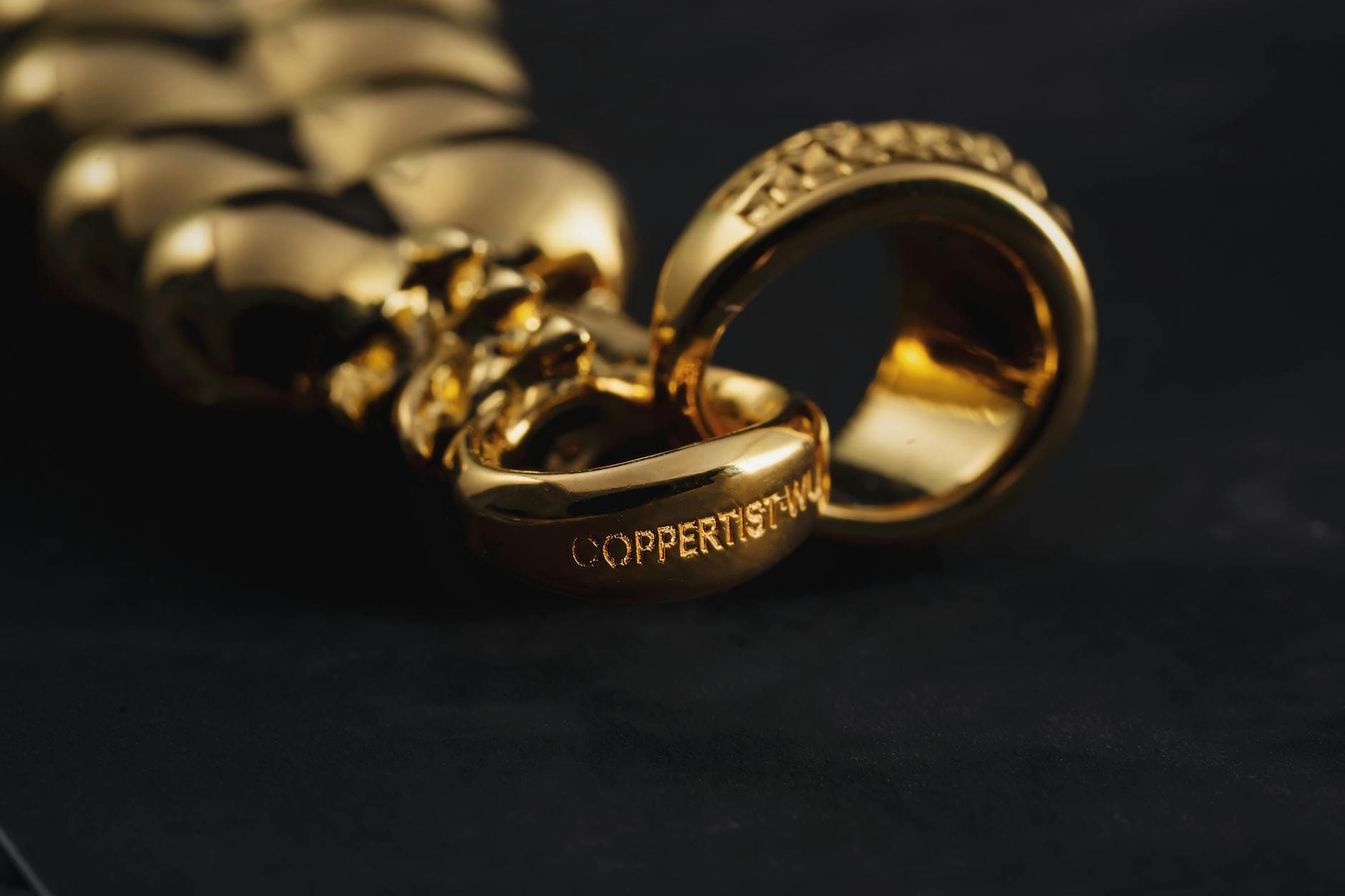
Start with the stamp, then work outward. Check whether the karat mark appears consistent with the style of the piece, whether there is a maker’s mark, and whether the finish looks even across the entire item. If a seller has provided only one close-up, ask for more; a serious seller should not be afraid of additional photographs that show the clasp, inner surfaces, joins, and any wear points.
Then compare the asking price to the gold content implied by the mark. A 10k piece should generally price lower than 14k or 18k gold of similar weight, because it contains less pure gold. If the price seems too high for the karat mark, the burden of proof shifts to the seller, not to you.
You can also use simple consistency checks at home. The International Gem Society notes that testing karatage can involve weighing the item and assessing whether it is solid gold, gold-filled, or plated. Weight alone will not settle the matter, but a piece that feels unusually light for its size, or unusually heavy for a claimed construction, deserves a closer look.
When home checks end and a jeweler’s test begins
Home inspection is useful for weeding out obvious problems, but it is not the final word. If the stamp is unclear, the marks conflict, the finish is uneven, or the seller’s description feels too polished for the actual piece, it is time for professional verification. That is especially true with inherited jewelry, where the family story can be sincere even when the facts are incomplete.
A jeweler or appraiser can test karatage more definitively and help determine whether the item is solid gold, gold-filled, or plated. That step is worth taking before you pay a serious sum, because a 10k stamp can be accurate, misleading, or simply counterfeit. The difference is not cosmetic; it is the difference between a properly priced piece and a costly mistake.
The bottom line on a 10k stamp
A 10k stamp is useful because it tells you the piece contains gold, but it should never be treated as a full authenticity certificate. The best gold buying is disciplined buying: read the surrounding marks, know the language of plating and vermeil, watch for seller shortcuts, and stop when the evidence no longer adds up. In gold, as in all fine jewelry, the stamp is the beginning of the story, not the end.
This article was produced by Prism’s automated news system from verified source data, official records, and press releases, then run through automated quality and moderation checks before publishing. The system is built and supervised by the people who set the standards it runs under. Read our full AI policy.
Did this article answer your question?