Celebrity-inspired jewelry layering trends set the tone for 2026
Celebrity layering is moving from excess to intention, pairing heritage drama with leaner stacks that read polished, not packed.
Jewelry layering is becoming a silhouette, not an add-on
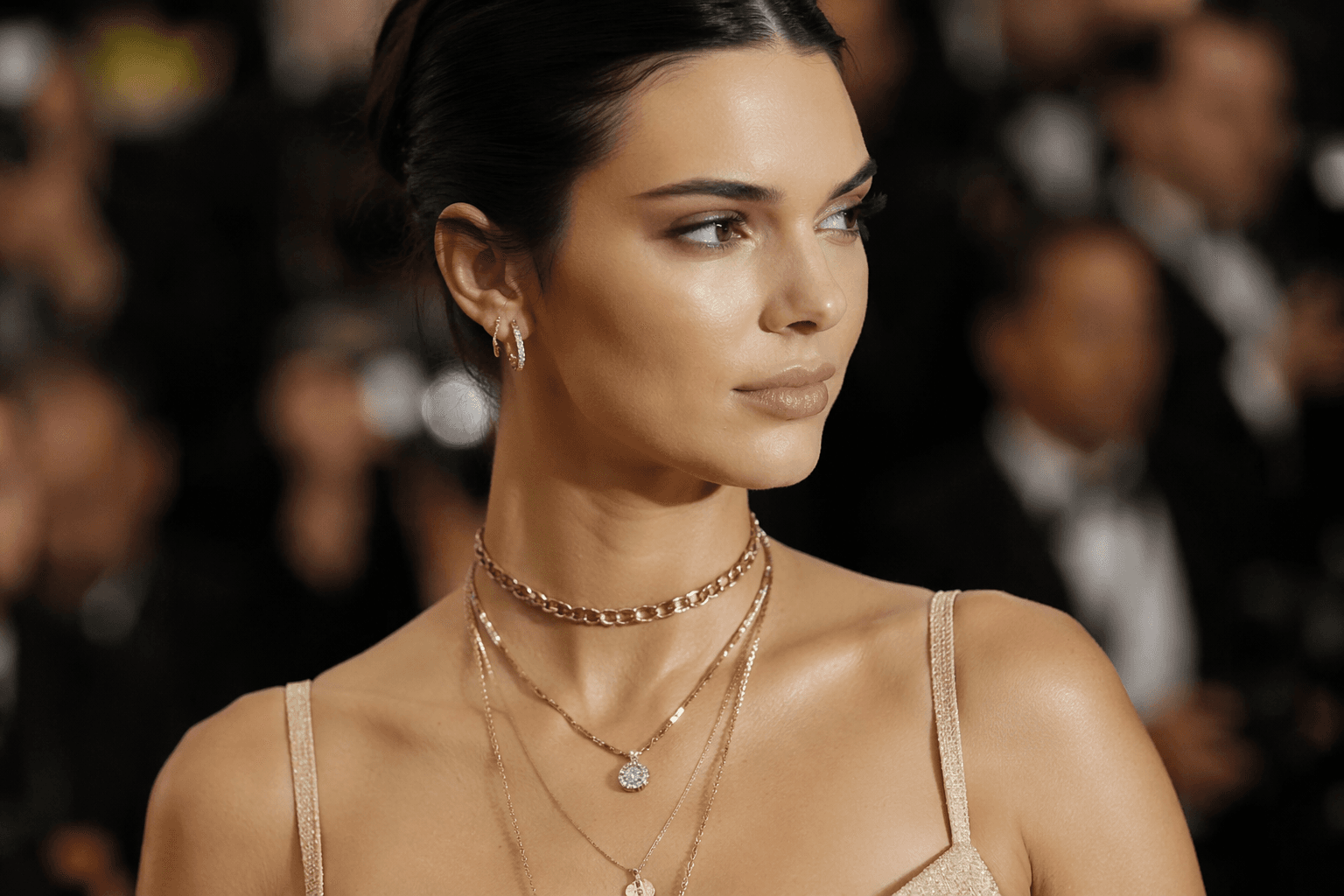
The strongest celebrity jewelry looks of the moment do not pile on for the sake of volume. They build a shape around the face, the neck, and the wrist, then let one piece carry the emotional weight. That is why the most convincing layered looks in circulation right now feel less like decoration and more like styling with architecture: a Polki necklace with presence, a close gold choker anchored by a longer haar, or a slim stack of bangles that catches light without collapsing into noise.
This shift matters because it moves jewelry back into fashion language. Hindustan Times’ recent framing of the category made the point sharply: the story is no longer about layered sets alone, but about a single focal piece commanding the look. That is the difference between repetition and direction. One reads as familiar red-carpet polish. The other defines the way jewelry is being worn now.
The celebrity code: heritage maximalism, edited with restraint
The most compelling reference points come from the tension between grandeur and control. Layered Polki necklaces, vintage gold, and choker-and-haar combinations belong to the heritage-maximalist side of the story. They feel rooted in ceremonial dressing, where the metal itself carries as much visual authority as the stones. Polki, with its uncut diamond surface and warm gold mount, gives a flatter, softer sparkle than a brilliant-cut diamond, which is exactly why it layers so well with more ornate, long-form necklaces.
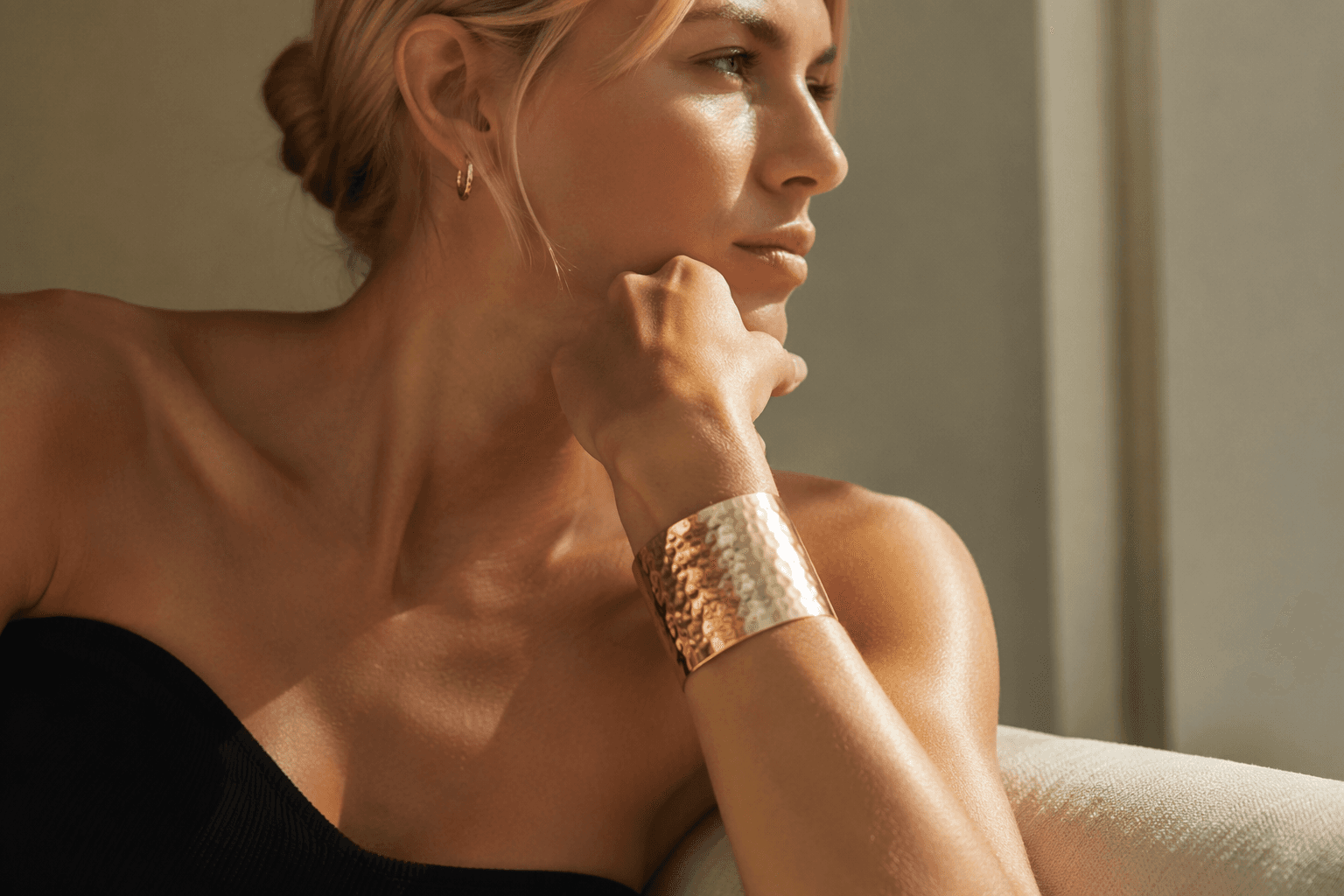
Against that sit the lighter, everyday stacks that are clearly winning ground in 2026. Thin stacking bangles, minimalist ear cuffs, and solitaire pendants offer the same idea of accumulation, but in a quieter register. The look still reads as intentional, but it is pared back enough to move from day to evening without feeling overworked. The most elegant version leaves room around the jewelry, so each element can breathe.
Celebrity styling has accelerated that shift. Hindustan Times tied oversized earrings to Deepika Padukone and ear-cuff popularity to Bhumi Pednekar in its 2025 jewelry roundup, which matters because both examples show how a single strong piece can recalibrate an entire outfit. The lesson is not that layering disappeared. It is that the stack now has to answer to a lead performer.
What feels defining, and what feels like repetition
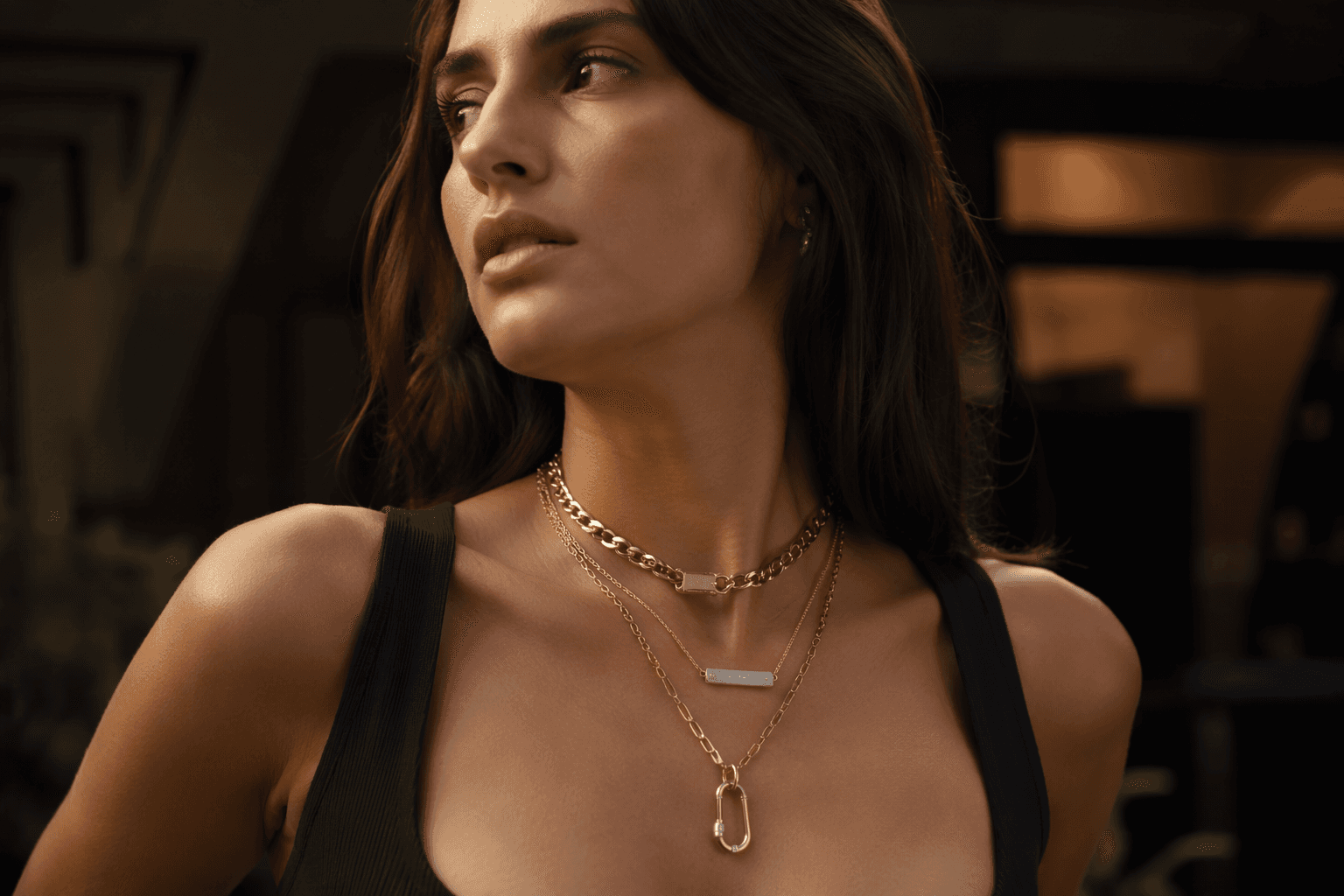
The looks that feel most 2026-specific are the ones that balance heritage richness with a visibly modern edit. A close-fitting gold choker paired with a longer haar has the right kind of contrast, especially when the choker sits snug at the collarbone and the longer strand drops enough to create depth. That vertical interplay flatters the neckline and keeps the composition from flattening out.
By contrast, pure red-carpet repetition tends to rely on scale alone. More weight, more rows, more shine. It is impressive, but not always fresh. The more current approach lets one layer lead, whether that means a Polki collar that does the heavy lifting or a solitaire pendant placed against a restrained chain stack. The jewelry feels considered rather than merely abundant.
Why the market is rewarding this look
The commercial story reinforces the style story. De Beers’ June 2026 Diamond Report draws on responses from 18,500 U.S. women ages 18 to 74, and its findings suggest that the appetite for natural diamond jewelry remains strong. Gen Z is already the second-largest generation buying natural diamond jewelry, average spend rose 25 percent in 2025 compared with 2023, and natural diamonds remain the most desired jewelry items, ahead of synthetic lab-grown diamonds, other gems, and pure gold jewelry.
That is not a trivial backdrop. It tells you that layering is happening at a moment when consumers are still assigning emotional and value weight to natural stones, not just stylistic flexibility. The appetite is for pieces that can be stacked, worn repeatedly, and still feel special. In other words, the jewelry has to perform like wardrobe, but still carry the gravity of fine craftsmanship.
The new stack is modular, not maximal
WGSN’s Fashion Accessories Trend Forecast 2026 points to layered accessorising, especially wrist stacking, as a dominant direction because consumers want versatility and modular fashion. That framing fits what is happening in jewelry now: the stack is becoming a system. You can add a bangle, subtract a cuff, or move a solitaire pendant closer to the throat, and the look still makes sense because it is built on balance.
A jewelry designer quoted in Times of India put the rule simply: stacks should be “trendy with timeless, bold with balanced.” That is the right lens for 2026. A successful wrist stack may include polished bangles, a single statement cuff, or a mix of widths, but the best versions avoid visual congestion. On the neck, the equivalent is a choker that anchors the composition, then one or two longer chains that extend the line without competing for attention.
The pieces that are doing the most work
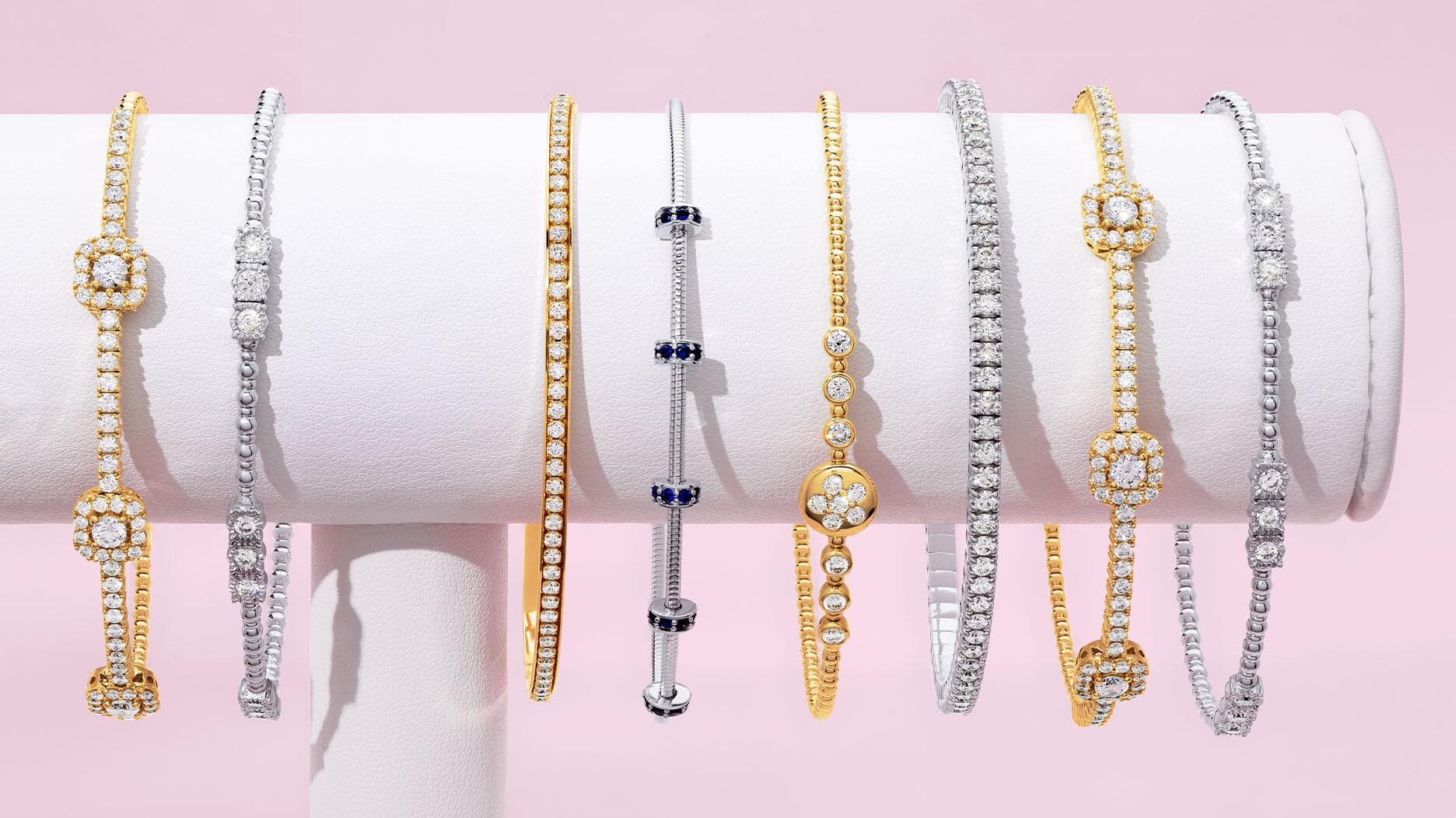
Certain forms keep resurfacing because they solve styling problems elegantly. Thin stacking bangles are light enough for everyday wear, yet reflective enough to read as deliberate. Minimalist ear cuffs create impact without the commitment of multiple piercings. Solitaire pendants, especially when set in a clean bezel or a restrained prong mount, add a precise point of light that can sit under a layered neckline without fighting it.
The setting matters. A bezel gives a stone a modern, contained edge and can make a solitaire feel sleeker inside a stack. A prong setting lets more light reach the stone and creates a little more lift, which can be useful when the pendant needs to stand apart from the rest of the jewelry. Those are small construction choices, but they determine whether a piece disappears into a cluster or holds its own.
That is why the celebrity-inspired layering story is not simply about adding more. It is about composition. The right stack can include vintage gold, Polki, a choker, and a long haar, or it can be distilled to bangles, an ear cuff, and a pendant. In both cases, the strongest look is the one in which the eye knows exactly where to land first.
What the industry is building toward
De Beers is already positioning its next chapter around that appetite for recognizable, wearable forms. Its Desert Diamonds Icons campaign is set to launch in September 2026 and is backed by the diamond industry’s largest marketing budget in 15 years. The campaign centers on four classic jewelry forms, stud earrings, the eternity band, the tennis bracelet, and the halo pendant, which together account for 70 percent of diamond-jewelry acquisitions.
That mix is revealing. Even as fashion pushes toward layering and modular styling, the market still returns to foundational silhouettes that can be worn alone or folded into a broader stack. De Beers also says its earlier Desert Diamonds campaign helped lift U.S. independent natural-diamond sales by 4 percent in the fourth quarter of 2025 and 9 percent in the first quarter of 2026, which suggests consumers are responding to jewelry that feels both recognizable and adaptable.
The broader industry context points in the same direction. With gold at historic highs, designers have been exploring sterling silver, silk cords, and lab-grown diamonds as alternatives, but the gravitational pull of natural diamonds remains strong. That tension, between value, versatility, and visible craftsmanship, is exactly what makes layering such a telling story now. It is not excess for its own sake. It is jewelry learning how to behave like fashion without losing its sense of permanence.
This article was produced by Prism’s automated news system from verified source data, official records, and press releases, then run through automated quality and moderation checks before publishing. The system is built and supervised by the people who set the standards it runs under. Read our full AI policy.
Did this article answer your question?