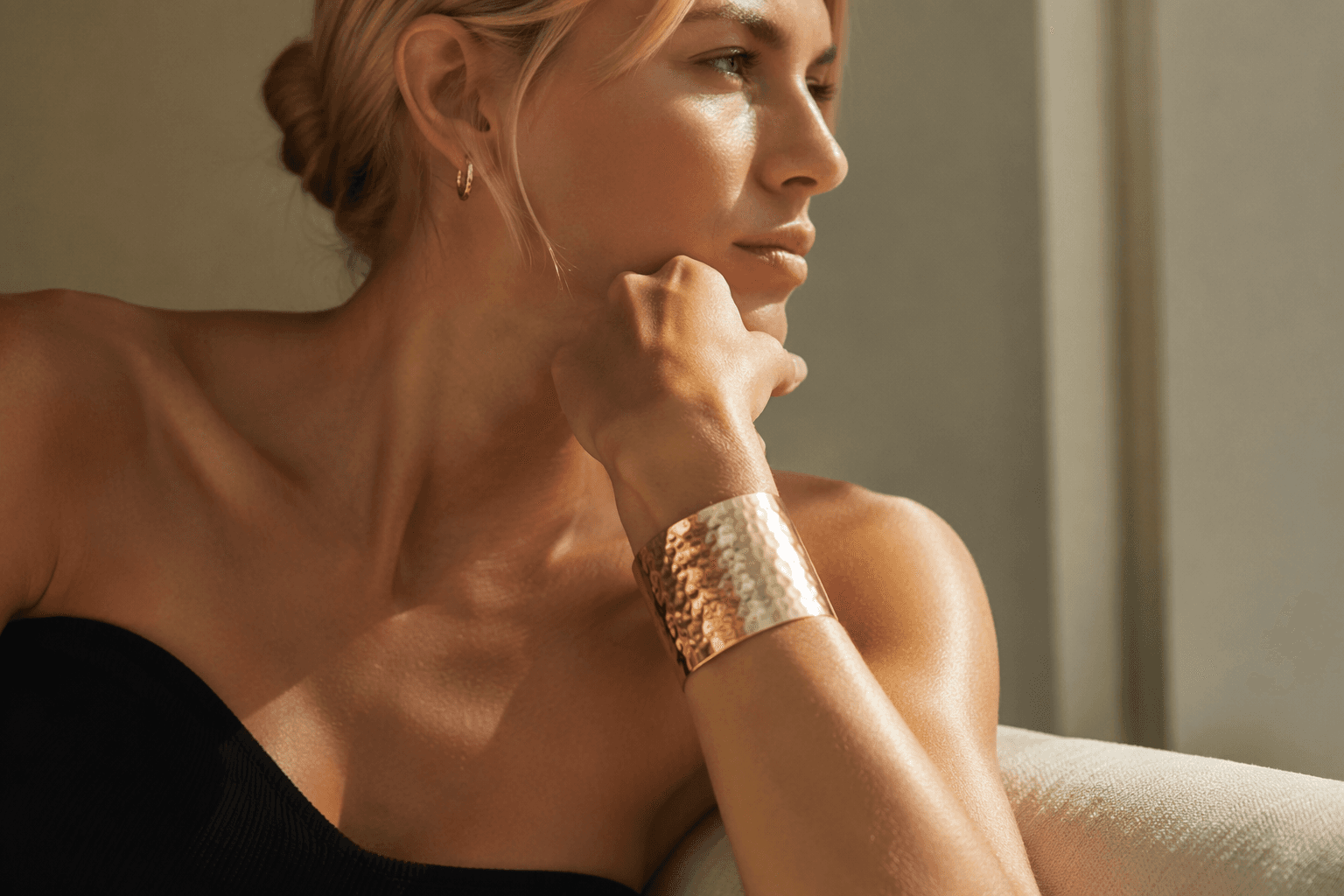
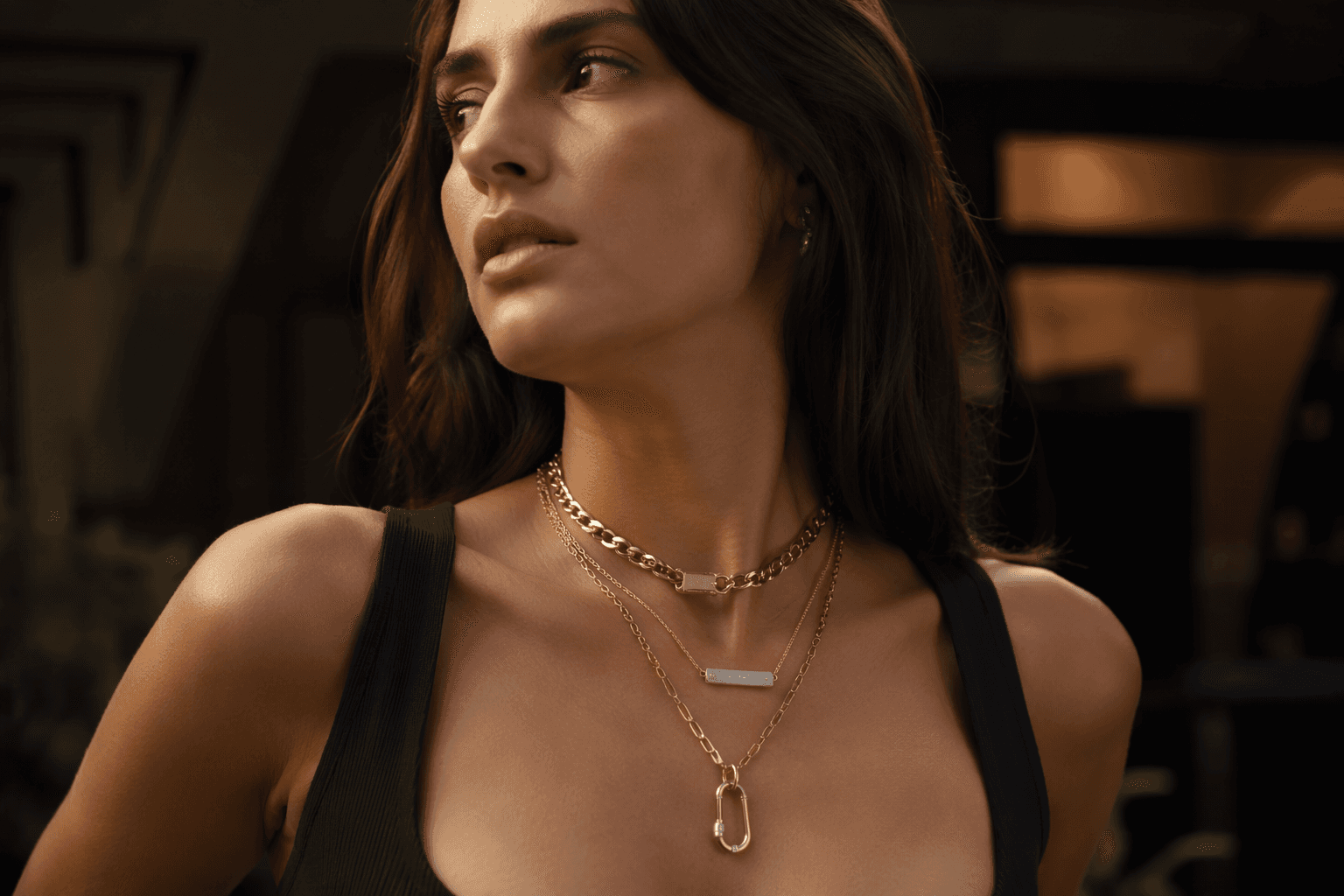
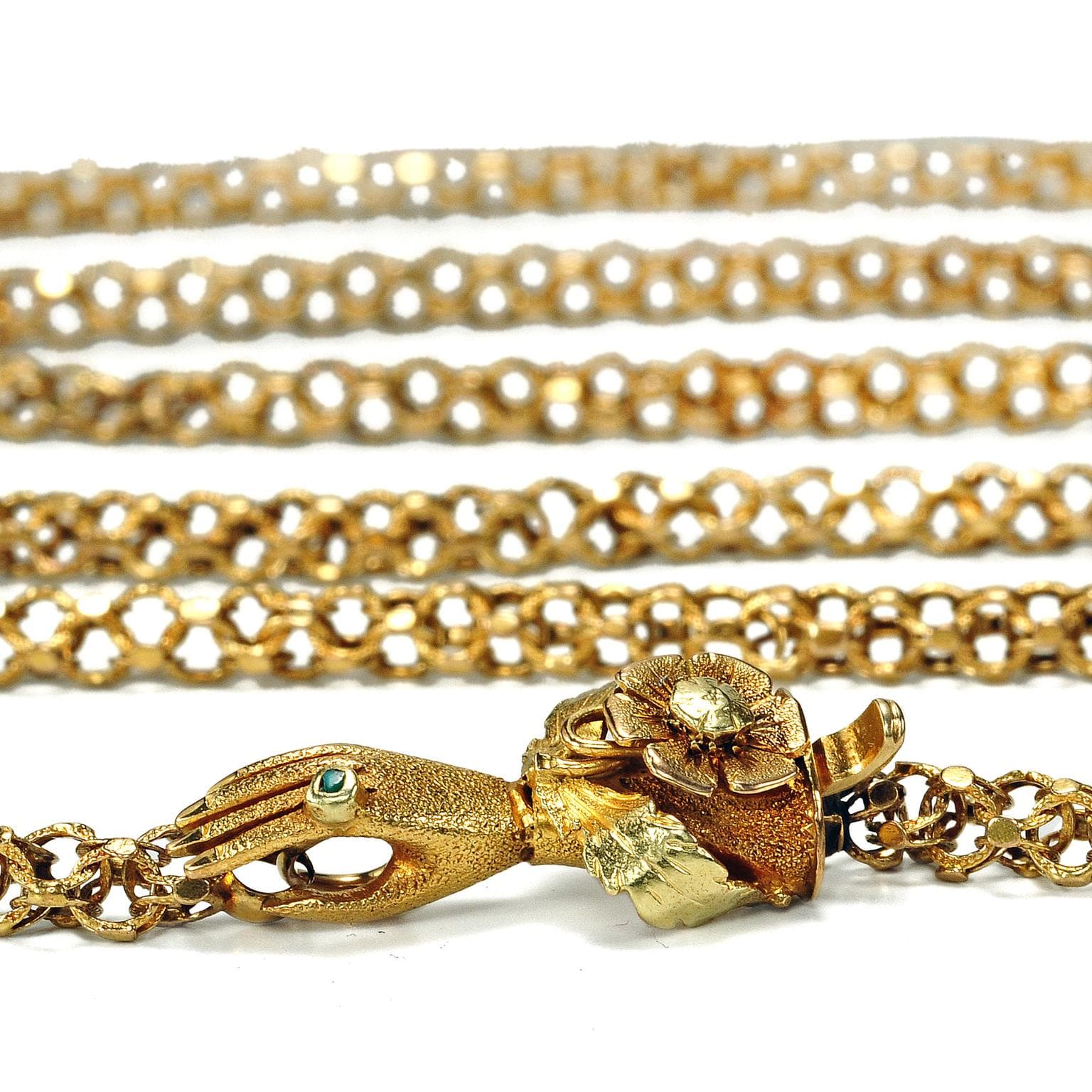
Jewelry layering gains momentum with multi-length necklaces and bracelet stacks
The new stack is pre-planned: necklaces, bracelets, and fluid gold shapes are being merchandised together for shoppers who want an instantly copyable layered look.
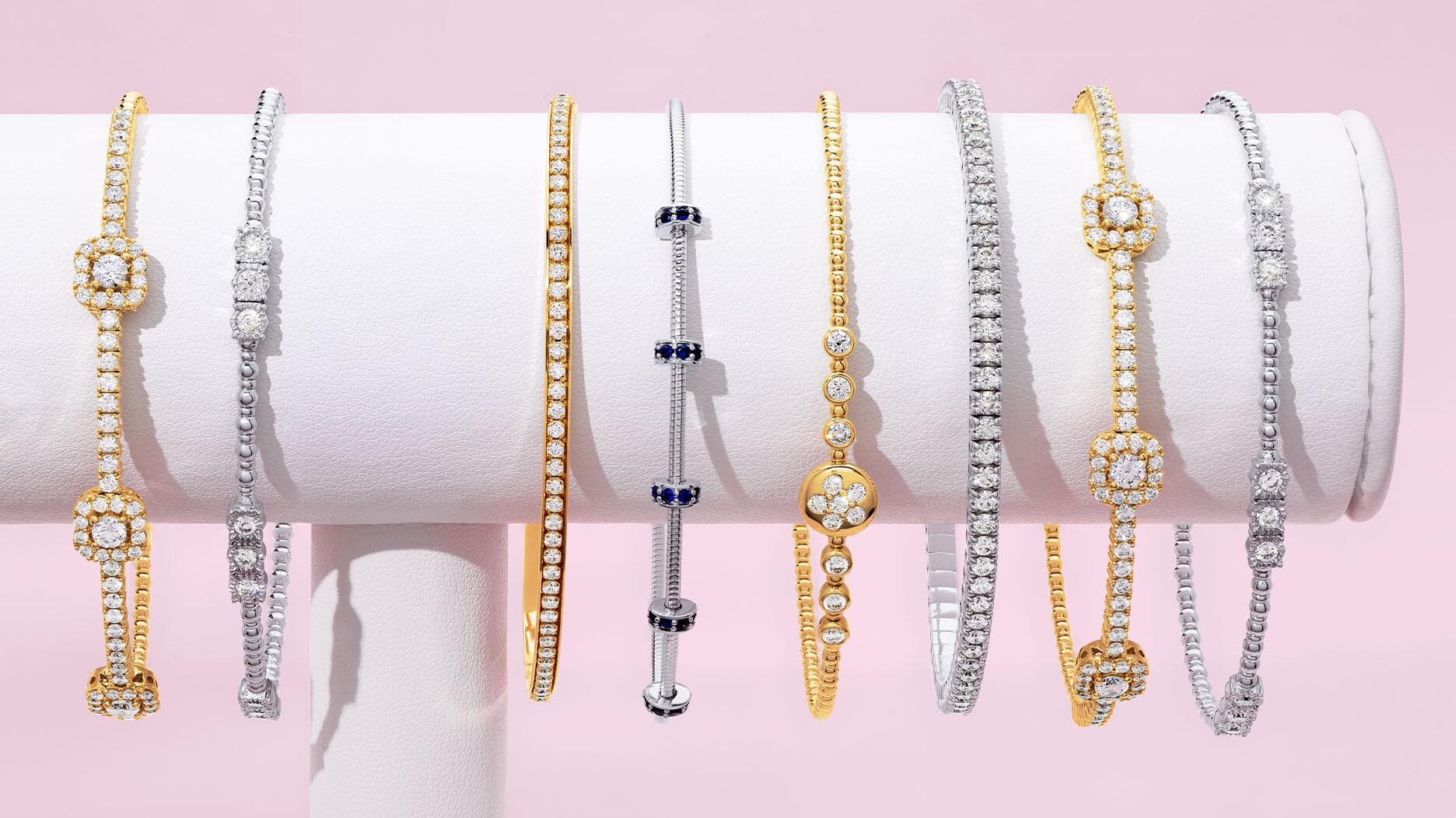
National Jeweler’s July 2, 2026 Supplier Bulletin, sponsored by Rio Grande Jewelry Supply, presents layering as dimensional accessorizing: multi-length necklaces, bracelet stacks, and sculptural fluid metal forms for shoppers who want a look they can copy at a glance. In 2026, the keyword is intentional, and the strongest versions of the trend look less improvised than designed from the start.
The stack is now a merchandising system
What is changing on the retail floor is not just styling, but structure. Consumer demand is heavily anchored in dimensional accessorizing, with shoppers drawn to personalized looks that mix delicate textures with substantial, eye-catching links.
In the bulletin, Rio Grande is the inventory partner for retailers trying to meet that demand. The winning formula is not a lone hero necklace sitting in a tray by itself. It is a coordinated set of lengths, finishes, and weights that makes the layered look easy to build, easy to understand, and easy to repeat.
Why the trend has momentum now
Jewelry layering is not a new trick. Layered necklaces returned on FW24 runway looks and red carpets, which helped push the idea back into the mainstream after a stretch of quieter, more minimal dressing. National Jeweler’s February 25, 2025 jewelry trends forecast webinar was already looking toward stacks, personalization, and lighter, more wearable forms.
Rio Grande called personalization a core strategy for jewelers, and in July 2025 the supplier expanded its personalization services as demand for custom jewelry grew.
What the look is made of
Multi-length necklace layering and bracelet stacks point to a very particular kind of styling. These are not dense, heavily matched sets. They are combinations of delicate textures and substantial links, which lets one piece provide lightness while another gives the eye something stronger to land on.
At JCK, personalized jewelry, lighter-weight gold designs, lab-grown diamond styles, and fresh in-line diamond jewelry such as tennis bracelets and necklaces drew interest. Taken together, those details suggest that the market wants volume without heaviness, sparkle without stiffness, and enough physical presence to read on camera and on the wrist without feeling cumbersome.
The current layering story also extends beyond chains. In May 2026, Foundrae introduced new necklaces, bracelets, earrings, and rings centered on color and light. Even fluid metal forms fit that direction: they bring movement and softness to the stack, and they let a collection feel sculptural without becoming overly formal.
Where it sits in the wider market
Layering is moving in tandem with several other signals that point to a more expressive second half of 2026. After Las Vegas market week, big beads, Western flair, and white metals were categories expected to dominate later in the year, which means the market is not converging on one single aesthetic. Instead, it is rewarding pieces that can be mixed, piled, or reset into new combinations.
The strongest merchandising now pairs necklace lengths with bracelet stacks and fluid metal shapes because shoppers want an instantly readable look, not just one piece to figure out later.
This article was produced by Prism’s automated news system from verified source data, official records, and press releases, then run through automated quality and moderation checks before publishing. The system is built and supervised by the people who set the standards it runs under. Read our full AI policy.
Did this article answer your question?