Las Vegas show cycle spotlights mixed-metal layering and stackable rings
Mixed-metal chains and dome rings are emerging as Vegas’s clearest layering signal, with JCK newcomers offering stacks retailers can merchandise fast.
The new layering signal in Las Vegas
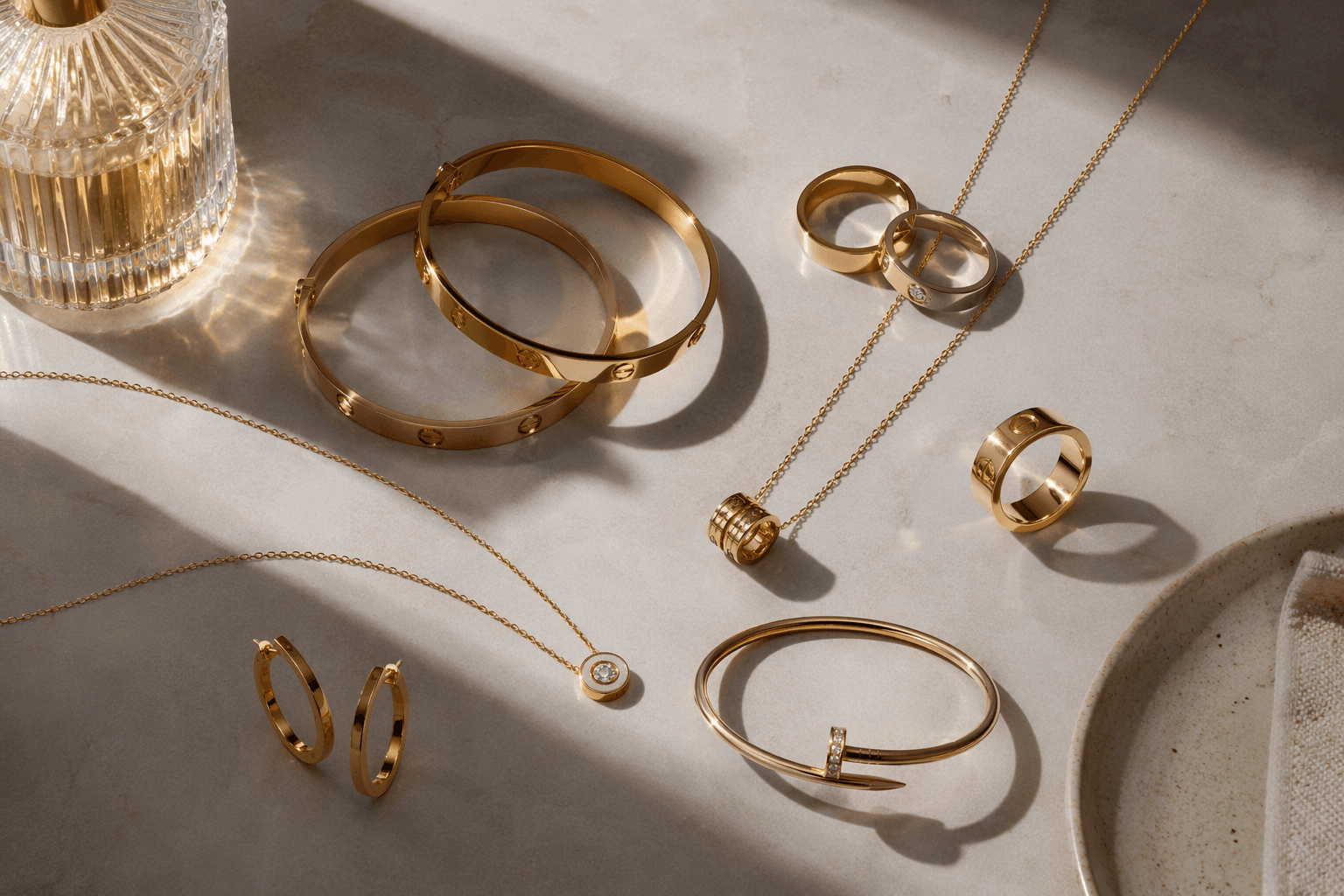
Mixed-metal chains and dome rings are taking center stage in the Las Vegas show cycle, and the appeal is immediate: these are pieces that can be worn alone, then scaled into fuller stacks with little effort. JCK’s spotlight on newer exhibitors shows where the next wave of retail demand is headed, toward jewelry that makes layering feel intuitive rather than styled within an inch of its life. The standout detail is not just the look, but the versatility: oxidized sterling silver beside gold, a dome ring beside a slim band, a stack that can start at $55 and climb without losing its everyday wearability.
Why the Vegas buying season matters
JCK 2026 runs from Friday, May 29, through Monday, June 1, 2026, at The Venetian Expo in Las Vegas. Luxury 2026 opens first, from May 27 through June 1, 2026, at The Venetian, with a tailored setting inside the ballrooms and an invitation-based format aimed at elite retailers and designer brands. That sequencing matters because it turns the city into a working preview of what will be on retail floors next season, especially in categories like layered chains, stackable rings, and pieces designed to mix easily across metals.
Timepieces are folded into that same buying rhythm. At Luxury, watch buying opens first to invited retailers on May 27 and 28, then expands to all JCK attendees beginning May 29. In practice, that makes Las Vegas less a single trade show than a compressed retail test kitchen, where editors and buyers see which design directions are polished enough to move from case to cart.
Gold and Smoke and the appeal of mixed-metal contrast
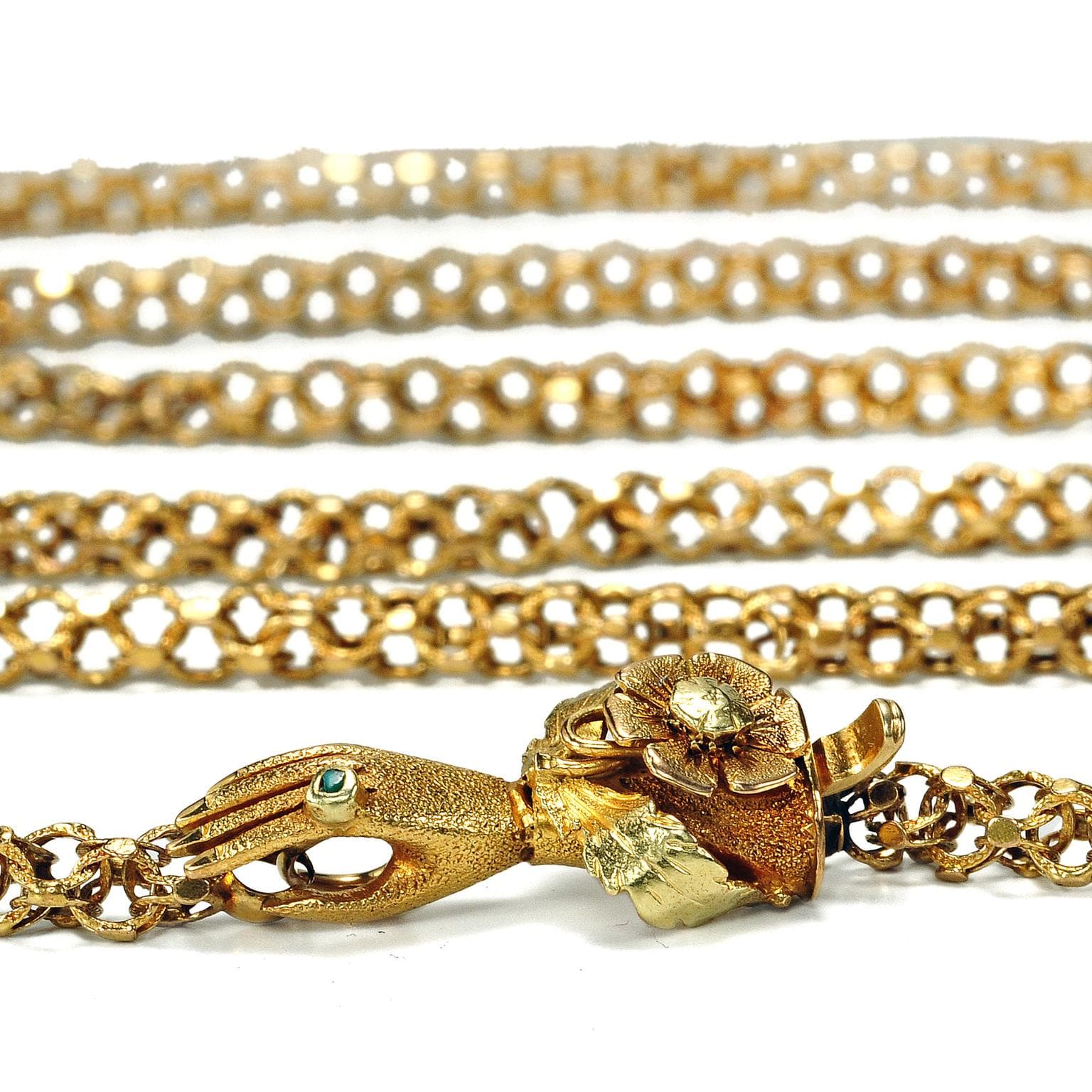
Gold and Smoke fits the moment because it treats contrast as the point, not a compromise. The Denver-based exhibitor specializes in luxe gold jewels often paired with oxidized sterling silver, a combination that gives layered looks more depth than a simple all-gold stack. Oxidized silver darkens the field around the metal, making the gold read even warmer and sharper, which is exactly the kind of visual tension that helps a chain stack or wrist story feel finished.
That mixed-metal approach also gives retailers a practical merchandising tool. Instead of asking clients to commit to one metal family, it opens the door to hybrid stacks that can bridge existing jewelry wardrobes. A gold chain can sit beside a darker oxidized link, a ring stack can move between silver and yellow tones, and the overall effect feels collected rather than matched. That is the kind of versatility buyers remember when they are choosing inventory for customers who want their jewelry to do more than repeat the same formula.
Ana Luisa’s stackable rings and the case for approachable layering
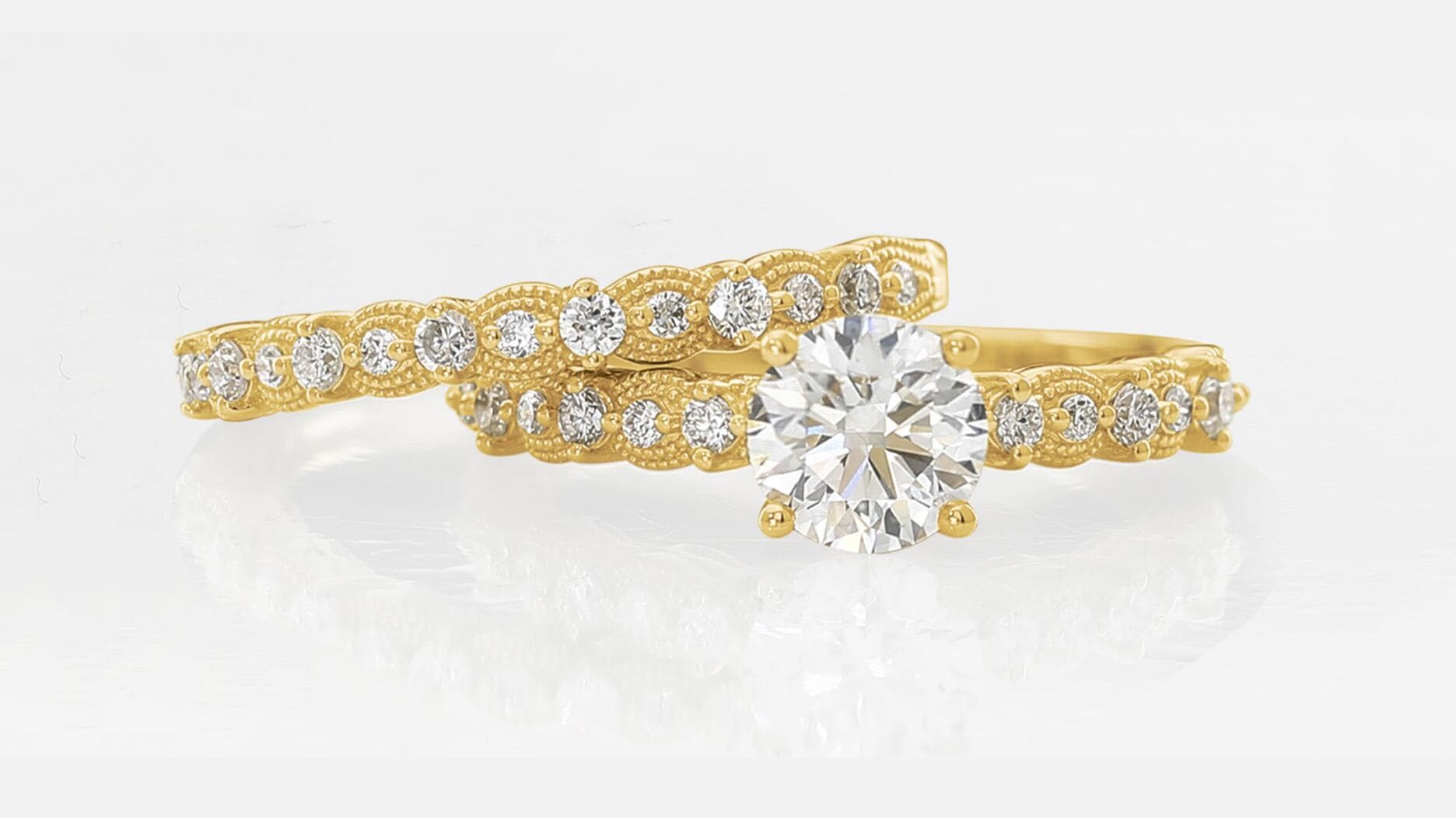
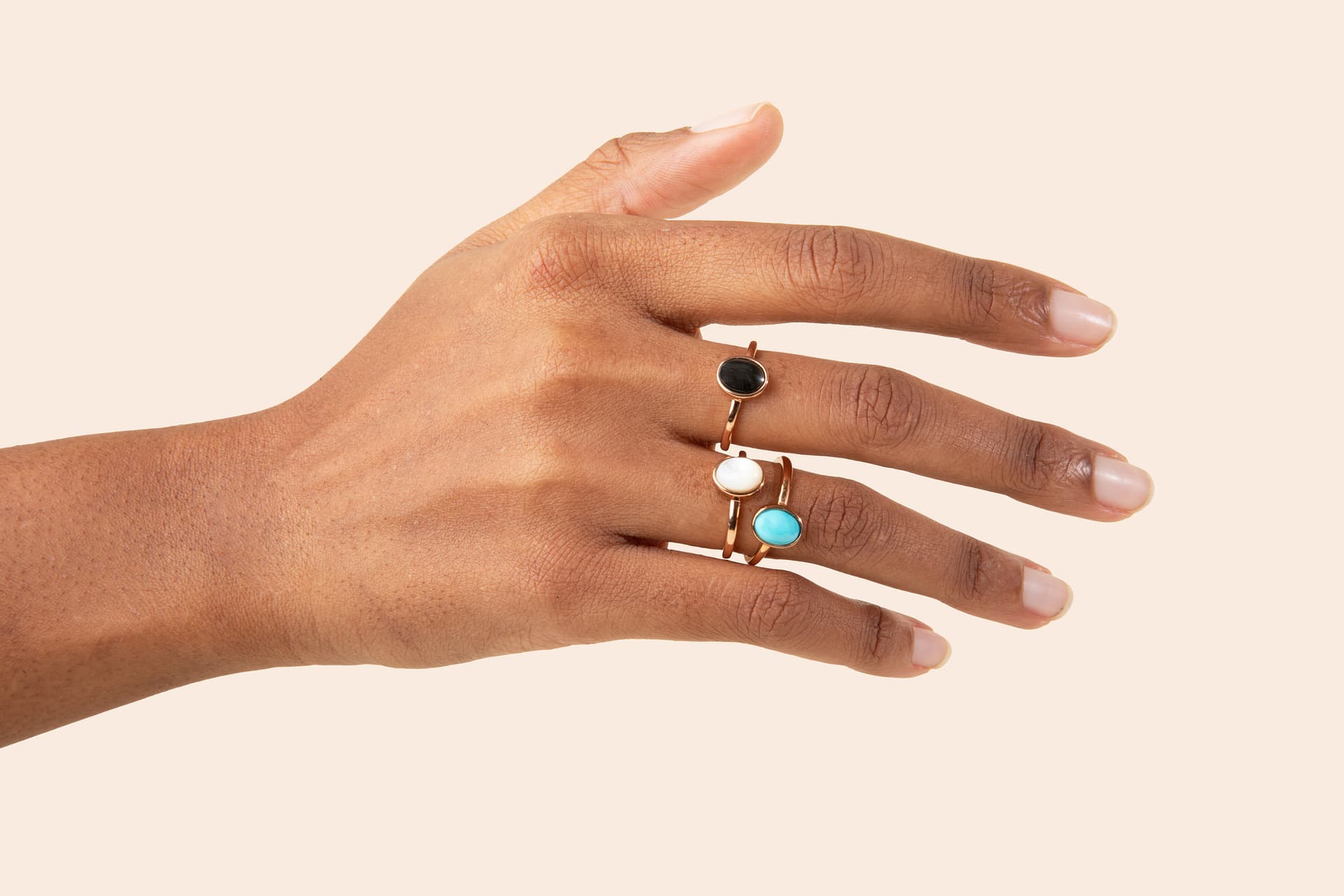
Ana Luisa brings a different kind of layering momentum to the table, one anchored in access and repetition. The brand markets its jewelry as the foundation of a daily stack, and its stacking-rings collection includes nine products, a useful reminder that the category works best when it gives customers enough variation to build around a core shape. The collection includes the Noa Gold Dome Ring, which captures one of the season’s most visible silhouettes: rounded, softly weighted, and easy to pair with slimmer bands.
The price range is part of the story too. Several of the stackable styles in the collection sit between $55 and $85, a band that makes experimentation realistic for first-time buyers while still leaving room for add-on purchases. That is important in a market where layering succeeds when customers can start small and return for another piece that changes the profile of the stack. A dome ring at $85, then a slimmer companion band in the same collection, creates an entry point that feels considered rather than aspirational in the abstract.
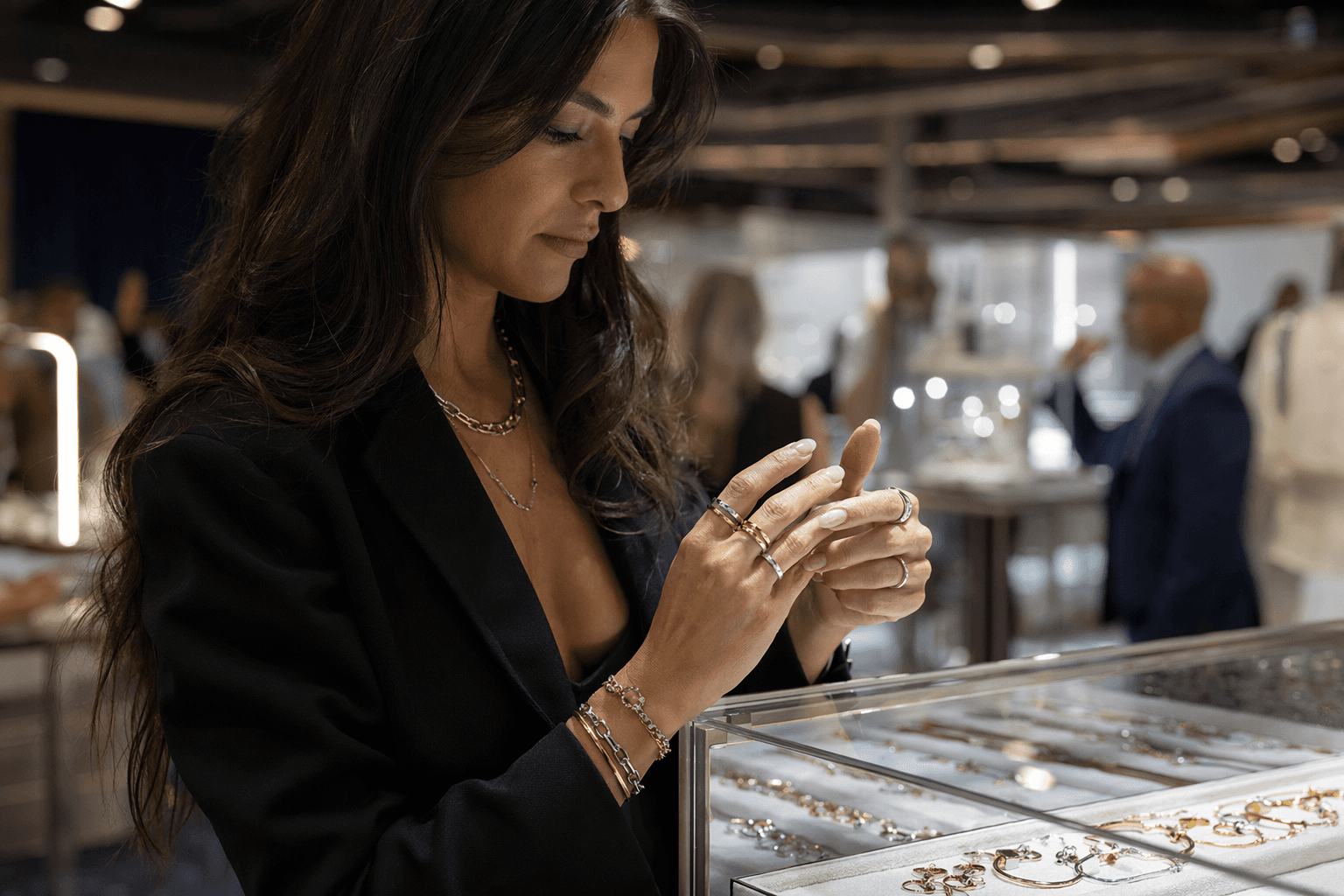
Ana Luisa’s strength here is not just affordability. It is the way the brand translates the stacking idea into a simple retail narrative: one ring becomes two, two become a set, and the set becomes a daily signature. In a season crowded with statement pieces, that clarity is what gives stackable rings staying power.
What these debuts signal for retailers
The broader signal from JCK and Luxury is that layering is moving away from rigid formulas and toward pieces that can be mixed across texture, weight, and tone. Gold and Smoke’s gold-and-oxidized-silver pairing speaks to shoppers who want contrast with polish. Ana Luisa’s dome rings speak to shoppers who want shape and ease at an approachable entry point. Together, they show how retailers can build assortments that serve both the collector and the first-time stacker.
For buying teams, the takeaway is straightforward:
- Mixed metals are becoming a merchandising advantage, not a styling problem.
- Dome rings remain a key shape because they add volume without overpowering a hand.
- Accessible price points, like Ana Luisa’s $55 to $85 band, make it easier to turn layering into repeat purchases.
- Curated environments like Luxury help identify which design languages are polished enough for premium retail, while JCK widens the lens to broader commercial adoption.
This is why the Las Vegas cycle matters beyond the showroom floor. It reveals which pieces are built to be worn together, which silhouettes will anchor the next display case reset, and which newcomers are already speaking the language of modern jewelry wardrobes. Mixed-metal layering and stackable rings are not passing accents here; they are the clearest shorthand for where jewelry retail is headed next.
This article was produced by Prism’s automated news system from verified source data, official records, and press releases, then run through automated quality and moderation checks before publishing. The system is built and supervised by the people who set the standards it runs under. Read our full AI policy.
Did this article answer your question?