Rema’s layered chains and stacked bracelets turn jewelry into rhythm
Rema turns chains and bracelets into a beat you can wear. The trick is stacking for rhythm, not bulk, so the look feels sharp, not costume-like.
Rema’s jewelry language is built like a beat
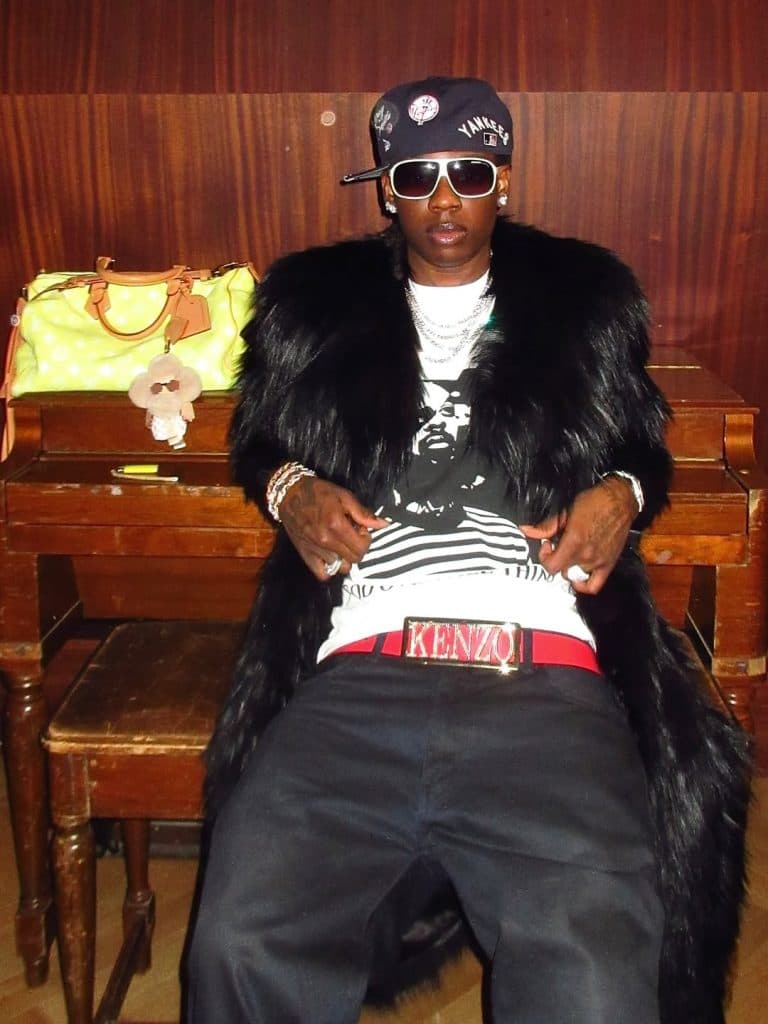
Rema, born Divine Ikubor, understands something many men’s jewelry looks miss: a stack should move like music. His layered chains carry an industrial intensity, while his bracelets create a clear pulse at the wrist, so the jewelry reads as part of the outfit’s energy instead of a separate add-on. That is the real appeal of the look, and it is why it lands with such force. It feels deliberate, but not static.
The image also fits the larger way he has been presenting himself in public. In June 2025, he walked for 424’s Spring/Summer 2026 collection at Paris Men’s Fashion Week at Monnaie de Paris, a debut that fashion coverage treated as a standout moment. That runway appearance mattered because it confirmed what the jewelry has been saying all along: Rema is not using accessories as decoration alone. He is using them as language.
Why the stack works
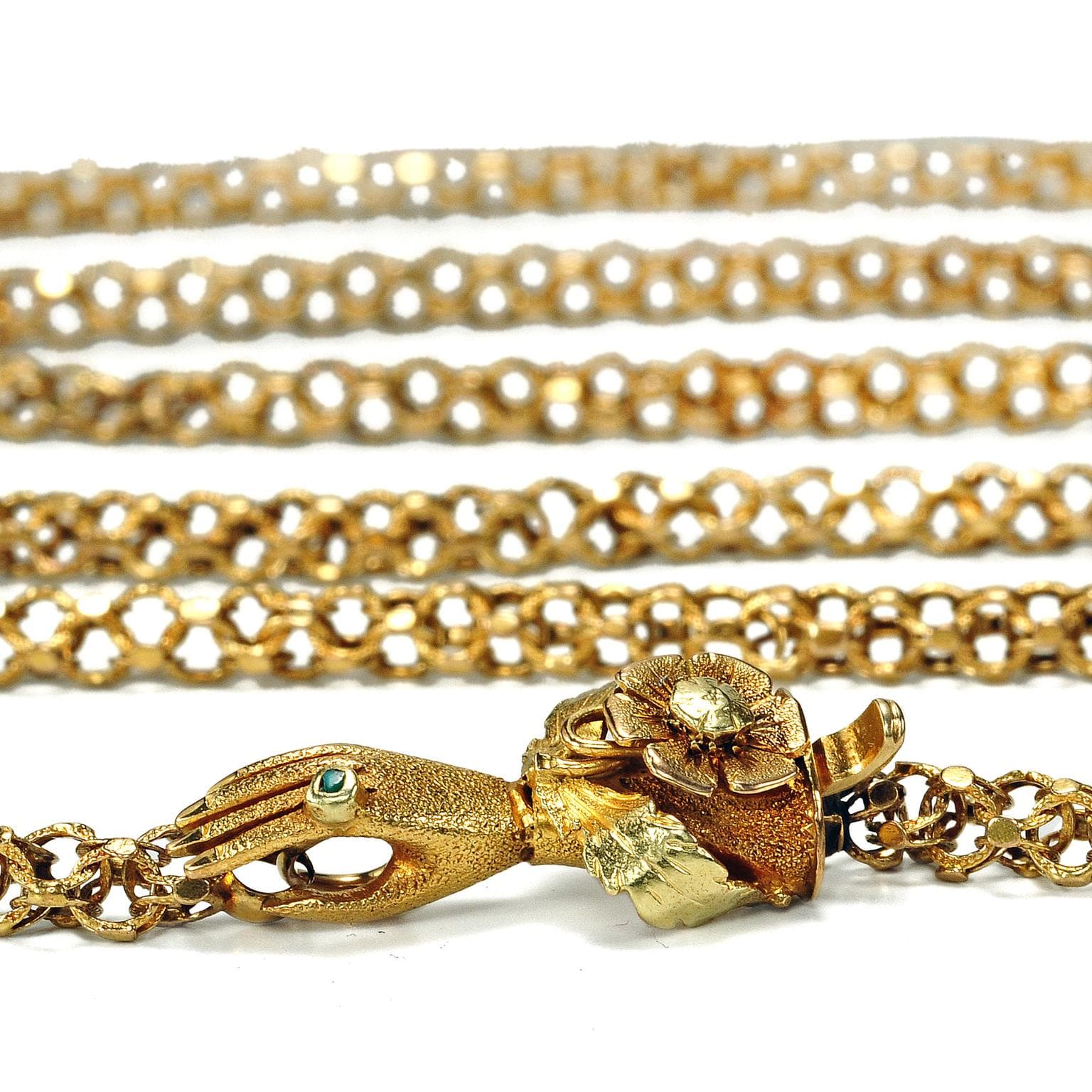
The best layered jewelry looks are built on repetition, density, and texture. Rema’s chains do not rely on one hero piece. They work because the eye keeps finding another link, another length, another weight. The effect is almost architectural, with the metal sitting against the body the way hardware sits against a surface, firm and purposeful.
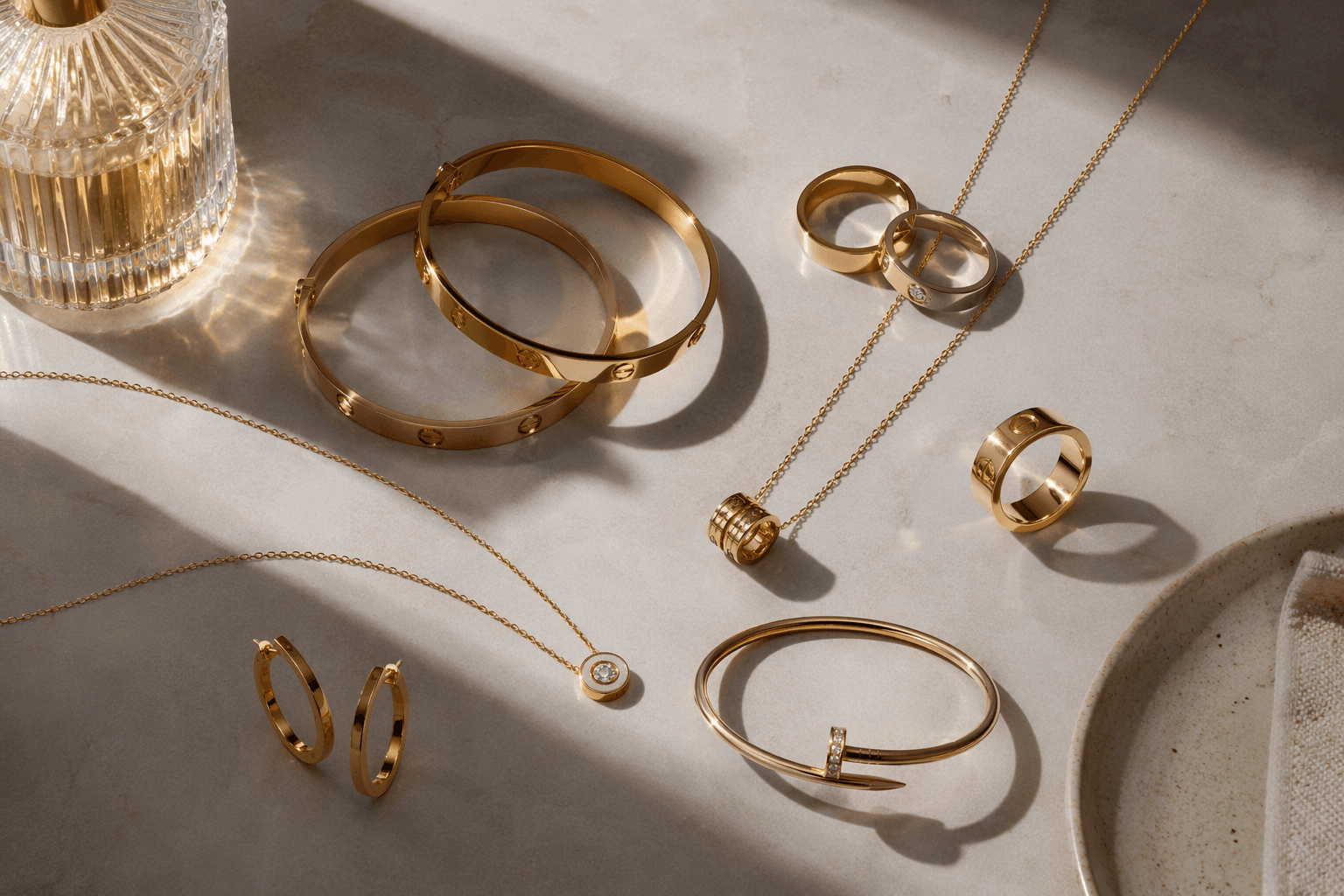
That same principle carries to the wrists. Stacked bracelets work here because they do not sit politely in single-file. They create rhythm through overlap and variation, so the wrist looks active even when the rest of the outfit is simple. If a chain stack can make a T-shirt feel styled, a bracelet stack can make a sleeve feel finished.
How to copy the formula without overdoing it
The easiest way to translate this into everyday dressing is to think in layers of function, not layers of volume. Start with one anchor piece, then build around it. The goal is not maximum quantity. It is controlled contrast.
- Begin with one heavier chain that sits close to the collarbone or just below it.
- Add a second chain that is slimmer, longer, or more open in texture.
- If you want a third layer, make it visually lighter, so the stack tapers instead of clumps.
- On the wrist, mix widths rather than repeating the same bracelet three times.
- Keep one area louder than the other. If the neck is dense, let the wrists breathe, and if the wrists are stacked, keep the chest cleaner.
That balance is what keeps the look from tipping into costume territory. Rema’s jewelry works because it feels composed, not crowded. Each piece has a job, and nothing is fighting for the same visual note.
The men’s and unisex version should feel lived-in, not theatrical
For men’s and unisex styling, the safest route is to preserve the tension in the look without copying every ounce of shine. One chain can be substantial, but the second and third should create a clear rhythm rather than a pileup. Mixed weights are essential. Uniform chains flatten the effect and make it look like one long purchase instead of a considered stack.
The same applies to bracelets. A couple of well-chosen bracelets usually read stronger than a full forearm of metal. The most convincing stacks leave small gaps of skin and cloth, which keeps the jewelry from sealing itself around the body. That negative space matters. It gives the eye a place to rest and makes the stack feel intentional rather than accidental.
If the outfit already has a strong texture, such as leather, denim, or a busy print, keep the jewelry cleaner. If the clothes are plain, the jewelry can do more of the talking. That is the practical lesson in Rema’s look: the stack should amplify the outfit’s energy, not compete with it.
The past-meets-future angle is part of the point
Rema’s jewelry style works because it sits between eras. There is a sense of heritage in the way he treats adornment as a signature, but the finish is future-facing, with chains and wrist stacks that feel tuned for modern streetwear and runway visibility. That tension is one reason the look travels so well. It looks rooted, but not nostalgic. It looks current, but not disposable.
That idea is reinforced by his own jewelry project. In October 2024, he announced a jewelry collection on X, and the accompanying video showed him working with a jewelry specialist as the pieces were examined and documented. Coverage described the collection as a mix of modern and traditional designs, which makes sense in the context of his wider style. He is not presenting jewelry as a random celebrity sideline. He is extending a visual code he already uses in public.
Why the branding matters as much as the metal
The strongest accessory looks are never just about the accessory. They are about the system around it. Rema’s official website and store tie music, merch, and brand identity together, which helps explain why his jewelry reads so cleanly as part of a larger image. The chains and bracelets are not isolated style moments. They belong to a public persona that is already built on visual continuity.
That is the deeper lesson for anyone building a jewelry wardrobe: consistency beats flash. A chain stack becomes memorable when it repeats a visual idea. A bracelet stack becomes powerful when it creates a steady cadence on the wrist. Rema’s look succeeds because it understands that jewelry can behave like rhythm, and rhythm is what makes an outfit feel alive.
The final effect is industrial, but not cold. It is controlled, but not stiff. That is the balance worth copying now: enough weight to feel like presence, enough variation to feel like music, and enough restraint to keep the whole thing wearable.
This article was produced by Prism’s automated news system from verified source data, official records, and press releases, then run through automated quality and moderation checks before publishing. The system is built and supervised by the people who set the standards it runs under. Read our full AI policy.
Did this article answer your question?