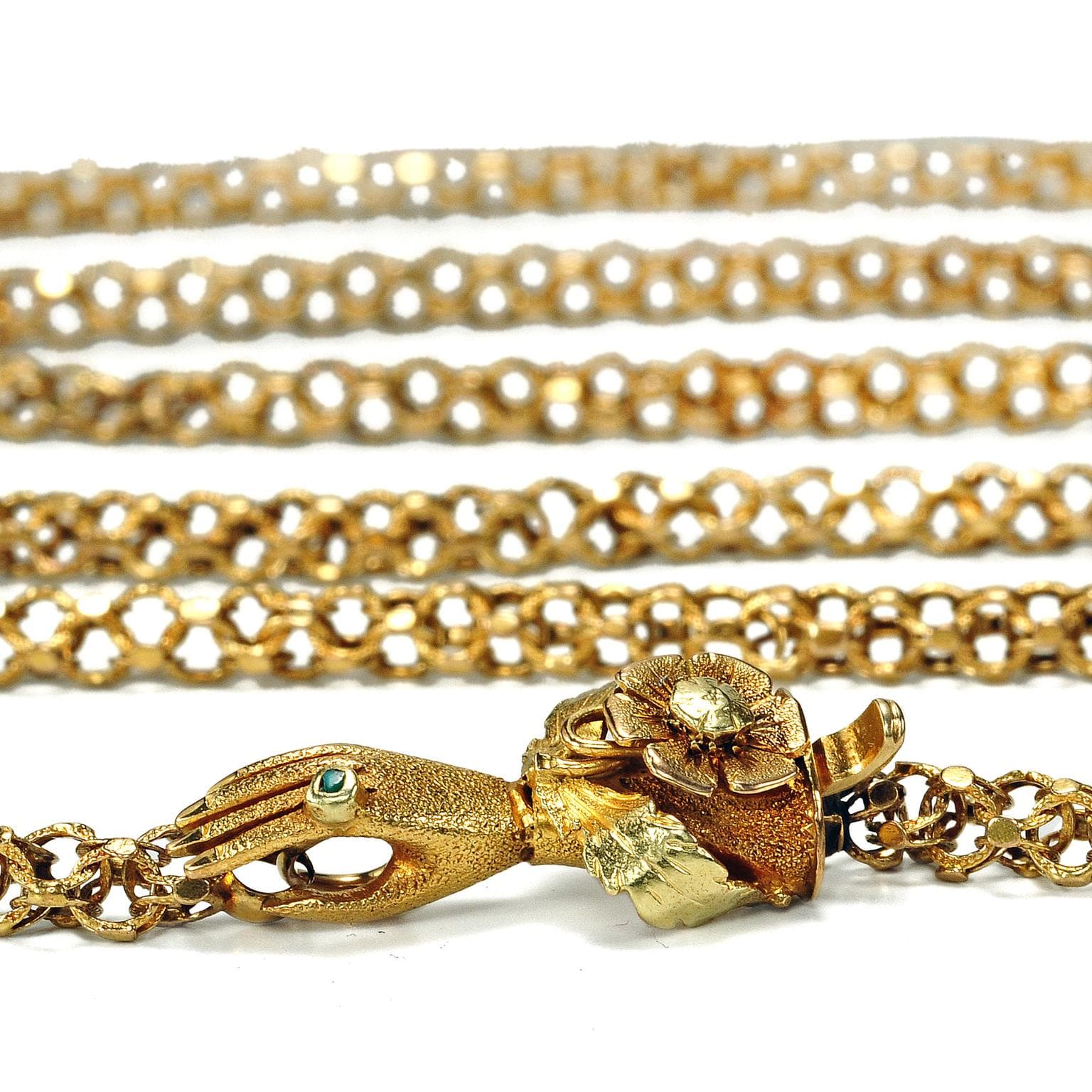
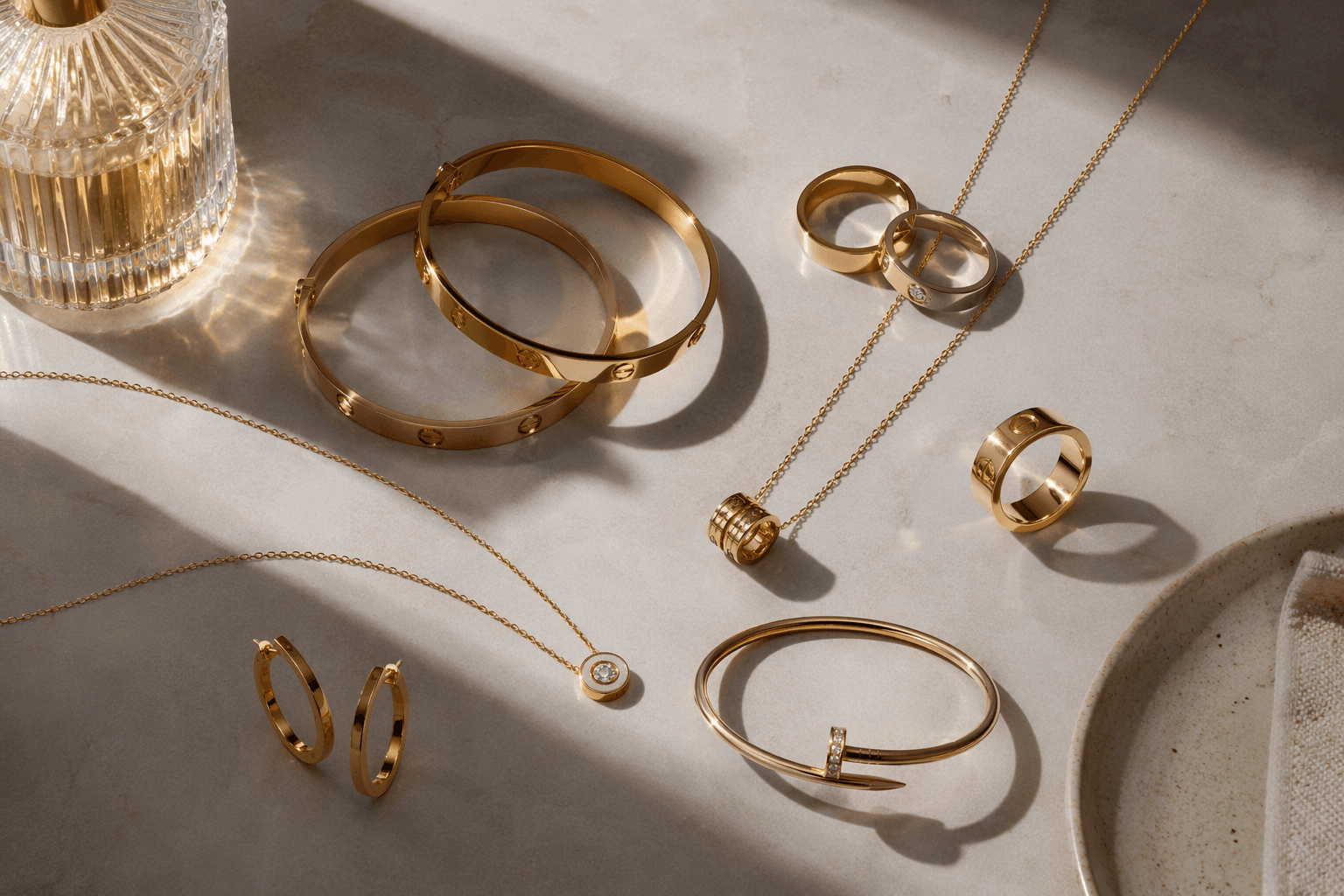
Spring Jewelry Layering Embraces Intentional Stacks and Tassel Movement
Spring’s sharpest stacks lean on one anchor, one contrast, and one tassel that keeps classics from reading flat.
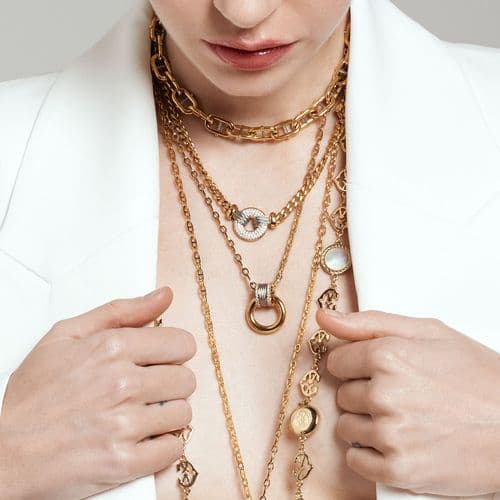
The new stacking code starts with restraint
Spring’s most persuasive jewelry looks are not louder, they are more deliberate. Build a stack around one anchor silhouette, then let everything else answer it: a long lariat, a structured tennis necklace, or a single substantial bangle gives the eye a place to land, while a tassel or dangling end brings the kind of motion that keeps the whole composition alive. The season’s smartest looks also treat color as contrast rather than repetition, and materiality as part of the design story, not an afterthought.
That is why this moment feels different from the old “more is more” approach. The spring 2026 edit runs from Boucheron and Cartier to Mejuri and Jenny Bird, which matters because it suggests a spectrum, not a single price point or aesthetic. A stack can read polished, modern, and personal whether it is built from high jewelry or from lighter, more accessible pieces, as long as the proportions feel intentional.
Let silhouette do the heavy lifting
The strongest neckline story this season belongs to the lariat and the tassel. Lariat necklaces draw on Art Deco geometry, but their elongated shape also feels easy and contemporary, especially when the drop is controlled rather than over-embellished. Tassels, meanwhile, return in pearls, beads, or diamonds, with a little 1920s glamour and a trace of 1970s bohemian looseness.
In practice, that means the silhouette should determine the rest of the stack. A Cartier Panthère de Cartier long necklace in 18K yellow gold with black lacquer, priced at $27,600, is a statement anchor that wants breathing room, not competition. Tiffany & Co.’s Paloma Picasso Olive Leaf Pearl Tassel Necklace, at $7,800, softens the neckline with freshwater pearls and sculpted gold leaves, while Christina Caruso’s $445 Tassel Knot Lariat, hand-carved by New York artisans in 14K gold, shows how a more accessible piece can still deliver movement and presence.
The lesson is not to pile every dramatic chain into one look. It is to let one elongated form lead, then use shorter chains, a slender collar, or a quieter pendant to create scale around it. When the tassel becomes the final punctuation, the stack stops feeling busy and starts feeling composed.
Color should contrast, not merely match
Gold, silver, and rose gold remain the core vocabulary, but spring’s fresher stacks are not built on sameness. The season’s edit pushes readers toward a bolder treatment, one that uses contrast to sharpen the eye and keep familiar pieces from flattening into routine. Black lacquer against yellow gold, creamy pearls against sculpted metal, or a two-tone effect against a monochrome chain all create a cleaner read than a look composed entirely of one note.
That principle matters most with classics, especially a tennis necklace. The line of stones is so polished, so familiar, that it can slip into predictability if everything around it is equally smooth. Set it beside a tassel in mixed material, or offset it with a piece that introduces black, pearl, or bead texture, and the tennis necklace suddenly feels current rather than inherited.
Color contrast is also where the spring stack gains personality. Tiffany’s pearl tassel changes the mood of gold by cooling it down, while Cartier’s black lacquer tightens the entire effect. That tension is what keeps a necklace group from looking merely matched, and it is the easiest way to make a favorite piece look newly styled instead of simply repeated.

Materiality is the modernizer
The season’s most compelling material story is how designers are widening the palette beyond traditional precious metals. Technological advances and the rising price of gold are both pushing houses to experiment, which is why the new jewelry language feels more tactile and varied, with pearls, beads, diamonds, hardware, lacquer, and other innovative surfaces sharing space with the expected classics.
That shift changes how layering works on the body. A polished chain next to beading feels less formal and more editorial; a diamond line next to a lariat with a knotted drop reads as intentional movement; a tassel rendered in pearls instead of metal softens the stack without losing definition. Boucheron’s use of more than 160 diamonds in its signature serti aérien technique, which makes the stones appear to float, is a good reminder that even the lightest-looking pieces are often the most technically exacting.
For wrists and fingers, the same rule applies. Bangles and signet rings remain foundational, but the spring update comes from mixing rigid forms with more fluid details so the stack does not feel frozen in place. A bangle beside a textured band, or a signet beside a slimmer ring with a different finish, keeps the hand from looking overworked while still allowing the pieces to speak to each other.
How to build the look now
- Start with one anchor piece. A long necklace, a tennis line, or a substantial bangle should set the scale for the rest of the stack.
- Add one piece with movement. Tassels and lariats bring the spring 2026 attitude into focus, especially when the rest of the jewelry is more structured.
- Mix finishes instead of forcing a match. Gold with black lacquer, pearls with sculpted metal, or diamonds with beads makes the composition feel fresher than a perfectly uniform set.
- Keep one category quiet. If the neckline is doing the most, let the wrists and hands stay cleaner; if the bangle stack is full, let the necklace line stay elegant and spare. That balance is what turns layering into style, not clutter.
The best spring stacks do what good editing always does: they cut the excess, preserve the point of view, and let one beautiful detail move through the whole look. This season, that detail is often a tassel, and the jewelry feels most modern when it knows exactly when to swing.
This article was produced by Prism’s automated news system from verified source data, official records, and press releases, then run through automated quality and moderation checks before publishing. The system is built and supervised by the people who set the standards it runs under. Read our full AI policy.
Did this article answer your question?