2026 Art Exhibitions Explore Memory, Identity, and Story Through Jewelry
Museum exhibitions in 2026 are reframing jewelry not as ornament but as artifact, using major shows to interrogate memory, identity, and material culture.
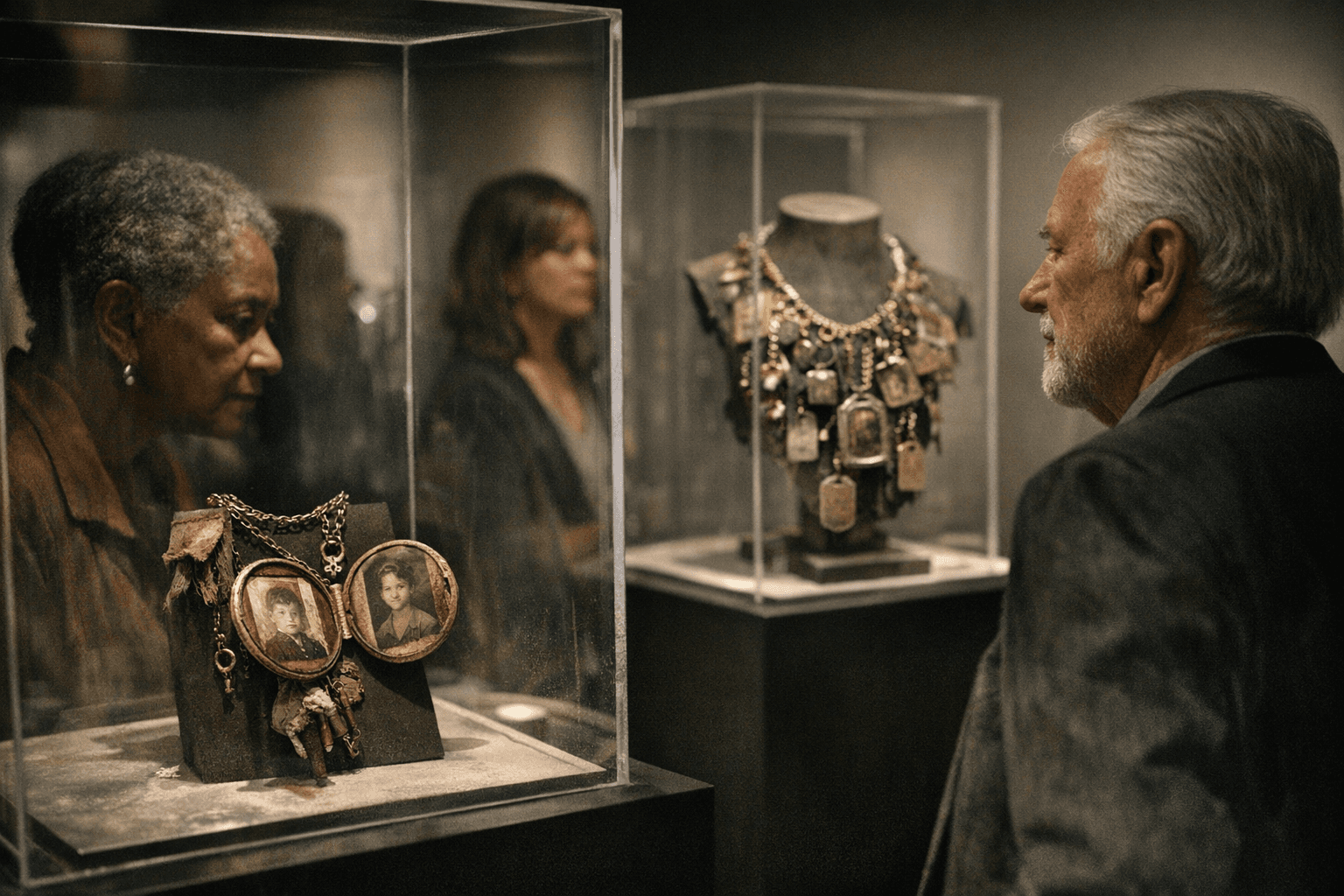
There is a particular kind of attention that a museum demands. You slow down. You look closely. And when the object behind the glass is a piece of jewelry, something shifts: suddenly a brooch or a bangle is no longer decorative but deeply human, carrying the residue of a life lived, a loss endured, a story deliberately encoded in metal and stone. This is the premise that a growing number of 2026's most significant art exhibitions are built upon, and it marks a meaningful evolution in how institutions approach material culture.
W Magazine's updated guide to the art exhibitions you cannot miss in 2026 makes the case plainly: contemporary museum shows are increasingly turning their curatorial eye toward objects that intersect memory, identity, and personal narrative. Jewelry, long underestimated in the hierarchy of fine art, is emerging as one of the most compelling subjects through which these themes can be examined.
Why Jewelry Belongs in the Museum Conversation
The argument for jewelry as art object has always been complicated by commerce. A diamond ring is sold. A painting is collected. That distinction has historically kept fine jewelry at arm's length from serious critical discourse, consigned to vitrines in decorative arts wings rather than centered in conceptual exhibitions. What the 2026 museum landscape appears to be renegotiating is precisely that boundary.
When an institution frames a jeweled object through themes of memory and identity, it asks visitors to engage with it differently. The question is no longer "What is this worth?" but "What does this mean?" That is a fundamental reorientation, and it has consequences for how collectors, enthusiasts, and first-time buyers understand the objects they wear or aspire to own.
Material culture, as a field of inquiry, concerns itself with what physical objects reveal about the societies and individuals that made and used them. Jewelry is among the most intimate of all material objects: it touches the body, it is chosen deliberately, and it is frequently passed across generations. A mourning brooch set with hairwork under rock crystal tells you something about Victorian grief that no written account can quite replicate. A gold cuff incised with a grandmother's name in Arabic script carries a migration story in its surface. These are not decorative details. They are primary documents.
The Themes That Define This Exhibition Moment
Memory, identity, and story are not accidental curatorial choices for 2026. They reflect a broader cultural reckoning with how objects survive us and speak for us. In a moment when digital archives feel simultaneously infinite and fragile, the physical object, specifically the wearable physical object, carries an urgency it hasn't held in some time.
Exhibitions that interrogate memory through jewelry tend to focus on provenance in the deepest sense: not auction house provenance, but human provenance. Who wore this? Under what circumstances was it made? What was the maker trying to preserve or communicate? These are questions that push against the traditional museum label, which tends to tell you what something is made of and when, but rarely why it mattered to the person who commissioned it.
Identity, as a curatorial lens, opens up questions about how jewelry has functioned as both armor and signal. Historically, certain stones were believed to protect the wearer; certain metals conveyed status or allegiance. The signet ring, the mourning locket, the engagement ring: each carries a social grammar that shifts across cultures and centuries. When exhibitions foreground identity, they invite visitors to read that grammar critically, to understand jewelry not as luxury consumption but as a system of meaning-making that has existed across virtually every human culture.
Story, the third theme in this 2026 curatorial trifecta, may be the most accessible entry point for visitors encountering fine jewelry seriously for the first time. Every object has a biography. Exhibitions that foreground narrative give that biography structure, asking visitors to follow a piece from its material origins, ore in the ground, gemstone in the earth, through its making, its wearing, its inheritance or loss.
What This Means for Collectors and Enthusiasts
The museum context changes something in the collector's eye, even long after the visit ends. When you have stood in front of a nineteenth-century parure, or a mid-century modernist brooch by a maker whose name you are still learning, and engaged with it as art rather than commodity, you return to the jewelry market with a different set of questions.
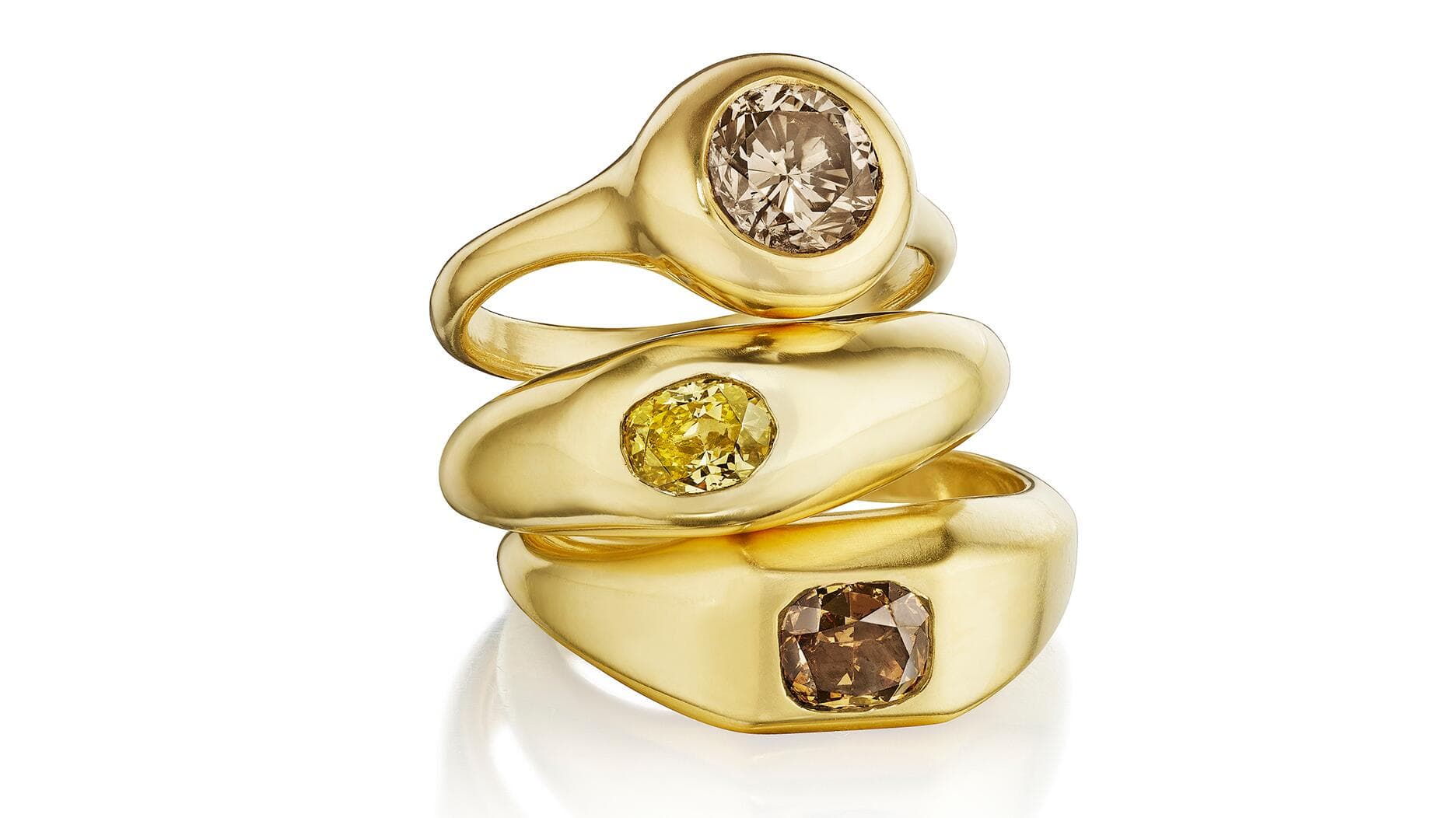
You begin to ask about intention. Not just "Is this well-made?" but "Why was it made this way?" The choice to set a stone in a bezel rather than a prong is not purely aesthetic; a bezel setting protects the stone by encircling it completely in metal, which speaks to durability and a certain philosophy of preservation. A prong setting, which lifts the stone above the metal on delicate claws, is an act of display, of confidence. These are design decisions that carry meaning, and the museum exhibition is increasingly the space where that meaning gets articulated.
For first-time buyers approaching fine jewelry with a sense that they want something significant rather than merely beautiful, the 2026 exhibition calendar offers something practical alongside the cultural enrichment: a vocabulary. Understanding why institutions are grouping certain objects together, what the curatorial argument is, gives you the language to articulate what you are looking for when you walk into a jeweler's.
Looking Ahead
The alignment between major 2026 museum programming and the themes of memory, identity, and story is not coincidental. It reflects a cultural appetite, sharpened over the past several years, for objects that mean something beyond their market value. Jewelry has always carried that potential. What these exhibitions do is make the argument formally, with the institutional weight that shifts public perception.
For anyone who has ever inherited a piece and wondered what to do with it, or stood in a jewelry shop uncertain whether something beautiful was also worth keeping, the museum offers a useful frame: the object you are considering has ancestors, and those ancestors have something to say. The most interesting jewelry of 2026, whether encountered in a gallery vitrine or on the finger of someone you love, will be the kind that rewards exactly that kind of looking.
Know something we missed? Have a correction or additional information?
Submit a Tip