9-Step Diamond Buying Guide Balances Four Cs, Budget, Setting, Expert Advice
Diamonds.pro’s updated 9‑step guide puts the Four Cs in context: prioritize Excellent/Ideal cuts, aim for G–I color for a white look without D/E prices, and get an impartial expert review.
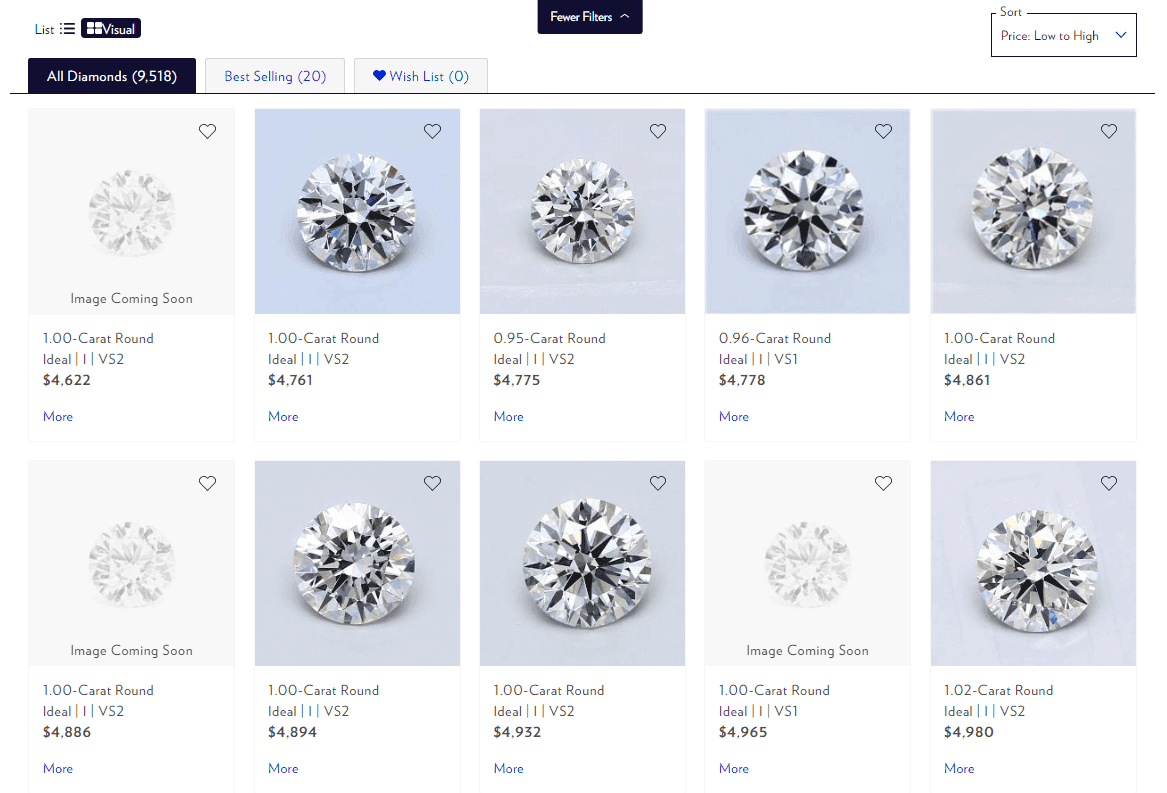
Diamonds.pro’s buyer guide, updated November 19, 2025, frames diamond selection as a practical balancing act between the Four Cs and real life: budget, setting, and lifestyle. The guide walks readers step-by-step through shape choices, tradeoffs among the 4Cs, and setting considerations, and its companion LinkedIn excerpt gives clear rules of thumb for the choices that matter most.
The shape starts the conversation
“The shape of your diamond is the launching point of your ring’s design. No shape is better than the other—it’s up to your personal preference (or your partner’s),” reads the LinkedIn excerpt. That single sentence captures what you need to decide first: do you want maximum brilliance, or a signature silhouette that reads as personal? Round Brilliants are identified as the most popular and the most brilliant; Cushion and Oval are cited as examples of more unique options. If you do not know your partner’s taste, the guide recommends a discreet reconnaissance: ask family or close friends.
Carat: size, expectation, and example ranges
Sizing is both emotional and mathematical. The LinkedIn excerpt asks a practical question: “Is your fiance-to-be expecting a 1 or 2 carat diamond?” and offers a concrete buying window: “Choose the carat weight range you’re open to considering, such as a 0.95 to a 1.08 Carat diamond.” That 0.95–1.08 example is useful because it shows how shoppers can target visual thresholds (a stone that reads as one carat) while avoiding price jumps tied to round-number weights. Remember the basic economics the guide states plainly: as carat weight increases, so does the price.
Cut quality drives perceived beauty
“The aspect that most greatly impacts a diamond’s beauty is its cut quality,” the LinkedIn excerpt emphasizes. It also warns that “Cut grades aren’t standardized across all vendors,” then offers a firm recommendation: “in general, we recommend only Excellent and Ideal cut diamonds.” That’s a strict rule, but justified: a superior cut optimizes light return and compensates for modest differences in color or clarity. Because vendors may use different grading terms or labs, insist on seeing the grading lab name and a light performance image or proportions table when you compare stones.
Color: how to look white without paying D or E premiums
The guide’s guidance on hue is decisively practical: “The goal with diamond color is to choose a diamond that appears white. But you don’t need to pay for a D or E diamond to get a colorless stone. In general, diamonds in the G to I range appear white but cost far less.” That G–I range is a consumer-grade secret worth sharing: in many ring settings and with good cut, a G or H will look white to the eye at a fraction of the D/E price. The excerpt also adds a crucial nuance: “different shapes reflect color at different strengths, so your choice of optimal color, balancing the diamond’s appearance with the diamond’s price, will depend greatly on what diamond shape you’ve chosen.” In practice, that means leaning toward higher color on elongated fancy shapes and you can tolerate slightly lower color in high‑brilliance rounds.
Clarity is listed but guidance missing in the excerpt
Step 5 is labeled “Select Clarity Grade,” but the LinkedIn excerpt provided no further text for that step. Because clarity guidance is absent from the excerpt, the responsible approach is to follow two principles: prioritize eye-clean stones over theoretical grades, and ask to see the actual loupe images or plot from the grading report. Many SI1 or VS2 stones are eye-clean at common viewing distances, especially in smaller sizes; insist on an image or video to confirm what “clean” means for that specific stone.
Two middle steps missing from the excerpt
The nine-step sequence in the available material jumps from Step 5 to Step 8. Steps 6 and 7 are not present in the LinkedIn excerpt and need to be confirmed in the full guide. Because the complete 9-step context matters before purchase, treat any publicized “9-step” checklist as incomplete unless you can read the entire sequence and supporting rationale.
Settings, lifestyle, and how they alter the Four Cs
Diamonds.pro frames the Four Cs within budget, setting and lifestyle, and that matters for durability and daily wear. A bezel or low-profile setting protects a delicate cut like an oval if the wearer is active; a prong halo can visually boost a smaller carat weight. The guide promises “insider tips for how to determine the type of setting she’ll love,” and the purchase step directs buyers to select a ring setting at the time of purchase. When assessing settings, ask about metal hardness, soldering practices, and whether the jeweler offers tightening or maintenance plans.
Get an impartial expert opinion before you buy
Step 8 is explicit and persuasive: “Before making the big decision to buy a diamond, have one of our impartial experts review your choice. We’ll give your diamond a close look to see if we recommend the purchase. Having an expert’s opinion ensures you get the best diamond for your budget. You’ll also have more confidence in what you’re buying.” The keyword is impartial. Verify whether the expert is in‑house or a third‑party appraiser, whether the review is documented in writing, and whether there is a fee. An expert who will examine the grading report, look for potential undetected fluorescence issues, and evaluate tradeoffs among cut, color and clarity is worth the modest cost if it prevents an expensive mistake.
Making the purchase: buy online, but do your homework
The guide’s final public step says: “Once you feel confident in your diamond, buy it online along with a ring setting of your choice. Follow our insider tips for how to determine the type of setting she’ll love.” Buying online is convenient and often price-competitive, but the excerpt leaves some “insider tips” out of view. Before clicking purchase, confirm return policies, inspection periods, who pays for insured shipping, and whether the certificate matches the stone. When a vendor bundles a setting, ask for photographs of the exact finished ring, not only sample images.
- Ask to see the full grading report and verify the grading lab.
- Request loupe images or a video of the actual stone to confirm eye-clean clarity and color appearance.
- Confirm whether the “impartial experts” are independent appraisers and whether their review is documented.
- Check return window length and who covers insured shipping for returns.
- If the seller claims ethical sourcing, ask for provenance documentation and any supplier or chain-of-custody details.
Practical checklist and red flags
A final, pragmatic thought
Diamonds.pro’s approach, updated November 19, 2025, anchors decision making in tradeoffs, not absolutes: choose shape first, pick a carat window that fits your visual goals, insist on Excellent or Ideal cuts, and aim for G–I color to keep costs reasonable while preserving a white appearance. Where the excerpt is incomplete, especially for clarity and two middle steps, insist on seeing the full guide and ask pointed questions about expert impartiality and provenance. With the Four Cs balanced against setting and lifestyle, and an expert review to confirm the tradeoffs, you can buy a diamond that reads as beautiful without compromise.
This article was produced by Prism’s automated news system from verified source data, official records, and press releases, then run through automated quality and moderation checks before publishing. The system is built and supervised by the people who set the standards it runs under. Read our full AI policy.
Did this article answer your question?