Bahati Jewelry Translates African Mythology Into High-End, Narrative-Driven Pieces
Giuliana Loglisci's Bahati project turns African mythology into high-end narrative jewelry, with a promise to fund a private art school for gifted African children.
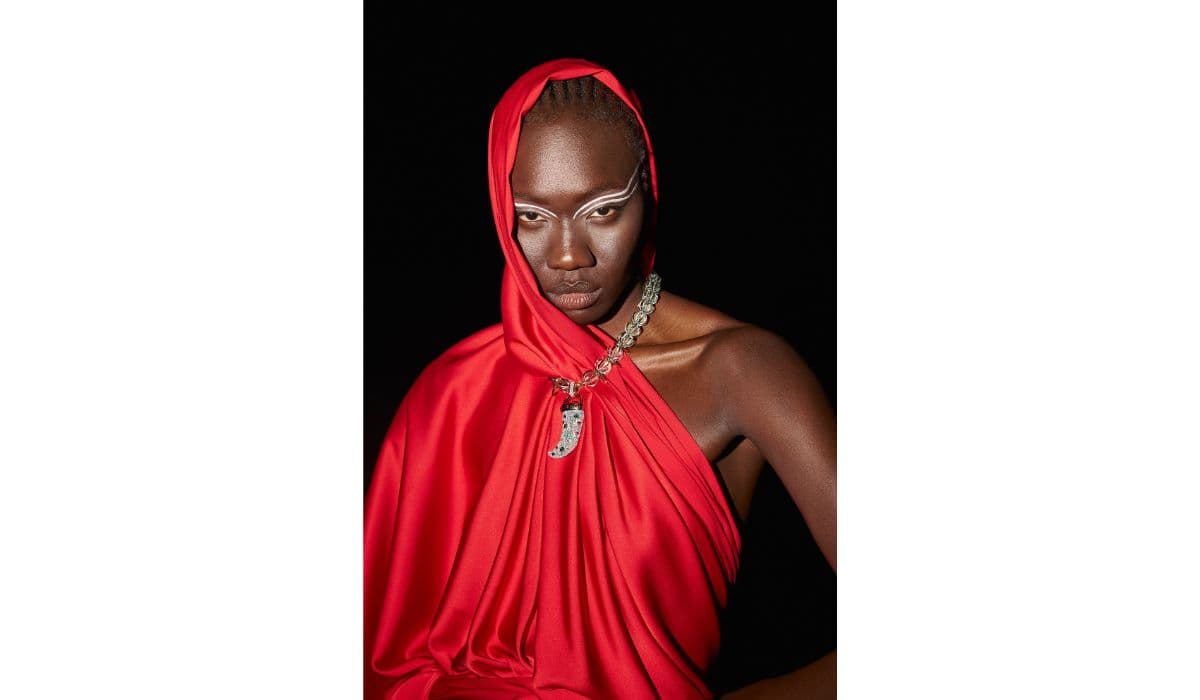
A bold and profound expression inspired by the spirit of Africa" is how designer Giuliana Loglisci describes Bahati, the jewelry project she launched in December 2022. The name alone sets the tone: "Bahati" derives from Swahili origins, carrying the meaning of "luck," "fortune," or "good luck." It is a word rooted in the cultural heartland of East Africa, and Loglisci has chosen it as both a brand identity and a philosophical declaration.
Myth as Material
At the center of Bahati's design language is a commitment to storytelling. The project translates African mythology and tradition into high-end, narrative-driven jewelry: each piece is conceived not merely as an object of adornment but as a vessel for legend. The Bahati Project extends far beyond the realm of jewelry, casting its creative net across diverse art forms, with Giuliana's overarching goal to orchestrate a complete and immersive experience where African vibes resonate through jewelry masterpieces, vibrant paintings, and music. That ambition begins, though, with the jewelry itself, and with Loglisci's insistence that every piece carries the weight of the stories it represents. As she has put it plainly: "The jewelry is as precious as the intention behind it."
The design source material is the rich, layered world of African myth and tradition, interpreted through a contemporary fine jewelry lens. In December 2022, the Bahati Project sparked to life, growing into an unfolding reality shaped step by step with intention and passion; it is a limitless canvas where artistry flows freely, where high-end jewelry merges with the mystique of African culture and tribal art. What distinguishes Bahati from decorative Africana-inspired fashion is precisely this narrative seriousness: the pieces are not surface-level homages but structured translations of specific stories and traditions into precious form.
Craftsmanship in Bangkok
The production of Bahati's pieces unfolds thousands of miles from the African continent. Loglisci assembled a team of master craftsmen and skilled goldsmiths in Bangkok, where her creations are made. This is not an accidental geography. Loglisci studied at the Gemological Institute of America (GIA), moved to Bangkok to complete her training, then worked as a gemologist in an international gemstone firm before choosing Bangkok as her base; ever since, she has had the privilege to work with superb goldsmiths on a daily basis, crafting her precious collections. Bangkok has long been one of the world's premier centers for gemstone trading and goldsmithing, and Loglisci's decision to root her production there reflects a professional calculation grounded in over a decade of working within its craft ecosystem.
The choice also raises fair questions. What metals and stones go into these pieces? Are sourcing standards documented? The research available at this stage does not specify gold karatage, gemstone provenance, recycled-material content, or conflict-free certifications for Bahati's pieces specifically. These are meaningful gaps for any buyer who cares about the provenance of their jewelry, not just its aesthetics. They are also questions worth directing to Loglisci directly before committing to a purchase.
The Philanthropic Commitment
Bahati is positioned as more than a design practice. The project commits revenue and attention to supporting young African communities, with a stated social mission woven into its founding purpose. The Bahati Project is focused on the establishment of a distinguished private art school within Africa, with part of the proceeds from the sale of pieces allocated towards the financing and realization of this endeavor; the aim is to provide a platform for exceptionally talented children to explore and enhance their artistic abilities.
Loglisci has articulated the vision with characteristic clarity. Her dream is to found "a private art school, a kind of sanctuary where gifted children can explore their creative potential and receive the support they need to shape their future." The language of sanctuary, of shaping futures, recurs in how she frames the entire Bahati project: a practice in which commerce and purpose are designed to be inseparable.
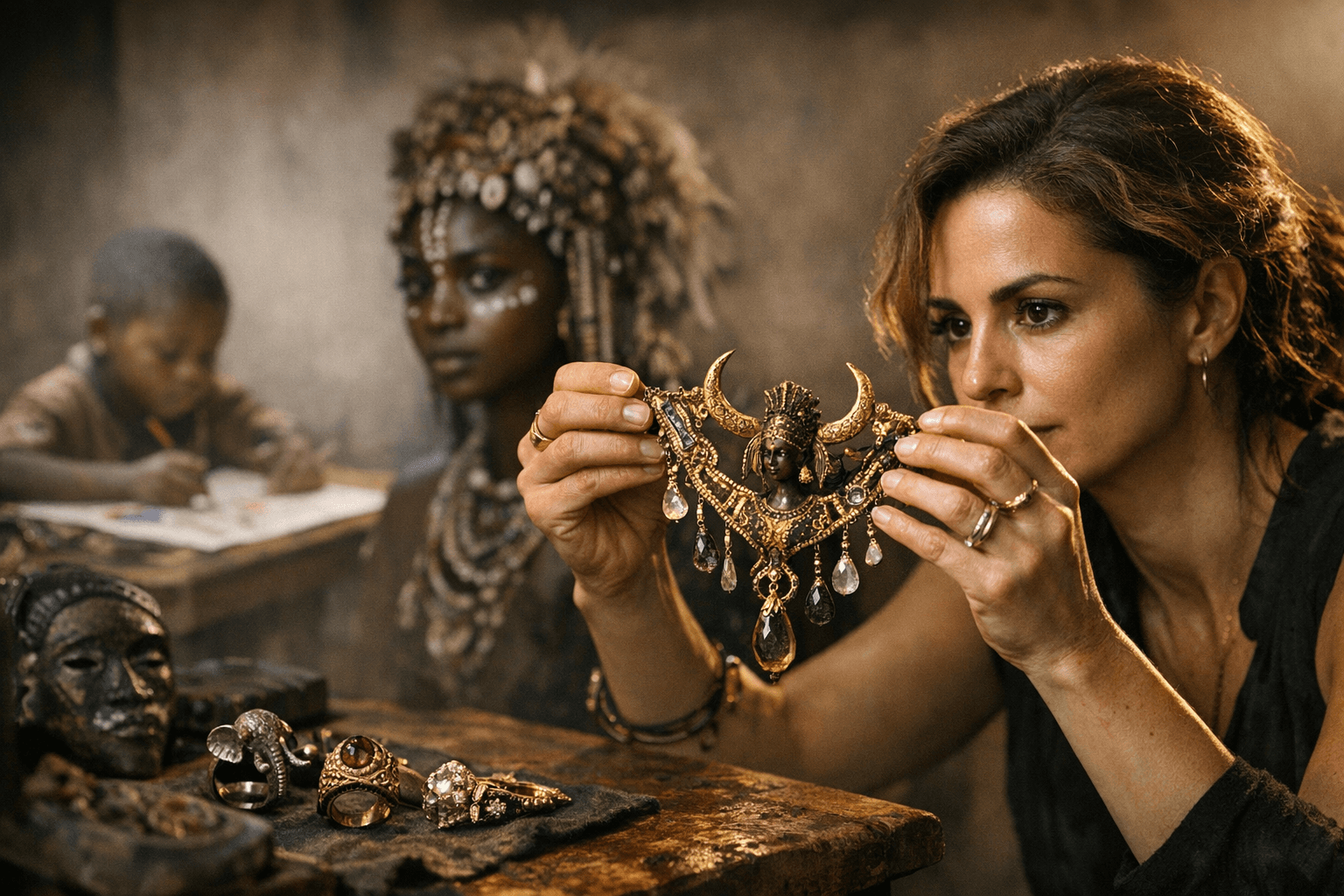
That said, the specific mechanics of the philanthropic model remain publicly undetailed. The percentage of revenue allocated, the legal structure handling disbursements, any named partner organizations, and the timeline and location of the proposed school are not yet documented in available materials. Specific details regarding locations and operational frameworks are currently under deliberation. Transparency here would meaningfully strengthen Bahati's credibility among buyers who want to know precisely how their purchase translates into community impact.
Cultural Collaboration
One detail that distinguishes Bahati from the crowded field of Africa-inspired luxury brands is evidence of direct collaboration with African artists. In a vibrant homage to African art and culture, Giuliana collaborated with talented African artists, meeting with several extraordinary painters, each with a unique story and remarkable skill, and inviting them to collaborate; by commissioning these artists to blend their distinct tribal expressions into paintings that capture the spirit of Bahati, she seeks to enhance the project's cultural impact and deepen its artistic richness. This is a meaningful distinction. Cultural inspiration drawn directly from African creators, rather than applied at a remove, gives the project a different ethical footing than luxury brands that mine aesthetic traditions without dialogue or credit.
In collaboration with Pablo Vicencio, known as Shamanic Catharsis, Giuliana also transforms her jewelry into sound, creating a fully immersive experience. The integration of music into the Bahati world is consistent with Loglisci's stated goal: this is not a jewelry line with a good-cause addendum, but an attempt to build a sensory and cultural ecosystem around African mythology.
What the Name Promises
"I believe that the beauty of life is even greater when it is shared, and through Bahati, I hope to convey this light." That line, offered by Loglisci as a summary of her motivations, clarifies what makes Bahati structurally different from most high-end jewelry projects. The pieces are not conceived as objects of personal accumulation but as acts of transmission: from African tradition, through the hands of Bangkok goldsmiths, to the wearer, and back outward toward the communities whose stories made the work possible.
The name Bahati reflects the widespread African tradition of bestowing names that express parental hopes and blessings; in Swahili-speaking regions of East Africa, particularly in Kenya, Tanzania, and parts of Uganda, Bahati serves as both a given name and occasionally a surname, embodying the cultural value placed on fortune and divine favor. Choosing it as a brand name is itself an act of meaning-making, a signal to buyers that what they are acquiring carries intention beyond aesthetics.
For buyers drawn to narrative jewelry, the Bahati project represents a genuinely distinctive proposition: pieces rooted in specific mythological traditions, made by skilled goldsmiths in one of the world's great craft cities, sold in service of an art school that does not yet exist but whose founding is treated as the project's north star. That last fact asks something of the buyer: a degree of trust that the aspiration will become architecture. Given that Loglisci has spent the past three years building collaborations with African painters, commissioning immersive sound experiences, and assembling a production team in Bangkok, the trajectory suggests she is not simply dreaming out loud.
This article was produced by Prism’s automated news system from verified source data, official records, and press releases, then run through automated quality and moderation checks before publishing. The system is built and supervised by the people who set the standards it runs under. Read our full AI policy.
Did this article answer your question?