Buyers Flee Large Diamonds, Favor Colored Stones and Natural Pearls
“What’s so interesting is we have clients who have been diamond clients for Christie’s for the last 15, 20 years who are now colored stone clients.”
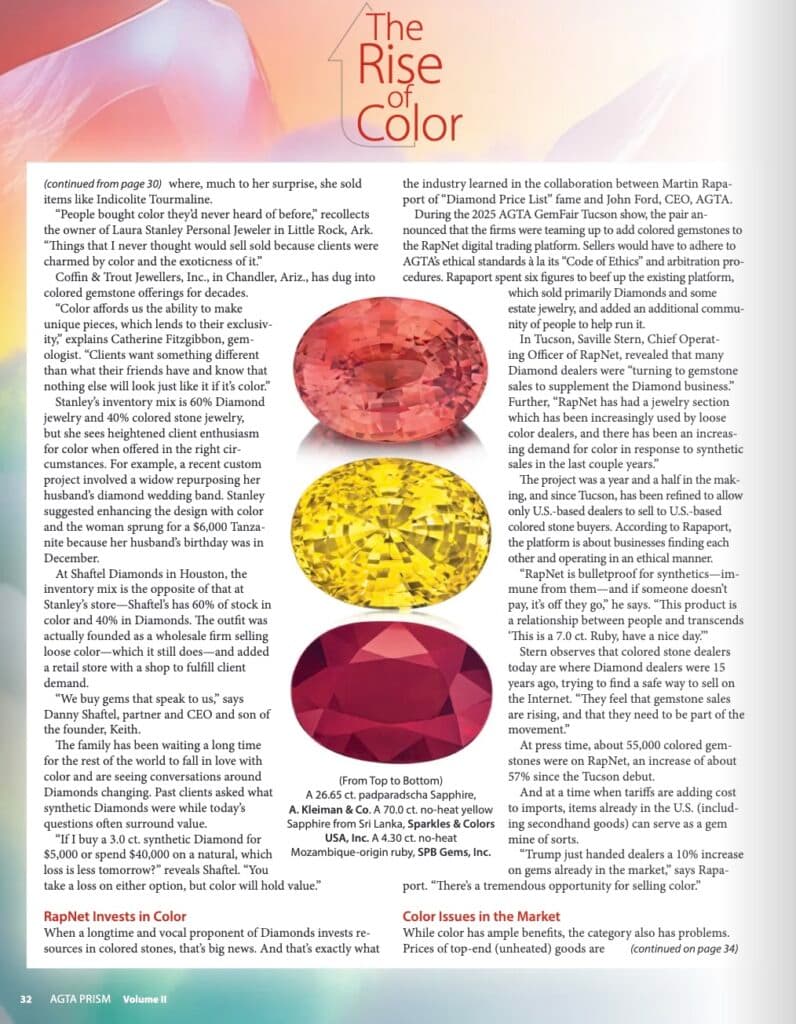
“What’s so interesting is we have clients who have been diamond clients for Christie’s for the last 15, 20 years who are now colored stone clients." That observation captures the principal shift observed in a March 6, 2026 analysis of auction markets, where colored stones and natural pearls are described as doing well while large white diamonds are softening.
The analysis, which tracks auction results and buyer behavior, finds a clear migration of capital away from ultra-large white diamonds toward top-quality sapphires, rubies, emeralds and natural pearls. Market participants point to rarity and relative value: "But top-quality colored stones are genuinely extremely rare, and they are relatively inexpensive compared to colored diamonds." That contrast is reshaping consignments, cataloging and bidding strategies at auctions this season.
Longstanding trade relationships are changing in practical ways. "We have traditional clients from Israel that are bread-and=butter diamond dealers who have moved away from diamonds because it’s simply too difficult to make the margins and the prices have decreased so drastically. So colored stones is now where they’re investing their money," a dealer observed, describing both the dealer-side pressure on margins and the reallocation of inventory capital toward colored-stone lots and natural pearls.
Technology and supply dynamics are amplifying the effect. "With the new 3D mapping technology that [the miners] have, they can see the rough diamonds in the ground before mining them, so they can dig around the rough and not crush [big stones]. And every year larger pieces are mined, which has definitely detracted from the value," said a market participant, describing how improved remote mapping and targeted extraction are increasing the annual tally of large roughs and undermining claims of singular rarity for previously heralded white diamonds.
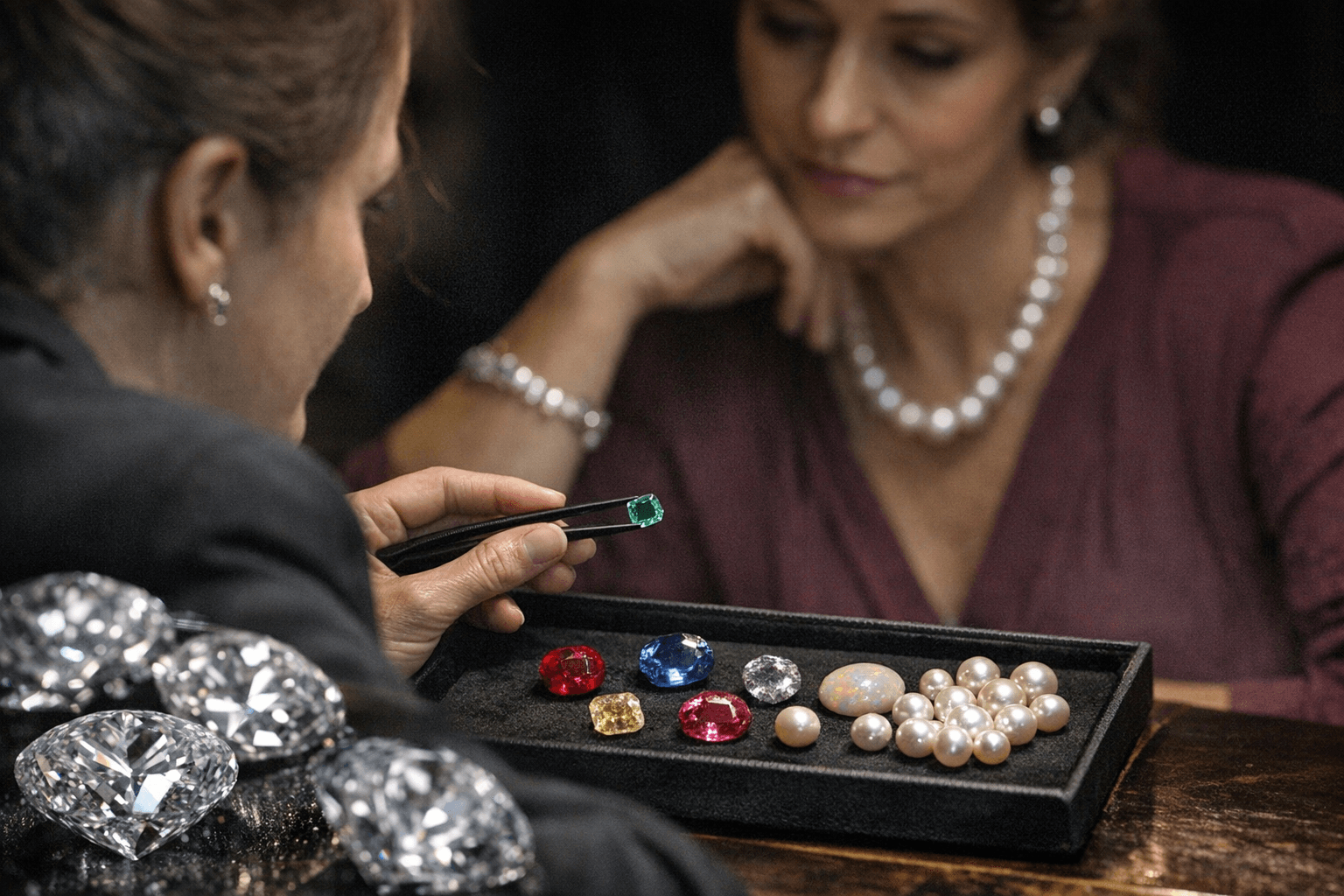
That erosion of rarity has a buyer-side consequence: "Another key factor with white diamonds is there’s simply too many of them. There aren’t many buyers who want to buy 30, 50, 80 ct. white diamonds. They’re not necessarily that practical to wear. They’ve been a very poor investment, given they’re worth so much less than they were worth in 2010, 2011." The sizes cited—30 ct, 50 ct, 80 ct—underline how the market for showpiece diamonds differs from the market for wearable, investable jewelry.
Psychology completes the picture: "That has led to a bit of a follow-the-herd mentality. People see where prices are going up and gravitate towards that area of the market," and, as another participant put it, "People want what other people can’t have, and that is going to be true forever." For collectors and dealers, the immediate consequence is concrete: auction calendars this year are likely to favor brilliantly saturated sapphires, clean natural pearls and the rare fine ruby or emerald over the ultra-large white diamond lots that dominated a prior decade.
This article was produced by Prism’s automated news system from verified source data, official records, and press releases, then run through automated quality and moderation checks before publishing. The system is built and supervised by the people who set the standards it runs under. Read our full AI policy.
Did this article answer your question?