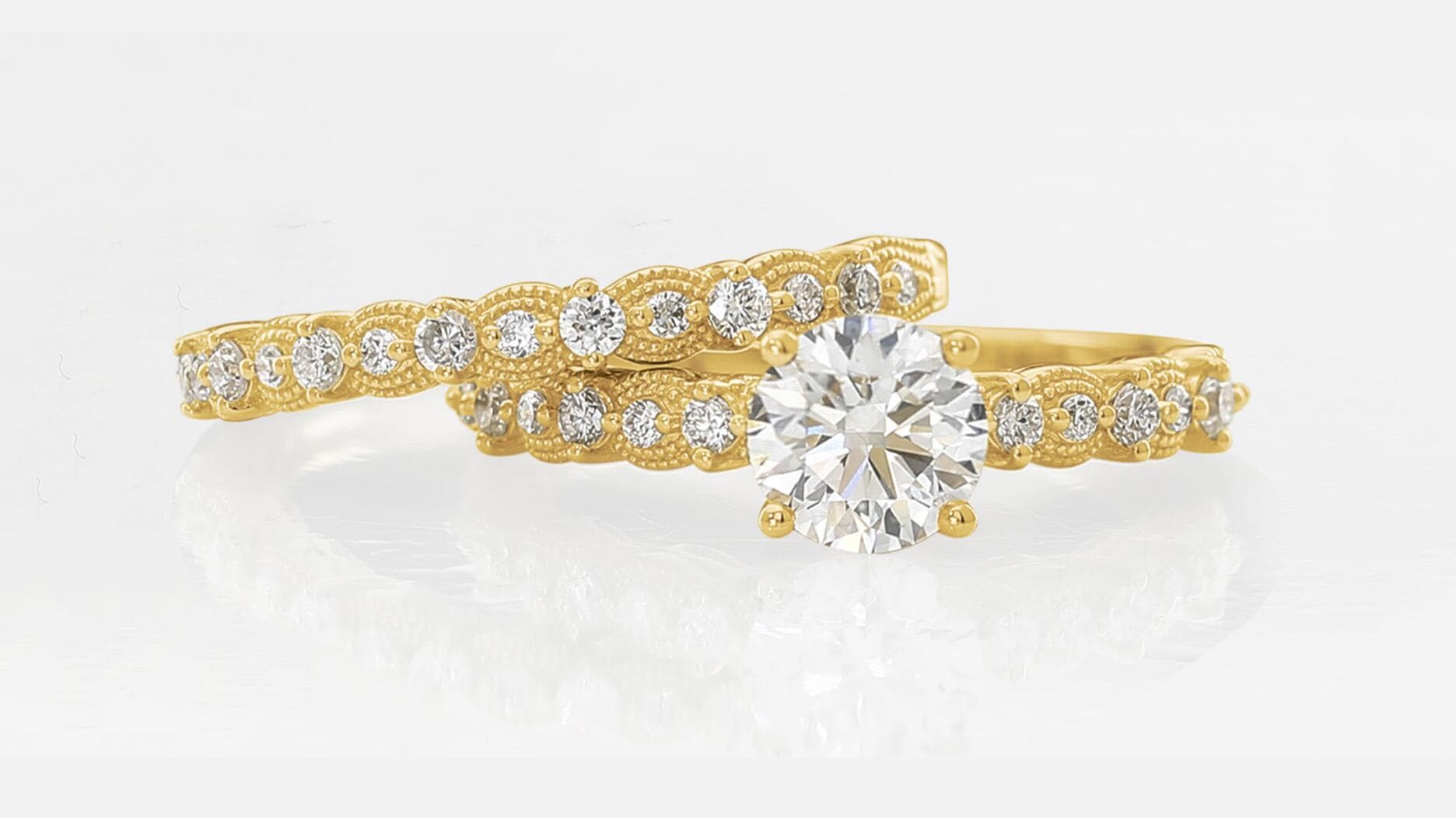
Comprehensive jewelry care guide compiles expert cleaning and maintenance advice
A single, material‑specific cleaning ritual, warm water, mild soap, soft brush, careful inspection, preserves sparkle and prevents costly repairs.
1. Pre‑cleaning inspection and preventive checks
Before any at‑home cleaning, visually inspect clasps, prongs and mountings to confirm stones are secure. “Be sure to visually inspect your jewelry before cleaning to be sure all stones are secure in their mountings. If in doubt, have a trusted jeweler inspect the piece and perform any necessary maintenance,” advises Borsheims; Mark Katzeff reinforces that “understanding how to inspect clasps and prongs will prevent expensive replacements.” A quick look will reveal loose stones, bent prongs or worn jump rings, any of which should be handed to a professional rather than risk further damage at home.
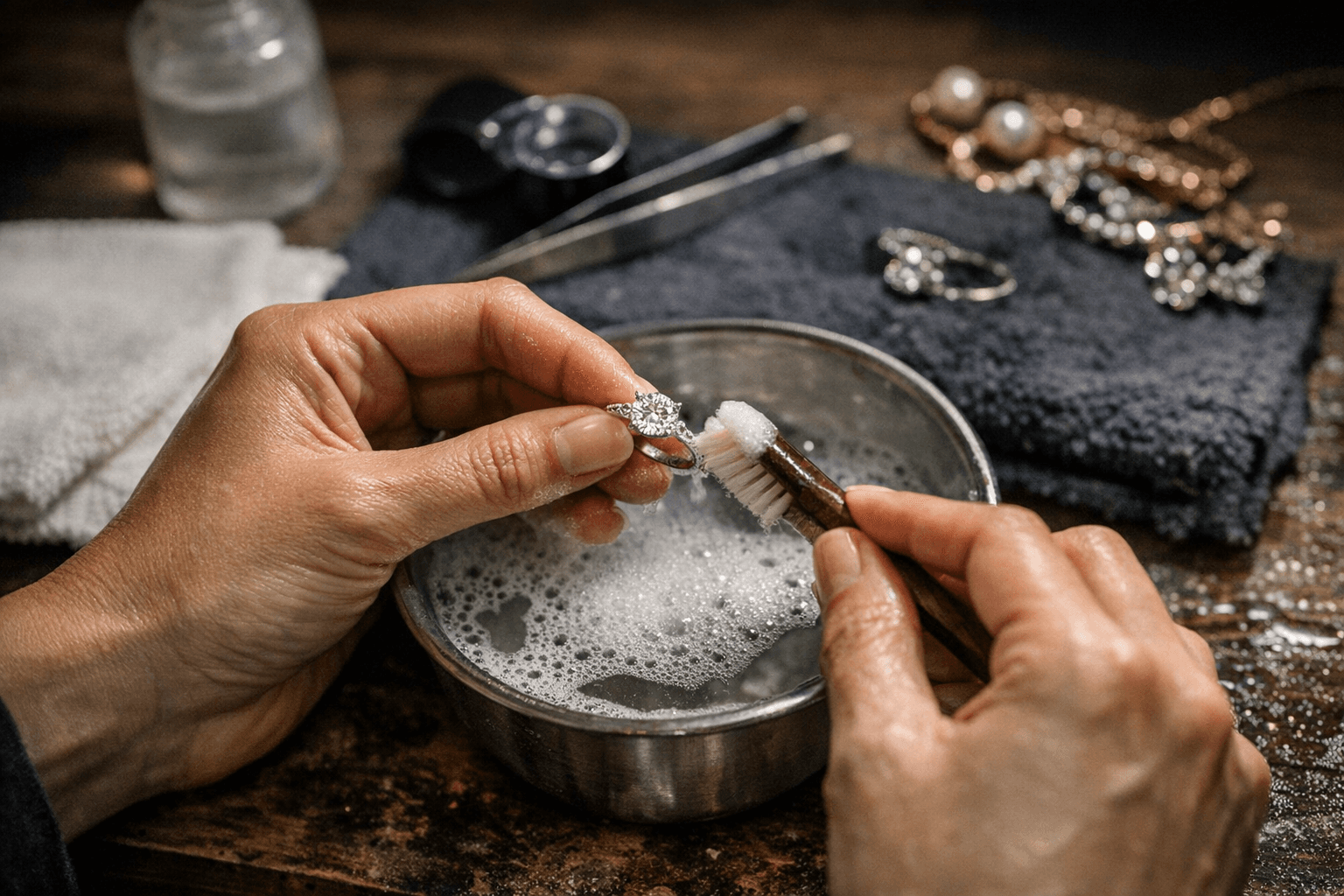
- Prepare lukewarm water with a few drops of mild washing‑up liquid or a mild soap solution and place it in a bowl. Naj instructs: “Add a few drops of washing‑up liquid (or other mild degreasing solution) to a lukewarm bowl of water.”
- Soak for about ten minutes to loosen grime, then gently agitate and clean with a soft‑bristled brush. Naj’s directions are explicit: “Soak the jewellery for ten minutes to loosen any build‑up of dirt” and “Gently clean with a soft‑bristled brush such as an unused toothbrush.”
- Rinse thoroughly in clean water and dry with a lint‑free cloth or let pieces air dry on a soft cloth. Naj: “Rinse thoroughly in clean water to remove soap residue … Dry gently with a lint‑free cloth or leave on a cloth to air dry.”
- For gold and sterling silver, finish with a soft cotton cloth polish; never use abrasive cleansers. Borsheims cautions that “gold and sterling silver are delicate and can be scratched, so always polish with a clean, soft cotton cloth and never use abrasive cleansers.”
2. At‑home cleaning: a safe step‑by‑step ritual
3. Temperature and soaking cautions
Avoid extremes. Naj warns that “extreme temperature changes may damage the jewellery, so avoid hot or ice‑cold water,” and Borsheims agrees: “Do not subject fine jewelry to sudden temperature changes.” Use lukewarm to warm water only; some gemstones, especially those with inclusions or treatments, can be weakened by heat or shock, so resist steam or boiling‑water shortcuts.
4. Materials‑specific guidance
Gold family: Solid gold, vermeil, plated and rose gold all require gentleness; Theograce’s table recommends cleaning solid gold with “Mild soap + warm water, soft cloth” and stores gold items “Separately, to avoid scratches.” Note the waterproof distinctions: solid gold is “Yes, but avoid frequent water,” while vermeil, rose gold and gold‑plated pieces are marked “No” and should be removed before showering or swimming. Sterling silver: Treat silver as fragile to abrasion and moisture; Theograce advises storing in an “airtight box” and cleaning with “Mild soap + water, soft cloth,” while warning it is “Not ideal, tarnishes with water.” Polish with a soft cotton cloth rather than abrasive compounds. Diamonds and moissanite: Clean regularly in warm water with a gentle cleanser and a soft toothbrush, taking extra care around settings. Naj instructs: “Clean the diamond regularly. Soak in warm water with a degreasing solution … Gently brush with a soft, clean toothbrush before drying with a lint‑free cloth.” Theograce lists these stones as “Separately, dry place” and “Safe, but best kept dry.” Coloured gemstones: For most coloured gems, Naj advises warm water, a couple drops of washing‑up liquid and a soft brush, avoiding rigid brushes and mechanical cleaning for treated stones. She cautions that “Gemstones, such as emeralds that have been oiled to improve colour, can be negatively affected by mechanical cleaning such as steam and ultrasonic cleaning.” Pearls and opals: Handle as delicate organisms, do not submerge repeatedly or use harsh cleaners. Borsheims warns to “read the label carefully before using any commercial cleaner, especially on delicate stones such as pearls or opals,” and Theograce’s quick table calls pearls “Separately, no plastic bags” and “No, very sensitive.”
5. Which products to use, and which to avoid
Stick to mild soaps, soft brushes and lint‑free or cotton polishing cloths. Naj’s prescription is simple: “a couple of drops of washing‑up liquid … a soft brush,” and Borsheims notes that “commercial jewelry cleaners are safe for most stones, but be sure to read the label carefully.” Conversely, avoid bleaches and hard abrasives: “Avoid using bleaches or other hard abrasives,” Naj cautions, and Borsheims is explicit: “never use abrasive cleansers.” For treated gemstones, skip steam and ultrasonic machines unless a jeweler confirms the treatment.
6. Wearing habits and activity‑related rules
Create an everyday ritual: cosmetics, perfume, lotion, hairspray, go on first, jewelry goes on last. Borsheims preserves the consumer rule of thumb: “Apply all cosmetics, perfumes, lotions and hairspray before putting on jewelry … remember the rule, ‘last on, first off.’” Remove jewelry before swimming, “Saltwater and chlorine may slowly erode the finish, polish and color of your fine jewelry”, and take rings off for household chores and sports; Mark Katzeff summarizes plainly: “Things like removing jewelry before playing sports or doing housework go a long way.”
7. Storage: how to shelter your collection
Store pieces separately in soft‑lined compartments; avoid humid rooms such as bathrooms or windowsills. Theograce’s practical lines read: “Use a jewelry box with individual compartments, lined with soft fabric,” “Add anti‑tarnish strips to silver jewelry compartments,” and “Avoid humid environments and keep jewelry away from bathrooms or windowsills.” For travel, choose a padded jewelry roll or a structured travel case with zippered compartments, and ensure all items are clean and dry before stowing them away, as Michael Hill advises.
8. Professional services, inspection frequency and warranties
Make professional inspection part of long‑term care: if a stone or clasp looks suspect, “have a trusted jeweler inspect the piece and perform any necessary maintenance” (Borsheims). Michael Hill invites customers to “bring your pieces in as needed” for complimentary professional cleaning and offers a “Professional Care Plan for Luxury Jewellery” and the “MICHAEL HILL DIAMOND WARRANTY” for added protection. Mark Katzeff recommends scheduling routine inspections and notes that such checks “prevent expensive replacements”; many jewelers will perform an annual inspection or clean if you prefer a scheduled cadence.
9. Safety tips when cleaning at home
Practical precautions save pieces and nerves: always close the sink drain before working over a basin, “When cleaning jewelry over a sink or lavatory, close the drain before beginning,” Borsheims advises. Remove jewelry that could contact household cleaners or wear rubber gloves, and never subject fine jewelry to sudden temperature changes. Rinse thoroughly to remove all soap residue and dry completely to prevent moisture‑related tarnish or corrosion.
10. Daily maintenance rules of thumb and a quick checklist
Adopt a few reliable habits to keep pieces resilient: wipe gemstones after wear to remove oils and chemicals, polish precious metals with a soft cotton cloth, and store items separately with anti‑tarnish strips for silver. Naj’s simple routine, warm water, a few drops of degreaser, a soft brush and a ten‑minute soak, will resolve most surface dirt, while Borsheims’ consumer advice condenses to a mantra: “last on, first off.” When in doubt, summon a professional: loose settings, deep grime or treated stones deserve expert eyes rather than DIY fixes.
Conclusion Jewelry care is an act of stewardship: small, regular rituals, inspection, gentle cleaning, mindful wearing and considered storage, protect both material value and memory. Follow material‑specific rules, respect delicate treatments, and when a clasp, prong or stone raises doubt, turn to a trusted jeweler for inspection and professional service. Your collection will reward that attention with decades of wear and the quiet assurance that each piece remains meaningful and intact.
This article was produced by Prism’s automated news system from verified source data, official records, and press releases, then run through automated quality and moderation checks before publishing. The system is built and supervised by the people who set the standards it runs under. Read our full AI policy.
Did this article answer your question?