Cremation Jewelry Necklaces: How They Work, Materials and Buying Tips
Cremation necklaces carry a symbolic pinch, not a full urn; choose materials and seals with durability and discretion in mind.

1. How cremation necklaces work
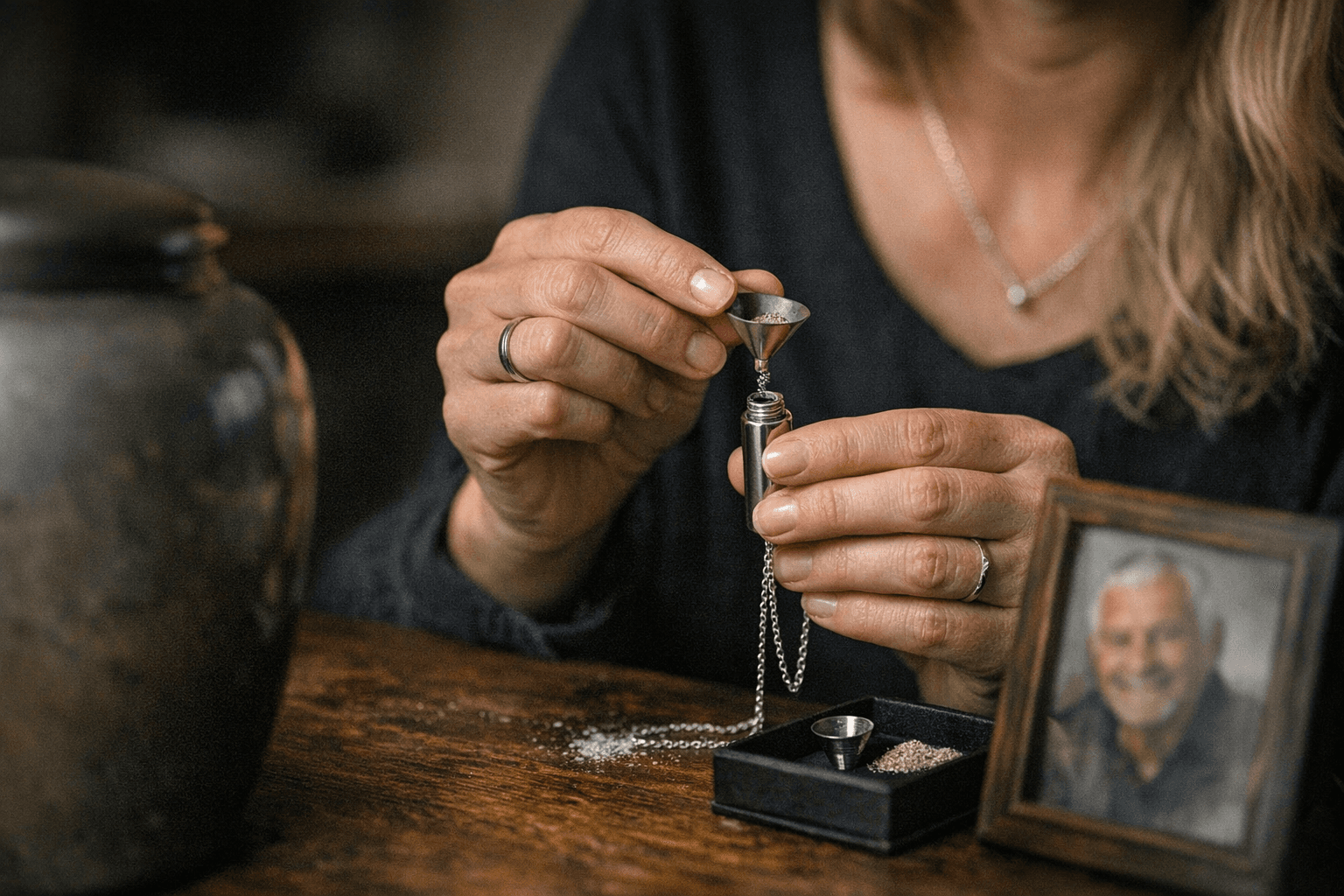
Cremation necklaces are tiny wearable urns: “A urn necklace for ashes is a small, wearable keepsake with a hidden chamber designed to hold a tiny, symbolic amount of cremated remains.” The key design intention is scale, “the key word is tiny”, and most families treat these pieces as a companion memorial, not the primary resting place. Practical mechanics vary by design: many pendants have a threaded chamber, a small cork or screw closure, and sometimes an internal gasket or O‑ring to improve the seal. Filling and sealing are straightforward: many sellers include a filling and sealing kit, “a small funnel, filling sticks and a small tube of adhesive to seal your remembrance inside the cremation pendant.” Expect the piece to accept a pinch of ashes or an alternative memento (hair, a dried flower, soil, or a tiny fabric swatch) rather than a full set of remains.
2. Materials deep dive
Choose your material with both daily wear and longevity in mind; materials change how a piece feels, how it ages, and whether it suits long-term or everyday use.
- Stainless steel, Sellers describe stainless steel as “durable and affordable,” and it appears repeatedly as a default for everyday wear. It is “resistant to tarnish and corrosion,” “extremely durable, hard, and very lightweight and has a bright sheen to it,” and its composition is plain to the point: “This is a metal alloy, primarily made from iron and small amounts of carbon and other metals.” Because it rarely scratches or tarnishes, stainless steel is practical for keychains, masculine designs, or pieces you intend to wear daily.
- Sterling silver, Sterling silver is commonly used and valued for its familiar luster and relative affordability; material choice “shapes comfort, durability, and how the piece ages over time.” Silver offers a classic look but will require periodic polishing and slightly more care than stainless steel to maintain its finish.
- Solid 14K gold and gold finishes, Solid 14K gold is presented as the long-term, hypoallergenic option: “It will never tarnish, requires minimal cleaning, and is easily altered or repaired.” For those with metal sensitivities or who want a keepsake that functions as jewelry heirloom, 14K gold is recommended as an investment-piece. Gold finishes (plating) are available as well, but finishes will wear differently over time compared with solid gold.
- Glass, Glass pendants create an immediate visual memorial: “Glass cremation jewelry offers a unique and artistic way to remember your loved one,” often in the form of a small orb or vial where ashes or keepsakes are visible. Glass can be clear or colored and suits those who want the material presence of the memorial to be seen as art; note, however, that glass is more fragile than metal and will demand cautious handling.
- Wood, Wood pieces are “becoming more popular due to how unique the piece can look” and offer warm, organic variation (including exotic woods). Wooden keepsakes are typically affordable and highly personal in appearance, though they are less water resistant and require different care than metal or glass.
- Copper and brass accents, Copper and brass are commonly used as decorative accents to warm a design; they create visual contrast but will patina over time unless plated or sealed.
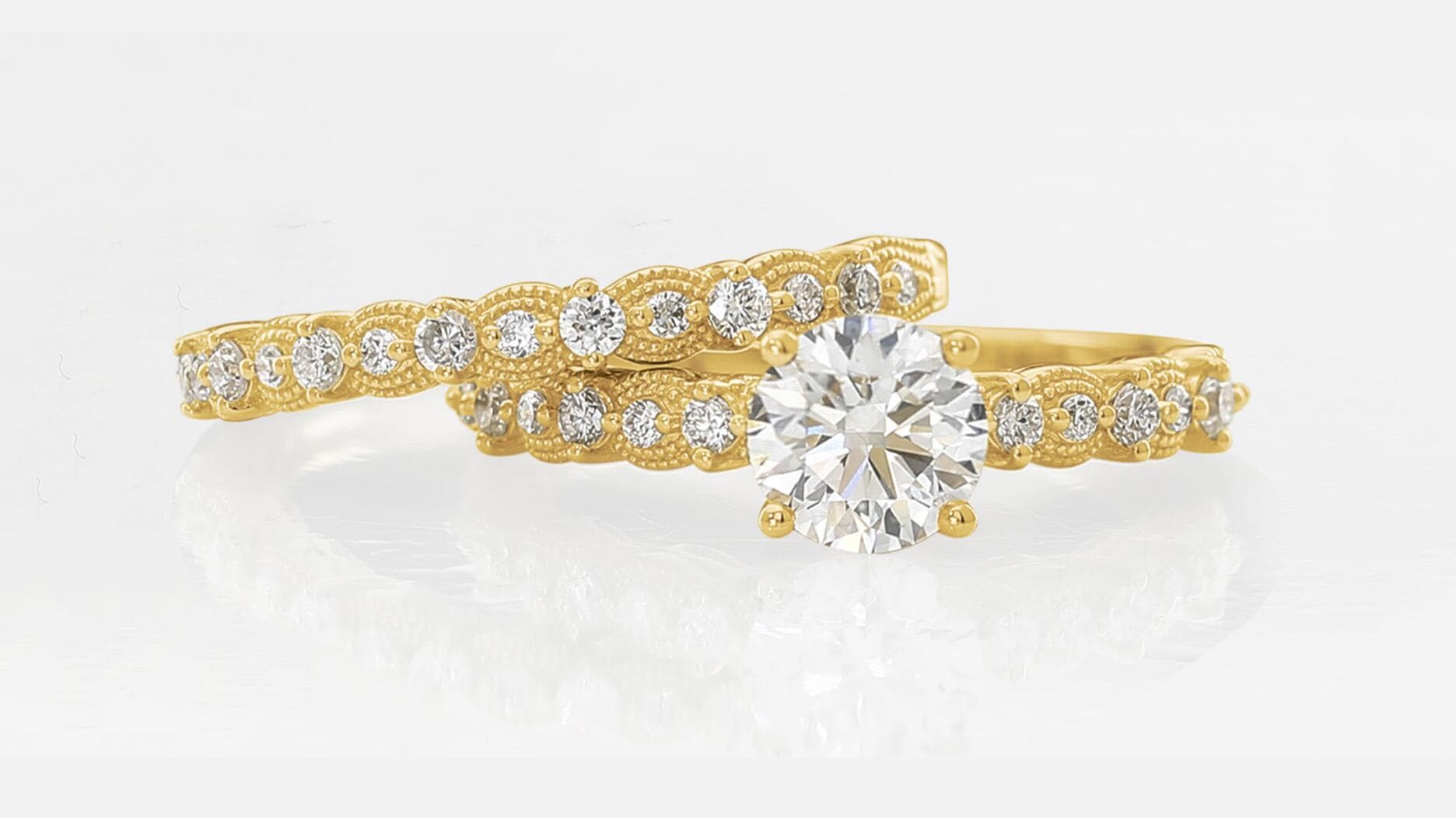
- Diamonds and memorial stones, Lab-created and memorial diamonds are an alternative for translating ashes into a permanent gem: once created, memorial diamonds can be set “from necklaces to rings,” offering a literal reframing of remains into wearable stone. These are distinct from simple vial-style keepsakes and align with buyers seeking a traditional jewelry setting around memorial material.
3. Buying tips and questions to ask
Approach a purchase as you would any heirloom: balance emotional meaning, daily practicality, and clear expectations about care and capacity. Oaktreememorials lists five factors that should shape your decision: Size and Style; Material; Quality and Craftsmanship; Price Range; Comfort and Wearability. Keep these in mind as a checklist and verify the following seller-specific details before you buy.
- Capacity and purpose, Remember that these pieces are designed for a pinch of ashes: “The key word is tiny.” Decide whether you want a companion memorial or plan to retain the main urn elsewhere.
- Sealing and water protection, Ask whether the piece includes an internal gasket or O‑ring and how the seller characterizes water resistance: “A gasket is not magic, but it is a meaningful quality signal.” Even with a gasket, treat marketing claims cautiously: “Even the best gasket is usually better treated as water resistant rather than truly waterproof.” Confirm manufacturer care guidance and whether removal is recommended for bathing, swimming, or applying lotions.
- Filling kit and packaging, Confirm what is included: many necklaces come with a filling and sealing kit and presentation packaging. Expect “a small funnel, filling sticks and a small tube of adhesive to seal your remembrance inside the cremation pendant,” and often “A complimentary 20” matching chain or an upgraded chain where applicable is also included with your order.” Make sure instructions are clear and that the kit supplies match the closure type.
- Material specifics and long-term care, Ask about the exact metal (solid 14K gold vs gold finish), the ability to resize or repair (“solid 14K gold… is easily altered or repaired”), and recommended cleaners. If you prefer a piece for everyday wear, stainless steel’s corrosion resistance and low maintenance are attractive; if you want an heirloom, solid 14K gold is preferable.
- Discretion and lifestyle fit, Tulipcremation notes a simple truth: “An urn vial, however, is distinctive. If you’d rather not face questions about your accessories, choose them carefully.” Consider whether a pendant that looks like conventional jewelry (rings, bracelets, discreet lockets) better fits your life than an obvious vial if privacy is a concern. Think about how you use your hands and whether a necklace, ring, or keychain suits daily tasks.
- Alternatives and approved contents, Confirm what the vendor allows inside the piece: ashes are most common, but many sellers accept a lock of hair, dried flowers, soil from a burial site, or a tiny piece of clothing. Memorial diamonds and other transformations are available for those who prefer an interpreted rather than visible keepsake.
4. Care, durability and practical cautions
“You take care of cremation jewelry like other delicate keepsakes.” Follow the manufacturer’s cleaning and storage instructions, remove pieces before showering or swimming, and avoid perfumes, lotions, and chemicals that can degrade threads and seals. Because designs and materials vary in robustness, prioritize craftsmanship for pieces you intend to wear daily; quality construction reduces the risk of loss or accidental spillage. If discretion and durability matter most, select materials and settings known for strength (stainless steel, solid gold) and forgo fragile glass or unfinished woods for everyday wear.
5. What to expect on delivery and final consideration
When your order arrives, you should find the pendant, a presentation box, a filling/sealing kit, and often a matching chain, details that make the act of memorializing both deliberate and dignified. Treat the necklace as a companion: meaningful, wearable, and designed to help you carry memory rather than serve as an official urn. Choose materials, seals, and a seller you trust, and the piece will serve as a durable reminder of presence and care that you can wear forward into the years.
This article was produced by Prism’s automated news system from verified source data, official records, and press releases, then run through automated quality and moderation checks before publishing. The system is built and supervised by the people who set the standards it runs under. Read our full AI policy.
Did this article answer your question?