National Jewel Day 2026 Celebrates Gems, Heirlooms, and Jewelry's Cultural Legacy
Greeks and Egyptians believed gems held protective powers. National Jewel Day on March 13 honored that 10,000-year thread from bone beads to sculptural silver chains.
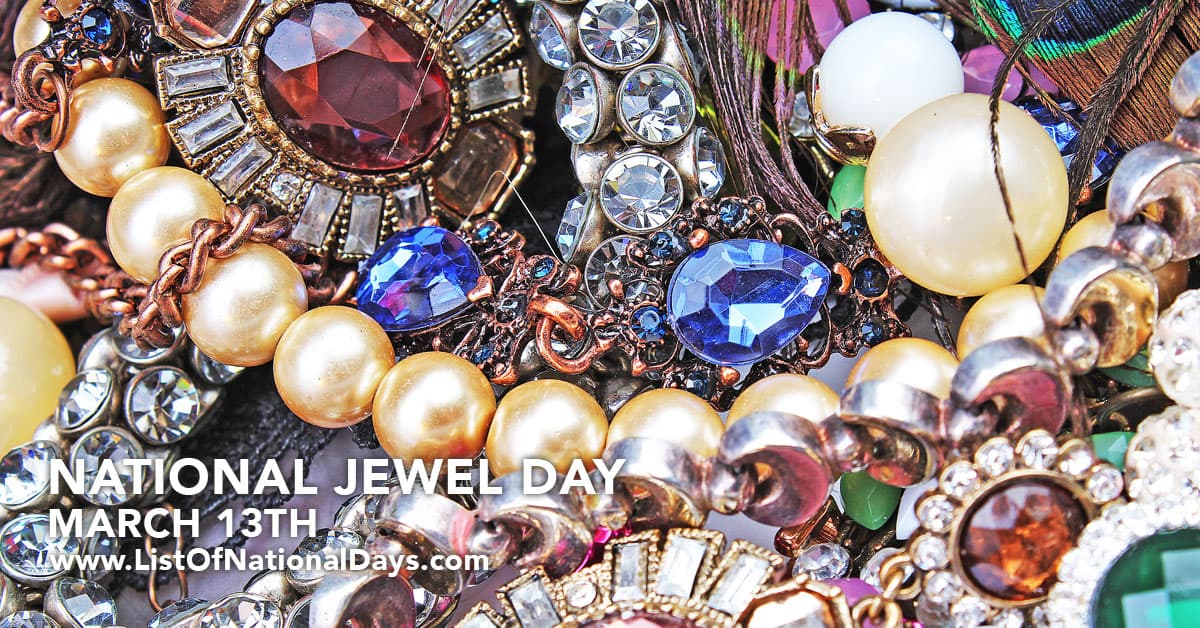
National Jewel Day fell on Friday, March 13, 2026, framed by its observance community as an annual awareness moment celebrating gems, heirlooms, and the cultural histories of jewelry. No founder or originating organization has ever been identified; as National Today notes, the origins remain unknown. What the day carries instead is a thread running from prehistoric bone beads to the chunky architectural chains trending this season.
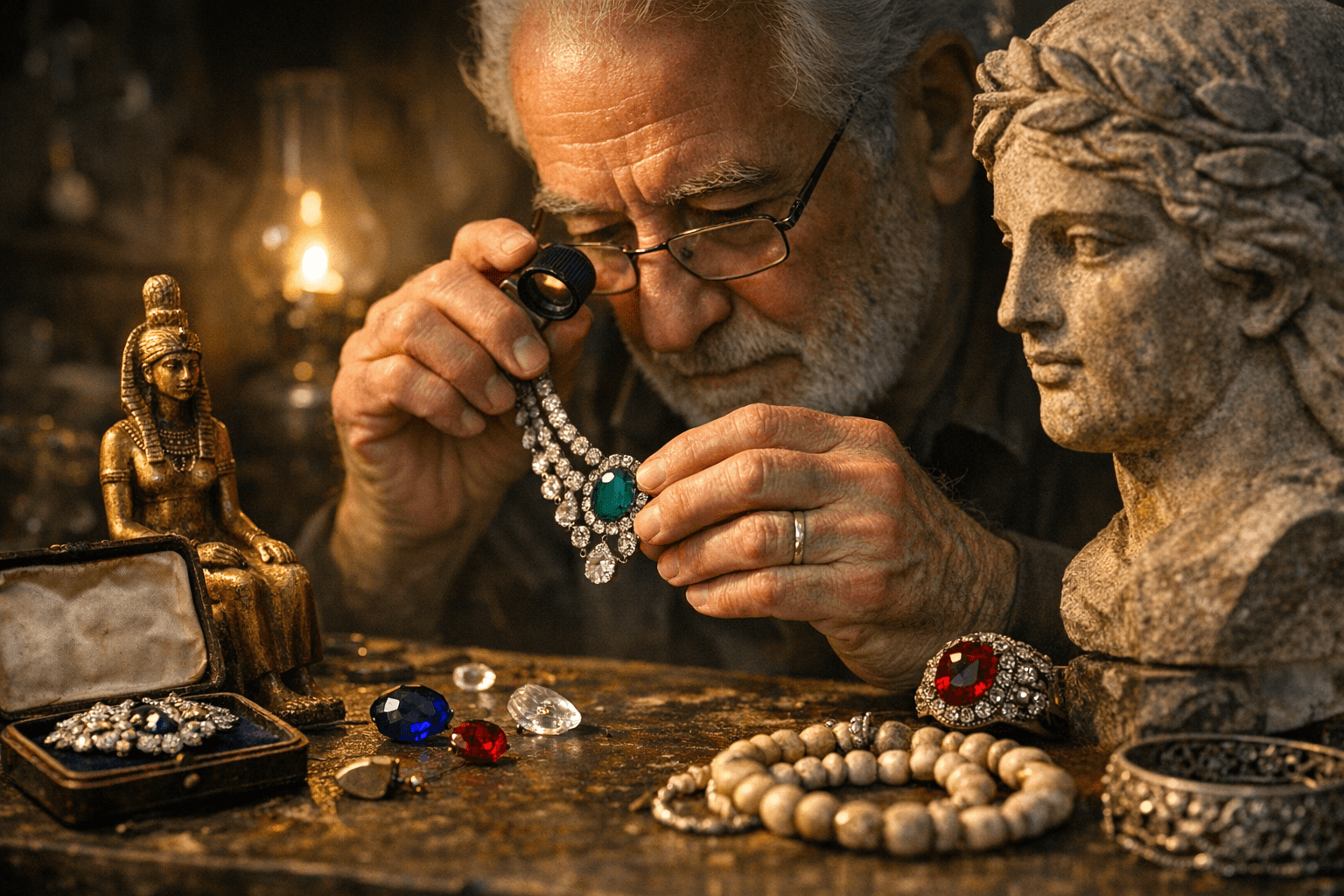
The historical case for jewelry's significance is difficult to overstate. Humans wore ornaments made from stone, bones, and shells in prehistoric times, primarily to mark status. Ancient civilizations including the Greeks and Egyptians attributed mystical and protective qualities to gemstones, and gold held such weight in the ancient world that it was buried with the dead to serve owners in the afterlife. Medieval Europe formalized the hierarchy in law and custom: the wealthy reserved silver, gold, and precious gems for themselves, while lower ranks wore pewter and copper. The Renaissance pushed the craft further still, with advanced cutting techniques producing shinier stones and elaborate enamels applied to both sides of a stone. Pieces during that period also functioned as political and religious signals, worn to broadcast allegiance and power. By the 19th century, with industrialization spreading, jewelers deliberately turned back toward handcrafted work as a rejection of machine-led systems.
The emotional weight jewelry accumulates over time is distinct from its material value. A ring represents a promise; a necklace, love; a bracelet, an achievement. Family heirlooms carry that logic furthest: pieces passed across generations hold memories and stories that make them, in practice, irreplaceable. Those emotional stakes explain why jewelry appears at engagements, weddings, anniversaries, graduations, and family traditions more reliably than almost any other object category.
Craftsmanship remains the thread connecting those historical periods to the present. Each finished piece represents hours of work, with polishing as the final step that produces the smooth, shiny surface a wearer actually sees. That labor is invisible in the finished object, which is part of what makes provenance and traceability worth asking about.
On the style front, 2026 brought a visible shift in the metals conversation. After several years dominated by gold, silver reclaimed serious attention, specifically in chunky, architectural, and sculptural chain forms. The look pairs well with crisp whites and neutral tailoring, and designers have been mixing it with gold for high-low contrast. Egyptian designer Azza Fahmy, identified by Love Luxury Dubai as the queen of Arabic-inspired jewelry, represents the kind of culturally grounded design work that sits at the intersection of heritage and contemporary wearability.
The sustainability dimension of National Jewel Day is worth naming directly, even if some of the language around it stays vague. Love Luxury Dubai framed the 2026 observance as "a celebration of sparkle that does good," pointing toward responsible sourcing and ethical production as values that extend a piece's meaning beyond aesthetics. That framing is legitimate, but the specifics matter: certifications like Fairtrade Gold, the Responsible Jewellery Council standard, or Kimberley Process compliance for diamonds are the checkpoints that separate a genuine ethical claim from marketing copy. The Hope Diamond, housed at the Smithsonian in Washington, D.C., remains one of the most visited single jewels in the world and a starting point for understanding how stones accumulate history, ownership, and contested meaning over centuries.
March 13 passed, but the questions it surfaces do not. Where a stone was mined, how a metal was refined, and who made the piece are worth asking every time, not just on a calendar observance.
This article was produced by Prism’s automated news system from verified source data, official records, and press releases, then run through automated quality and moderation checks before publishing. The system is built and supervised by the people who set the standards it runs under. Read our full AI policy.
Did this article answer your question?