Permanent Jewelry Defined: Welded Bracelets, Anklets, Necklaces, Rings, Costs, Care
Permanent jewelry is a custom‑fitted, welded piece, bracelet, anklet, necklace, or sometimes a ring, designed to live on your body; costs and tradeoffs vary widely by metal, style, and vendor.

1. What permanent jewelry is
Permanent jewelry is a custom‑fitted bracelet, anklet, necklace, or ring welded directly onto the wearer without a clasp, producing a seamless piece intended to stay on indefinitely. As Yiyou Liu wrote for Gracestudiofine on January 13, 2026: “Permanent jewelry is a trendy, custom-fitted accessory like a bracelet, anklet, necklace, or ring that's welded onto you without a clasp, creating a seamless piece meant to stay on indefinitely.” Multiple sources repeat the theme: no clasp, a skilled jeweler performs the weld, and the aesthetic is deliberately minimal and intimate.
2. Welded bracelets
The permanent bracelet is the category’s signature item; Mhelegance calls it “the crown jewel of the permanent jewelry world,” and describes how these delicate chains “sit at eye level, catch light beautifully, and serve as a constant visual reminder.” Chain choices matter: Delicate box chains offer ultra‑fine square links for a modern line; cable chains use round interlocking links for a classic look; rope chains provide twisted texture for more visual presence. Retail pricing reflects metal and weight: sterling‑silver bracelets commonly start at $40–100, gold‑filled at $60–200, and solid 14k gold from $150–500, with event group rates sometimes quoted around $75 per person.
3. Anklets
Anklets are offered as welded pieces in the same custom‑fit manner as bracelets, and they carry modest incremental costs because of length: expect to add about $20–50 for extra length when commissioning an anklet. Anklets obey the same stylistic grammar as wrist chains, box, cable, rope, and are often positioned as a summertime or layered styling choice within the broader 2026 trend toward mixed metals and stacked permanent bracelets captured by Sarah O.’s Instagram line: “From mixed metals to stacked permanent bracelets, 2026 is all about intention, individuality, and elevated everyday wear.” As with bracelets, urban markets and premium metals push prices higher.
4. Necklaces
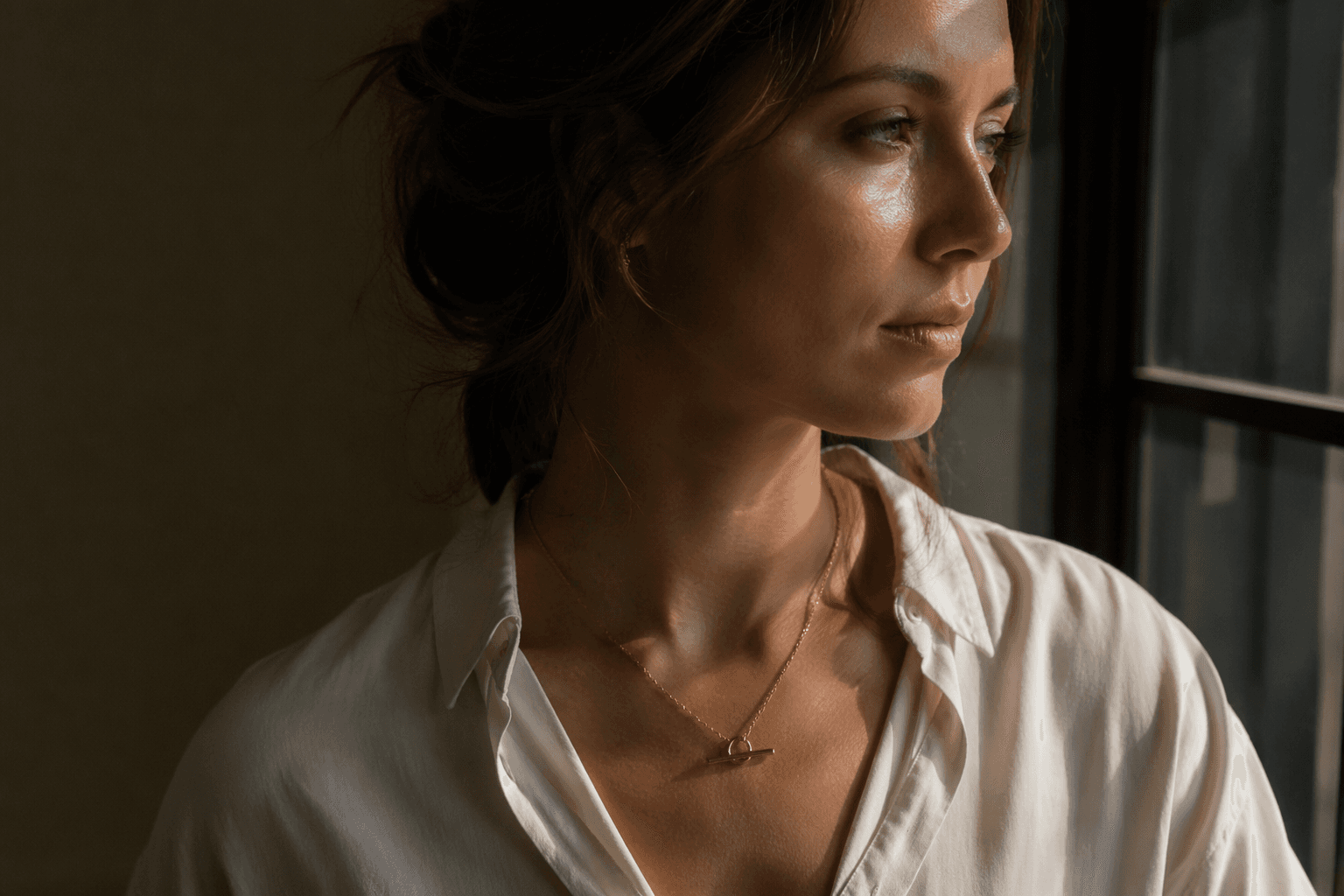
Permanent necklaces are welded, custom‑fitted pieces that move the same concept to the neckline; they typically command higher prices owing to longer chains and heavier metal content. Gracestudiofine notes that necklaces often add $50–100 more to a base price and that premium gold necklaces can reach $500 and up; expect necklace pricing to reflect chain thickness, length and the same material tiers, sterling silver, gold‑filled, and solid 14k. Styling-wise, a welded necklace reads as an elevated everyday object, layerable or standalone, and it sits alongside fine‑jewelry trends such as the signature tennis necklace referenced in broader 2026 forecasts.
5. Rings
Rings are practiced “in some cases” as welded permanent jewelry, but they remain less ubiquitous than wrist and neck pieces and are typically positioned as the most intimate, and therefore the most conditional, of the formats. Gracestudiofine lists basic rings starting at about $25; because rings are in close contact with hands and daily wear, they carry unique practical concerns, resizing complexity and medical/procedural considerations, that some buyers find prohibitive. If you are contemplating a welded ring, treat it as a bespoke decision: the symbolism is strong, the reversibility is limited.
6. The welding process, equipment and training
Every account stresses that a skilled jeweler performs the weld with a dedicated welder: the ritual is part technical, part service. Richpkg’s visual shorthand for building a permanent‑jewelry business, the photographed sign reading “How to Start: Train, Equip, Market, Weld”, underscores that training and the right equipment are nonnegotiable for a safe, quality result. The sources supplied do not enumerate specific welder models or technical specs; when assessing a studio, insist on clear answers about staff training, sterilization practices, and the exact tools in use before you sit down for a weld.
7. Costs and how prices are built
Gracestudiofine provides the clearest consumer breakdown: “Permanent jewelry costs typically range from $25 for basic rings to $500+ for premium gold necklaces, including the chain and welding service… Sterling silver bracelets start at $40-100, gold-filled at $60-200, and solid 14k gold from $150-500… Anklets add $20-50 for length, necklaces $50-100 more. Charms? $10-50 each. Events might charge less for groups, like $75 per person at parties.” On the business side, Richpkg projects a much larger picture: the trend has been “fueled by over 1.2 billion TikTok views” and is projected to become a $2.8 billion market by 2028, with entrepreneurs citing “3-5x profit premiums” and startup cost claims “under $2,500” for an experience‑driven operation. Distinguish consumer retail pricing from market and margin claims when budgeting.

8. Pros, cons and buyer considerations
The appeal is immediate: effortless daily wear and emotional resonance. Mhelegance captures the allure succinctly, “Imagine waking up every morning with a delicate gold bracelet already on your wrist, no clasp to fumble with, no worrying whether you forgot it on the bathroom counter.” Gracestudiofine frames the decision plainly: “Permanent jewelry might be right if you crave effortless, meaningful accessories that fit your lifestyle, but skip it if you prefer flexibility or have concerns like medical procedures. Weigh the symbolism against practicality, it's a personal call.” On the flip side, consumer reviews vary, Gracestudiofine cites positive quality reports for spots like LINK x LOU and some complaints of tarnish, so vendor selection, metal choice and aftercare policies matter.
9. Aftercare and repair
Published guides assert that aftercare best practices are part of the permanent‑jewelry conversation, but the excerpts provided do not include step‑by‑step cleaning or repair protocols. What is explicit is that studios and vendors commonly provide aftercare guidance; you should request written care instructions, a repair policy and a tarnish‑coverage explanation before a weld. Because sources differ on specifics, confirm whether your piece is sterling silver, gold‑filled or solid 14k (each behaves differently), and ask how the studio handles resizing, repairs and replacements.
10. Market dynamics, entrepreneurship and sustainability
Entrepreneurs are framing permanent jewelry as an experience business rather than a simple commodity: “The real secret to success lies in selling the experience and the emotional connection, not just the chain,” Richpkg advises, recommending niche focus, smart sourcing and polished packaging. Richpkg positions sustainability as “2026’s Core Trend”: use recycled gold or sterling silver and display sourcing certificates; a testimonial in that guide reports, “Our eco-focused permanent jewelry line saw a significant measurable increase after switching to Richpack’s biodegradable packaging, customers actively ask about our sustainability efforts!” Note the spelling variation between Richpkg and Richpack in available materials; verify the supplier name before ordering. Social traction is enormous, over 1.2 billion TikTok views is cited as a catalyst, and Richpkg’s projection of a $2.8 billion market by 2028 frames why studios and retailers are investing in the category.
11. Choosing a vendor and red flags to watch for
Select a studio that will answer questions about training, sterilization, the welder used, repair policies, warranty and metal sourcing. Ask for recent customer reviews, Gracestudiofine specifically flags mixed reports: “positive for quality from spots like LINK x LOU, negative for tarnish”, and verify whether the vendor offers recycled metals or sustainability documentation if that matters to you. Beware operators who emphasize only the welder and not the overall client experience: business guides caution that many new entrants “only focus on the welder,” which can mean uneven service or insufficient aftercare.
Conclusion Permanent jewelry is an intimate, modern form of wearable ritual: a welded chain that becomes an extension of daily life and personal meaning. The choice requires balancing price tiers, from $25 basic rings to $500+ premium necklaces, with practical concerns about removability, medical procedures and long‑term care; it also asks you to vet the studio’s training, tools and policies. As the category scales, fueled by social media and a projected multi‑billion‑dollar market, savvy buyers and founders alike will win by insisting on transparency: clear pricing, documented aftercare, and proof of craftsmanship and sourcing.
This article was produced by Prism’s automated news system from verified source data, official records, and press releases, then run through automated quality and moderation checks before publishing. The system is built and supervised by the people who set the standards it runs under. Read our full AI policy.
Did this article answer your question?