Ten Meaningful Jewelry Pieces to Celebrate International Women's Day
A curator-style selection of ten jewelry ideas for International Women’s Day, focused on provenance, craft, and sentimental design so beauty never comes at the expense of ethics.

This Women’s Day gift guide is curator‑minded: ten meaningful jewelry concepts that pair sentiment with scrutiny, think birthstone pendants backed by traceable supply chains, engraved lockets finished in recycled gold, and single‑stone heirloom pieces set to last generations.
1. Birthstone pendant with verified origin
A classic birthstone pendant becomes meaningful when the gem’s origin and treatment are documented. Choose natural stones accompanied by origin or treatment reports (for example, heat treatment disclosure for sapphires) and mounted in recycled 14k or 18k gold stamped with a recognized recycled-metal hallmark. Ask the maker for mine‑to‑market notes or a supplier chain of custody; without that documentation, a birthstone is just pretty jewelry, not provenance-backed meaning.
2. Engraved locket in recycled metal
An engraved locket gives physical space to memory, a tiny compartment for a photo, handwriting, or a pressed memento, and gains ethical depth when crafted from Fairmined or Fairtrade gold or recycled metal. Look for makers who laser‑engrave interior messages and who provide karat and fineness stamps; a 9–12 mm oval locket in 14k recycled yellow gold is a familiar size that balances wearability with legibility of engraving. Prioritize shops that offer hand‑finished hinges and soldered bails for durability, so the locket can become an heirloom.
3. Single‑stone heirloom‑style solitaire
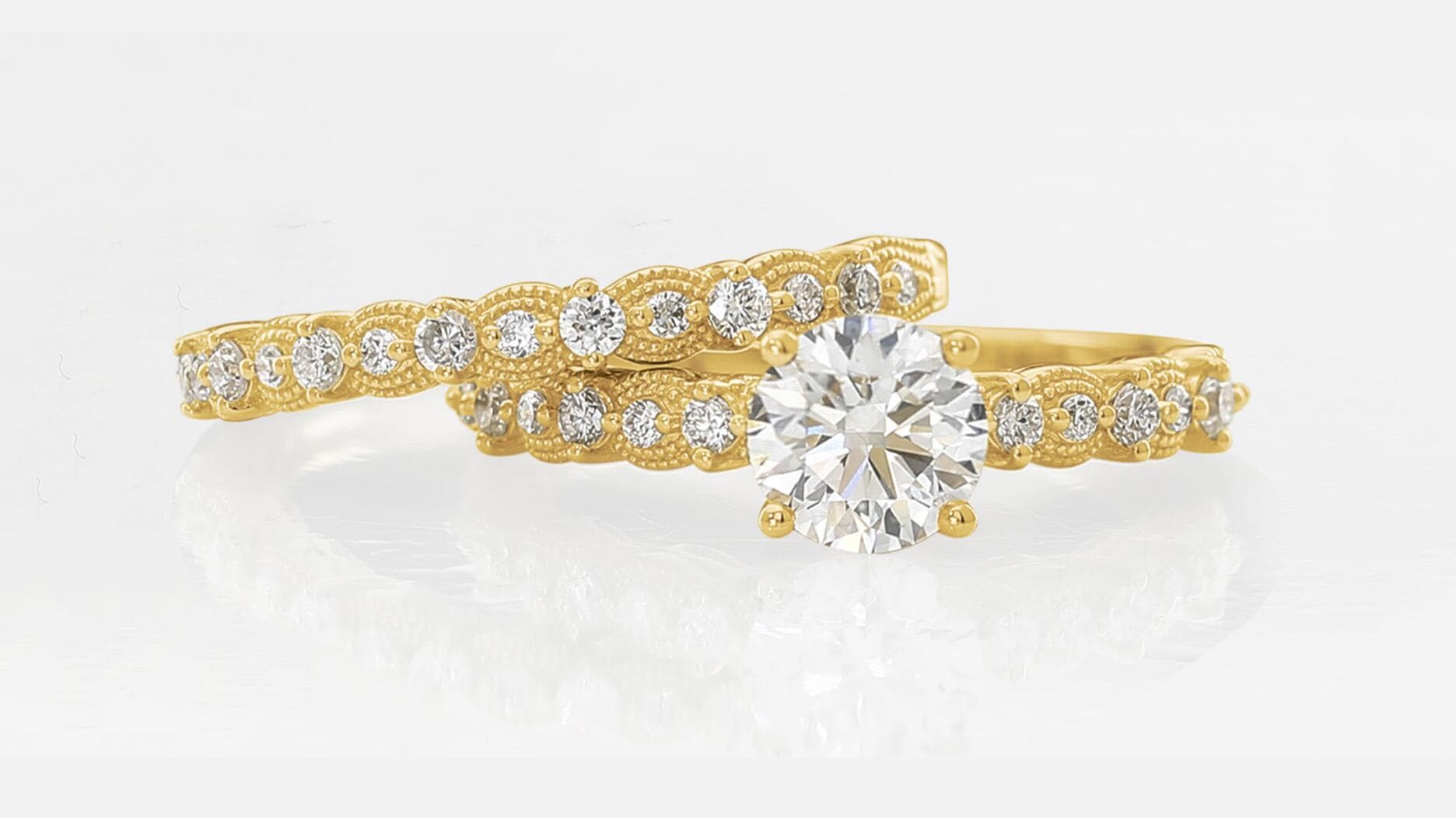
A single‑stone solitaire, a round brilliant diamond or a faceted colored gem, reads as both intimate and formal; have it set in a secure four‑ or six‑prong setting or a bezel for daily wear. For diamonds, request a GIA or comparable lab report; for colored stones, ask for a gemological report that notes treatments and origin where possible. Choosing a classic cut of 0.50–1.50 carats in a low‑profile mounting turns the piece into something that can be passed down without feeling dated.
4. Personalized signet or initial ring with tombac-free plating
Signet rings and initial bands carry identity by design; when personalized with monograms or dates, they become wearable statements. Opt for pieces cast in recycled gold or platinum and avoid base‑metal plating that contains heavy metals, insist on nickel‑free, rhodium‑plated interiors if sterling silver is used. For longevity, request deep‑engraving (not surface etching) so the personalization survives polishing and regular wear.
5. Mother/child motif, nesting necklaces or linked rings
Designs that explicitly reference motherhood, nesting necklaces that stack or linked rings that interlock, are sentimental by form and versatile in styling. Look for motifs where the child’s gemstone (a small 2–3 mm melee) is set inside a parent pendant or bezel‑set within a stacking ring; this keeps the symbolism discreet yet personal. Verify that small stones are secure with micro‑prong settings or flush bezels to prevent loss during everyday activity.
6. Custom Morse‑code or coordinate bracelet
A minimalist bracelet spelled out in Morse code beads, tiny gemstones, or stamped coordinates converts a private message into discreet design language. Choose solid 14k or 18k chains and insist on soldered jump rings and secure clasp mechanisms (lobster or spring ring rated for daily wear). Ask your jeweler to archive the exact pattern or coordinate details with your order so the piece can be remade identically in the future.
7. Lab‑grown diamond pendant for a traceable option
When traceability and reduced supply‑chain complexity are priorities, a lab‑grown diamond pendant is a defensible choice: these stones come with production records and predictable chemistry. Request a full grading report from a reputable lab and compare the carbon disclosure and energy sourcing statements from the manufacturer; unlike some vague “ethical” claims, production documentation is a tangible way to assess impact. Set lab‑grown stones in recycled metal to keep both gem and mounting aligned with sustainability goals.
8. Stackable bands with personal inlays
Stackable rings let you layer meaning, birthstones, engraving, and different widths combine into a narrative wrist. Seek rings with inlaid materials (mother‑of‑pearl, enamel, or colored gemstones) set level with the band to avoid snagging; bands of 1.5–3 mm are versatile and comfortable for stacking. Confirm that any inlay materials are responsibly sourced, for example, ethically harvested mother‑of‑pearl, and that the jeweler uses UV‑stable enamel to prevent fading.
9. Hand‑forged cuff or bangle engraved with a mantra
A hand‑forged cuff or bangle carries the maker’s marks literally in its hammer‑finished surface and is an excellent canvas for a short mantra or phrase. Choose solid metal (not hollow tubing) in 14k gold or sterling silver with a stamped fineness mark and have the inscription hand‑punch or deeply laser‑engraved to ensure legibility over time. Preferably work with a metalsmith who documents their workshop practices and uses reclaimed studio metal; the piece then carries both the wearer’s words and the artisan’s trace.
10. Heirloom upgrade, reset a sentimental stone into a contemporary setting
One of the most meaningful options is to repurpose a sentimental stone, a grandmother’s sapphire or an old diamond, into a new setting that reflects today’s wearer. A professional jeweler can test the stone, advise on treatments or stability issues, and recommend a contemporary setting (bezel, tension, or low‑profile cathedral) that preserves the stone while improving comfort. Insist on a written condition report and a secure mounting plan; resetting transforms the story attached to a stone while retaining the original provenance as part of the piece’s narrative.
International Women’s Day gifts can be beautiful without compromising on ethics: each of these ten concepts prioritizes provenance, durable construction, and personal narrative. Choose makers who provide documentation, recycled‑metal hallmarks, gem reports, or chain‑of‑custody statements, and prefer repairable, well‑constructed settings so the piece ages into family history rather than disposal.
This article was produced by Prism’s automated news system from verified source data, official records, and press releases, then run through automated quality and moderation checks before publishing. The system is built and supervised by the people who set the standards it runs under. Read our full AI policy.
Did this article answer your question?